baba
Free, no AIHebrew-English guide 95 of 100

Iconic Israeli Plants, in Plain English

What kharuv, kalanit, rakefet and tzabar are called in English.

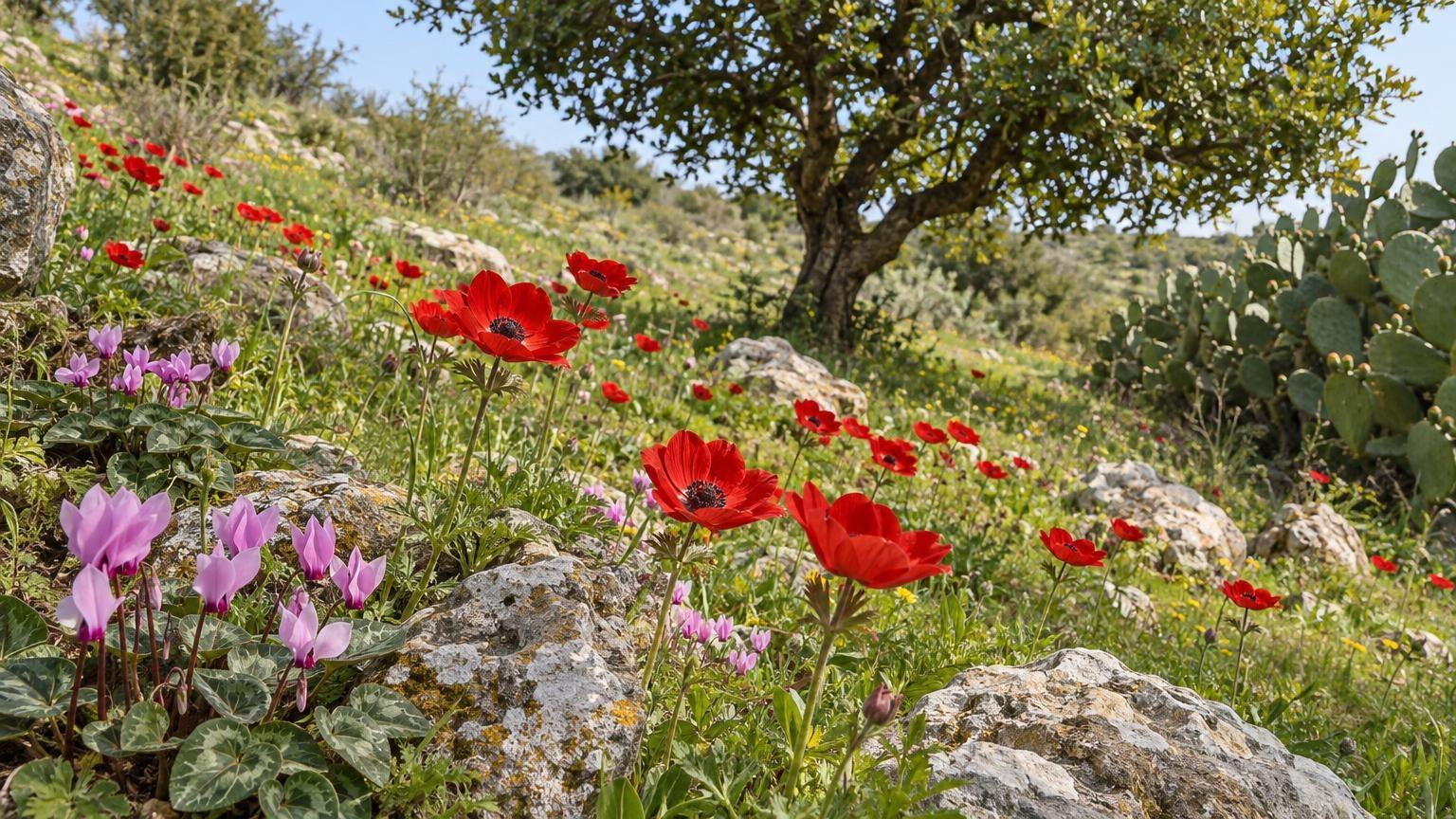
A spring Israeli hillside with anemones, cyclamen, a carob tree and prickly pear

Mix-Ups to Avoid

  1. Do not call the tzabar a native plant. The prickly pear cactus came from Mexico and was planted here as a crop and living fence.
  2. Do not call every red spring flower a kalanit or translate kalanit as poppy. The crown anemone is in the buttercup family, and the poppy is פרג (parag).
  3. Do not pick wild kalanit, rakefet or carob. All three are protected in Israel, so photograph them and leave them in place.
In This Guide6 entries

Tree

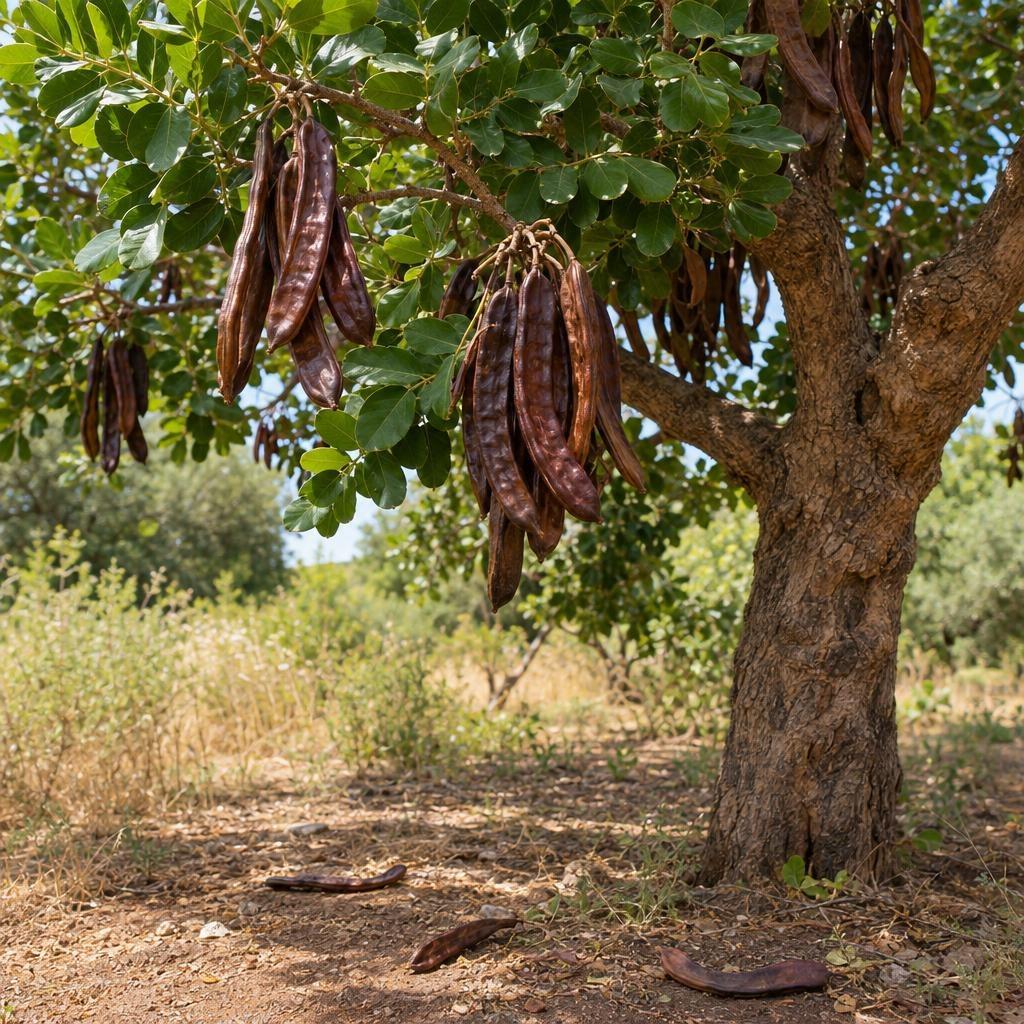
A carob tree with brown pods, kharuv

On the label or sign

חרוב
carob

חרוב / חרוב מצויCarob tree

kharuv / kharuv matzui

US English

Carob or carob tree; also St John's bread

UK English

Carob or carob tree

What it is

The kharuv is the carob tree, Ceratonia siliqua, an evergreen Mediterranean legume tree native to the region. A kharuv has a twisted trunk, dark leathery compound leaves, and green curved pods that dry to dark brown by August.

The difference

English names like locust bean and European locust tree suggest a locust tree, but the kharuv is not a black locust or honey locust. Locust bean gum, carob bean gum, and E410 on a label are all the seed gum of the carob.

Common mistake

Do not take locust bean literally; say carob, and do not damage or uproot a wild kharuv, which is protected.
Spring Wildflowers

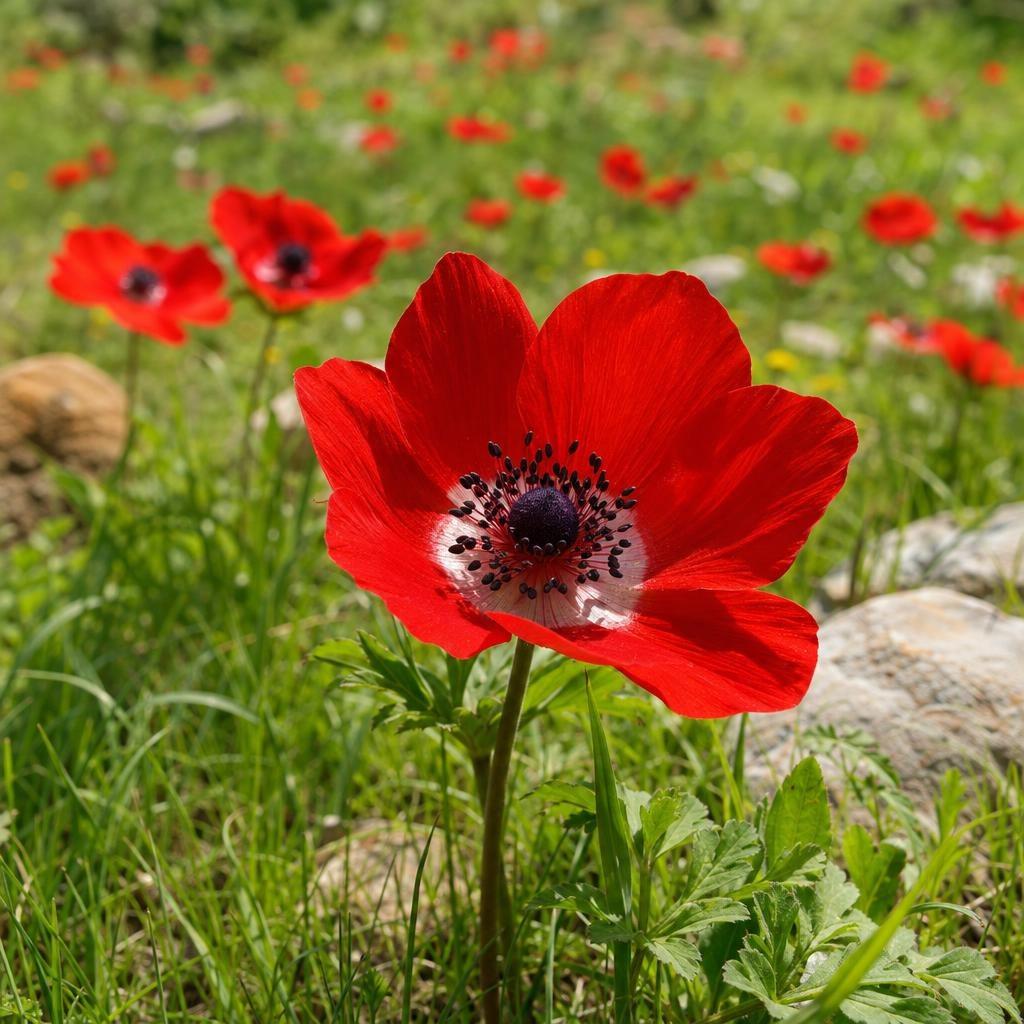
A red anemone in the wild, kalanit

On the label or sign

כלנית מצויה
crown anemone, the species name

כלנית / כלנית מצויהCrown anemone

kalanit / kalanit metzuya

US English

Crown anemone or poppy anemone

UK English

Garden anemone or poppy windflower

What it is

The kalanit is the crown anemone, Anemone coronaria, a native tuberous plant in the buttercup family. A kalanit has one cup-shaped flower on each stalk, a black center, and a ring of deeply cut green bracts below the flower.

The difference

Poppy anemone describes the look, but the kalanit is not a true poppy. Wild kalanit flowers can be red, purple, pink, white, or occasionally yellowish; northern populations are often multicolored and southern ones mostly red.

Common mistake

Do not translate kalanit as poppy or call every red spring flower a kalanit; look for the black center and the cut green bracts, and never pick a kalanit.

פרגPoppy

parag

US English

Poppy

UK English

Poppy

What it is

Parag is the Hebrew word for the poppy. A parag flower has four thin petals, each with a black blotch at the base.

The difference

The parag and the kalanit are both red spring flowers, but they are different plants. The Nature and Parks Authority red flower guide gives the bloom order as anemone first, then Asian buttercup, נורית אסיה (nurit asya), then poppy.

Common mistake

Do not call a kalanit a parag; count the petals and look for the black blotch at the base of each parag petal.

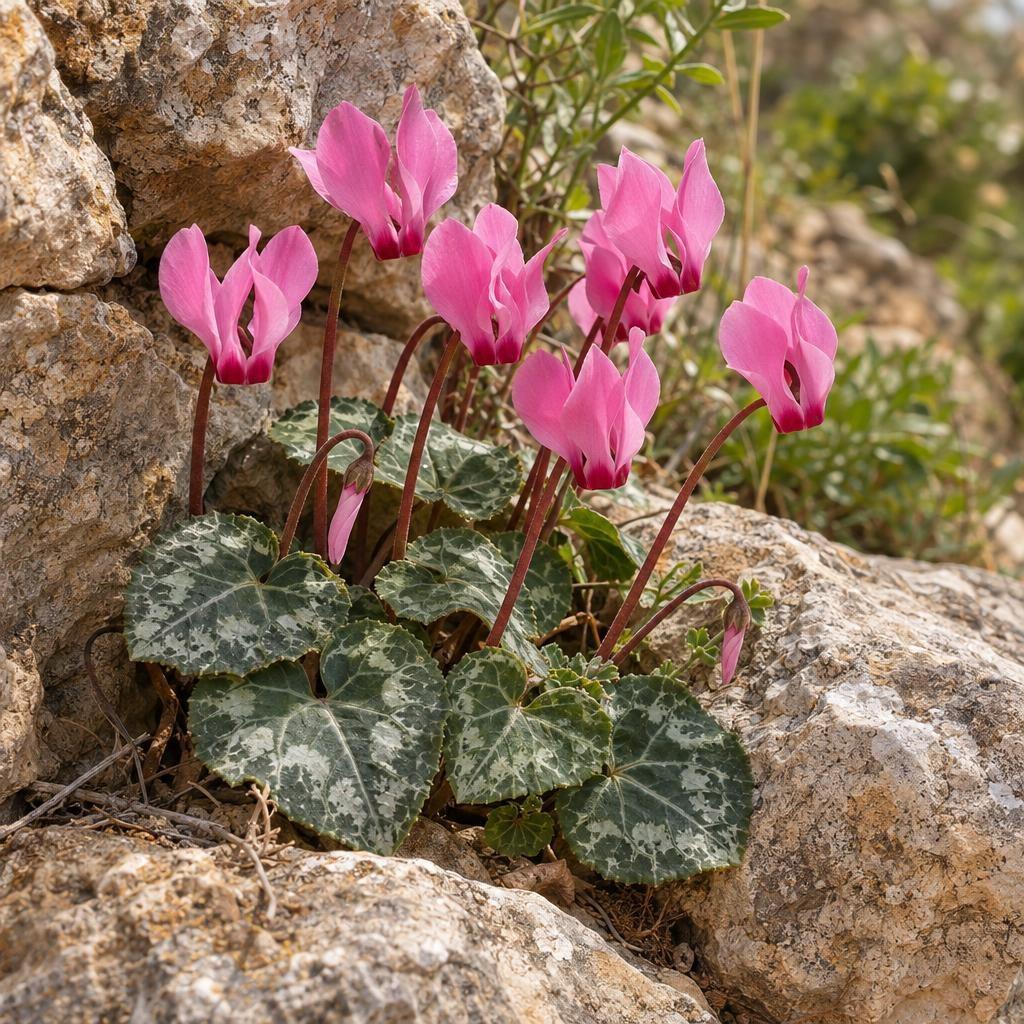
Pink cyclamen growing from limestone rocks, rakefet

On the label or sign

רקפת מצויה
Persian cyclamen, the species name

רקפת / רקפת מצויהPersian cyclamen

rakefet / rakefet metzuya

US English

Persian cyclamen; potted forms are florist's cyclamen

UK English

Persian cyclamen

What it is

The rakefet is the Persian cyclamen, Cyclamen persicum, a native tuberous plant in the primrose family. A wild rakefet grows among rocks and woodland edges, with heart-shaped silver-marbled leaves and nodding white to pink flowers whose five petals sweep sharply upward.

The difference

The name persicum does not mean the rakefet came from Persia; the species is native to Israel and the eastern Mediterranean. Potted florist's cyclamen are cultivated forms of the same species and come in more colors and larger flowers.

Common mistake

Do not assume a large potted cyclamen is the usual wild rakefet, and never pick wild flowers or dig up the tubers.

רקפת יווניתCyclamen coum

rakefet yevanit

US English

Cyclamen coum

UK English

Cyclamen coum

What it is

Rakefet yevanit is Cyclamen coum, a rare cyclamen of high northern sites in Israel. A rakefet yevanit is only 4 to 10 cm tall, with smaller round or kidney-shaped leaves.

The difference

In the far north, the word rakefet does not always mean the Persian cyclamen. The rakefet yevanit flowers mainly in January and February.

Common mistake

Do not call every cyclamen in the far north Cyclamen persicum; check for the small round leaves of the rakefet yevanit.

Introduced Cactus

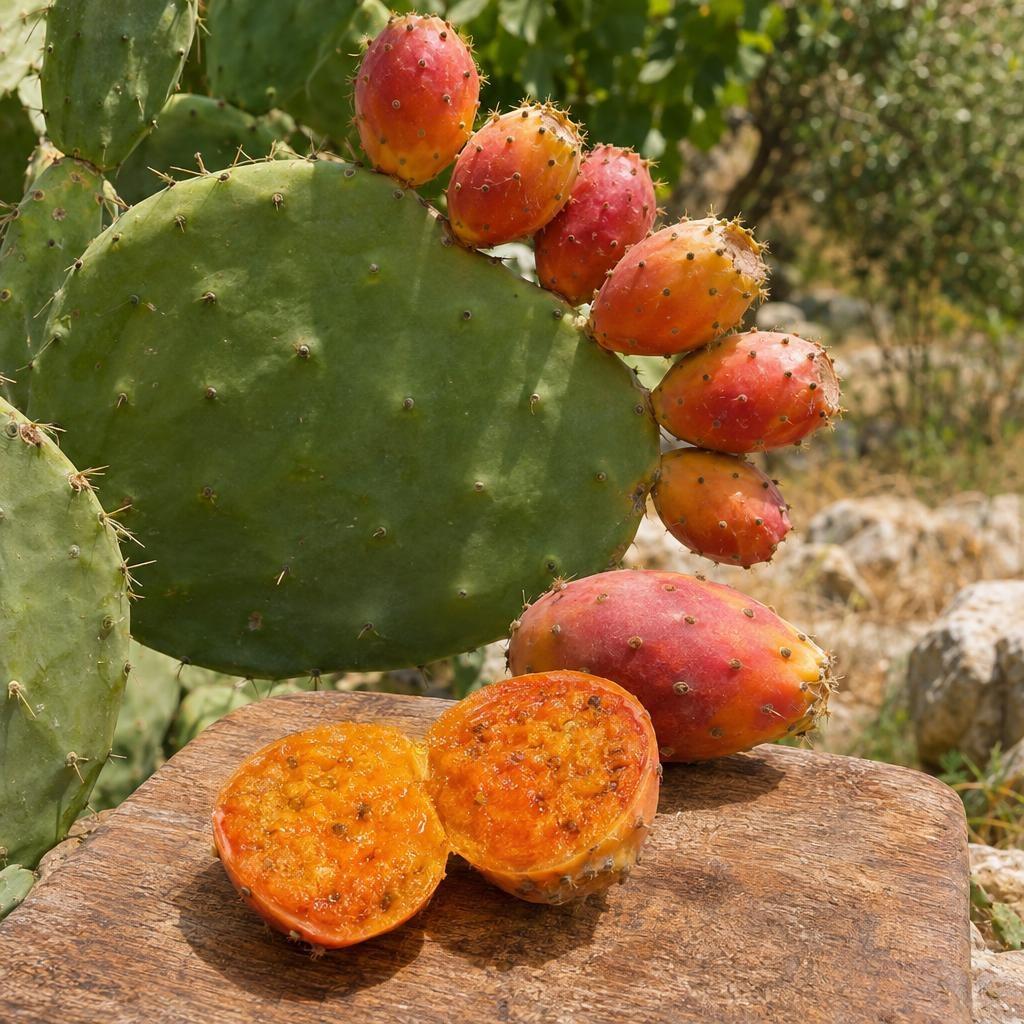
A prickly pear cactus with fruit, tzabar

On the label or sign

עופר
Ofer, the common Israeli low-spine variety, usually with orange fruit

צבר / צבר מצוי / סברסPrickly pear

tzabar / tzabar matzui / sabras

US English

Prickly pear or cactus pear

UK English

Prickly pear; also Indian fig cactus

What it is

The tzabar is the prickly pear, Opuntia ficus-indica, a Mexican cactus grown for its fruit, and sabras is a colloquial word for the fruit. A tzabar forms a tall hedge or shrub of flat oval green pads, with yellow flowers in early summer and fruit that ripens mainly July to September.

The difference

The tzabar is culturally Israeli but botanically introduced, and the flat pads are stem segments, not leaves. Sabra can also mean a native-born Israeli, so say prickly pear when you mean the plant.

Common mistake

Do not touch tzabar fruit bare-handed, even a low-spine kind, because almost invisible barbed glochids can still irritate skin.

You Know the English Name. Look for This Hebrew Word.

You know the English name. Look for this Hebrew word.
English nameHebrew nameKeep in mind
Carob, locust beanחרובkharuvNot a locust tree.
Crown or poppy anemoneכלניתkalanitButtercup family, not a poppy.
PoppyפרגparagFour petals with black basal blotches.
Persian cyclamenרקפתrakefetNative to Israel despite the name.
Prickly pearצברtzabarIntroduced from Mexico.
Prickly pear fruitסברסsabrasDo not handle bare-handed.

Knowing the word is half of it. Say it out loud.

A Hebrew speaking app with Maya and David, AI tutors who hold conversations, explain corrections and help you practise what you need to say. Private beta on iPhone and Android. Public store launch is still ahead. Free Classic lessons to start, no card needed.

Explore baba Learn

How we checked this guide

By the baba team. Checked on against 31 sources, mostly Israeli retailers, manufacturers and government pages, and updated . Products, labels and rules change, so check the pack or the office before you rely on a detail. Our methodology.

Frequently Asked Questions

Is the tzabar native to Israel?

No. The tzabar, or prickly pear, is a cactus brought from Mexico and planted in the region as a crop and living fence. The tzabar is an Israeli cultural symbol but not a native plant.

Is a kalanit a poppy?

No. The kalanit is the crown anemone, also called poppy anemone, and belongs to the buttercup family. The Hebrew word for poppy is parag.

What is rakefet in English?

Rakefet is the Persian cyclamen, Cyclamen persicum. Despite the name, the Persian cyclamen is native to Israel and the eastern Mediterranean.

Is carob the same as locust bean?

Locust bean is a secondary English name for carob, but the kharuv is not a locust tree. Locust bean gum, carob bean gum, and E410 are the seed gum of the carob.

Can I pick wildflowers in Israel?

No. The Nature and Parks Authority says to photograph wildflowers rather than pick them, and the kalanit, the rakefet, and the wild carob are protected. Every plant in a nature reserve is protected.

More Hebrew-English Guides

All guides