baba
Free, no AIHebrew-English guide 94 of 100

Israeli Bugs and Pests, in Plain English

What juk, yatush, akrav and pishpesh mean, and which are dangerous.

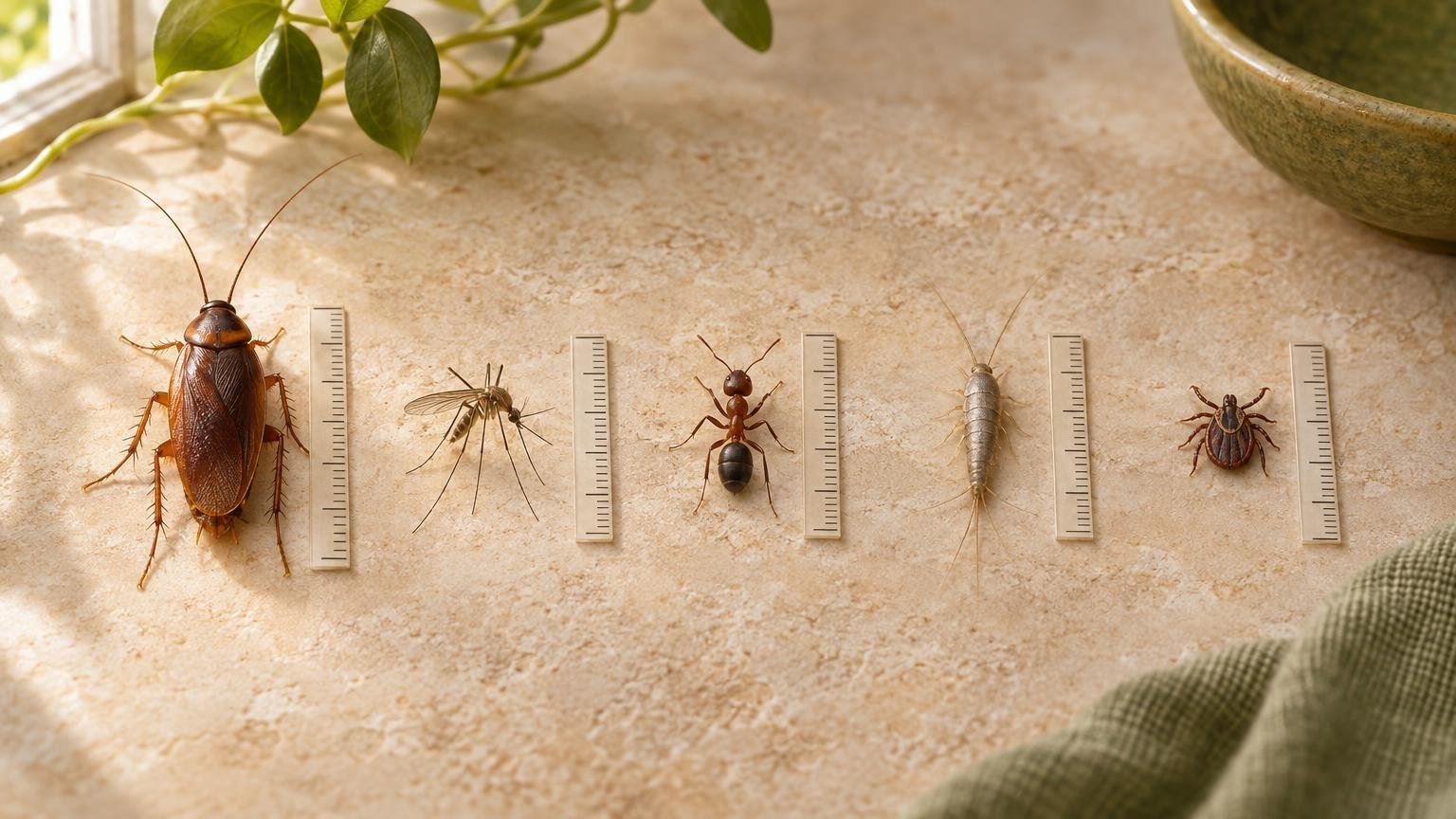
An assortment of common household bugs and pests in Israel

Mix-Ups to Avoid

  1. Do not judge a scorpion by color. More than half of Israeli scorpion species are yellow and dangerous dark species exist, so call MDA 101 after any akrav sting.
  2. Do not use ג׳וק for every bug. Juk means cockroach; the Hebrew word for insect is חרק (kherek), and English bug has no single Hebrew match.
  3. Do not call a flea a pishpesh. פשפש המיטה (pishpesh ha-mita) is a bed bug, while a flea is פרעוש (par'osh).
In This Guide34 entries

Biting Pests And Disease Carriers

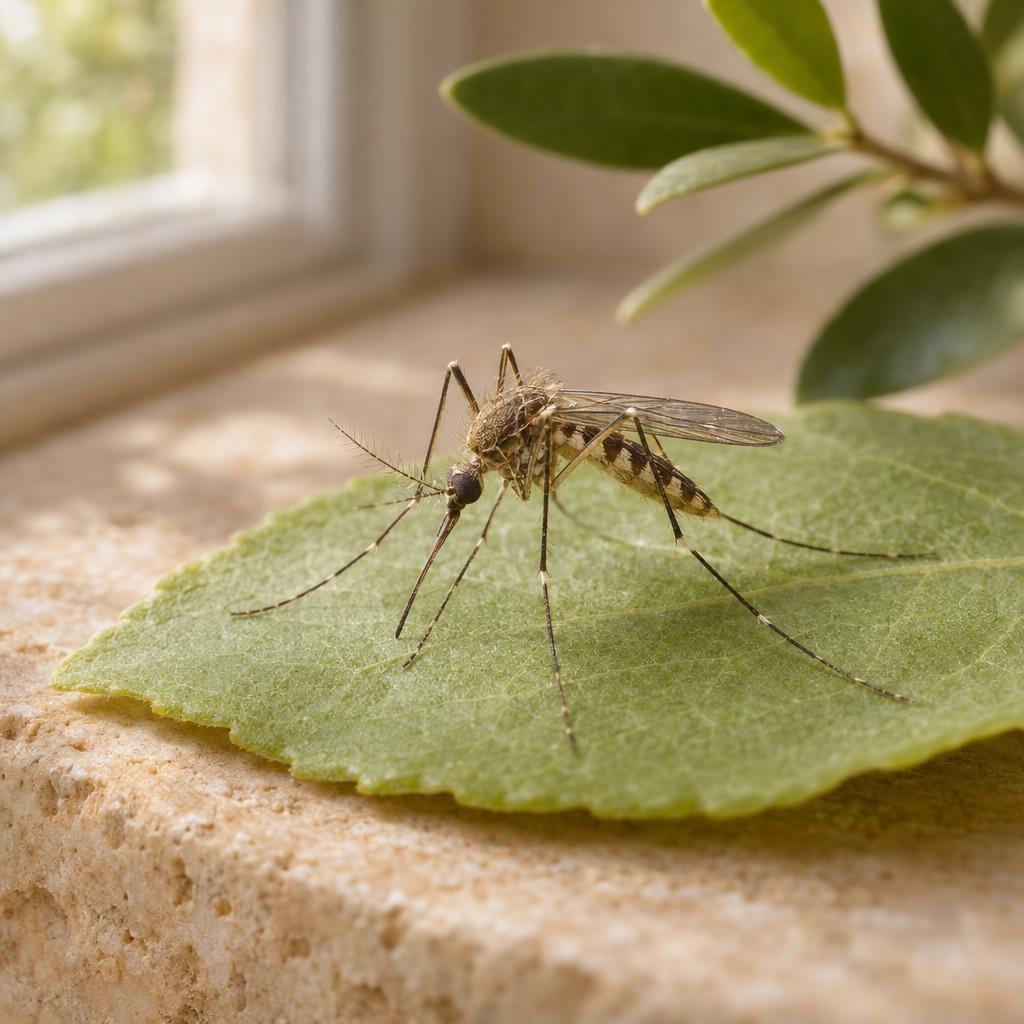
A mosquito on a leaf, yatush

On the label or sign

דוחה יתושים
mosquito repellent
קוטל יתושים
mosquito killer
הגנה מיתושים
mosquito protection

יתושMosquito

yatush

US English

Mosquito

UK English

Mosquito

What it is

A yatush is a mosquito, a slender flying insect with long legs and a projecting proboscis. Only female mosquitoes take blood, and an infected mosquito can transmit West Nile virus.

The difference

Most mosquito bites cause only local irritation, and a yatush is not automatically infected. Standing water in saucers, buckets, gutters, tyres, and ornamental water is where mosquitoes breed.

Common mistake

Do not call every tiny fly a yatush; drain standing water, use repellent and screens, and report public standing water to the local authority, commonly through 106.
יתוש־יום טיגריסי / יתוש הטיגריס האסייתיAsian tiger mosquito

yatush-yom tigrisi / yatush ha-tigris ha-asyati

US English

Asian tiger mosquito

UK English

Asian tiger mosquito

What it is

The yatush ha-tigris ha-asyati is the Asian tiger mosquito, Aedes albopictus, an invasive mosquito established in Israel. The Asian tiger mosquito is small and black with white or silver bands on the legs and bites aggressively, mainly by day and outdoors.

The difference

The Asian tiger mosquito can carry dengue and chikungunya elsewhere, but the presence of the mosquito is not proof of local spread. All 34 Israeli dengue diagnoses reported through 24 July 2025 were acquired abroad.

Common mistake

Do not assume a striped yatush bite in Israel means dengue; prevent bites and follow current Ministry of Health notices.

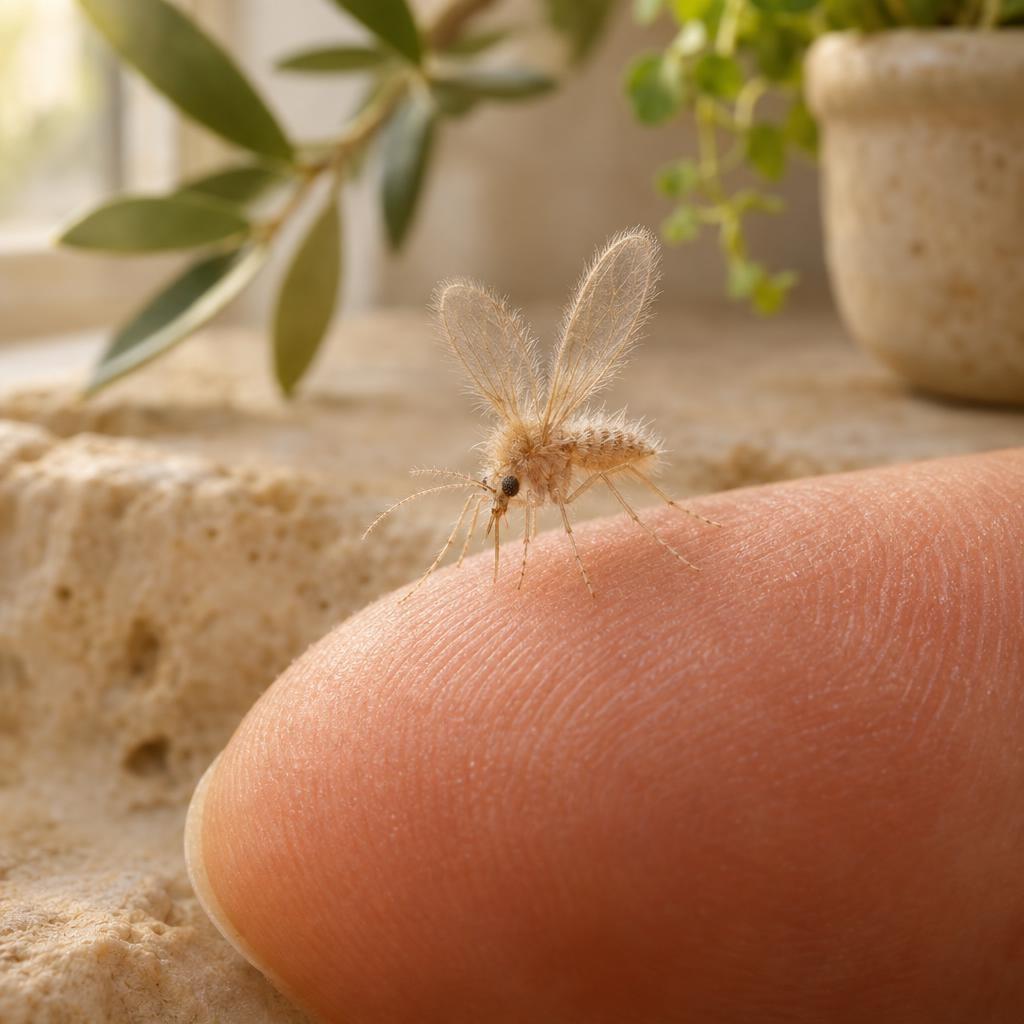
A tiny sand fly on a fingertip, zvuv khol

זבוב חולSand fly

zvuv khol

US English

Sand fly

UK English

Sand fly

What it is

A zvuv khol is a sand fly, a tiny fly much smaller and hairier than a typical mosquito, active around dusk and at night. Infected female sand flies can transmit cutaneous leishmaniasis.

The difference

A zvuv khol is not a mosquito. The popular name שושנת יריחו (shoshanat yericho) names the disease, not the insect, and the risk is focal rather than attached to every fly.

Common mistake

Do not call a zvuv khol a mosquito or call the insect shoshanat yericho; the sand fly is the insect and shoshanat yericho is the skin disease.

יבחוש / ברחשBiting midge

yavkhush / barkhash

US English

Biting midge; no-see-um

UK English

Biting midge

What it is

Yavkhush is the Academy of the Hebrew Language term for the biting midge, Culicoides, and barkhash is a synonym. Biting midges are minute flies, often noticed as a swarm or by their bites.

The difference

The yavkhush is a separate group from mosquitoes and sand flies, even though all three bite.

Common mistake

Do not use gnat, midge, mosquito, and sand fly as interchangeable names; a yavkhush is a biting midge.

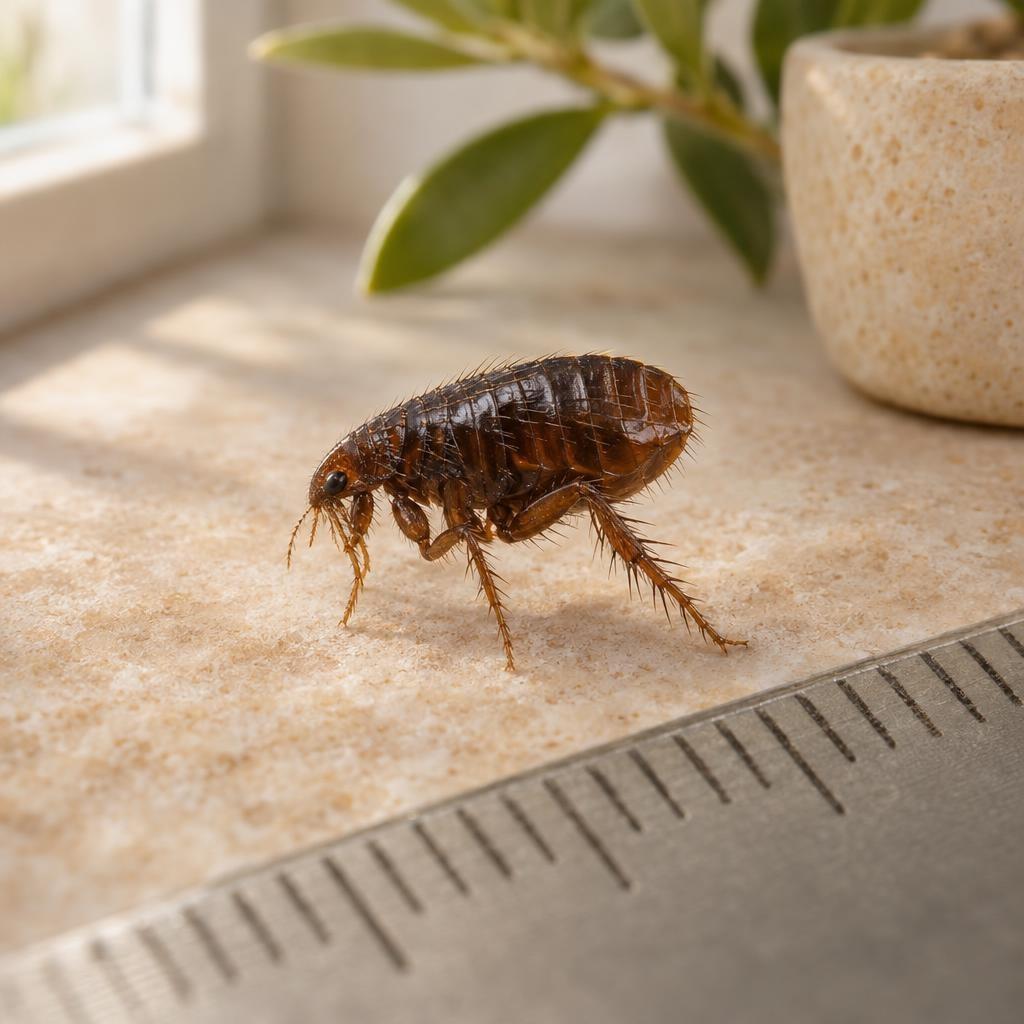
A flea in macro, par'osh

פרעושFlea

par'osh

US English

Flea

UK English

Flea

What it is

A par'osh is a flea, a tiny wingless, jumping blood feeder commonly linked to cats, dogs, and animal resting areas. Flea eggs, larvae, and pupae develop in the environment.

The difference

Bites on a person do not show where a par'osh infestation is. The animal and its surroundings need treatment too.

Common mistake

Do not call a flea a pishpesh, and do not treat only the person while ignoring the animal and the environment.

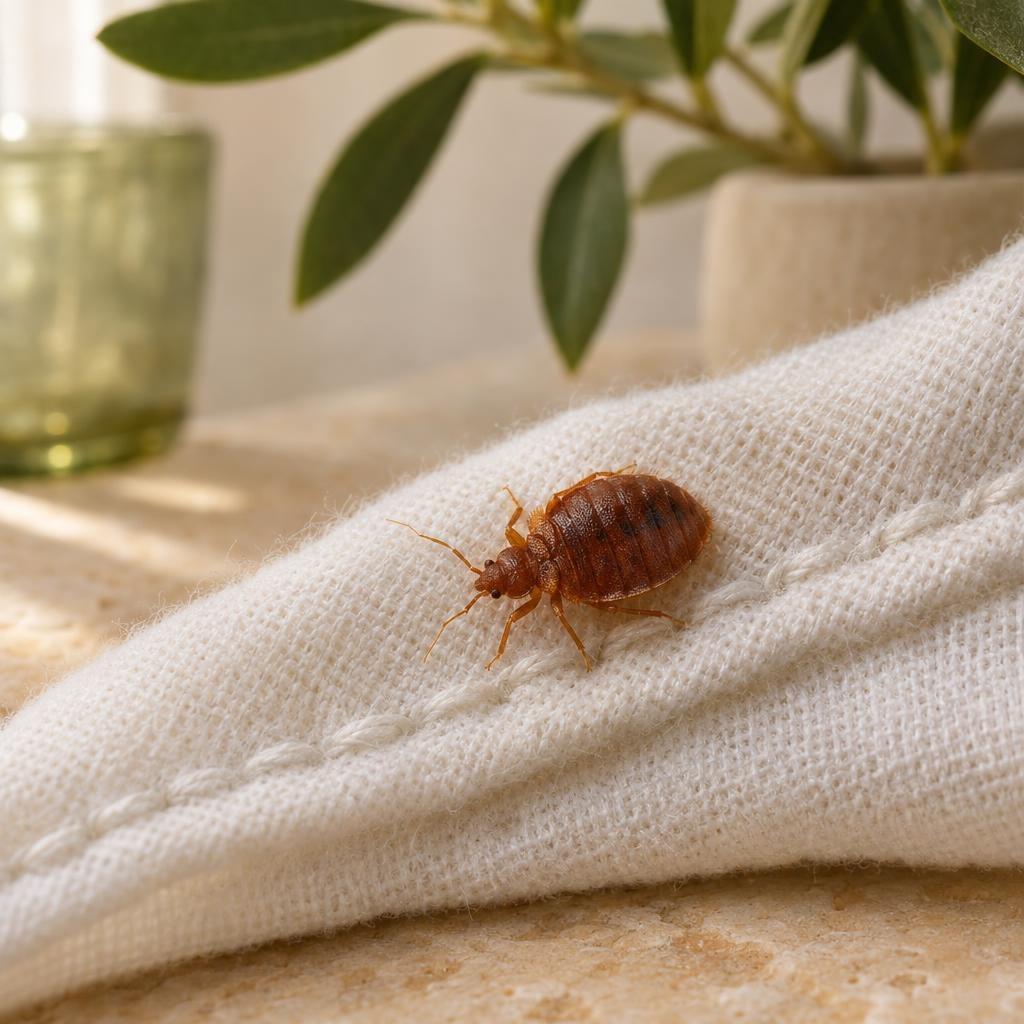
A bed bug on fabric, pishpesh ha-mita

פשפש המיטהBed bug

pishpesh ha-mita

US English

Bed bug

UK English

Bed bug

What it is

Pishpesh ha-mita is the bed bug, a flat, wingless, reddish-brown blood feeder of about 1 to 7 mm that lives around sleeping areas. Bed bugs are not known to transmit disease, but they cause itching, sleep loss, distress, and occasional allergy.

The difference

Pishpesh does not mean flea. Bed bug bites look like mosquito and flea bites, so bites alone do not prove the source.

Common mistake

Do not diagnose bed bugs from bites; check mattress seams, frames, cracks, shed skins, and rusty blood spots, and use a licensed pest professional for a confirmed pishpesh ha-mita infestation.

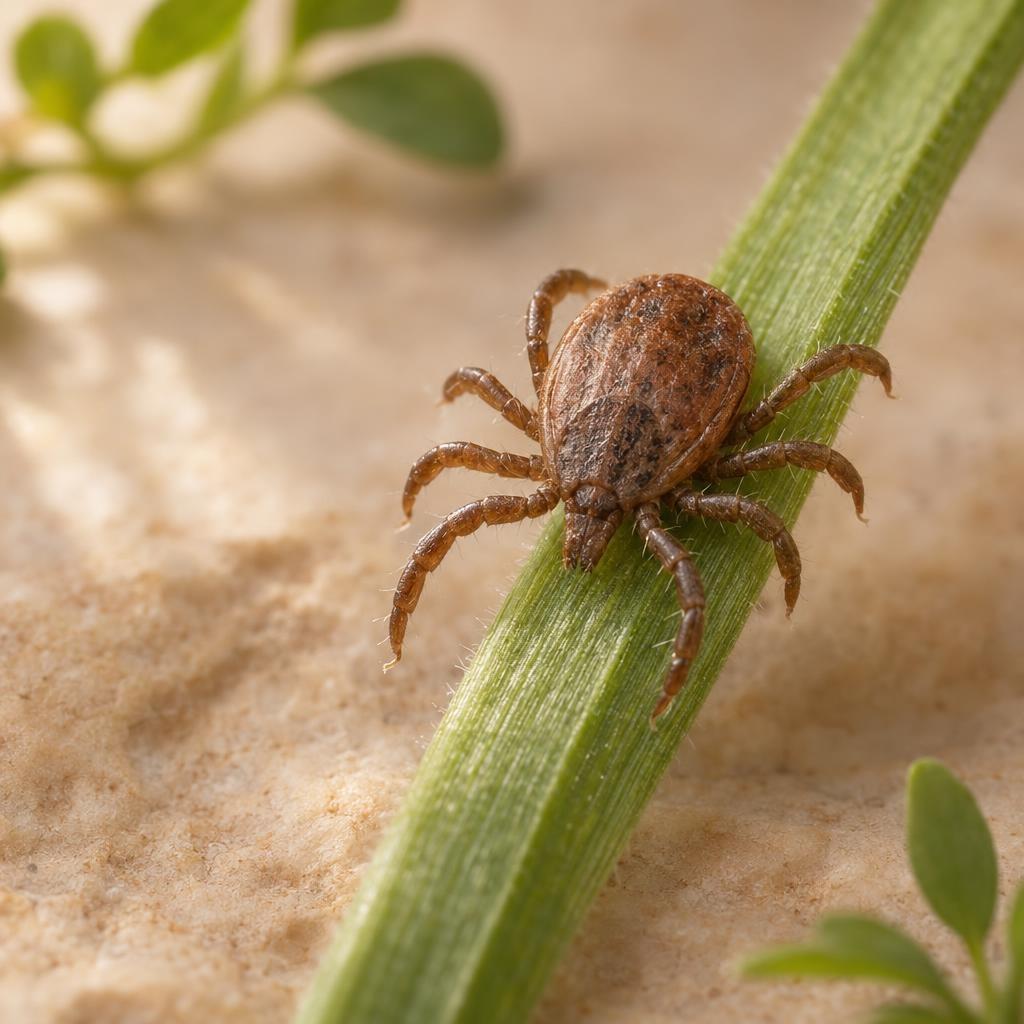
A hard tick on a blade of grass, kartziya

On the label or sign

קרצייה קשה
hard tick
קרצייה רכה
soft tick

קרצייהTick

kartziya

US English

Tick; hard tick or soft tick

UK English

Tick; hard tick or soft tick

What it is

A kartziya is a tick, an eight-legged arachnid, not an insect. Hard ticks are linked to spotted fever risk, and soft ticks in caves, ruins, and burrows can transmit tick-borne relapsing fever, commonly called קדחת המערות (kadakhat ha-me'arot).

The difference

A kartziya is wingless and often found attached, and an engorged tick swells markedly. Tick species identification can be difficult even for experts.

Common mistake

Do not remove a kartziya by burning it or with chemicals, and seek medical assessment if a flu-like fever develops 5 to 21 days after a tick bite.

כינה / קרדית האבקLouse and dust mite

kina / kardit ha-avak

US English

Louse; house dust mite

UK English

Louse; house dust mite

What it is

A kina is a louse, a parasitic insect found on hair close to the scalp. Kardit ha-avak is the house dust mite, a microscopic arachnid linked to warm, humid bedding, mattresses, carpets, curtains, and pillows.

The difference

Dust mite material is an airborne allergen, not a biting dust bug. A kina, a scabies mite, and a dust mite are different problems.

Common mistake

Do not call lice par'oshim, and do not blame a visible crawling pest on kardit ha-avak, because dust mites are too small to see.

Stings, Venom And Allergy

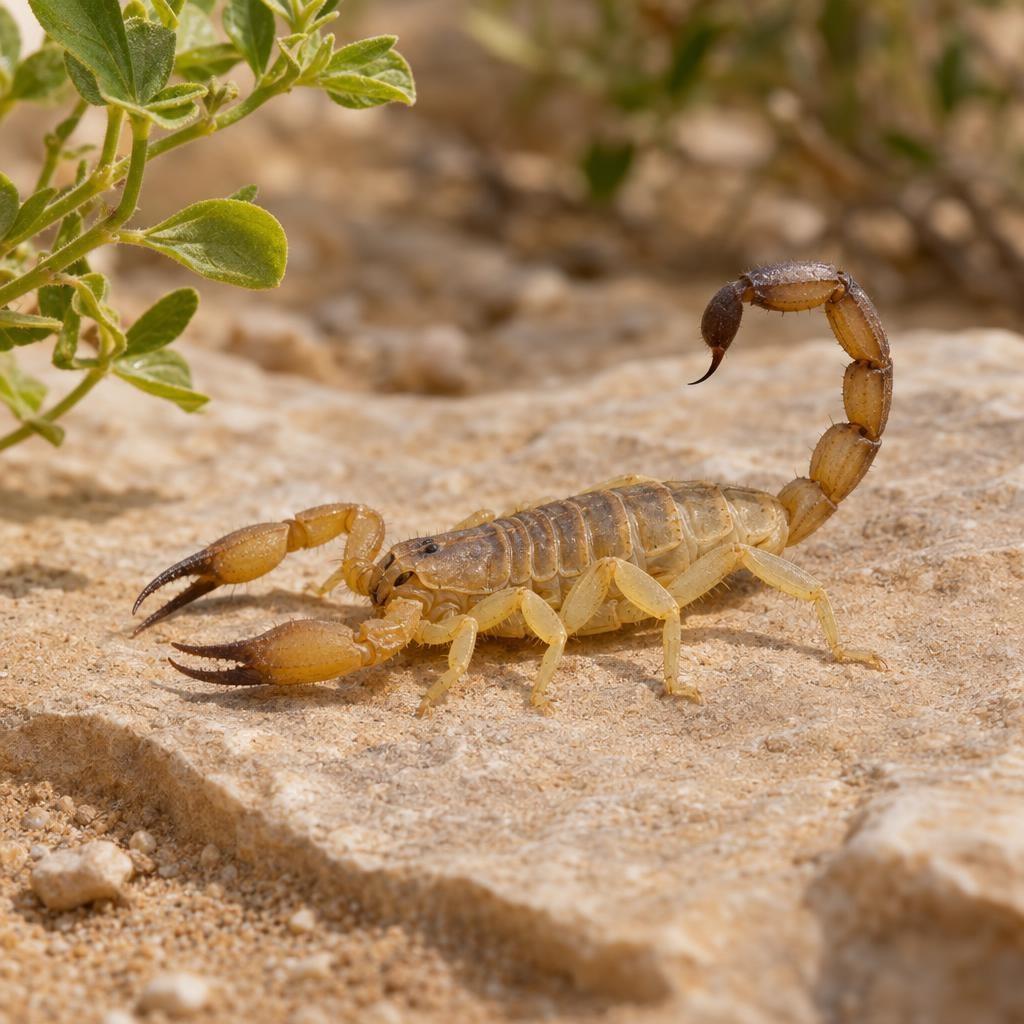
A yellow scorpion on sand, akrav

עקרב / עקצן צהובScorpion

akrav / aktzan tzahov

US English

Scorpion; the dangerous one is the deathstalker

UK English

Scorpion; the dangerous one is the deathstalker

What it is

An akrav is a scorpion, with pincers at the front and a segmented tail ending in a stinger. Only a minority of Israel's roughly 23 scorpion species are considered dangerous, mainly the aktzan tzahov, or yellow deathstalker, and three Androctonus species.

The difference

People say yellow is deadly and black is safe, but more than half of Israeli scorpion species are yellow and dangerous dark species exist. The deathstalker's dark tail segment is not a reliable test either.

Common mistake

Do not try to catch or identify an akrav by color; after any scorpion sting, call MDA 101 and get immediate hospital care.

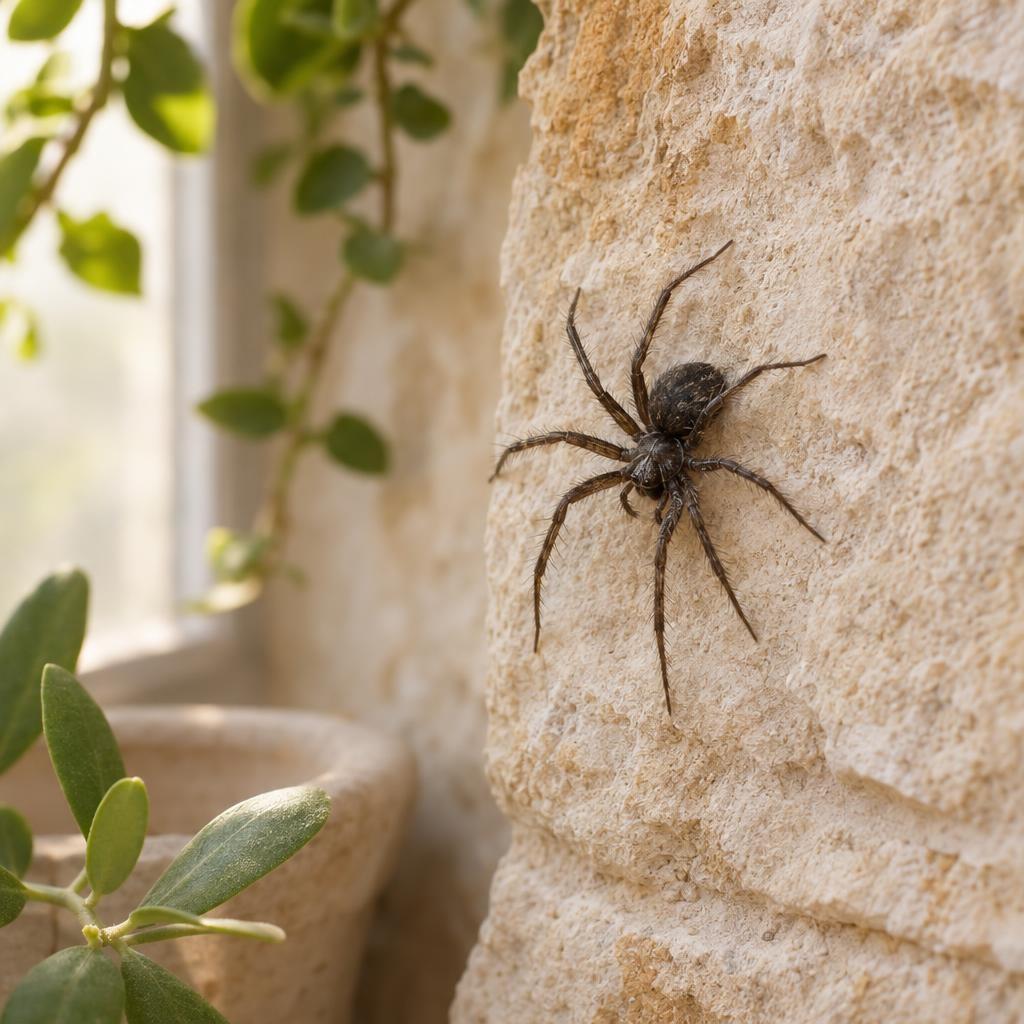
A small black spider on a wall, akavish

עכביש / ששן חום / אלמנה שחורהSpider, recluse, black widow

akavish / shashan khum / almana shkhora

US English

Spider; Mediterranean recluse; black widow

UK English

Spider; Mediterranean recluse; black widow

What it is

An akavish is a spider, an eight-legged arachnid. The Steinhardt Museum names the recluse, shashan khum, and the black widow, almana shkhora, as Israel's two spiders capable of medically significant harm.

The difference

Most household akavish species are harmless or helpful. The brown widow and the large black פרוונית שחורה (parvanit shkhora) are not the same as a black widow.

Common mistake

Do not diagnose a spider bite without seeing the akavish, and do not name a dangerous species from color or a skin mark.

דבורת דבשHoney bee

dvorat dvash

US English

Honey bee

UK English

Honey bee

What it is

Dvorat dvash is the honey bee, a social bee and pollinator that is hairier and generally browner than a yellow-and-black wasp. A honey bee sting is usually local.

The difference

Severe allergy or many stings can be dangerous. Breathing difficulty, facial or throat swelling, weakness, or another severe reaction after a sting is an emergency.

Common mistake

Do not use dvora for every yellow stinging insect, and call 101 for a severe reaction after a dvorat dvash sting.

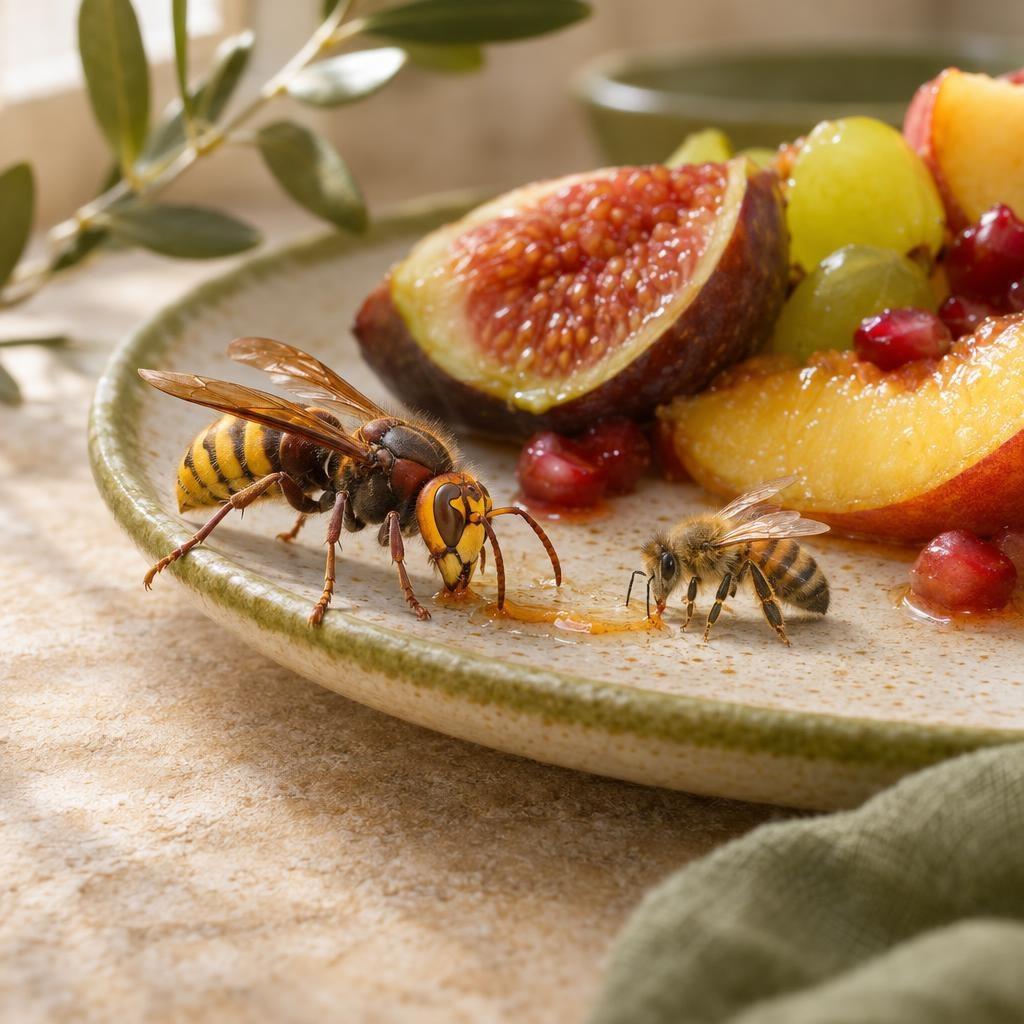
A hornet beside a honey bee on fruit, tzir'a

צרעה / דבור / צרעה מזרחיתWasp and Oriental hornet

tzir'a / dabor / tzir'a mizrakhit

US English

Wasp; Oriental hornet

UK English

Wasp; Oriental hornet

What it is

A tzir'a is a wasp. In Israeli usage a dabor commonly means the Oriental hornet, a large reddish-brown insect with yellow markings, while the German wasp is smaller with a strong yellow and black pattern.

The difference

Dabor does not mean a male bee and is not the same word as dvora. Oriental hornets and German wasps are aggressive around food and nests in summer and are drawn to fruit, water, and meat scraps.

Common mistake

Do not confuse dabor with dvora or assume a tzir'a cannot sting again; allergy and multiple stings are the main danger.

נמלת האש הקטנהLittle fire ant

nimlat ha-esh ha-ktana

US English

Little fire ant

UK English

Little fire ant

What it is

Nimlat ha-esh ha-ktana is the little fire ant, Wasmannia auropunctata, a tiny invasive ant whose sting causes intense burning pain. Workers are about 1 to 1.5 mm, orange-red, and favor warm, humid gardens and plant material.

The difference

The little fire ant is tiny, not a large red ant. Infested nursery plants spread nimlat ha-esh, and the government inspection data warns that a negative result is true only for the inspection date.

Common mistake

Do not look for a big red ant or treat a negative nursery test as a guarantee; check new plants for nimlat ha-esh ha-ktana.

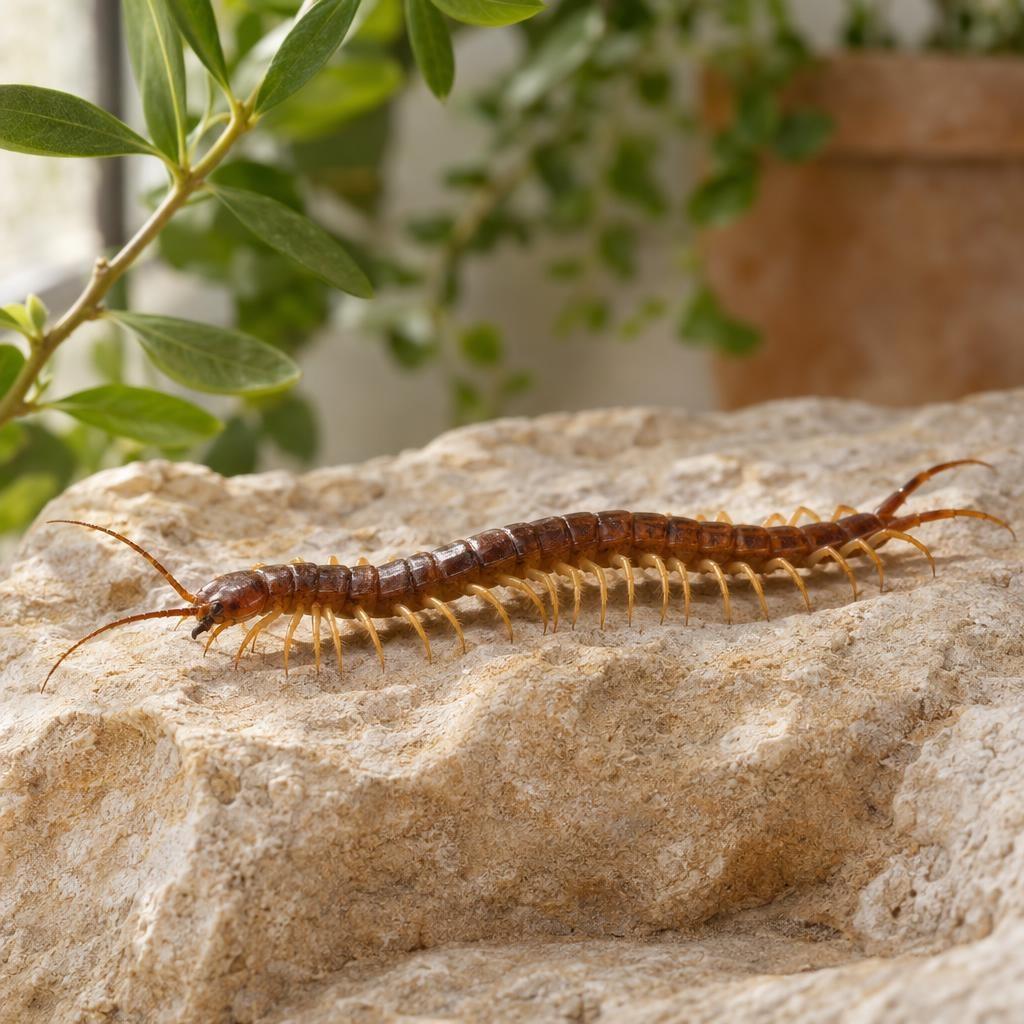
A centipede on a stone, nadal

נדלCentipede

nadal

US English

Centipede

UK English

Centipede

What it is

A nadal is a centipede, a fast predatory animal with a flattened body and one pair of legs per segment. A large nadal can bite painfully.

The difference

A centipede bite is painful, but the Ministry of Health page does not put the nadal in the same automatic 101 pathway as a snakebite or scorpion sting.

Common mistake

Do not call every many-legged animal a nadal; a millipede is slower and rounder, with two leg pairs per segment.

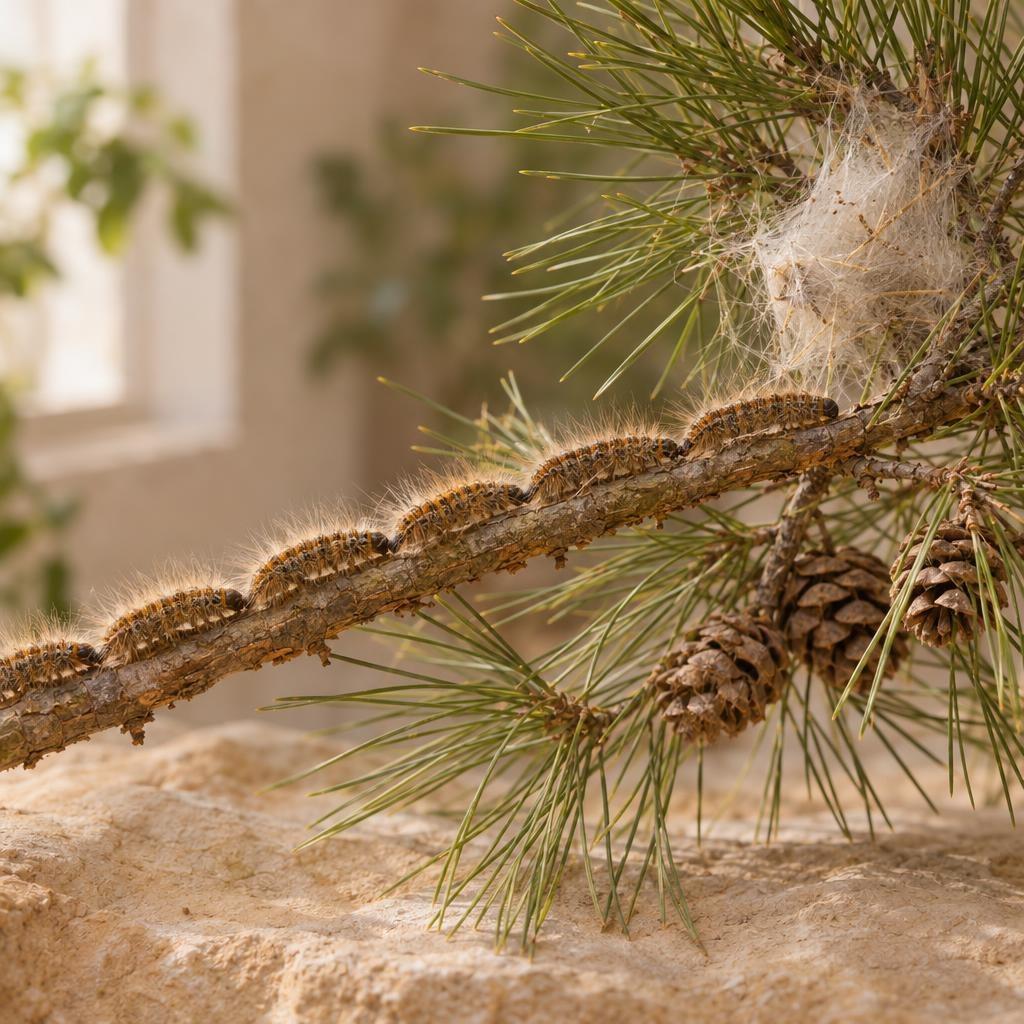
Pine processionary caterpillars in a line on a branch

תהלוכן האורן / טוואי התהלוכהPine processionary caterpillar

tahalukhon ha-oren / tavai ha-tahalukha

US English

Pine processionary moth or caterpillar

UK English

Pine processionary moth or caterpillar

What it is

Tahalukhon ha-oren is the pine processionary moth, whose late-stage caterpillars carry irritating hairs. Contact can cause skin, eye, and breathing reactions, and severe symptoms need emergency care.

The difference

The tahalukhon is not an ordinary fuzzy caterpillar. Silk nests appear on pine trees in winter, and the Tel Aviv municipality describes caterpillars descending in nose-to-tail lines around March and April.

Common mistake

Do not let children or dogs touch tahalukhon caterpillars, nests, or shed hairs.

נחשSnake

nakhash

US English

Snake

UK English

Snake

What it is

A nakhash is a snake. A nakhash is not a bug or a sanitary pest, but any snakebite is an emergency.

The difference

Photos, head shape, and color are not a safe way for a layperson to judge a snakebite. The Hebrew word for a snakebite is הכשה (hakhasha).

Common mistake

Do not wait to identify the nakhash or try to catch it; keep the person calm and still, call MDA 101, and do not cut, suck, cool, or apply a tourniquet.

Home, Pantry And Property Pests

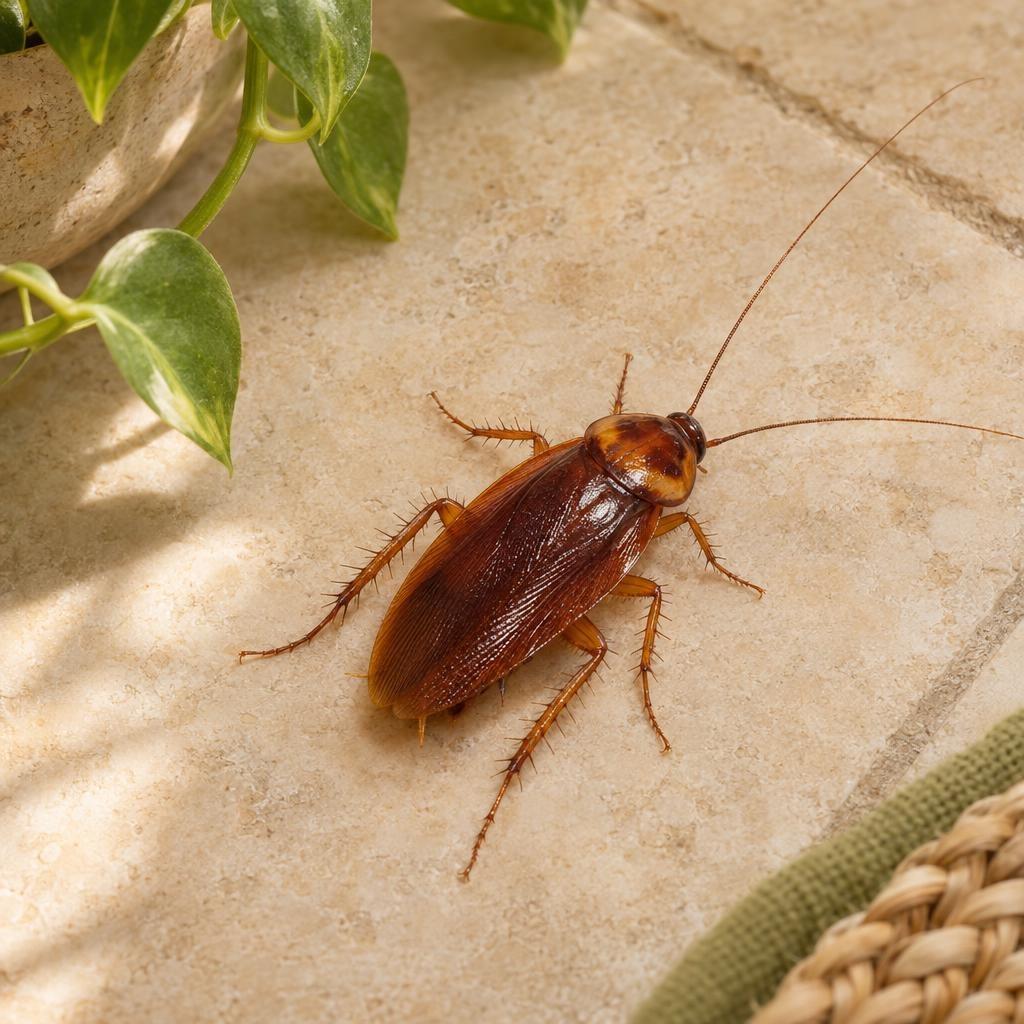
A cockroach on a tile floor, juk

On the label or sign

קוטל תיקנים (ג׳וקים)
cockroach killer
פיתיון ג׳ל
gel bait
תחנת פיתיון
bait station

ג׳וק / תיקןCockroach

juk / tikan

US English

Cockroach; roach

UK English

Cockroach

What it is

Juk is the everyday word for cockroach, and tikan is the precise term. Israel's household list names the American, German, and brown-banded cockroaches, which are sanitation and allergen concerns, not venomous animals.

The difference

English bug is much wider than juk. The American cockroach is large and reddish-brown and often in drains, while the German cockroach is small and tan with two dark stripes and is often in kitchens.

Common mistake

Do not translate bug as juk, and identify the tikan before you choose a control method.

On the label or sign

זבובים
flies
חרקים מעופפים
flying insects

זבוב הביתHouse fly

zvuv ha-bayit

US English

House fly

UK English

House fly

What it is

Zvuv ha-bayit is the house fly, a medium grey fly found around food, bins, manure, and waste. Israeli law lists the house fly among disease-transmitting sanitary pests.

The difference

The zvuv ha-bayit does not bite, even when it lands on skin. Shelf wording usually says flies or flying insects, not a specific species.

Common mistake

Do not use yatush for any fly; a zvuv ha-bayit is a fly, not a mosquito.

יתוש־עשDrain fly

yatush-ash

US English

Drain fly; moth fly

UK English

Drain fly; moth fly

What it is

A yatush-ash is a drain fly, a tiny fuzzy fly with broad hairy wings linked to the wet film inside drains. A yatush-ash often rests on bathroom or kitchen walls near a drain.

The difference

The yatush-ash is not a sand fly, even though both belong to the broad moth fly family, and despite the name the yatush-ash is not a mosquito.

Common mistake

Do not assume every fuzzy bathroom fly is a disease-carrying sand fly; a yatush-ash points to a dirty drain.

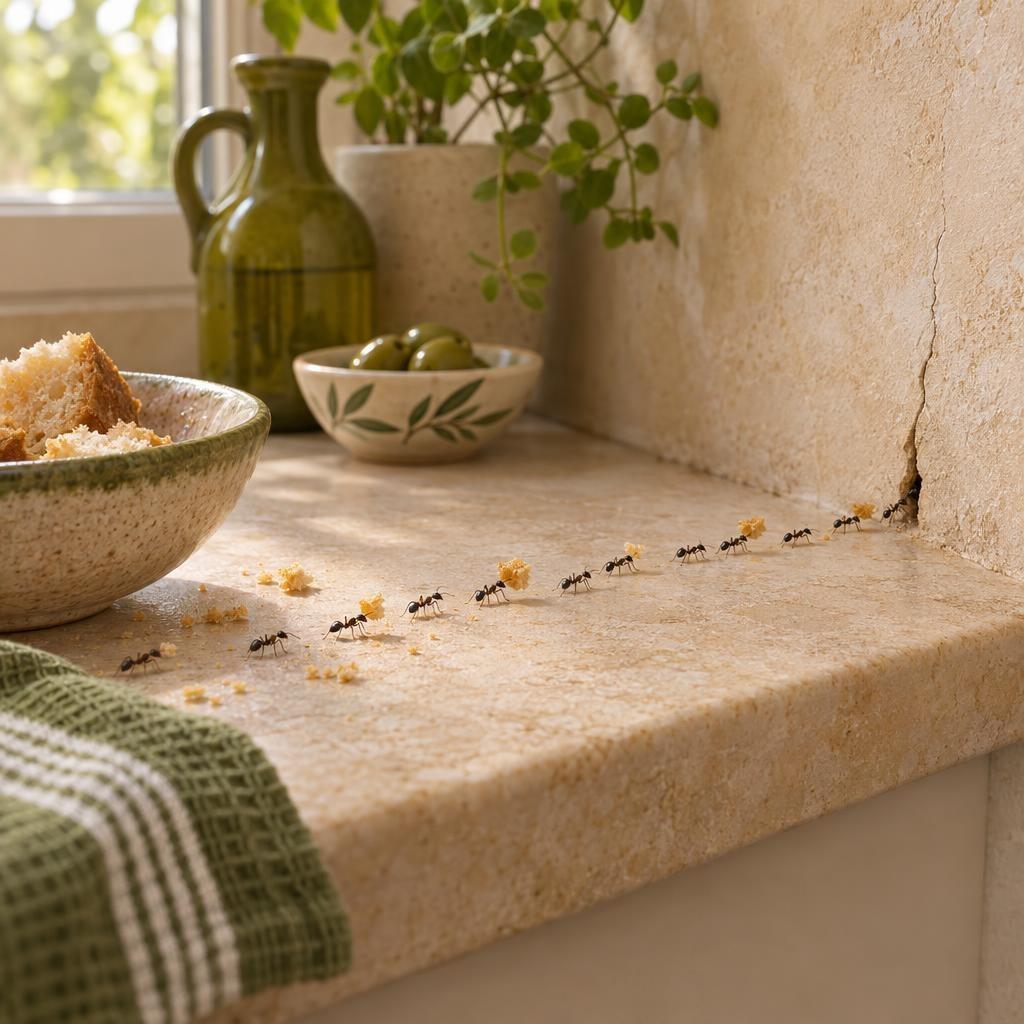
A line of ants on a kitchen counter, nemala

On the label or sign

קוטל נמלים
ant killer

נמלהAnt

nemala

US English

Ant

UK English

Ant

What it is

A nemala is an ant, with a narrow waist, often seen in trails to food or water. Ordinary indoor ants are usually a food or nuisance problem.

The difference

Nemala is a broad word. The little fire ant, nimlat ha-esh ha-ktana, is one specific stinging invasive species, and shelf labels separate general ant killers from fire ant products.

Common mistake

Do not treat every nemala as a fire ant or buy a fire ant product for an unidentified kitchen trail.

On the label or sign

מונע עש
moth preventer
דוחה עש
moth repellent

עש הבגדיםClothes moth

ash ha-bgadim

US English

Clothes moth

UK English

Clothes moth

What it is

Ash ha-bgadim is the clothes moth. The larvae, not the adults, damage wool, fur, feathers, carpets, upholstery, and other animal fibres.

The difference

The ash ha-bgadim is not the kitchen pantry moth. Look for larvae, silk, cases, and irregular holes in dark, undisturbed natural-fibre items.

Common mistake

Do not blame the flying adult for the holes or confuse ash ha-bgadim with ash ha-mazon; find the larvae in the fabric.

A pantry moth on a flour jar, ash ha-mazon

עש המזון / עש הקמח ההודיPantry moth

ash ha-mazon / ash ha-kemakh ha-hodi

US English

Pantry moth; Indianmeal moth

UK English

Pantry moth; Indian meal moth

What it is

Ash ha-mazon is the pantry moth, and ash ha-kemakh ha-hodi is the Indianmeal moth. The larvae infest dry foods such as flour, grains, cereal, nuts, dried fruit, chocolate, and pet food and leave silk webbing.

The difference

Ash ha-mazon is a food pest, not a clothes moth. Israeli food safety advice says web-like threads and small insects mean a product is not in proper condition.

Common mistake

Do not just spray the kitchen; find and throw away the infested package, and do not call ash ha-mazon ash ha-bgadim.

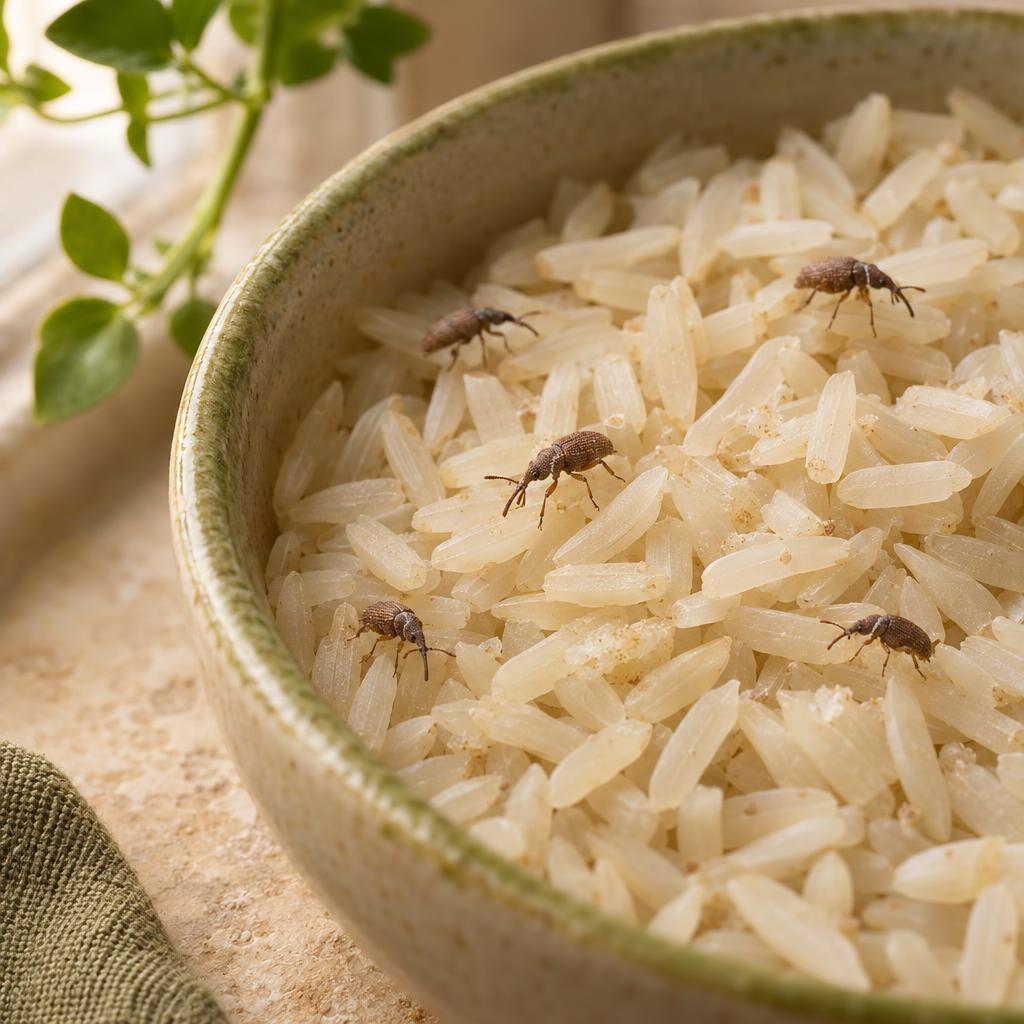
Rice weevils crawling on rice grains, khadkonit

חדקונית האורז / חיפושיות מחסןRice weevil and pantry beetles

khadkonit ha-orez / khipushiyot makhsan

US English

Rice weevil; pantry beetles

UK English

Rice weevil; stored-product beetles

What it is

Khadkonit ha-orez is the rice weevil, a beetle with a snout that develops inside whole kernels. Khipushiyot makhsan are stored-food beetles found in rice, grains, flour, pasta, spices, nuts, and cupboards.

The difference

Not every pantry beetle is a weevil. Round exit holes in whole kernels point toward a grain weevil, and species identification from a phone photo is often unreliable.

Common mistake

Do not assume the khadkonit got in only after purchase, and do not call every pantry beetle a weevil.

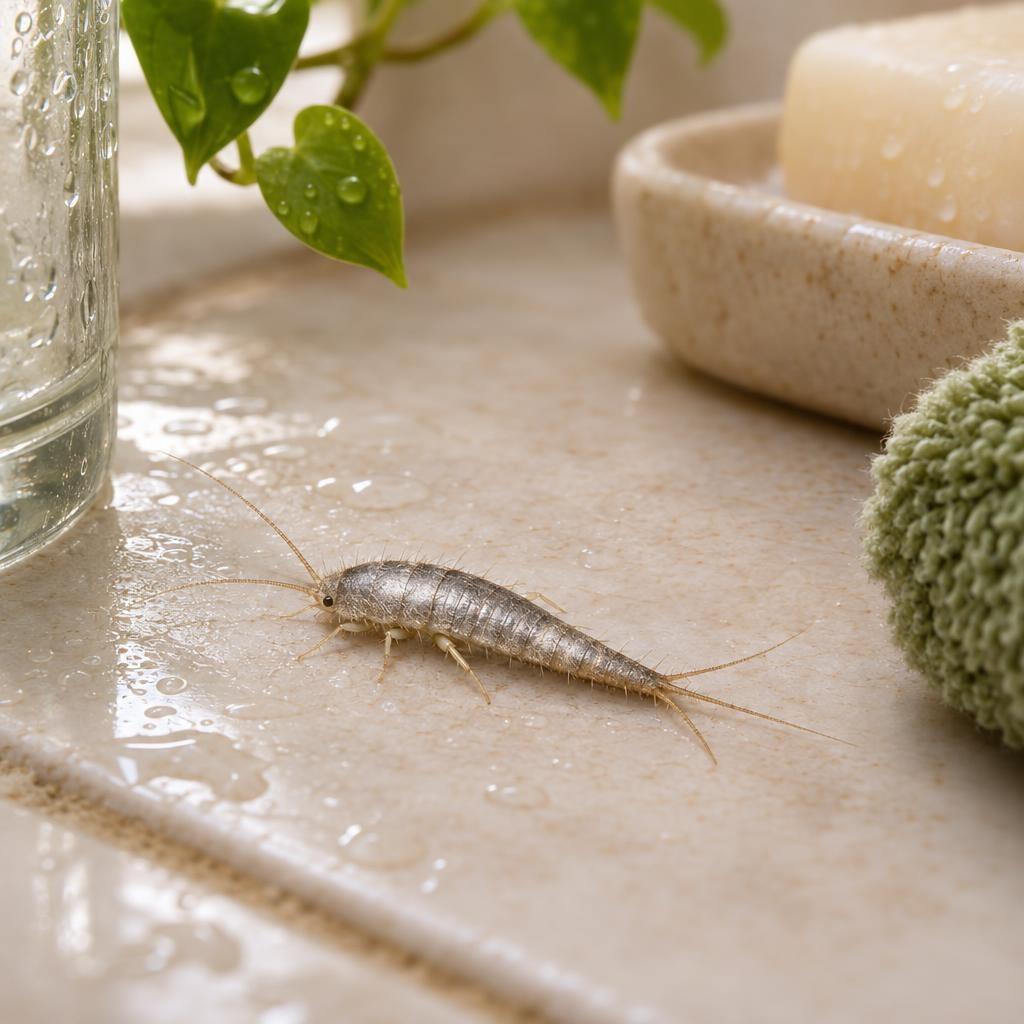
A silverfish on a tile, dag ha-kesef

דג הכסףSilverfish

dag ha-kesef

US English

Silverfish

UK English

Silverfish

What it is

Dag ha-kesef is the silverfish, a silvery, tapered, wingless insect of about 12 mm with long antennae and three tail filaments. A dag ha-kesef eats starches, paste, paper, and some textiles and is harmless to people.

The difference

The dag ha-kesef is an insect, not anything related to fish. The silverfish loves moisture and moves fast at night in bathrooms, kitchens, cupboards, and books.

Common mistake

Do not mistake a dag ha-kesef for a dangerous centipede; fix the moisture and the silverfish problem shrinks.

פסוקאי / כינת ספריםBooklouse

psokai / kinat sfarim

US English

Booklouse; psocid

UK English

Booklouse; psocid

What it is

A psokai, or kinat sfarim, is a booklouse, a soft-bodied insect usually under 5 mm that feeds on mold, fungi, starches, and bookbinding glue. Booklice are harmless to people.

The difference

Kinat sfarim contains the word kina, louse, but a booklouse is not a human louse. Many booklice usually point to moisture or mold in books, cardboard, plaster, or cupboards.

Common mistake

Do not treat kinat sfarim as head lice or expect insecticide alone to help; fix the moisture source.

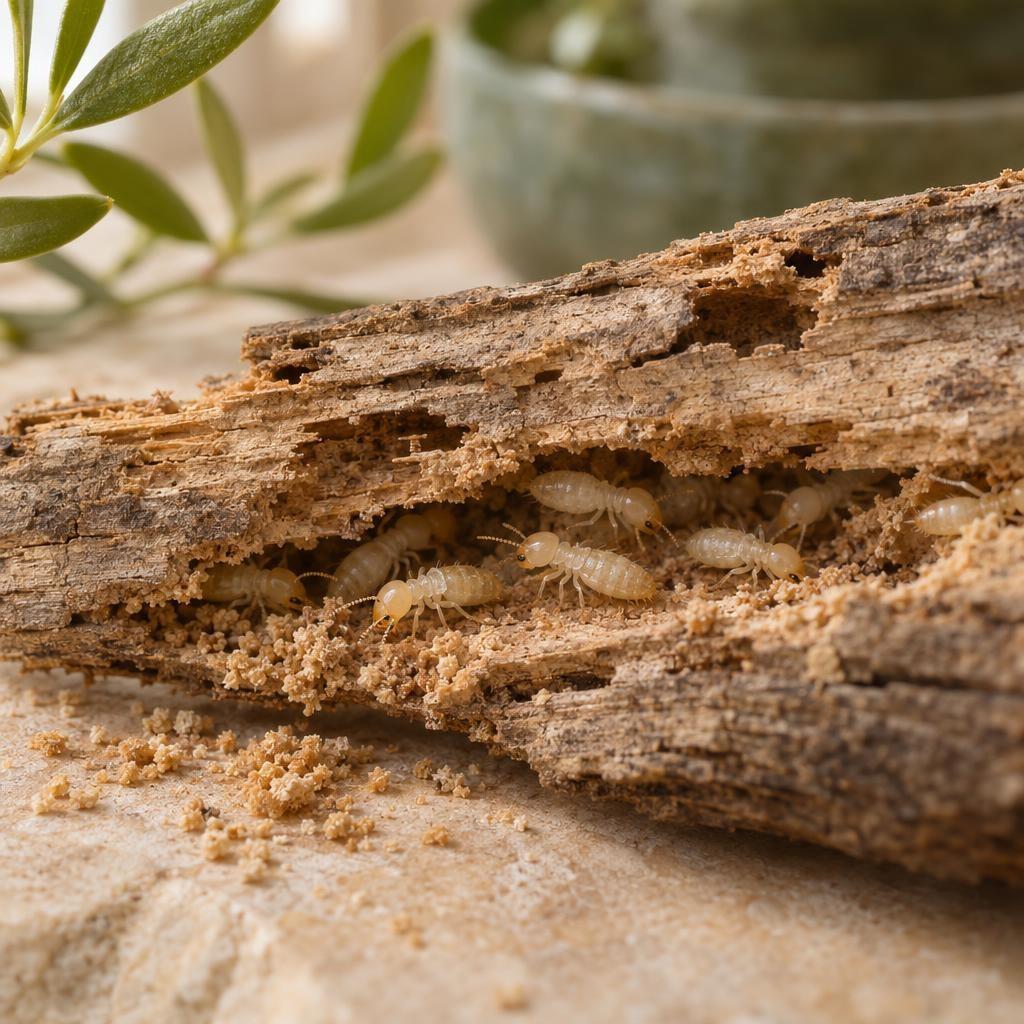
Termites in a gnawed channel of wood, termit

טרמיטTermite

termit

US English

Termite

UK English

Termite

What it is

A termit is a termite, a social insect that feeds on wood and cellulose. Structural infestations damage property, and the invasive Formosan subterranean termite is a major infrastructure threat but does not harm human health.

The difference

Winged termites are often mistaken for flying ants. Ants have elbowed antennae and a pinched waist, while a termit has straighter antennae and a broader waist.

Common mistake

Do not call winged termites flying ants or move infested timber; leave identification of the Formosan termit to a professional.

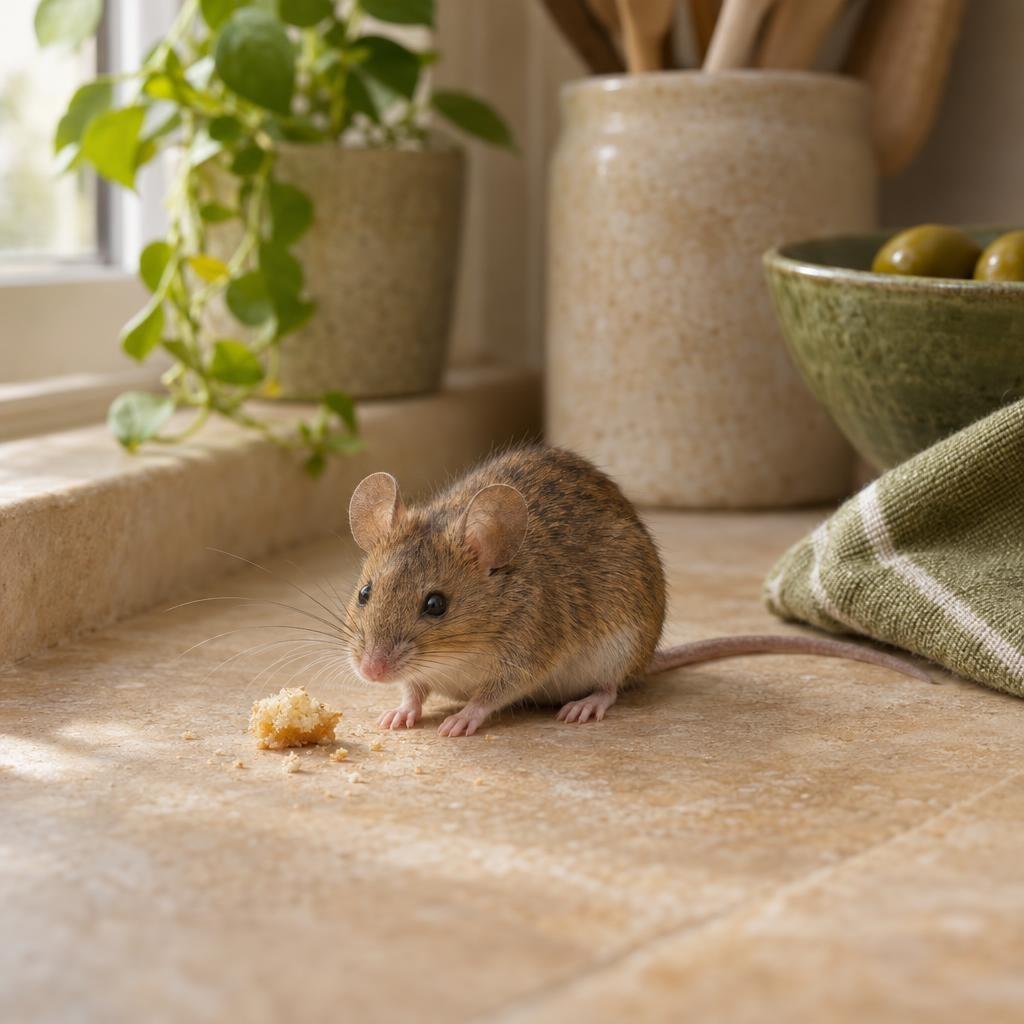
A house mouse on a kitchen floor, akhbar

On the label or sign

מלכודת
trap

עכבר מצוי / חולדת החוף / חולדה מצויהHouse mouse and rats

akhbar matsui / khuldat ha-khof / khulda metsuya

US English

House mouse; Norway rat; roof rat

UK English

House mouse; brown rat; black rat

What it is

Akhbar matsui is the house mouse, khuldat ha-khof is the Norway or brown rat, and khulda metsuya is the roof or black rat. These are the three main urban rodents in the Israeli pest schedule.

The difference

Brown rats commonly use ground-level burrows and sewers, while black rats are agile climbers. The risk from rodents is contamination, gnawing, and infestation.

Common mistake

Do not call every rodent an akhbar; an akhbar is a mouse, and a khulda is a rat.

Garden Pests And Harmless Lookalikes

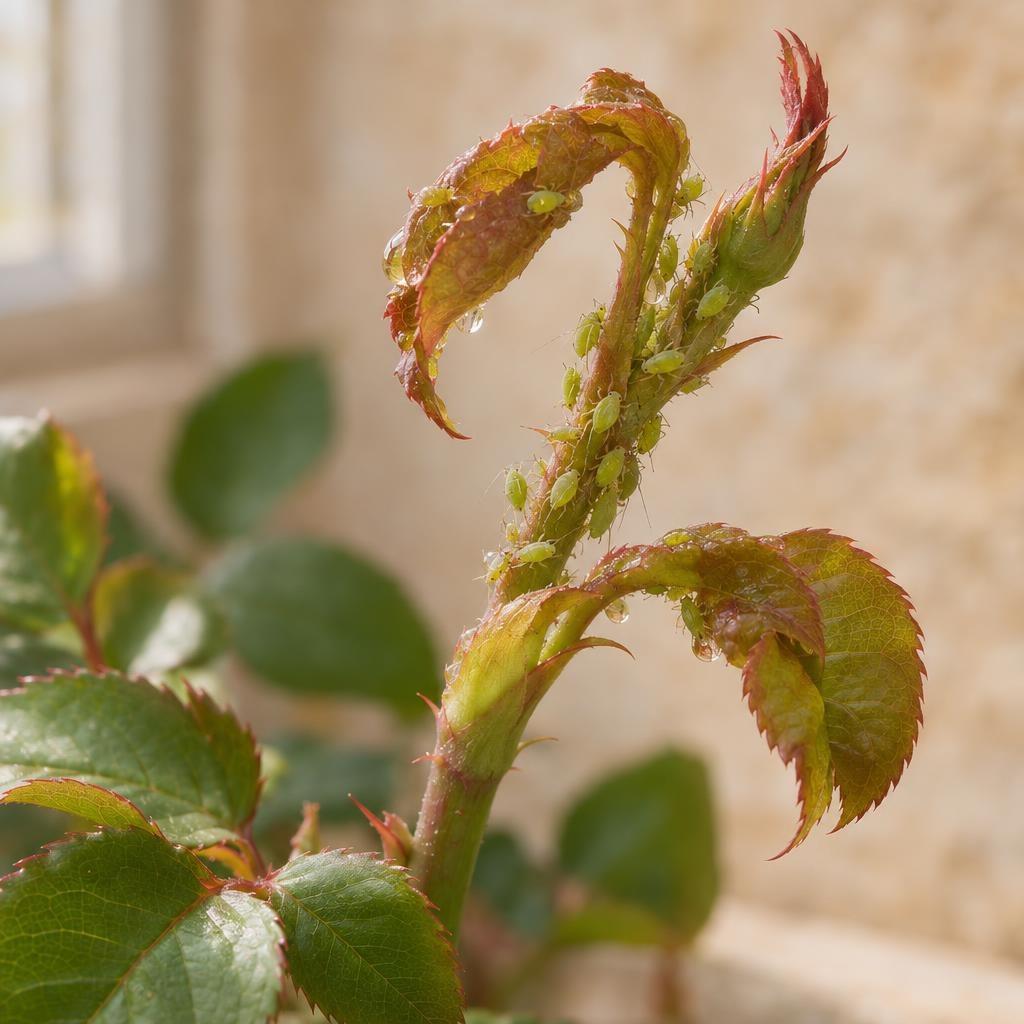
Green aphids on a rose shoot, knimot aleh

כנימות עלהAphids

knimot aleh

US English

Aphids

UK English

Aphids; greenfly or blackfly

What it is

Knimot aleh are aphids, soft, pear-shaped sap-feeding insects about 1 to 5 mm long that cluster on new growth. Aphids excrete sticky honeydew on which black sooty mold grows.

The difference

Knimot aleh are a plant problem, not a human health hazard. Aphids are especially linked to spring and can return in autumn.

Common mistake

Do not translate knima as a human louse, and check whether natural enemies are already controlling the knimot aleh before you spray.

כנימת עש / כנימה קמחית / כנימת מגן / אקרית קוריםWhitefly, mealybug, scale, mite

knimat ash / knima kemakhit / knimat magen / akarit kurim

US English

Whitefly; mealybug; scale insect; spider mite

UK English

Whitefly; mealybug; scale insect; spider mite

What it is

Knimat ash is the whitefly, knima kemakhit the mealybug, knimat magen the scale insect, and akarit kurim the spider mite. All four are sap-feeding garden pests, not human parasites.

The difference

Whiteflies are tiny white winged insects, mealybugs have white wax, scales form fixed bumps, and the akarit kurim is an arachnid that causes stippling and fine webbing.

Common mistake

Do not call all four groups aphids, and do not confuse the akarit kurim with a mite that bites people.

תסיסנית / זבוב הפירות הים־תיכוניVinegar fly and Medfly

tasisanit / zvuv ha-perot ha-yam-tikhoni

US English

Vinegar or fruit fly; Mediterranean fruit fly

UK English

Fruit fly or vinegar fly; Mediterranean fruit fly

What it is

A tasisanit is the tiny kitchen vinegar fly that hovers around fermenting produce and drains. Zvuv ha-perot ha-yam-tikhoni is the Mediterranean fruit fly, a garden and farm pest whose female lays eggs in fruit.

The difference

English fruit fly covers both, but they are separate insects. Mediterranean fruit fly damage starts inside fruit, with punctures, larvae, and rot, and the medfly attacks hundreds of host plants.

Common mistake

Do not assume a kitchen tasisanit came from intact garden fruit; the tasisanit follows overripe fruit.

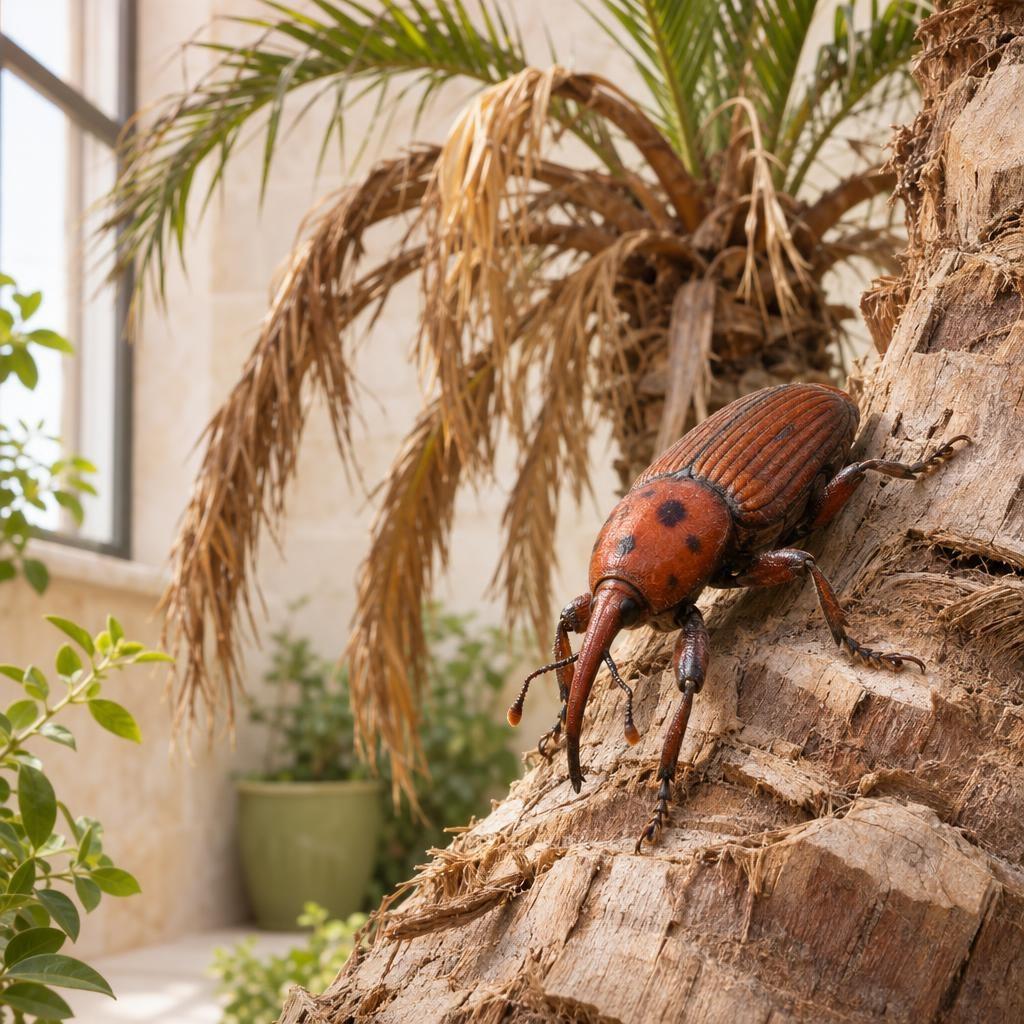
A red palm weevil on a palm trunk

חדקונית הדקל האדומהRed palm weevil

khadkonit ha-dekel ha-aduma

US English

Red palm weevil

UK English

Red palm weevil

What it is

Khadkonit ha-dekel ha-aduma is the red palm weevil, an invasive palm pest. The adult is a large reddish-orange weevil with a long snout, and the larvae tunnel inside palms.

The difference

The red palm weevil does not bite people. Damage may show only after serious internal injury, through weakening, holes, chewed fibres, a fermented smell, or collapse.

Common mistake

Do not wait for the crown to collapse; ask a professional to assess a palm with signs of khadkonit ha-dekel.

רב־רגל / טחביתMillipede and woodlouse

rav-regel / takhbit

US English

Millipede; pill bug or sowbug

UK English

Millipede; woodlouse

What it is

A rav-regel is a millipede, a slow decomposer with two leg pairs per segment that often curls up. A takhbit is a pill bug or woodlouse, a crustacean with armored plates.

The difference

The rav-regel and the takhbit are not insects and not venomous. Both live in damp leaf litter and appear after rain.

Common mistake

Do not mistake a rav-regel for a centipede or treat a few outdoor takhbit as a dangerous infestation.

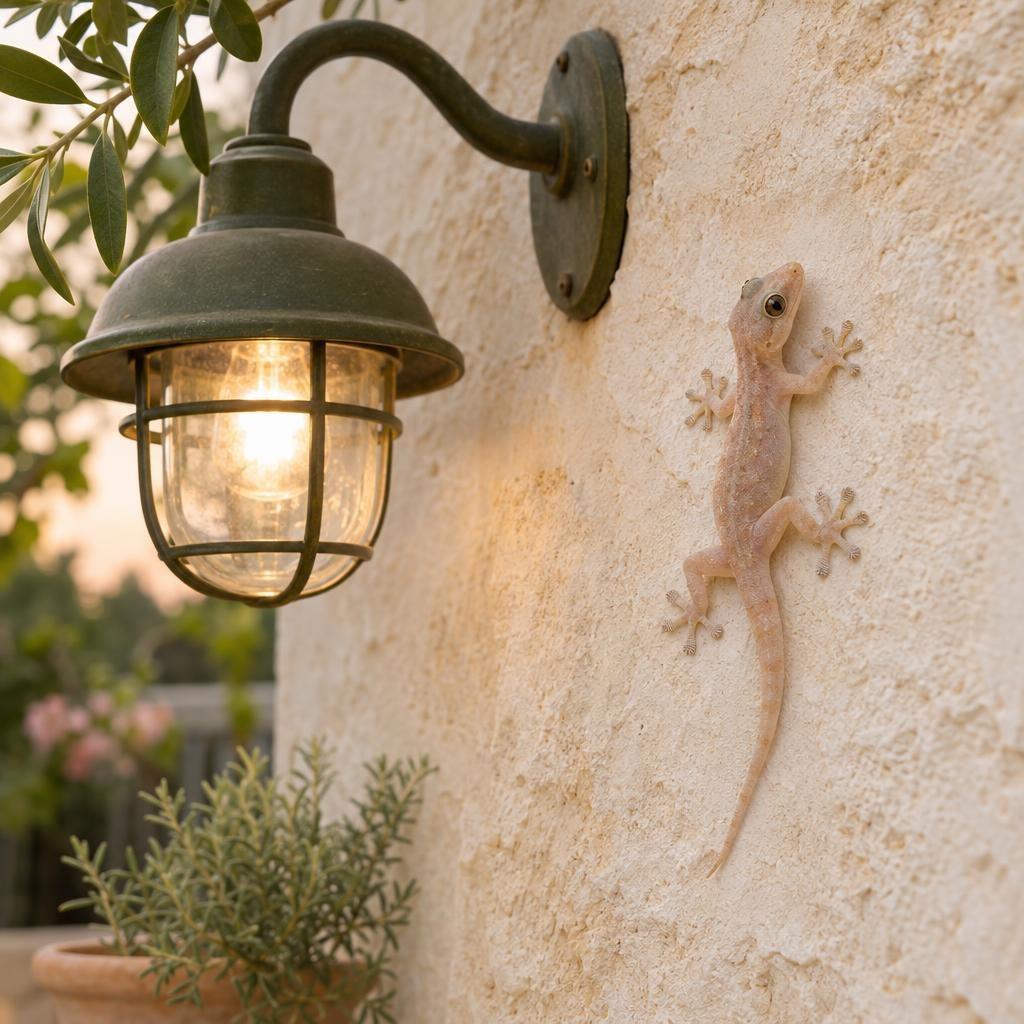
A house gecko on a wall near a lamp, shmamit

שממיתHouse gecko

shmamit

US English

House gecko

UK English

House gecko

What it is

A shmamit is the house gecko, a small harmless lizard that climbs walls and ceilings, often at night. A shmamit eats mosquitoes and other insects.

The difference

The shmamit is not an insect or a pest. Toe pads give the house gecko a splayed-foot look.

Common mistake

Do not call a shmamit poisonous or spray pesticide for one; the house gecko helps control insects.

עכבישי בית מועיליםHelpful house spiders

akavishei bayit mo'ilim

US English

Beneficial house spiders

UK English

Beneficial house spiders

What it is

Akavishei bayit mo'ilim are helpful house spiders such as jumping spiders, spitting spiders, and cellar spiders. These house spiders commonly prey on cockroach nymphs, moths, and beetle larvae.

The difference

Akavishei bayit are not the black widow or the recluse. Jumping spiders have large forward-facing eyes, and cellar spiders have very long, fine legs in loose webs.

Common mistake

Do not treat every long-legged akavish as a black widow; most house spiders are harmless.

You Want to Say This. Use This Hebrew Word.

You want to say this. Use this Hebrew word.
English wordSay in HebrewKeep in mind
Insect or bugחרקkherekNot ג׳וק, which means cockroach.
Cockroachג׳וק / תיקןjuk / tikanTikan is the precise term.
MosquitoיתושyatushNot every tiny fly.
Sand flyזבוב חולzvuv kholCarries leishmaniasis, not a mosquito.
Bed bugפשפש המיטהpishpesh ha-mitaPishpesh is not a flea.
Fleaפרעושpar'oshTreat the pet and the home.
TickקרצייהkartziyaAn arachnid, not an insect.
ScorpionעקרבakravAny sting: call MDA 101.
HornetדבורdaborNot dvora, the bee.
Clothes mothעש הבגדיםash ha-bgadimNot the pantry moth.
Pantry mothעש המזוןash ha-mazonThrow out the infested package.
RepellentדוחהdohehKiller is קוטל (kotel).

Knowing the word is half of it. Say it out loud.

A Hebrew speaking app with Maya and David, AI tutors who hold conversations, explain corrections and help you practise what you need to say. Private beta on iPhone and Android. Public store launch is still ahead. Free Classic lessons to start, no card needed.

Explore baba Learn

How we checked this guide

By the baba team. Checked on against 52 sources, mostly Israeli retailers, manufacturers and government pages, and updated . Products, labels and rules change, so check the pack or the office before you rely on a detail. Our methodology.

Frequently Asked Questions

What does juk mean in Hebrew?

Juk is the everyday Israeli word for cockroach, and tikan is the precise term. Juk does not mean any bug; the Hebrew word for insect is kherek.

Are yellow scorpions in Israel dangerous and black ones safe?

No. More than half of Israeli scorpion species are yellow, and dangerous dark species also exist. After any scorpion sting, call MDA 101 and get immediate hospital care.

What is the difference between a pishpesh and a par'osh?

Pishpesh ha-mita is a bed bug, a flat reddish-brown insect that lives around beds. A par'osh is a flea, a tiny jumping insect linked to pets.

Is a zvuv khol a mosquito?

No. A zvuv khol is a sand fly, a tiny hairy fly that can transmit cutaneous leishmaniasis. Shoshanat yericho is the popular name of the disease, not the insect.

Which Israeli bugs are actually dangerous?

Scorpion stings and snakebites need MDA 101 at once, and severe allergic reactions to bee or wasp stings are emergencies. Mosquitoes, sand flies, and ticks can carry disease, while cockroaches, bed bugs, pantry pests, and termites are mainly health, sleep, food, or property problems.

More Hebrew-English Guides

All guides