baba
Free, no AIHebrew-English guide 91 of 100

Israeli Weather Words, in Plain English

What sharav, khamsin, ovekh, yoreh and malkosh mean in English.

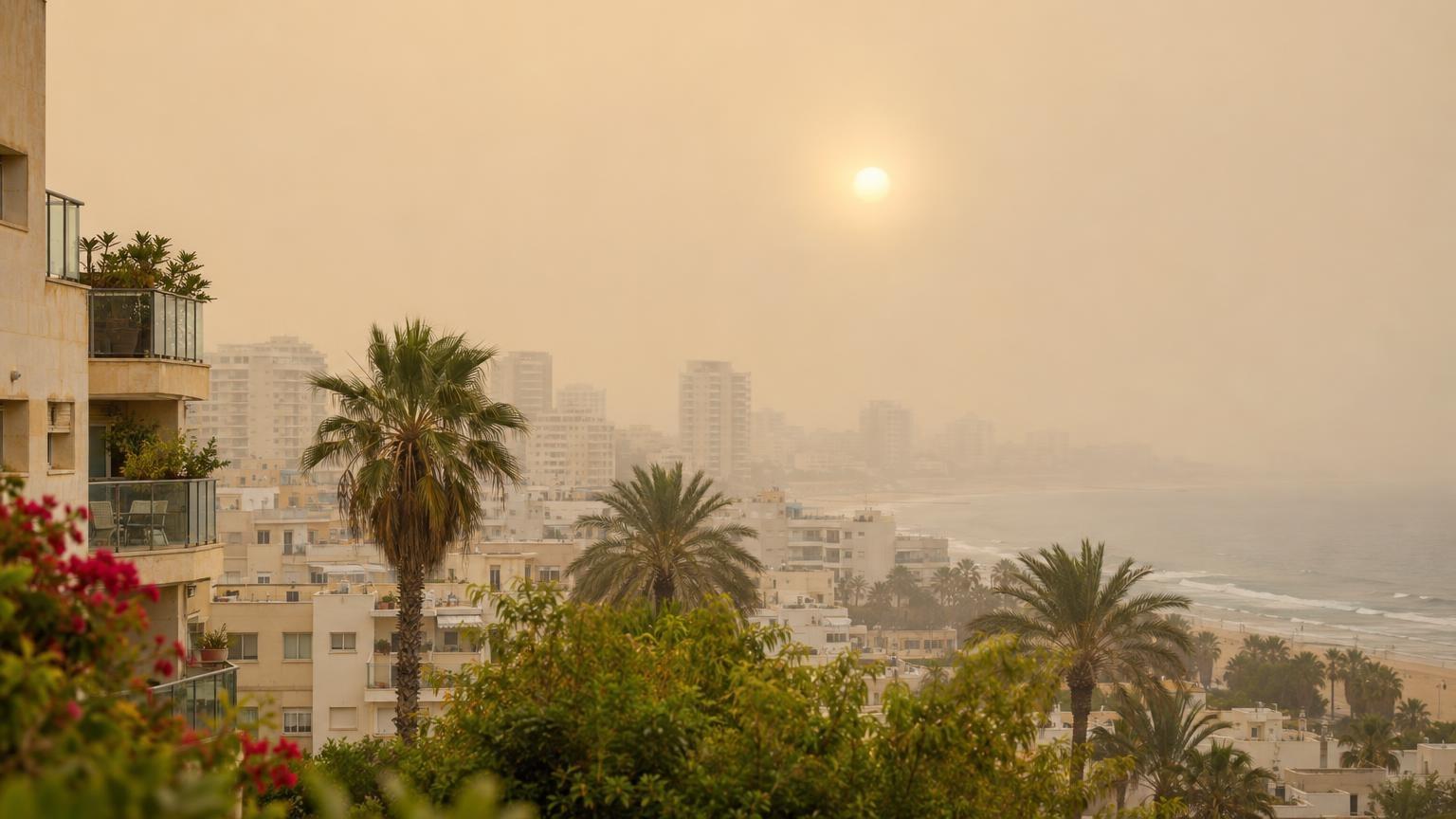
An Israeli city under a dusty hazy sky

Mix-Ups to Avoid

  1. Do not translate every hot day or heat wave as sharav. Sharav means unusually hot and dry; a heat wave is about sustained heat and can be humid.
  2. Ovekh is not fog. Ovekh is dry desert dust in the air, while fog is water droplets in very moist air.
  3. Yoreh and malkosh have no fixed dates. They are seasonal labels, not official warnings, and rain varies a lot by region and year.
In This Guide13 entries

Heat Words

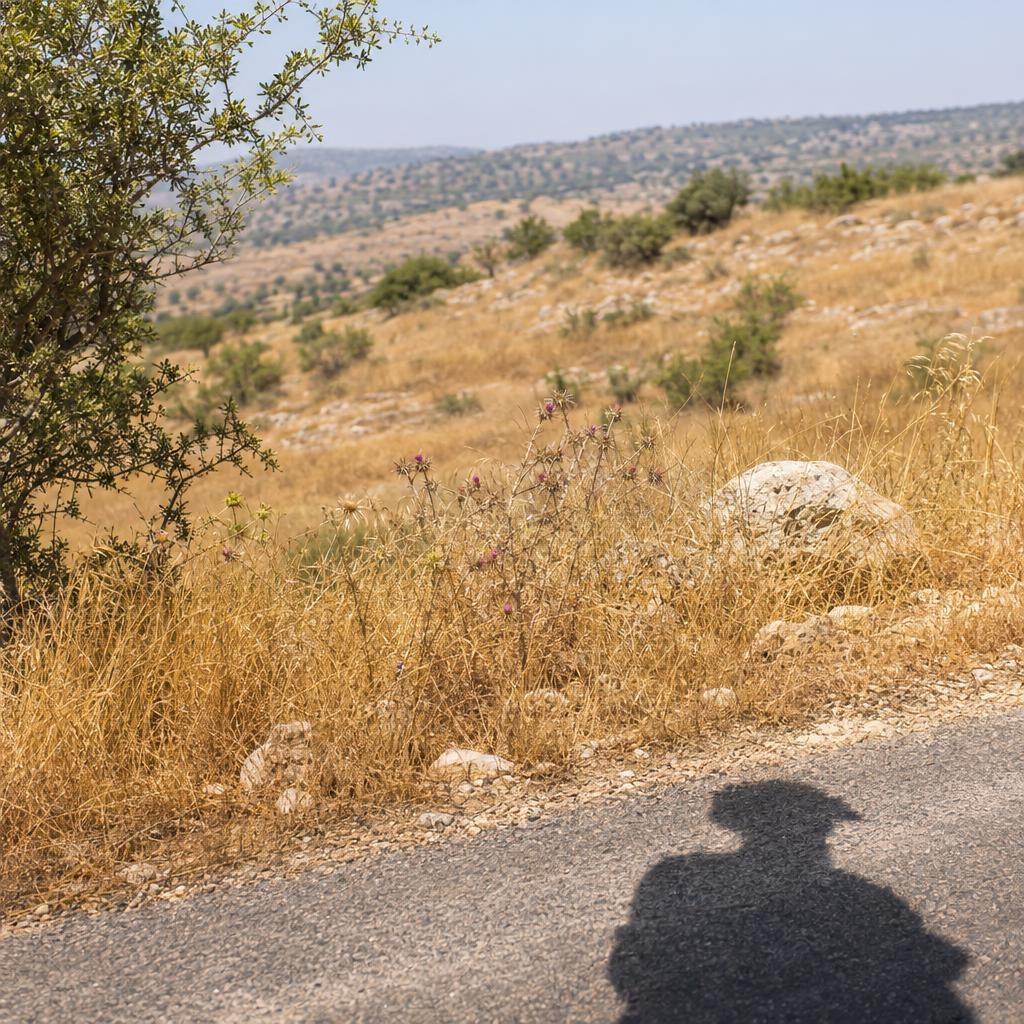
A parched hillside under a heat spell, sharav

On the label or sign

שרב כבד
Severe hot dry spell
שרבי
Sharav-like, hot and dry

שרבSharav, hot dry spell

sharav

US English

Hot, dry spell; sometimes a heat wave

UK English

Hot, dry spell; sometimes a heatwave

What it is

שרב (sharav, said sha-RAV) is weather far hotter and drier than normal for the season. The Israel Meteorological Service uses sharav when the air is especially dry, the temperature is more than 5°C above the average, and the maximum is at least 27°C.

The difference

Sharav describes a condition, not a named wind, and one hot day can be sharav without being a heat wave. Sharav peaks in spring and can happen in every season inland.

Common mistake

Do not translate every very hot day as sharav; sharav must also be unusually dry.
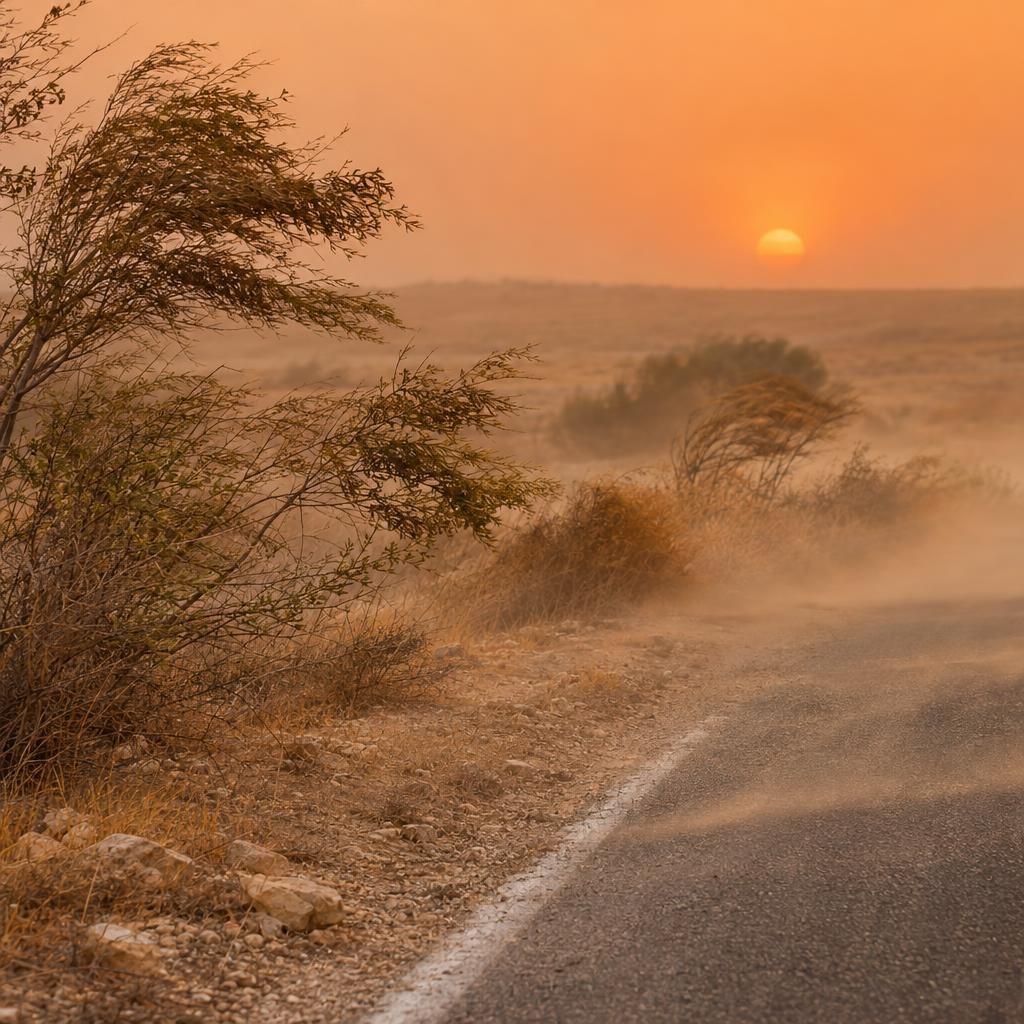
Dusty tan wind and orange sky of a khamsin

חמסיןKhamsin, Egyptian hot wind

khamsin, hamsin

US English

Khamsin; hot, dry, dusty southerly wind

UK English

Khamsin; hot, dry, dusty southerly wind

What it is

חמסין (khamsin, said kham-SEEN) is formally the very hot, dry southerly wind that blows in Egypt ahead of depressions moving east along the Mediterranean. The khamsin is commonly hot, dry and dusty.

The difference

Israelis often say khamsin for sharav, but khamsin is neither a formal synonym for sharav nor the Hebrew for "heat wave." The name comes from Arabic for "fifty," the roughly fifty-day period when the wind may occur.

Common mistake

In formal writing, use sharav for Israeli hot dry weather and keep khamsin for the wind over Egypt.

גל חוםGal khom, heat wave

gal khom

US English

Heat wave

UK English

Heatwave

What it is

גל חום (gal khom) is unusually heavy heat stress lasting at least three days. A gal khom can come from a long, dry sharav or from high heat with high humidity.

The difference

Sharav answers "unusually hot and dry," while gal khom answers "unusually hot for a sustained period." A gal khom may contain sharav.

Common mistake

Do not use sharav and gal khom as the same word; gal khom can be humid.

חם ויבש מהרגילHotter and drier than usual

kham veyavesh meharagil

US English

Hotter and drier than usual

UK English

Hotter and drier than usual

What it is

חם ויבש מהרגיל (kham veyavesh meharagil) is the forecast phrase for summer conditions up to 5°C above normal, below the sharav threshold.

The difference

Kham veyavesh meharagil is a near miss, not a synonym for sharav. In winter, a large rise can still fall short of sharav if the maximum does not reach 27°C.

Common mistake

Do not hear kham veyavesh meharagil as a sharav warning.

A humid coastal promenade in summer, havil

On the label or sign

הביל
Hot and humid, forecast label

הבילHavil, hot and humid

havil

US English

Hot and humid; muggy; sultry

UK English

Hot and humid; muggy; sultry

What it is

הביל (havil, said ha-VIL) is hot, humid weather typical of the coast in summer. The Israel Meteorological Service uses havil as its own forecast label.

The difference

Havil is the opposite humidity profile from dry sharav. Humidity can keep the thermometer lower while making sweating less effective, and both havil and sharav can cause severe heat stress.

Common mistake

Do not call coastal havil a sharav; havil is muggy, sharav is dry.

עומס חוםOmes khom, heat stress

omes khom

US English

Heat stress

UK English

Heat stress

What it is

עומס חום (omes khom) is a combined measure of heat burden on the body. Omes khom can become heavy through very hot dry air or through heat plus humidity.

The difference

Omes khom describes the burden on the body, not a wind or air mass. Heat-stress warnings are issued separately from general forecasts.

Common mistake

Do not translate omes khom as sharav.

שבירת השרבShvirat hasharav, heat break

shvirat hasharav

US English

The break of the hot dry spell

UK English

The break of the hot dry spell

What it is

שבירת השרב (shvirat hasharav) is the end of a sharav: a marked cooling, often as the wind turns westerly.

The difference

Shvirat hasharav does not promise rain; shvirat hasharav means the hot, dry spell has ended.

Common mistake

Do not expect rain just because a forecast says shvirat hasharav.

Dust and Fog

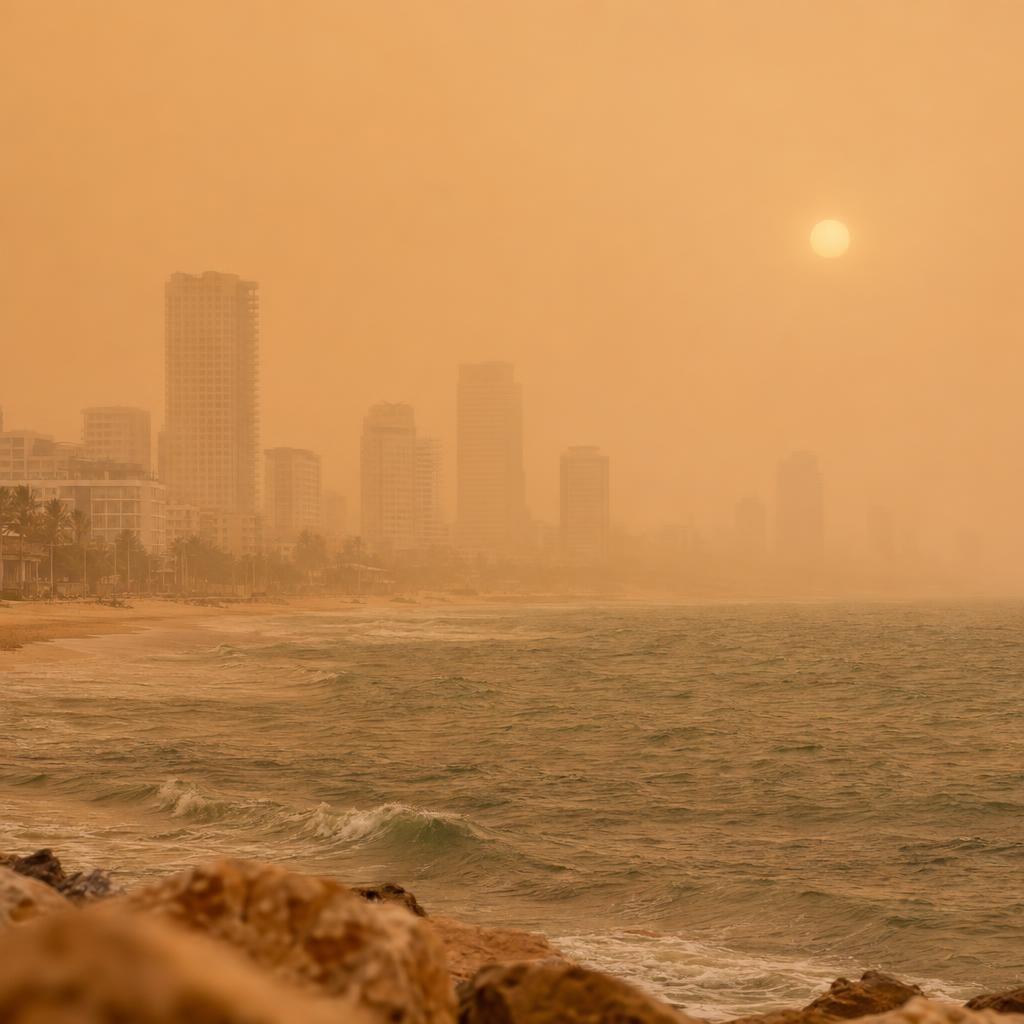
A city skyline in a yellow dust haze, ovekh

On the label or sign

אביך
Hazy, forecast label

אובךOvekh, dust haze

ovekh

US English

Dust haze; forecasts may say haze

UK English

Dust haze; forecasts may say haze

What it is

אובך (ovekh, said OH-vekh) is fine desert dust hanging in the air and cutting visibility. Most dust reaching Israel comes from the Sahara, some from Syrian and Jordanian deserts, and short local events from the Negev.

The difference

English dry haze can also be salt or soot, so "dust haze" is the safer translation of ovekh. Ovekh can leave dust on cars and can cause breathing trouble in sensitive people.

Common mistake

Do not call ovekh fog, and do not assume every English "haze" means desert dust.

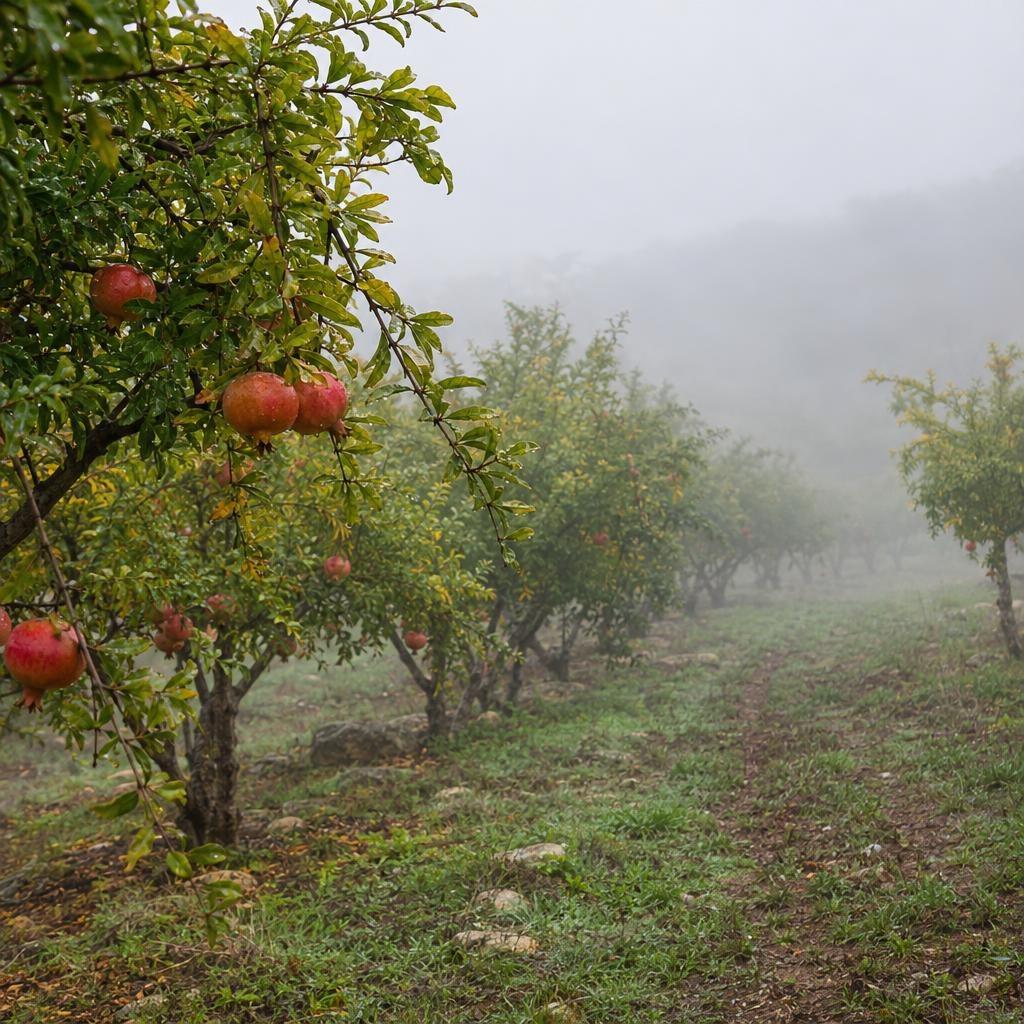
An early-morning fog over an orchard, arafel

On the label or sign

ערפל
Fog, forecast label

ערפלArafel, fog

arafel

US English

Fog

UK English

Fog

What it is

ערפל (arafel) is very high moisture trapped near the ground, usually with weak winds and night or early morning cooling. Arafel is water droplets that reduce visibility.

The difference

Arafel is wet and usually forms locally, while ovekh is dry dust carried in, often with stronger winds.

Common mistake

Do not mix up arafel, wet fog, with ovekh, dry dust haze.

אבק / אבק מדבריAvak, dust

avak, avak midbari

US English

Dust; desert or mineral dust

UK English

Dust; desert or mineral dust

What it is

אבק (avak) is the dust itself, and אבק מדברי (avak midbari) is desert or mineral dust made of airborne clay and silt particles.

The difference

Avak is the material, while ovekh is the hazy condition when fine dust stays in the air.

Common mistake

Use avak for the particles and ovekh for the hazy sky.

On the label or sign

סופות חול
Sandstorms, forecast label

סופת אבק / סופת חולSufat avak, duststorm

sufat avak, sufat khol

US English

Duststorm; sandstorm

UK English

Duststorm; sandstorm

What it is

סופת אבק (sufat avak) and סופת חול (sufat khol) are active storms in which strong winds lift and carry dust or sand.

The difference

A sufat avak can create ovekh, but a lingering dust haze need not be a storm where you are.

Common mistake

Do not call every ovekh day a sufat khol.

Seasonal Rain

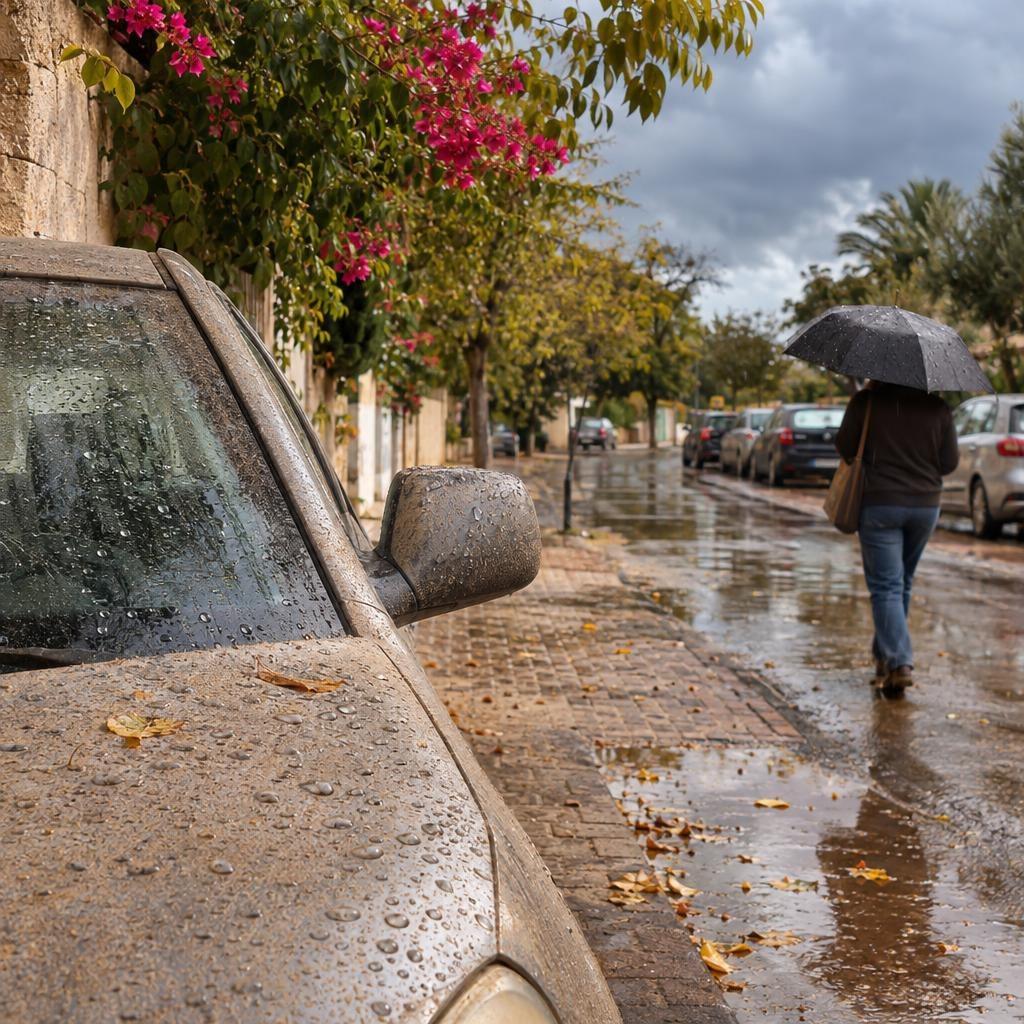
First autumn rain falling on dry streets, yoreh

יורהYoreh, first rain

yoreh

US English

First rain of the season; biblical early rain

UK English

First rain of the season; biblical early rain

What it is

יורה (yoreh, said yo-REH) is the first rain of the rainy season in modern Hebrew, and the early autumn rain in the older farming pairing with malkosh.

The difference

Yoreh is a seasonal label, not a rain type or an official warning. The official rain year starts on 1 August, although September is normally the first rain month.

Common mistake

Do not assume yoreh must fall in October or on the same day everywhere.

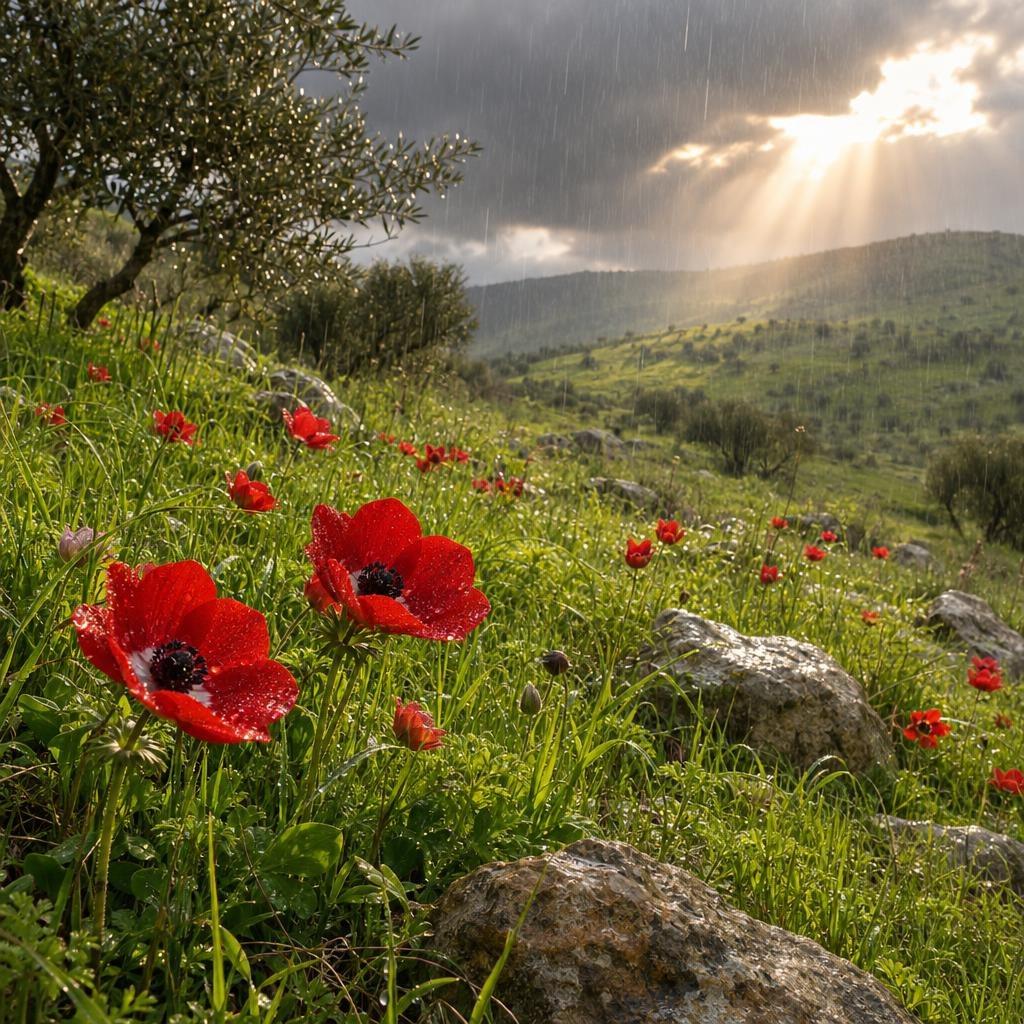
A late spring rain over a green hillside, malkosh

מלקושMalkosh, late rain

malkosh

US English

Last or late rain of the season; biblical latter rain

UK English

Last or late rain of the season; biblical latter rain

What it is

מלקוש (malkosh, said mal-KOSH) is the last rain of the season in common modern use, and the late spring rain in the older pairing with yoreh.

The difference

Malkosh has no single fixed date, and the literally final shower can only be known afterward. Weather service history even describes an "early malkosh" in February 1928.

Common mistake

Do not insist that malkosh means the provably final shower or a set month.

The English Forecast Says This. Hebrew Forecasts Say This.

The English forecast says this. Hebrew forecasts say this.
English forecastHebrew forecastKeep in mind
Hot, dry spellשרבsharavUnusually hot and dry.
Heat waveגל חוםgal khomAt least three days; can be humid.
Hot and humidהבילhavilTypical of the coast in summer.
Heat stressעומס חוםomes khomBurden on the body.
Haze, dust hazeאובךovekhDry desert dust, not fog.
HazyאביךavikhForecast adjective for dust haze.
FogערפלarafelWater droplets.
Sandstormסופת חולsufat kholActive wind-blown sand.
First rain of the seasonיורהyorehNo fixed date.
Last rain of the seasonמלקושmalkoshNo fixed date.

Knowing the word is half of it. Say it out loud.

A Hebrew speaking app with Maya and David, AI tutors who hold conversations, explain corrections and help you practise what you need to say. Private beta on iPhone and Android. Public store launch is still ahead. Free Classic lessons to start, no card needed.

Explore baba Learn

How we checked this guide

By the baba team. Checked on against 28 sources, mostly Israeli retailers, manufacturers and government pages, and updated . Products, labels and rules change, so check the pack or the office before you rely on a detail. Our methodology.

Frequently Asked Questions

What is a sharav in Israel?

שרב (sharav) is weather much hotter and drier than normal for the season. The Israel Meteorological Service uses sharav when air is especially dry, temperatures are more than 5°C above average, and the maximum reaches at least 27°C.

Is khamsin the same as sharav?

Not formally. חמסין (khamsin) is a hot, dry southerly wind over Egypt, while שרב (sharav) is Israel's hot, dry condition, though Israelis often use khamsin for sharav in conversation.

What does ovekh mean in a Hebrew forecast?

אובך (ovekh) is dust haze: fine desert dust in the air that cuts visibility. Ovekh is not fog, and ovekh can cause breathing trouble in sensitive people.

What are yoreh and malkosh?

יורה (yoreh) is the first rain of the season and מלקוש (malkosh) is the last. Both are seasonal labels with no fixed date, and neither is an official weather warning.

What should sensitive people do on a dust haze day?

In a 2024 dust alert, the environment and health ministries advised people with heart or lung disease, older adults, children and pregnant women to avoid strenuous outdoor activity. Everyone else was advised to reduce it.

More Hebrew-English Guides

All guides