baba
Free, no AIHebrew-English guide 29 of 100

Israeli Holiday Foods, in Plain English

What sufganiyot, levivot, oznei Haman and Seder foods mean.

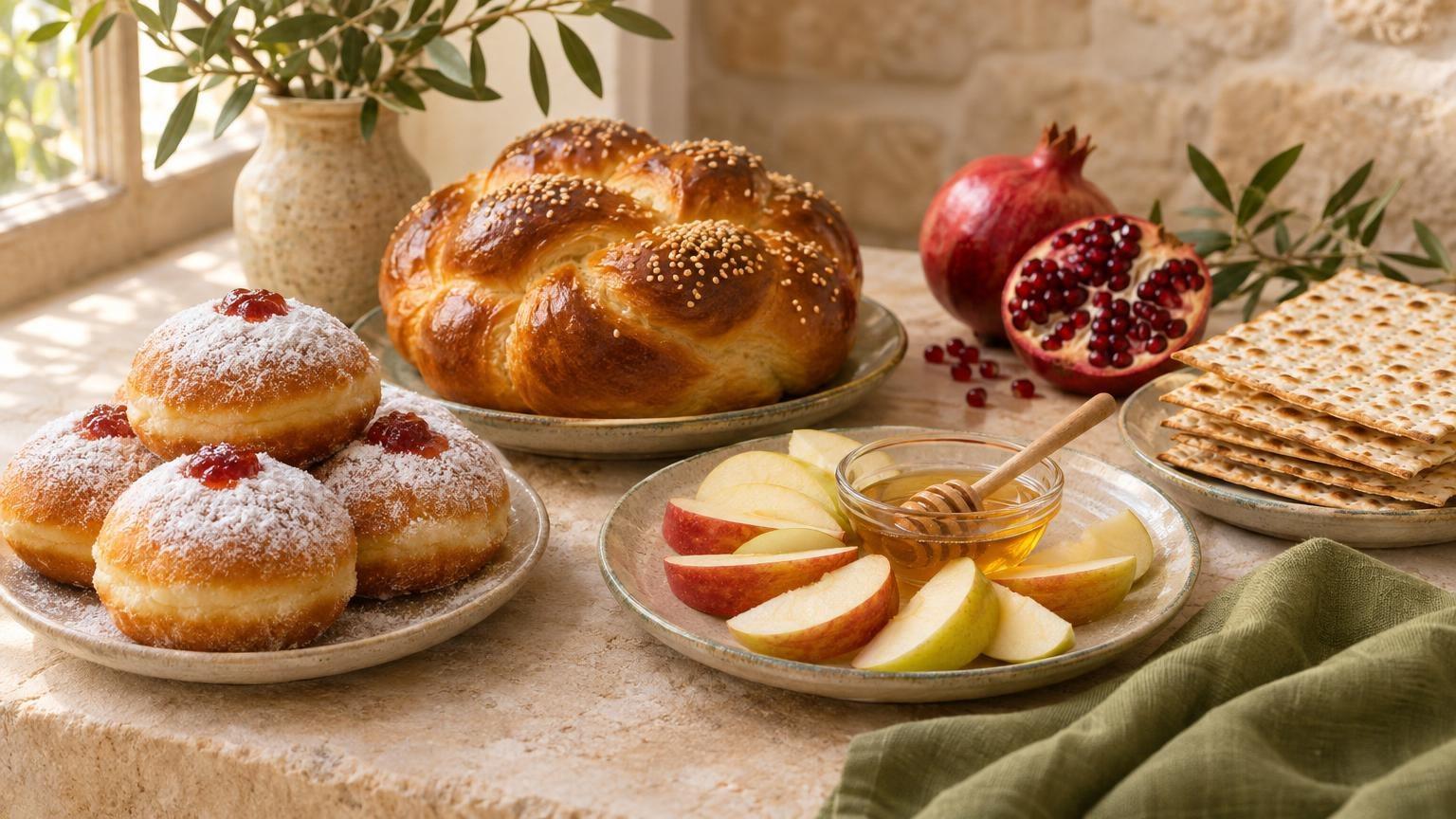
A table of Israeli holiday foods: sufganiyot, round challah, apple and honey, pomegranate and matzah

Mix-Ups to Avoid

  1. Sufganiyot and levivot are Hanukkah foods. Oznei Haman are Purim pastries, not another Hanukkah name.
  2. Levivah can mean a vegetable patty or fritter outside Hanukkah. Translate levivot as latkes only when the potato and Hanukkah context fits.
  3. Matzah and maror have ritual roles at the Passover Seder. Cheesecake at Shavuot and barbecue on Independence Day are customs, not equivalent requirements.
In This Guide42 entries

Rosh Hashanah

On the label or sign

סימני החג
holiday signs
סדר סימנים
order of symbolic foods

סִימָנִיםSymbolic foods

simanim

US English

Symbolic foods

UK English

Symbolic foods

What it is

Simanim are foods eaten or displayed with short wishes for the new year. The set includes older core signs and widely recognized additions.

The difference

Simanim are a custom, not one fixed national menu. Sephardi, Mizrahi, and Ashkenazi homes may use different foods and orders.

Common mistake

Do not translate simanim as appetizers or assume apple and honey are the complete set.
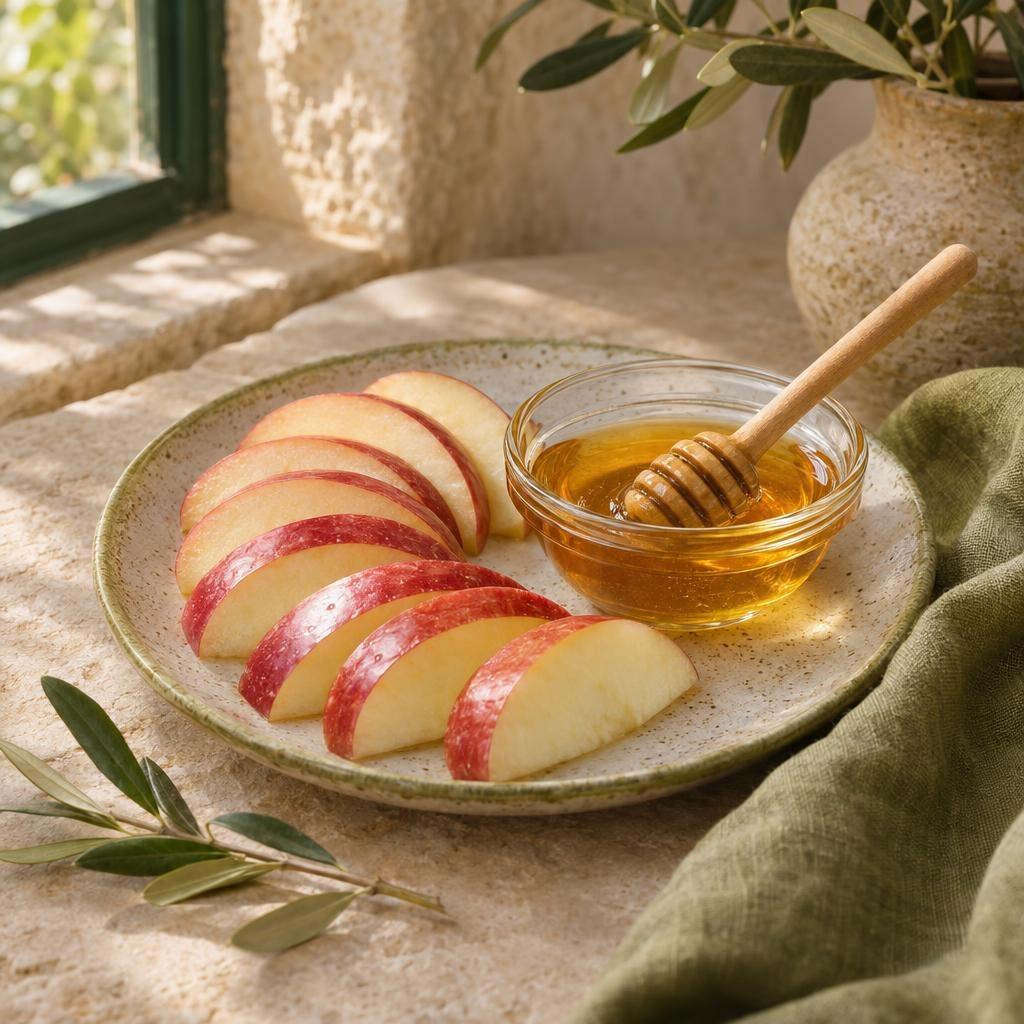
Apple slices and a bowl of honey, tapuach bidvash

תפוח בדבשApple dipped in honey

tapuach bidvash

US English

Apple dipped in honey

UK English

Apple dipped in honey

What it is

Apple pieces are dipped in honey with a wish for a good, sweet year.

The difference

Tapuach bidvash is a symbolic tasting, not a dessert called honey apple.

Common mistake

Do not mistake apple and honey for the entire simanim set, and never give honey to an infant under one year.

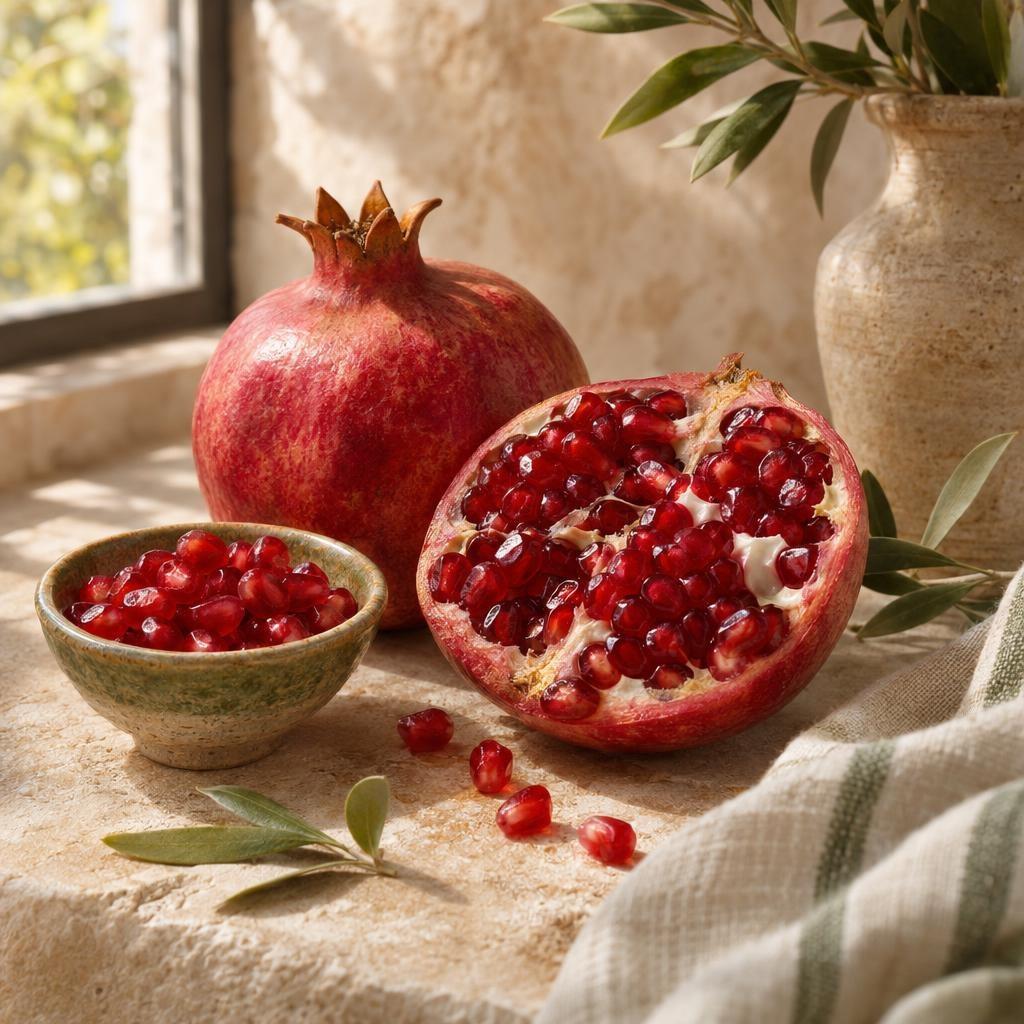
A whole and a cut pomegranate with red seeds, rimon

רימוןPomegranate

rimon

US English

Pomegranate

UK English

Pomegranate

What it is

A pomegranate is served as a sign, and its seeds symbolize abundant merits.

The difference

Rimon is ordinary fruit with a holiday role, not a special pomegranate dish.

Common mistake

Treat the pomegranate as a symbolic food rather than table decoration only.

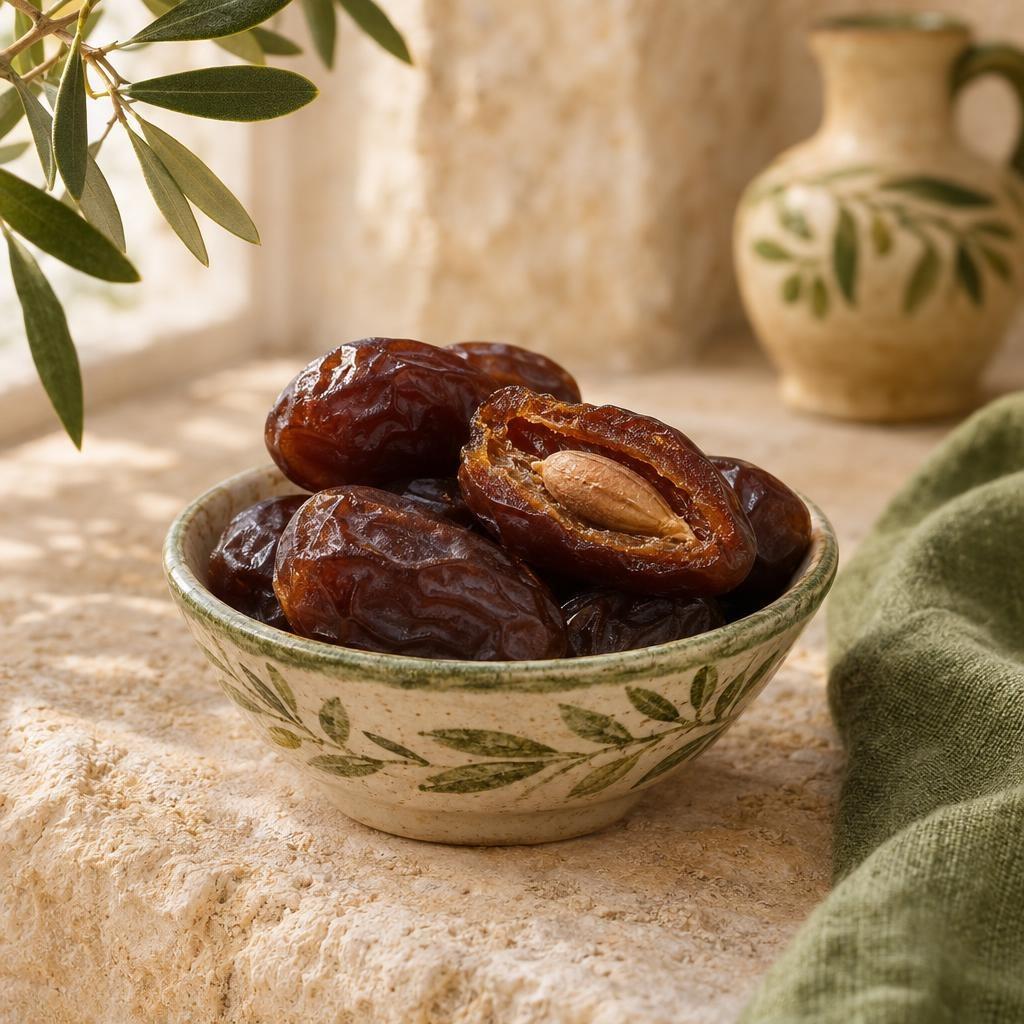
A bowl of dates, tamar

תמרDate

tamar

US English

Date

UK English

Date

What it is

A date is one of the Rosh Hashanah signs and is prominent in many Sephardi orders. Tamar supports wordplay that enemies should come to an end.

The difference

Tamar is sold as an ordinary date. The holiday role comes from the simanim context.

Common mistake

Do not read דבש in the Seven Species as bee honey because the term is conventionally understood as date honey or date palm fruit there.

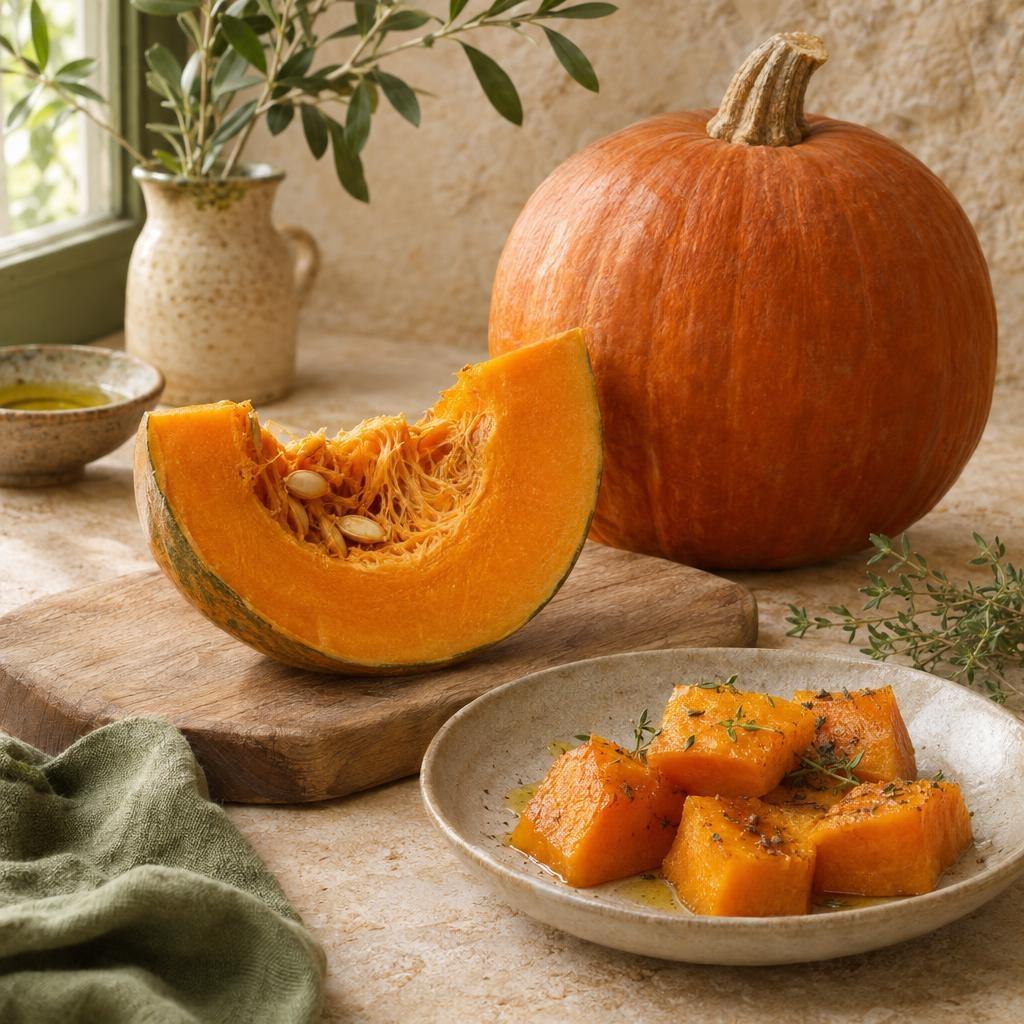
A cut pumpkin and cooked cubes, kara or dla'at

On the label or sign

דלעת
pumpkin or gourd

קָרָא / דלעתGourd or pumpkin

kara / d'la'at

US English

Gourd or pumpkin

UK English

Gourd or pumpkin

What it is

Kara is the Aramaic sign name. Israeli tables commonly use pumpkin or another gourd, sometimes cooked or made into jam.

The difference

Kara does not name one separate supermarket vegetable. Community recipes differ.

Common mistake

Look for דלעת in produce instead of searching for a vegetable labeled קרא.

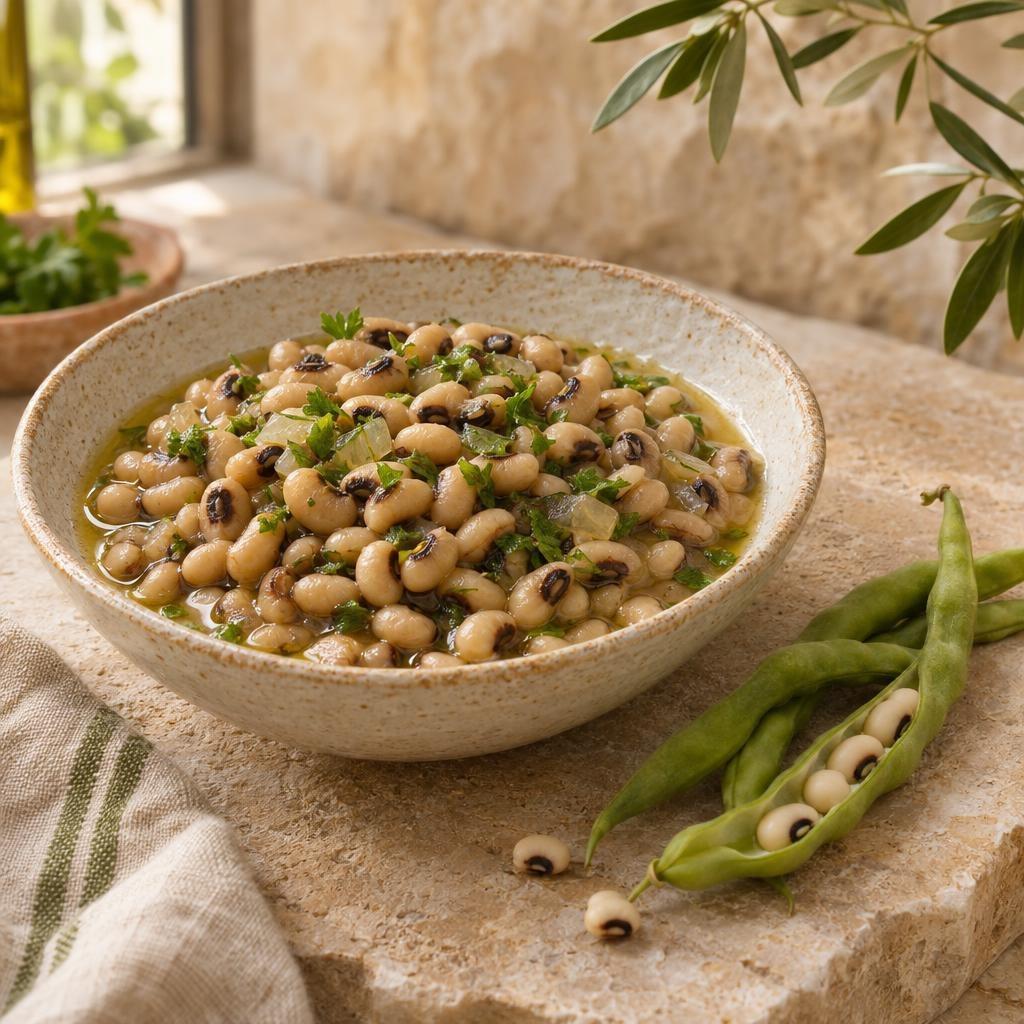
A bowl of cooked black-eyed peas, rubya or lubya

On the label or sign

לוביה
fresh long pods or dried black-eyed peas

רוּבְיָא / לוביהBlack-eyed peas or cowpeas

rubya / lubya

US English

Black-eyed peas, cowpeas, or green beans

UK English

Black-eyed beans, cowpeas, or green beans

What it is

Rubya may be long cowpeas, black-eyed peas, green beans, fenugreek, or another many-seeded food. The sign expresses a wish that merits increase.

The difference

Rubya does not map to one compulsory bean species. Yemenite and North African substitutions are documented.

Common mistake

Do not assume US green beans are always the exact ritual ingredient.

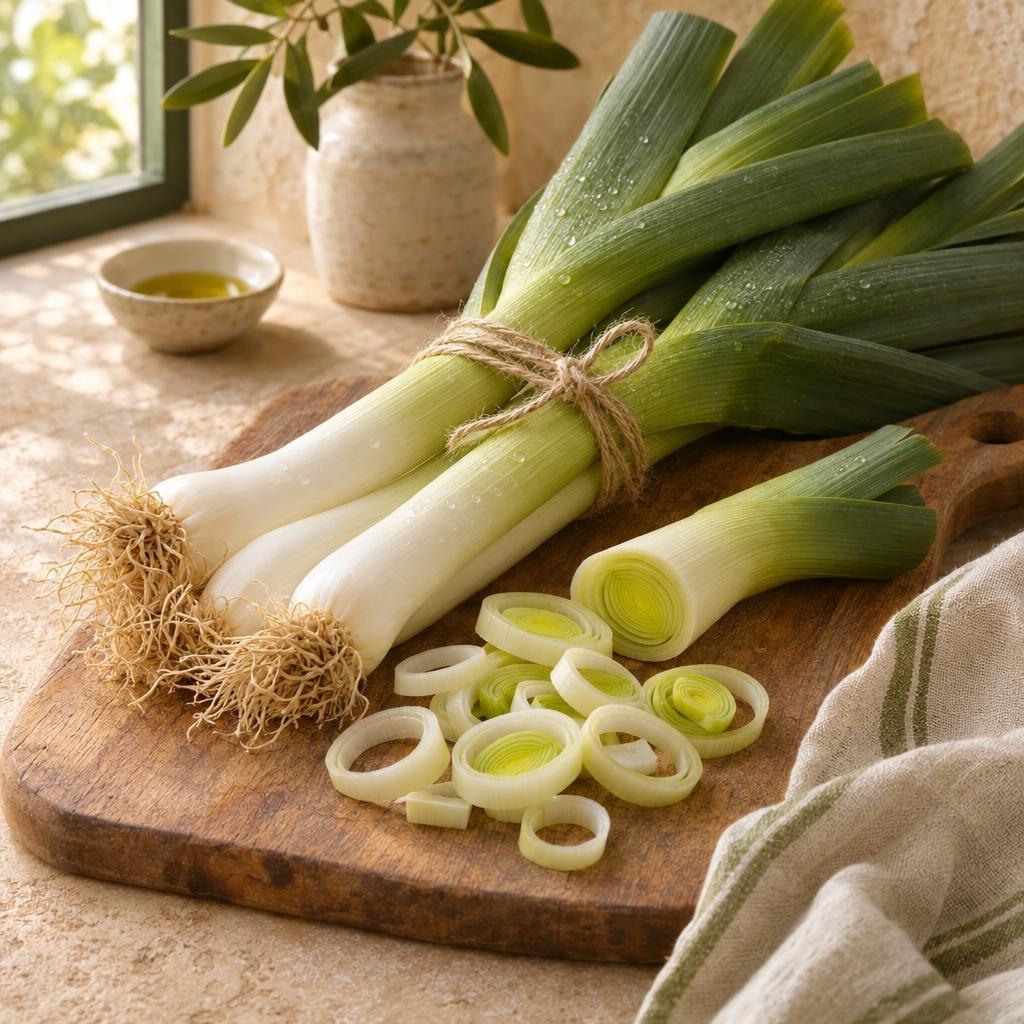
Fresh leeks, karti or krishah

On the label or sign

כרישה
leek
לוף
leek

כַּרְתִי / כרישהLeek

karti / krishah

US English

Leek

UK English

Leek

What it is

Karti is leek used for wordplay on cutting off. The leek may be cooked or made into patties.

The difference

Karti is the ritual or Aramaic name. Krishah is the ordinary produce name.

Common mistake

Buy כרישה or לוף in produce instead of looking for a packaged item named karti.

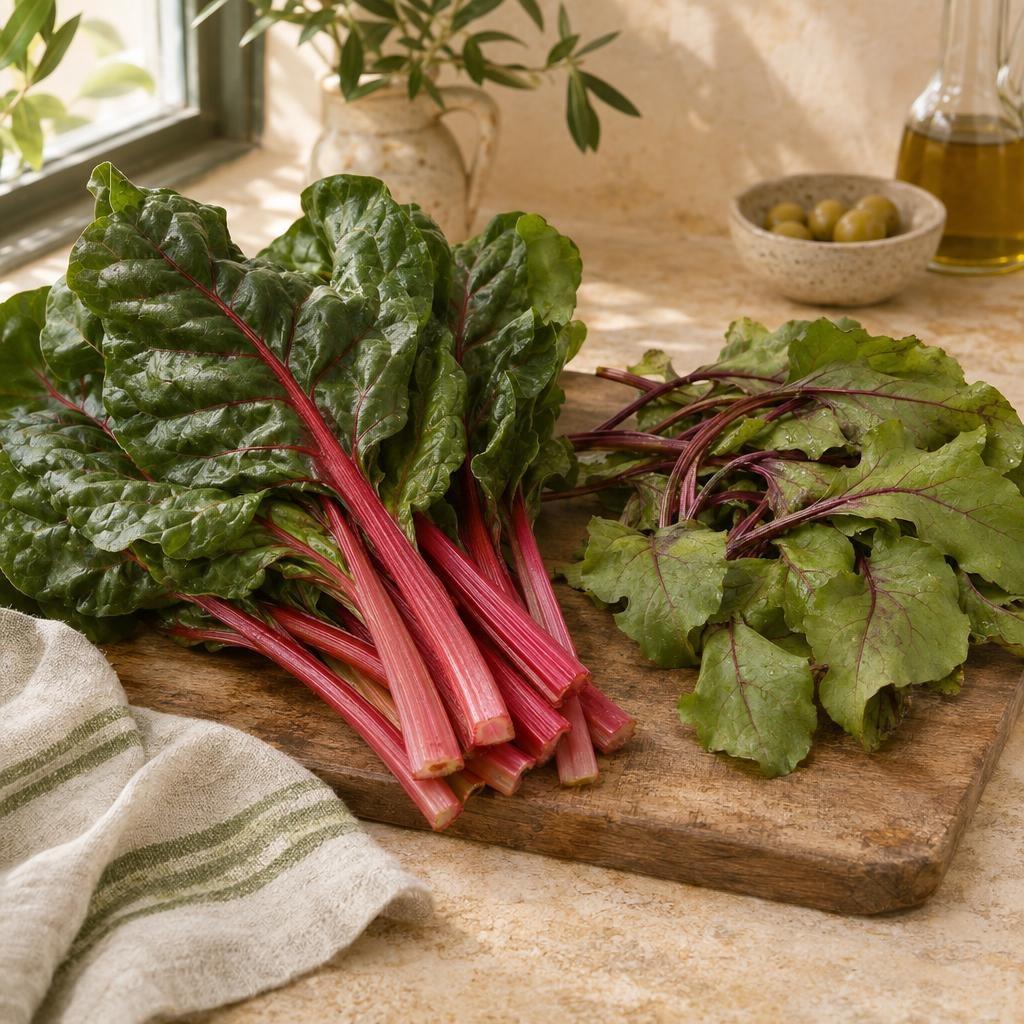
A bunch of chard leaves, silka

On the label or sign

מנגולד
chard
עלי סלק
beet leaves
סלק
beetroot

סִילְקָא / עלי סלקChard or beet greens

silka / alei selek

US English

Chard or beet greens; sometimes beet

UK English

Chard or beetroot leaves; sometimes beetroot

What it is

Silka is historically a leafy sign whose identification varies. Israeli guides use beet or chard leaves, while some modern tables use beetroot.

The difference

Silka does not have to be the red beet root.

Common mistake

Look for מנגולד or עלי סלק when the family uses the leafy version.

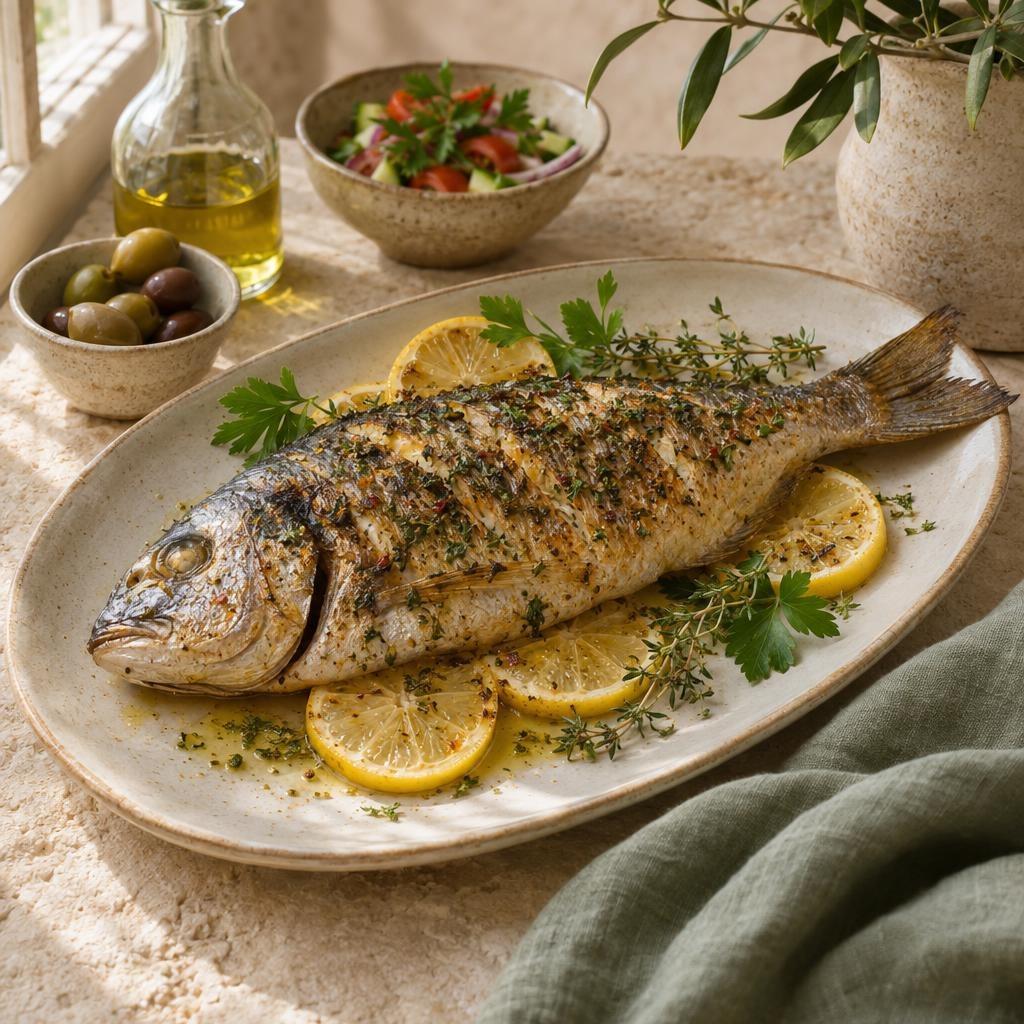
A cooked whole fish served on a platter, rosh dag

ראש דג / ראש כבשFish head or ram's head

rosh dag / rosh keves

US English

Fish head or ram's head

UK English

Fish head or ram's head

What it is

A head accompanies the wish to be a head and not a tail. Some homes use fish, some use ram, and some use a symbolic or vegetarian substitute.

The difference

Fish head and ram's head are related but different traditions. A guest is not necessarily expected to eat the head.

Common mistake

Do not assume every home serves the same head or expects every guest to eat it.

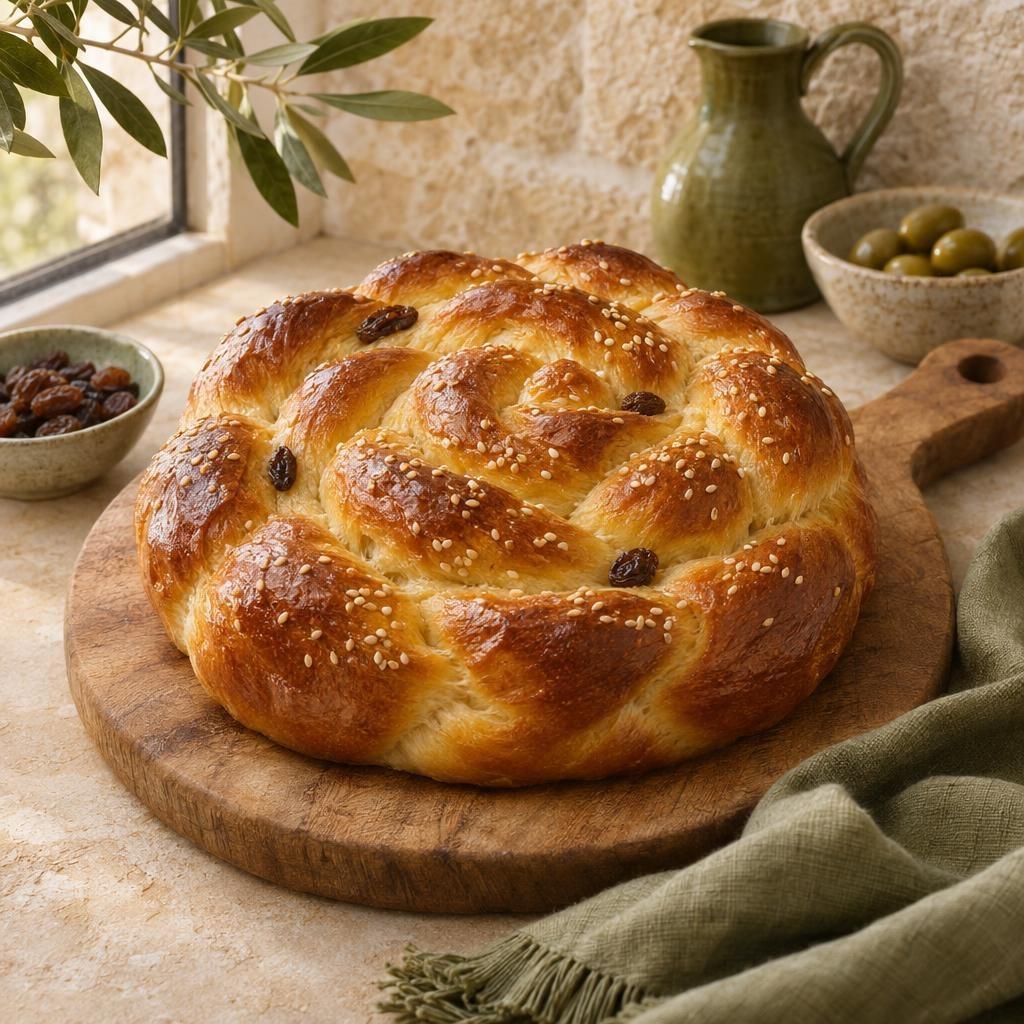
A round spiralled challah, challah agulah

On the label or sign

חלה עגולה
round challah
חלת דבש
honey challah
חלת כתר
crown challah

חלה עגולהRound challah

challah agulah

US English

Round challah

UK English

Round challah

What it is

Challah agulah is enriched Jewish festive bread shaped round for the New Year. Plain, honeyed, and raisin versions are sold.

The difference

The round shape is the identifying feature, not a separate bread species. Not every round loaf is challah, and not every challah is sweet.

Common mistake

Check that the loaf is challah instead of calling any round bread challah.

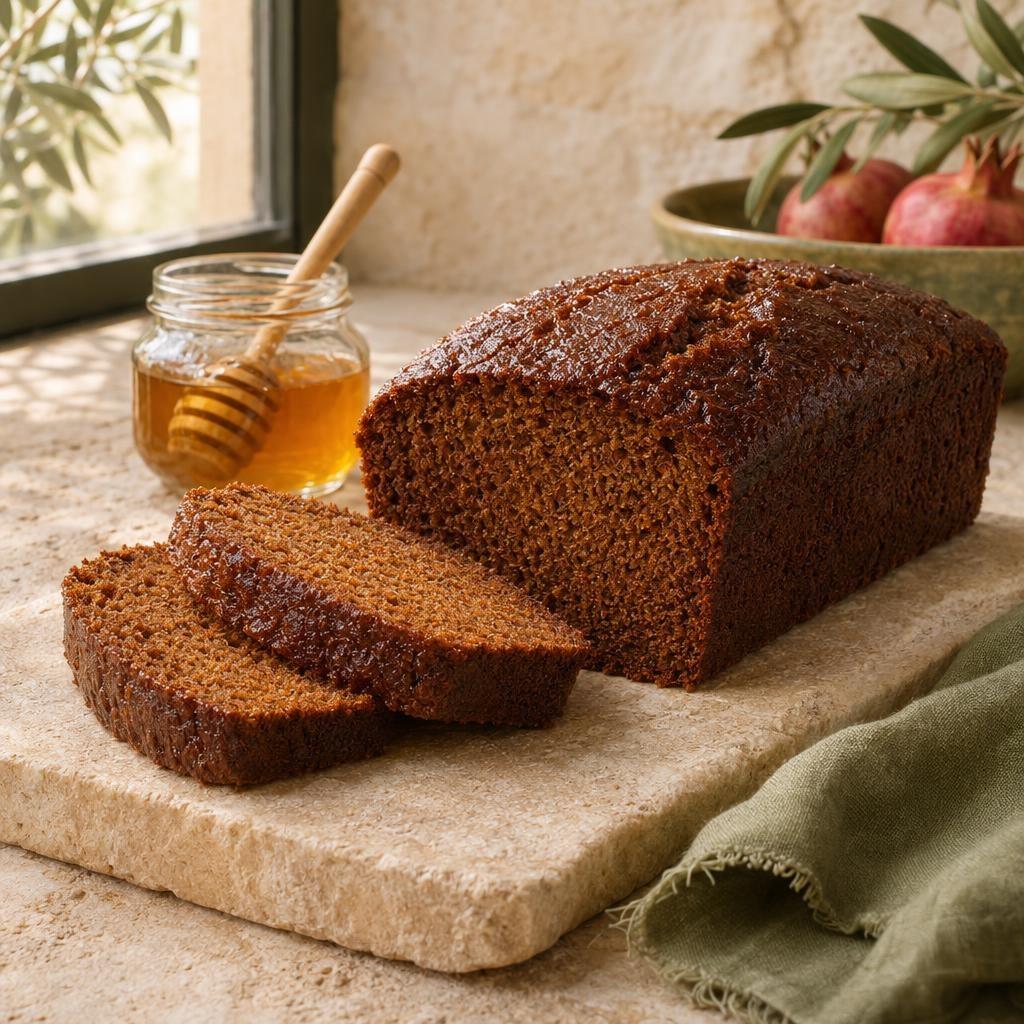
A sliced honey cake, ugat dvash

On the label or sign

עוגת דבש
honey cake

עוגת דבשHoney cake

ugat dvash

US English

Honey cake

UK English

Honey cake

What it is

Ugat dvash is usually a moist loaf or round spice cake sweetened with honey.

The difference

Honey cake is a strong seasonal custom, not a ritual requirement. Not every honey dessert is the classic cake.

Common mistake

Look for the עוגת דבש label instead of treating every honey dessert as honey cake.

Yom Kippur

סעודה מפסקתPre-fast meal

se'udah mafseket

US English

Pre-fast meal

UK English

Pre-fast meal

What it is

Se'udah mafseket literally means the stopping meal and is eaten before the Yom Kippur fast. Official guidance recommends a balanced meal and water.

The difference

No single dish is required. The Yom Kippur meal also differs from the meal before Tisha B'Av.

Common mistake

Do not search for one official Yom Kippur dish because the menu varies by family and origin.

שבירת הצום / ארוחה לשבירת הצוםBreaking the fast

shvirat hatzom / aruchah lishvirat hatzom

US English

Break-fast

UK English

Breaking the fast

What it is

Shvirat hatzom is a light meal after the fast. Israeli health guidance recommends starting with water or clear soup and eating gradually.

The difference

Coffee, tea, and cake are common choices, but no single food is universal. English break-fast here does not mean the morning meal breakfast.

Common mistake

Read break-fast as ending the fast, not as a fixed breakfast menu.

Sukkot

On the label or sign

ממולאים
stuffed vegetables

אין מאכל חג אחידNo single Sukkot food

ein ma'akhal chag achid

US English

No single signature food

UK English

No single signature food

What it is

Sukkot has no single universal dish. The central food practice is eating qualifying meals in the sukkah.

The difference

Stuffed foods, stews, and decorated challah are documented family or community customs, not a national rule.

Common mistake

Do not present stuffed cabbage or any other one dish as the Sukkot food for all Israelis.

Hanukkah

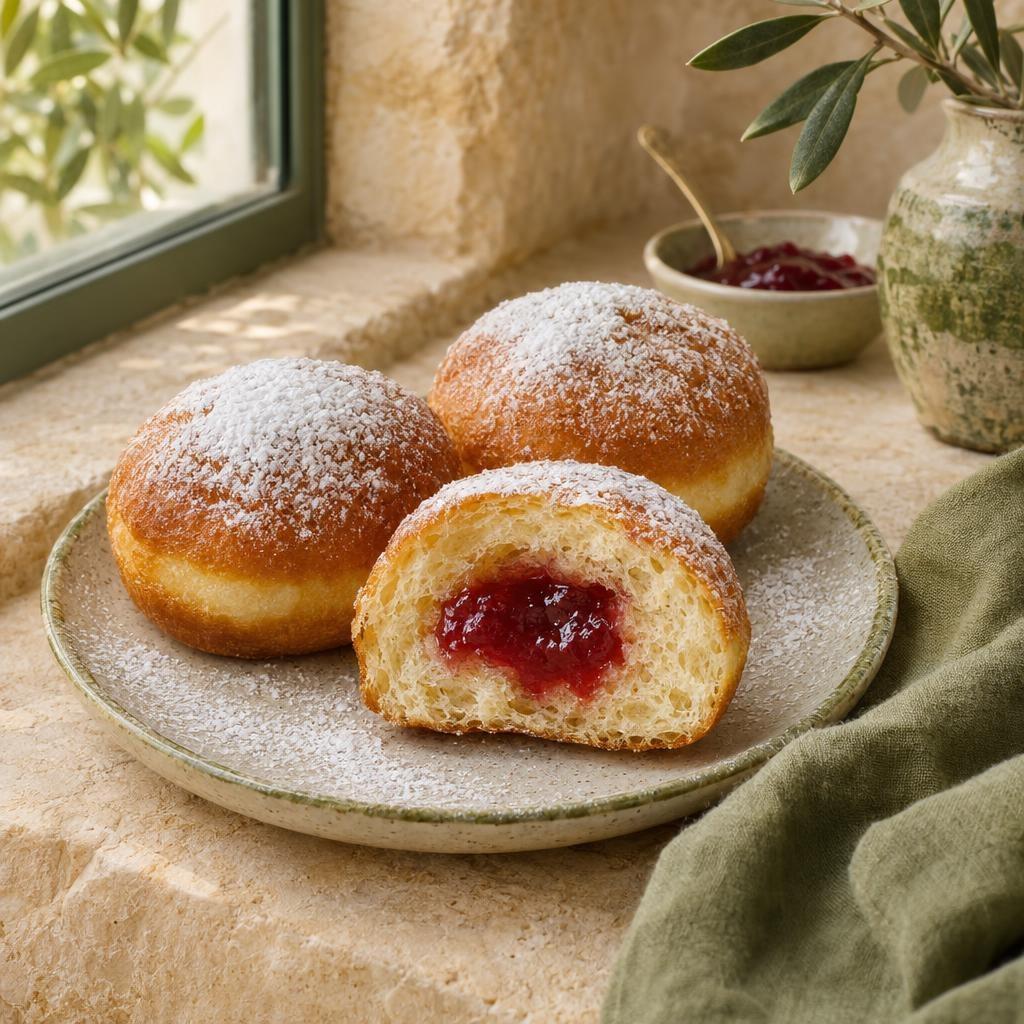
Round filled sufganiyot with powdered sugar, one cut to show jam

On the label or sign

ריבה
jam
ללא מילוי
unfilled
ריבת חלב
milk caramel filling

סֻפְגָּנִיָּה / סופגניותFilled Hanukkah doughnut

sufganiyah / sufganiyot

US English

Filled doughnut or jelly donut

UK English

Filled jam doughnut

What it is

A sufganiyah is a round, deep-fried yeast pastry sold before and during Hanukkah. The classic version has red jam and powdered sugar.

The difference

Doughnut is the closest category, but a ring doughnut is not the default form. Sufganiyah is singular, and sufganiyot is plural.

Common mistake

Do not use the plural sufganiyot for one pastry or confuse a sufganiyah with ring-shaped sfenj.

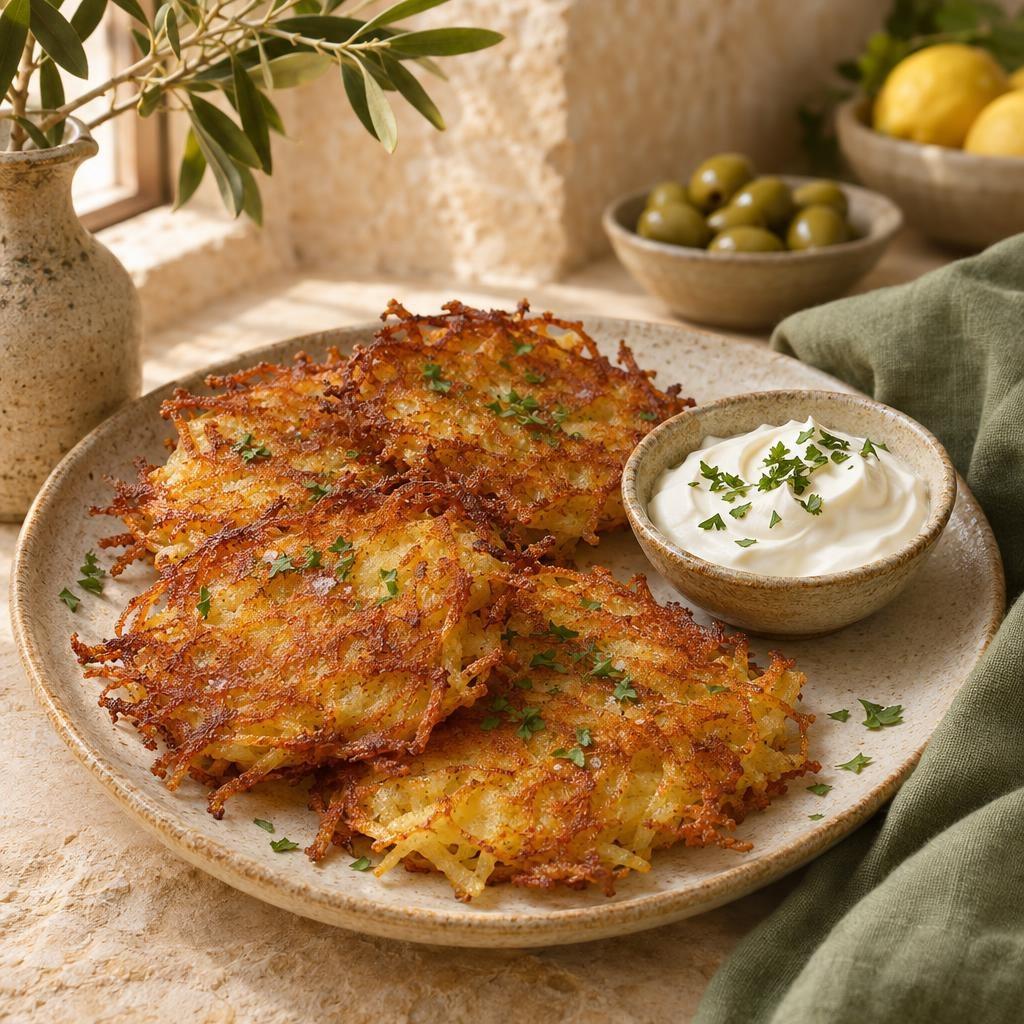
A plate of fried potato pancakes, levivot

On the label or sign

לביבות תפוחי אדמה
potato latkes
לביבות בטטה
sweet potato patties
לביבות ירק
vegetable patties

לְבִיבָה / לביבותLatke or vegetable patty

levivah / levivot

US English

Latke or potato pancake; more broadly a patty

UK English

Latke or potato pancake; more broadly a patty

What it is

A levivah is a shallow-fried or baked patty. Hanukkah levivot are often potato and onion, but versions also use other vegetables, cheese, or pulses.

The difference

Latke fits the common Hanukkah potato version. Levivah is broader Hebrew for a patty, pancake, or fritter.

Common mistake

Do not translate every levivah as latke when the food is a nonholiday vegetable patty.

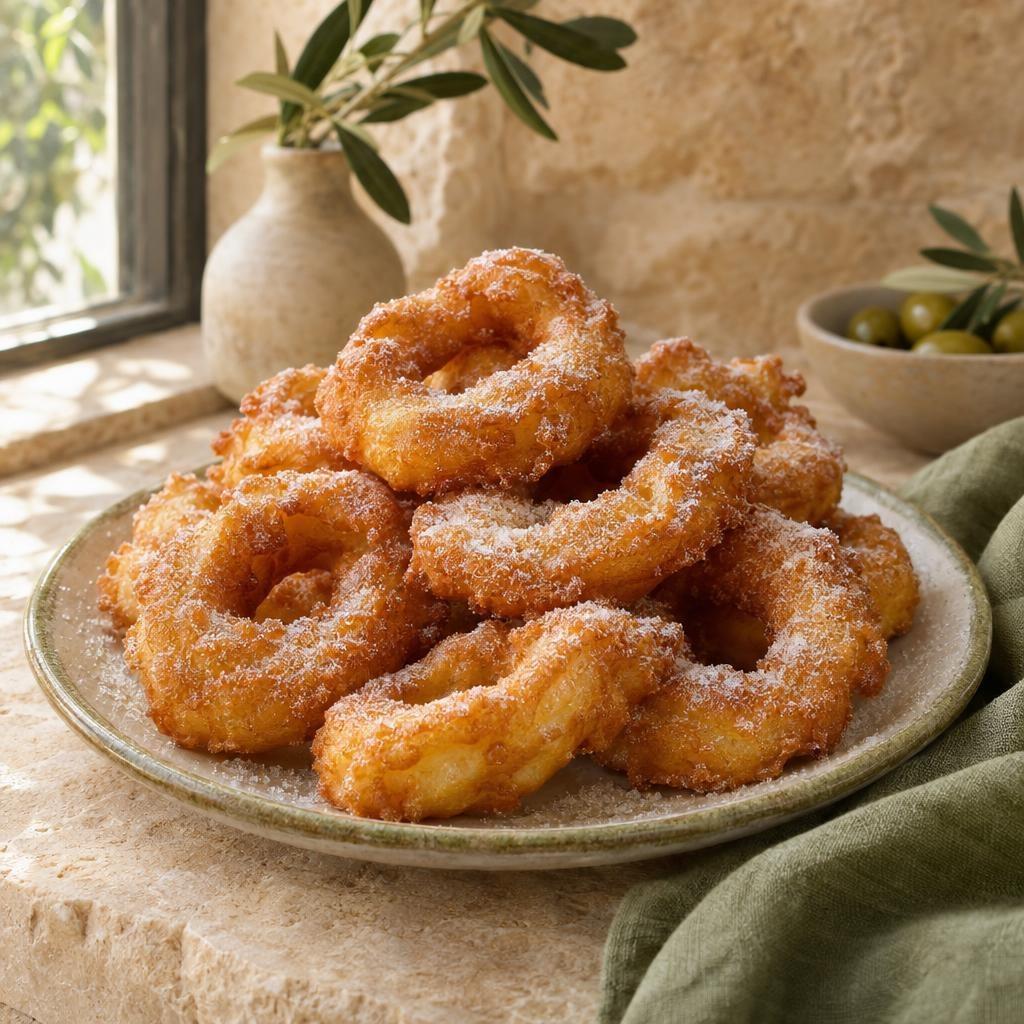
A pile of ring-shaped sfenj doughnuts

סְפינג׳Moroccan ring doughnut

sfenj

US English

Moroccan ring doughnut or fried dough

UK English

Moroccan ring doughnut or fried dough

What it is

Sfenj is airy, irregular fried dough that is often ring-shaped and served with sugar, honey, or syrup. Sfenj is a North African Hanukkah custom that is also visible more broadly in Israel.

The difference

Sfenj is related to a doughnut or beignet but is not a filled sufganiyah.

Common mistake

Do not treat sfenj as another spelling of sufganiyah.

Purim

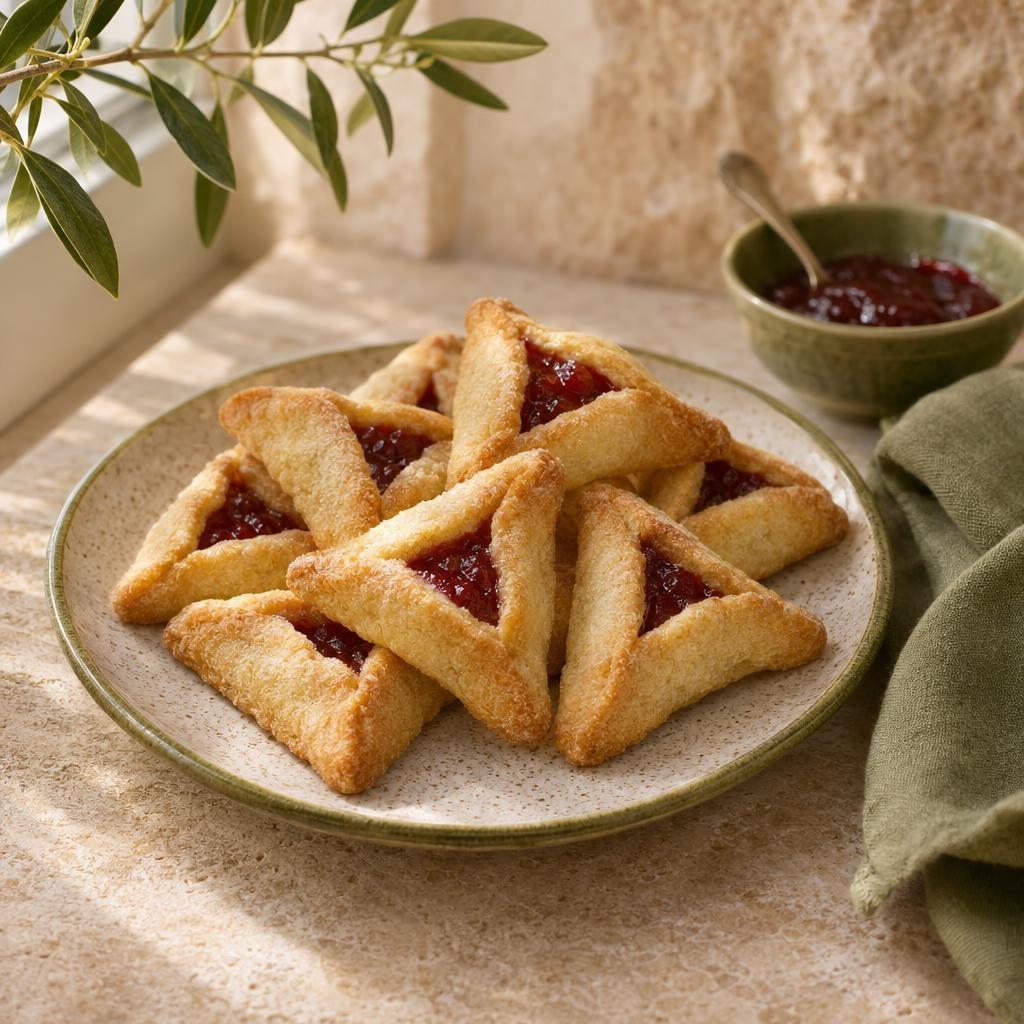
Triangular filled pastries, oznei Haman

On the label or sign

פרג
poppy seed

אֹזֶן הָמָן / אוזני המןHamantasch

ozen Haman / oznei Haman

US English

Hamantasch; plural hamantaschen

UK English

Hamantasch; plural hamantaschen

What it is

An ozen Haman is a three-cornered pastry or cookie folded around a visible center. Poppy seed is traditional, and dates, chocolate, and nuts are also common.

The difference

Ozen Haman is singular, and oznei Haman is plural. The pastry is a Purim custom and symbol, not a required Purim food practice.

Common mistake

Do not read the literal name Haman's ears and expect an ear-shaped pastry.

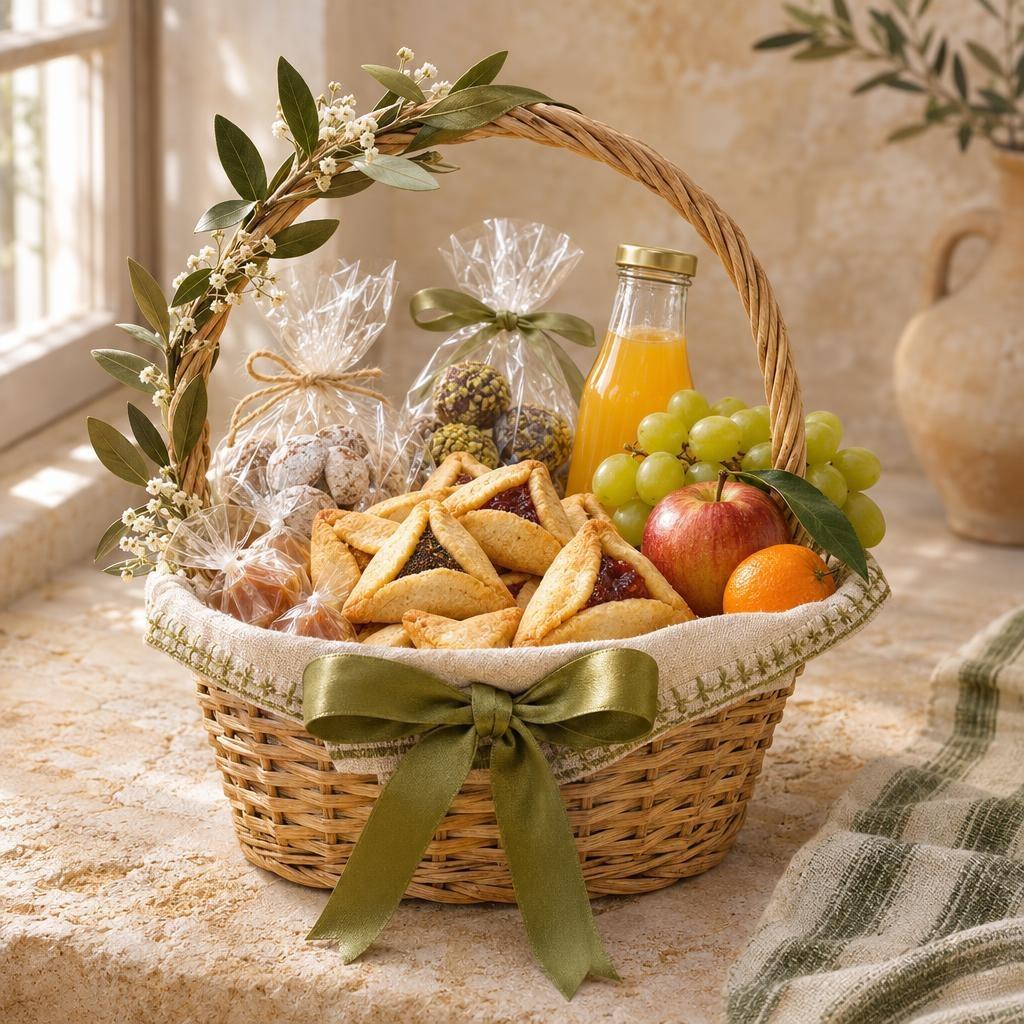
A Purim gift basket of sweets and pastries, mishloach manot

On the label or sign

משלוח מנות
Purim food gift

מִשְׁלוֹחַ מָנוֹתPurim food gift

mishloach manot

US English

Purim food gift

UK English

Purim food gift

What it is

Mishloach manot is a gift of ready-to-eat food portions sent to another person. Shops, schools, and workplaces use baskets, boxes, and bags.

The difference

Oznei Haman often appear inside, but mishloach manot can contain other foods and is not another name for hamantaschen.

Common mistake

Do not translate mishloach manot as generic food delivery or assume the gift must contain only sweets.

סְעוּדַת פּוּרִיםPurim feast

se'udat Purim

US English

Purim feast

UK English

Purim feast

What it is

Se'udat Purim is the festive Purim meal. The meal is a required Purim food event, but the menu is not nationally fixed.

The difference

The Purim feast is usually a home or community meal rather than one distinctive retail product.

Common mistake

Do not say hamantaschen are the only or obligatory Purim food.

Tu BiShvat

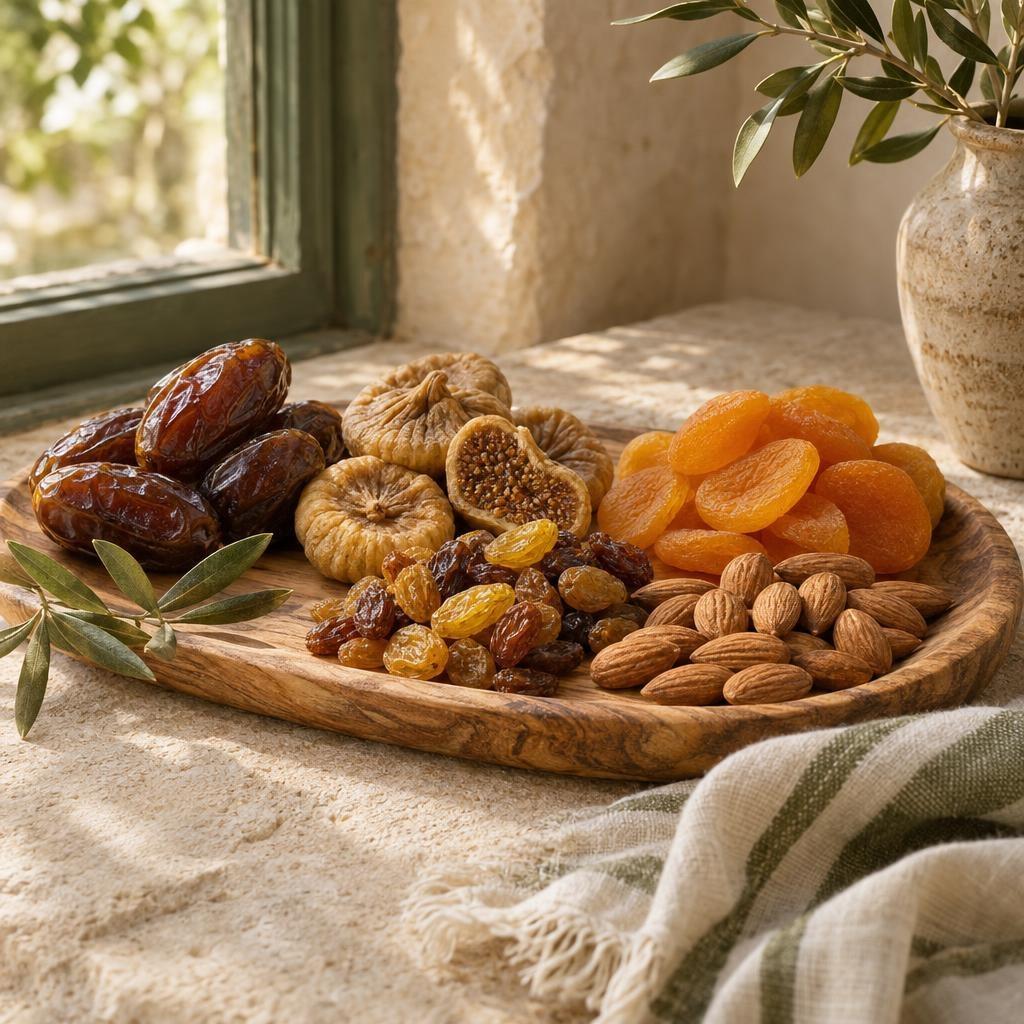
A tray of dried fruits and nuts for Tu BiShvat, peirot yevashim

On the label or sign

פיצוחים
nuts and seeds

פֵּרוֹת יְבֵשִׁיםDried fruit

peirot yevashim

US English

Dried fruit

UK English

Dried fruit

What it is

Dates, figs, apricots, raisins, and other dried fruit are strongly associated with Tu BiShvat. The custom developed when fresh fruit from the Land of Israel was difficult to transport.

The difference

Dried fruit has no inherent present-day preference over fresh fruit and is not a religious requirement.

Common mistake

Do not treat brightly colored dried fruit as uniquely Israeli or required for Tu BiShvat.

On the label or sign

שבעת המינים
Seven Species

שִׁבְעַת הַמִּינִיםSeven Species

shiv'at haminim

US English

Seven Species

UK English

Seven Species

What it is

The Seven Species are wheat, barley, grape, fig, pomegranate, olive, and date or date honey. The foods may be fresh, dried, or made into products.

The difference

Shiv'at haminim does not mean seven kinds of dried fruit.

Common mistake

Do not count bee honey as an eighth species or replace the grains with nuts.

סֵדֶר ט״וּ בִּשְׁבָטTu BiShvat seder

seder Tu BiShvat

US English

Tu BiShvat seder

UK English

Tu BiShvat seder

What it is

A seder Tu BiShvat is a structured fruit and wine ceremony modeled in some respects on the Passover Seder. A table may group different fruits and four cups of wine or juice.

The difference

The ceremony is a later custom practiced by some families and institutions, not by everyone.

Common mistake

Do not assume seder always means Passover or that every Tu BiShvat gathering follows one fixed text.

Passover

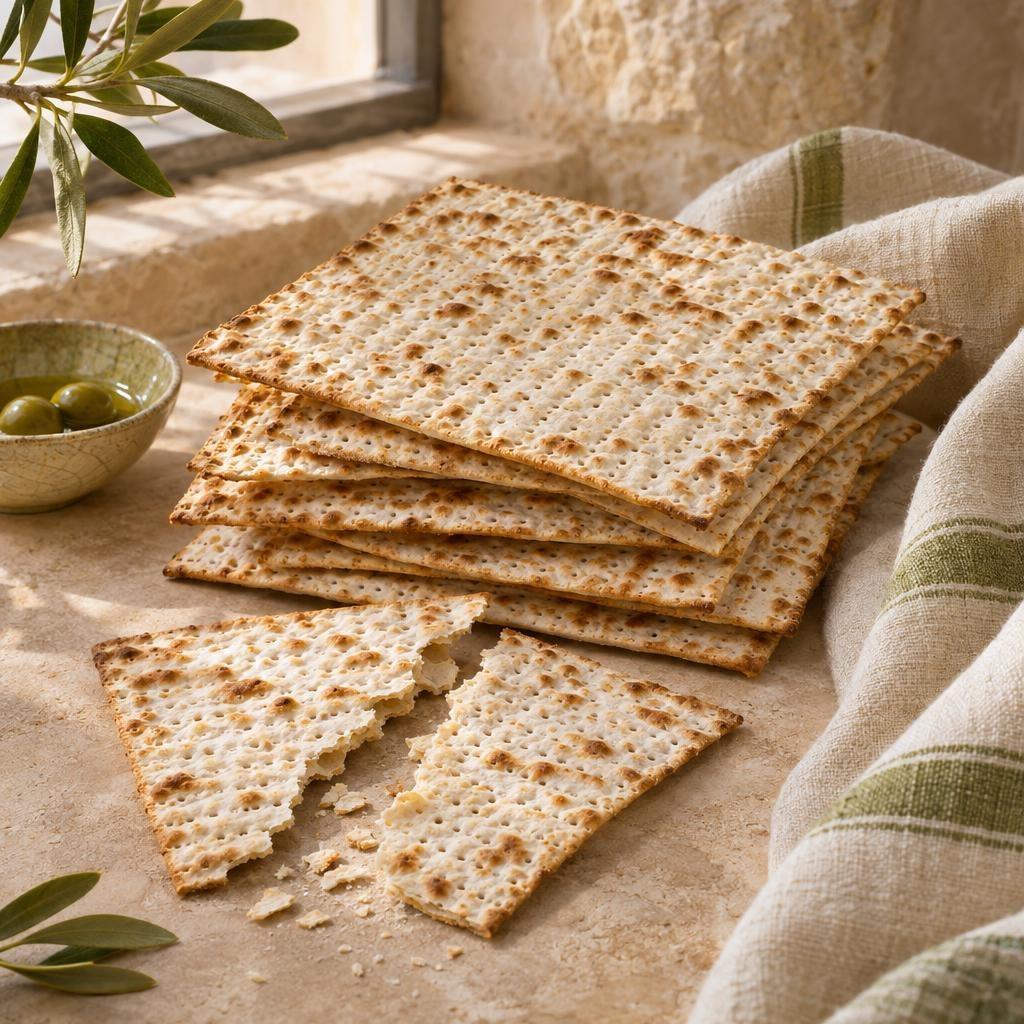
A stack of matzah sheets, one broken

On the label or sign

כשר לפסח
kosher for Passover
מצה שמורה
guarded matzah

מַצָּה / מצותMatzah

matzah / matzot

US English

Matzo or matzah

UK English

Matzo or matzah

What it is

Matzah is unleavened flatbread. Eating matzah at the Seder is ritual, and matzah replaces ordinary bread during Passover.

The difference

Standard Israeli machine matzah is crisp, thin, and square, but unleavened bread is more accurate than cracker. Matzah is singular, and matzot is plural.

Common mistake

Check the full Passover certification and year because a Passover product is not automatically suitable for every Seder use or household custom.

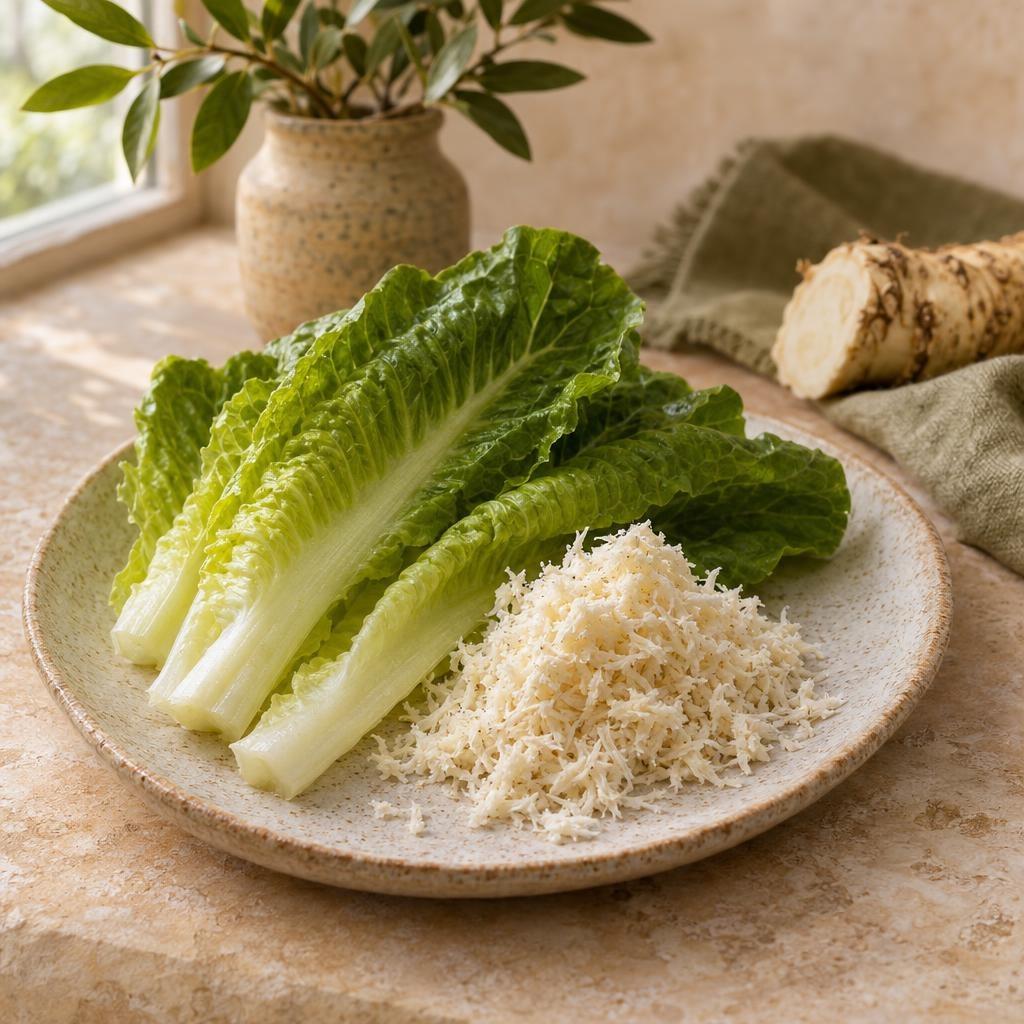
Romaine stalks and grated horseradish, maror and chazeret

On the label or sign

מרור
bitter-herb position

מָרוֹרBitter herbs

maror

US English

Bitter herbs

UK English

Bitter herbs

What it is

Maror is the Seder's bitter-herb category and represents the bitterness of slavery. Romaine lettuce is common in Israel, while some homes use horseradish.

The difference

Maror is a ritual category, not one specific supermarket herb named maror.

Common mistake

Do not assume maror always means horseradish because the actual plant depends on household custom.

On the label or sign

חזרת
second bitter-herb position or horseradish

חֲזֶרֶתSecond bitter-herb portion

chazeret

US English

Horseradish or second bitter-herb portion

UK English

Horseradish or second bitter-herb portion

What it is

Chazeret is the second bitter-herb position on many Seder plates and is used for the Hillel sandwich. In everyday modern Hebrew, chazeret also means horseradish.

The difference

A plate can label both maror and chazeret without requiring two unrelated plant species. Israeli sources also identify lettuce as bitter herb.

Common mistake

Follow the household's Haggadah and custom instead of translating chazeret as one fixed plant.

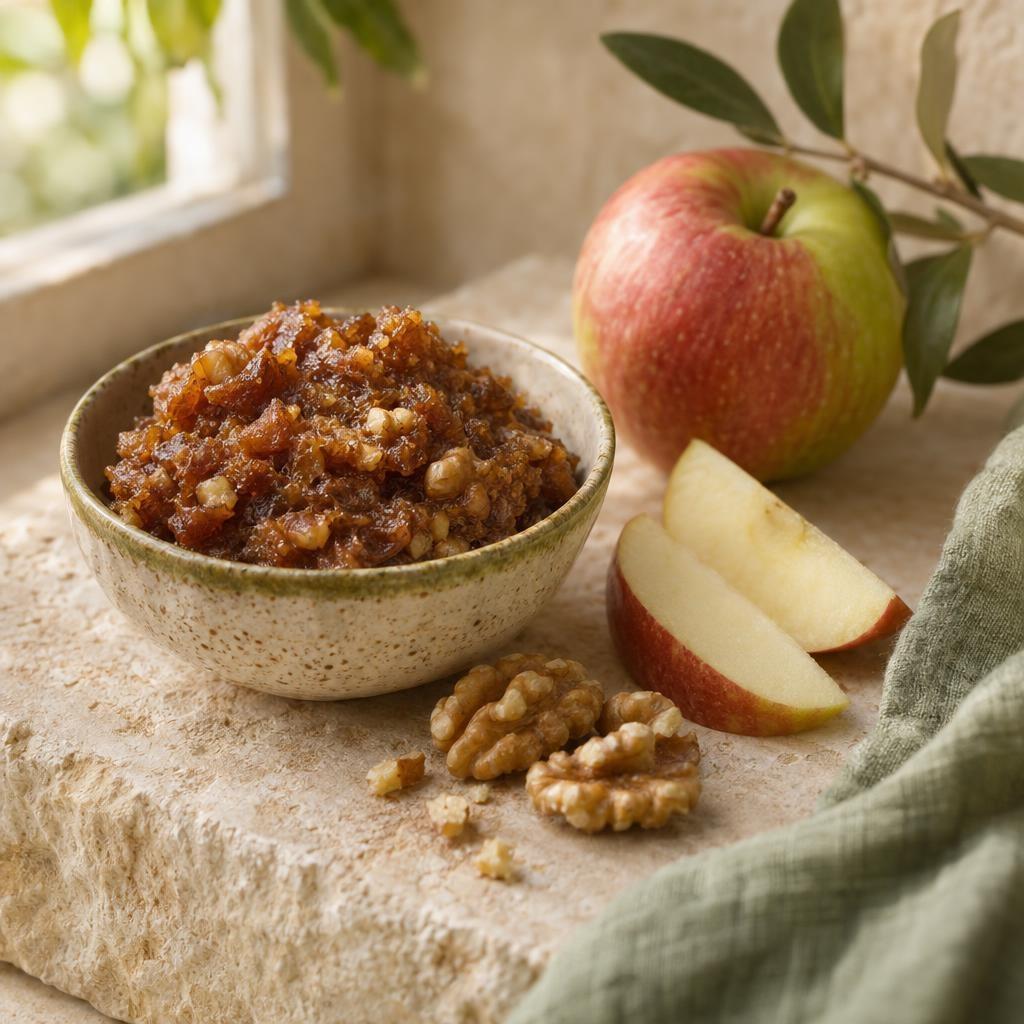
A bowl of charoset fruit and nut paste

חֲרֹסֶתCharoset

charoset

US English

Charoset or haroset

UK English

Charoset or haroset

What it is

Charoset is a thick sweet paste or relish that symbolizes mortar. Ashkenazi versions often use apple, nuts, and wine, while many Sephardi and Mizrahi versions use dates or dried fruit.

The difference

There is no single Israeli charoset recipe. The sweet taste does not make charoset a dessert.

Common mistake

Do not call charoset chutney and assume one recipe fits every community.

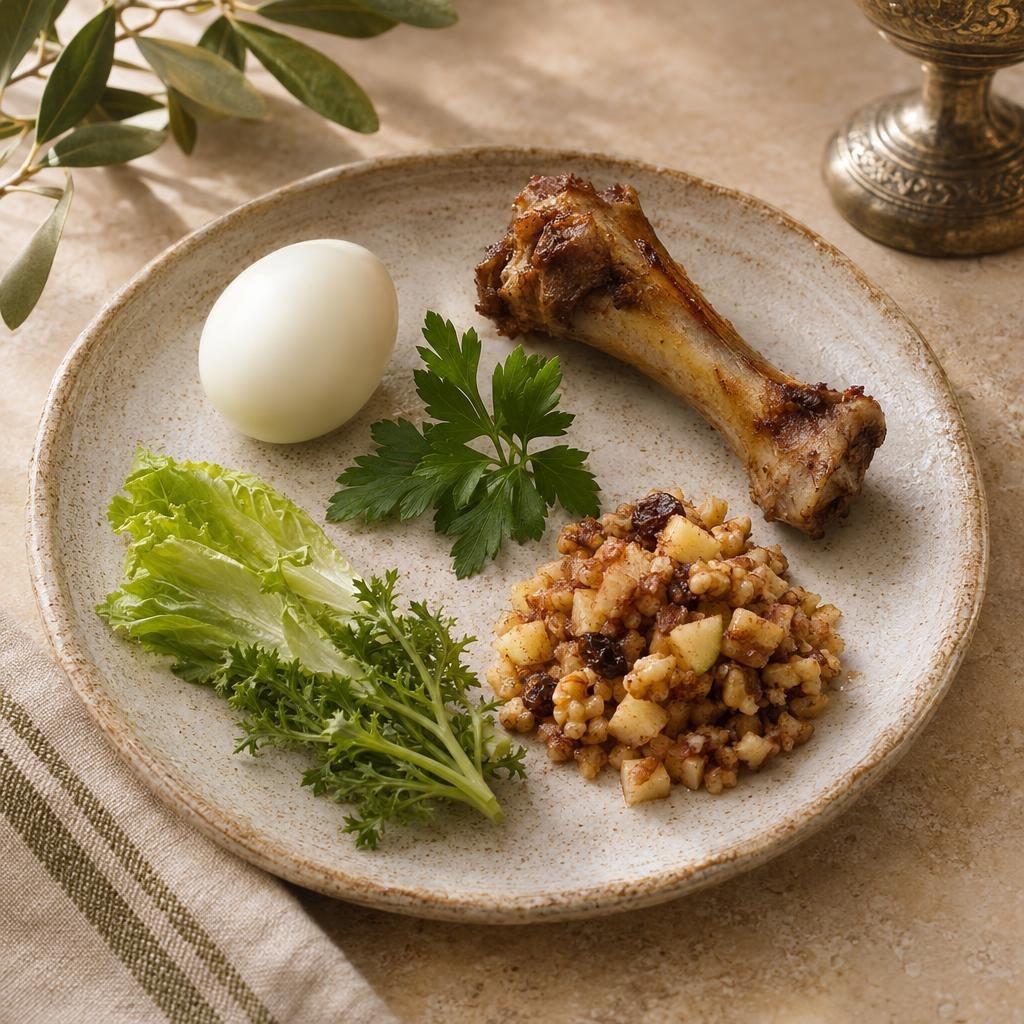
A seder plate with its symbolic foods

On the label or sign

כרפס
ritual vegetable position

כַּרְפַּסSeder vegetable

karpas

US English

Karpas; vegetable dipped early in the Seder

UK English

Karpas; vegetable dipped early in the Seder

What it is

Karpas is a small vegetable portion dipped in salt water or another liquid early in the Seder. Families may use celery, parsley, onion, or potato.

The difference

Karpas names the ritual role, not one vegetable that is always parsley.

Common mistake

Do not search for a product named karpas or insist that the vegetable must be parsley.

On the label or sign

זרוע
roasted bone position

זְרוֹעַRoasted bone

zeroa

US English

Roasted shank bone or roasted bone

UK English

Roasted shank bone or roasted bone

What it is

Zeroa is a roasted bone on the Seder plate that commemorates the Passover sacrifice and the outstretched arm. Families may use a chicken wing, chicken neck, or lamb bone.

The difference

Zeroa is a plate symbol rather than an English-style lamb-shank course. Vegetarian symbolic substitutions are community choices.

Common mistake

Do not expect every Seder plate to use a lamb shank.

On the label or sign

ביצה
egg position

בֵּיצָהSeder plate egg

beitzah

US English

Roasted or hard-boiled egg

UK English

Roasted or hard-boiled egg

What it is

Beitzah is an egg on the Seder plate that recalls the festival offering. Families may also serve eggs in salt water.

The difference

The plate egg is separate from zeroa and is not the hidden afikoman.

Common mistake

Do not treat every egg served during the meal as one of the Seder plate items.

On the label or sign

תירוש
grape juice or must

אַרְבַּע כּוֹסוֹתFour ritual cups

arba kosot

US English

Four cups of wine or grape juice

UK English

Four cups of wine or grape juice

What it is

Arba kosot are four ritual cups of wine or grape juice drunk at set points in the Seder. Grape juice is a common nonalcoholic option.

The difference

The four cups are one repeated ritual measure, not four different beverages or Elijah's separate ceremonial cup.

Common mistake

Do not count Elijah's cup as one of the four cups.

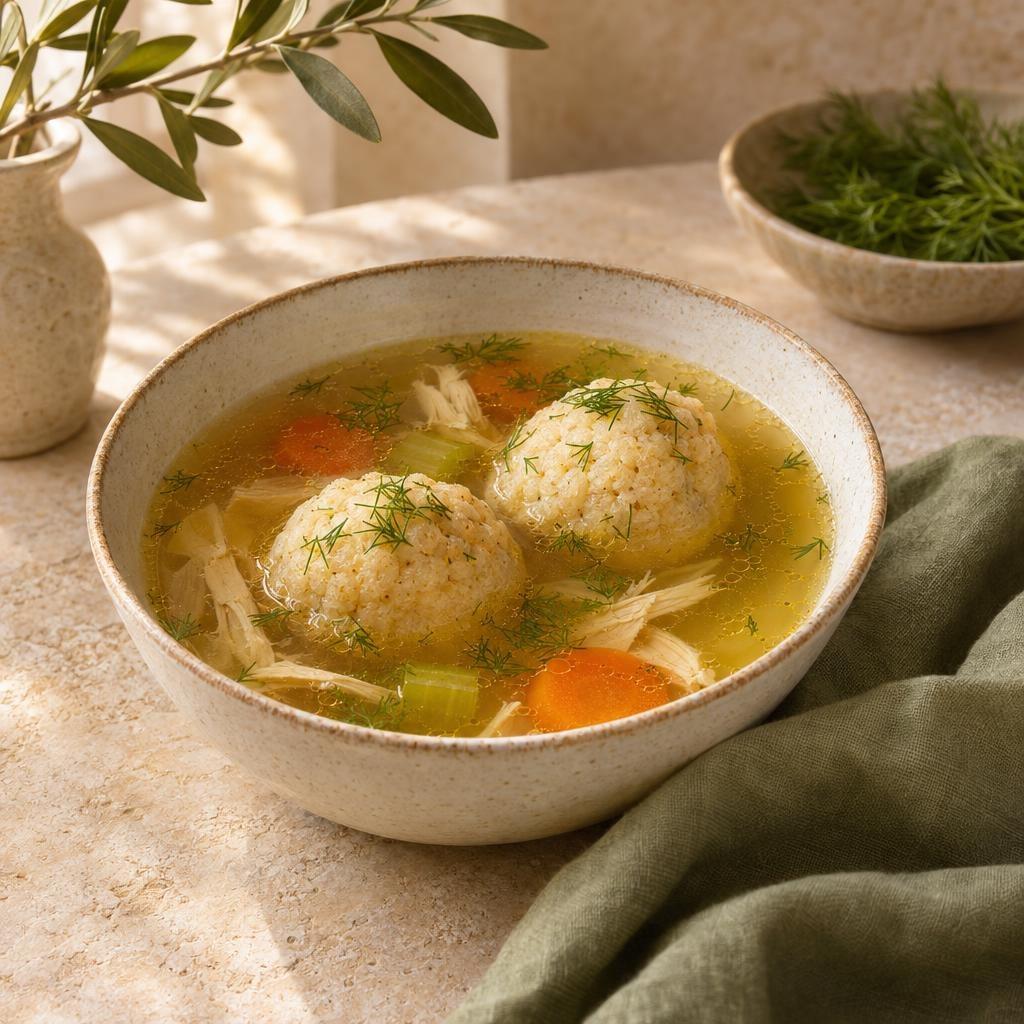
Matzo balls in chicken soup, kneidlach

On the label or sign

קמח מצה
matzo meal
קניידלעך
matzo balls

קניידלעךMatzo balls

kneydlakh

US English

Matzo balls

UK English

Matzo balls

What it is

Kneydlakh are dumplings made from matzo meal and usually served in soup. They are a strong Ashkenazi custom during Passover.

The difference

Kneydlakh are not a Seder requirement and are not universal across communities. Matzo-ball mix is not matzah itself.

Common mistake

Buy קמח מצה for matzo meal rather than confusing a kneydlakh mix with sheets of matzah.

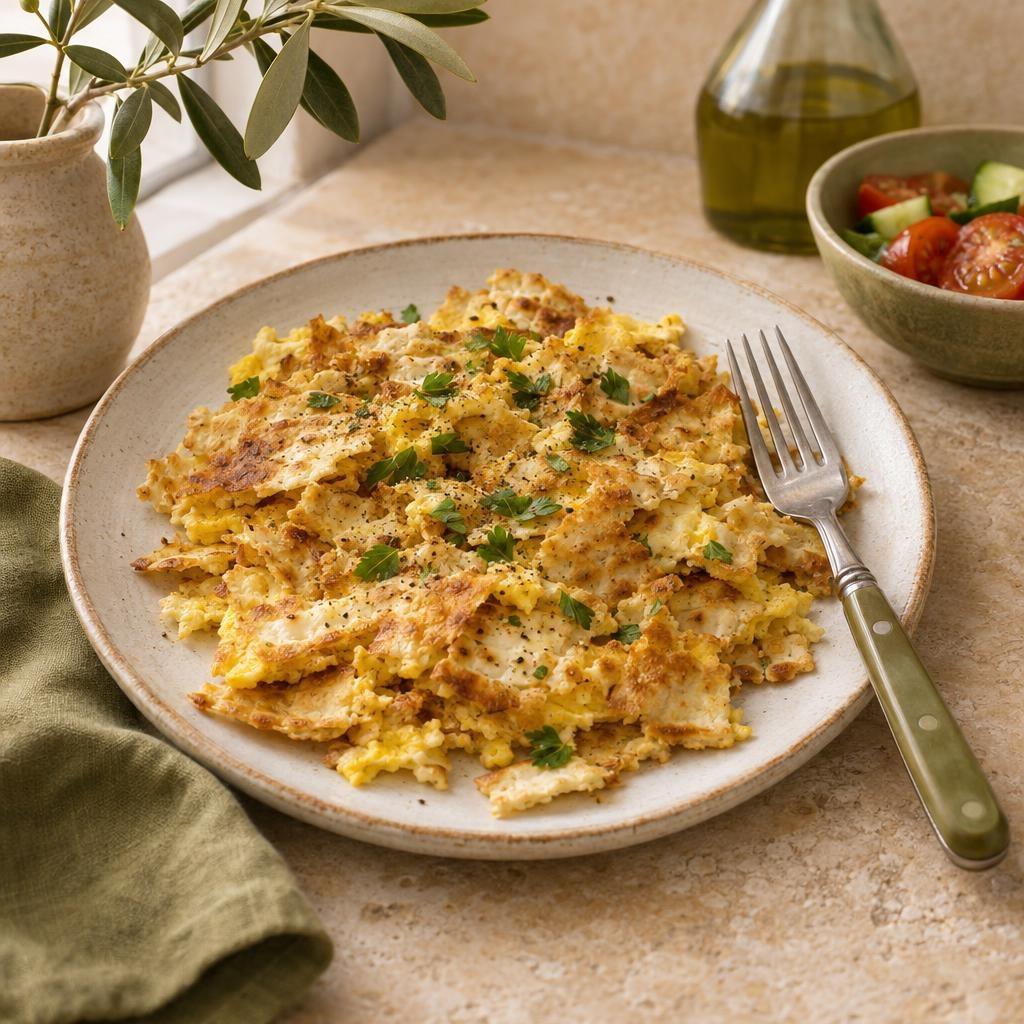
Fried matzah and egg, matzah brei

מצה ברייFried matzah and egg

matzah brei

US English

Fried matzah and egg

UK English

Fried matzah and egg

What it is

Matzah brei is broken matzah softened and fried with egg. Ashkenazi homes serve sweet and savory versions during Passover.

The difference

Matzah brei is a home dish, not a Seder plate element or a brand.

Common mistake

Do not confuse matzah brei with matzo balls.

On the label or sign

לאוכלי קטניות
for those who eat kitniyot
מכיל קטניות
contains kitniyot

קִטְנִיּוֹתPassover custom category

kitniyot

US English

Legumes and a broader Passover custom category

UK English

Pulses and a broader Passover custom category

What it is

Kitniyot includes rice, beans, chickpeas, and related foods in Passover practice. These foods are not chametz, but Ashkenazi custom generally avoids the category while many Sephardi communities eat it under their own rules.

The difference

The Hebrew Passover category is broader than the botanical English term legumes.

Common mistake

Do not rely on כשר לפסח alone when the household follows a kitniyot restriction.

Lag BaOmer

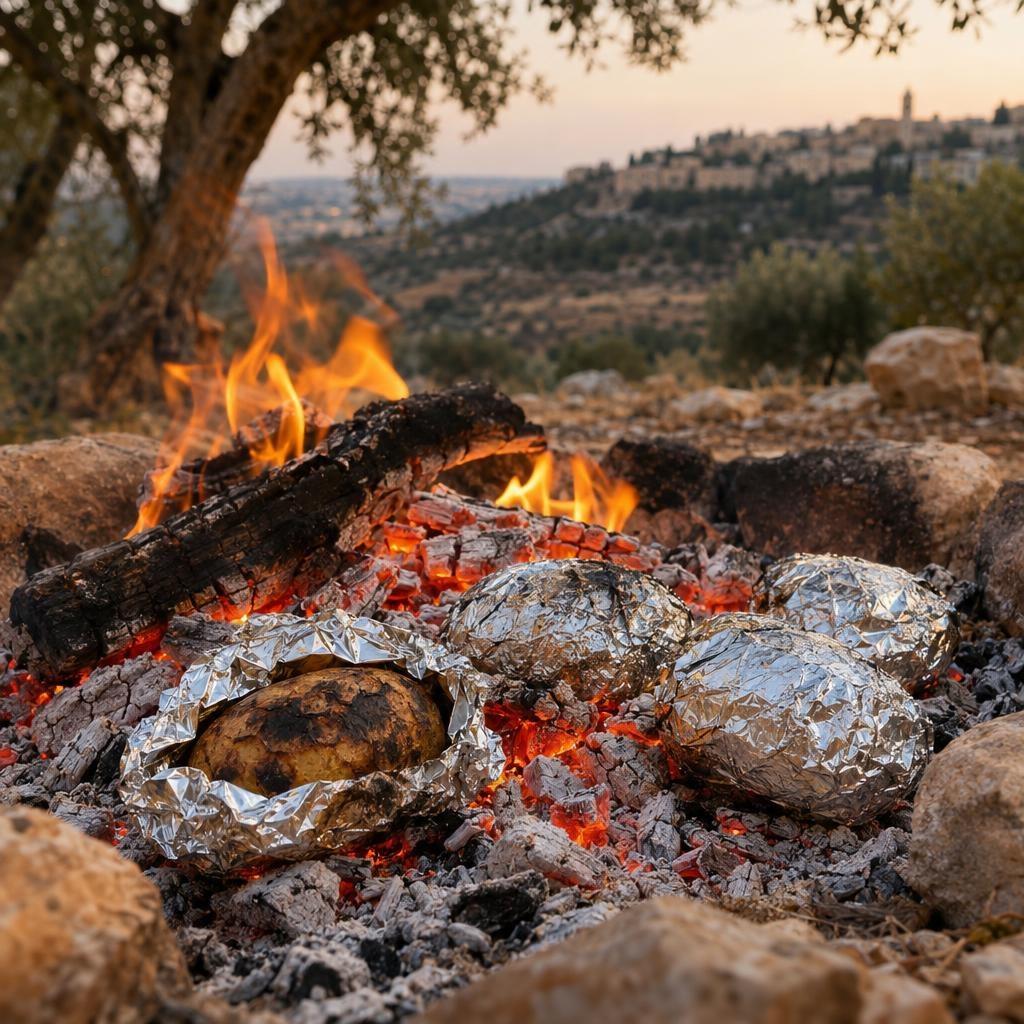
Potatoes baking in the embers of a Lag BaOmer bonfire

תפוחי אדמה במדורהBonfire-baked potatoes

tapuhei adama bamedurah

US English

Bonfire-baked potatoes

UK English

Bonfire-baked potatoes

What it is

Tapuhei adama bamedurah are whole potatoes baked in bonfire embers, often wrapped in foil. They are a widespread Israeli Lag BaOmer food.

The difference

Bonfire potatoes are a modern custom, not a religious requirement.

Common mistake

Do not present marshmallows or hot dogs as the sole traditional Lag BaOmer food.

Shavuot

On the label or sign

מאכלי חלב
dairy foods

מַאֲכָלֵי חָלָבDairy foods

ma'akhalei chalav

US English

Dairy foods

UK English

Dairy foods

What it is

Ma'akhalei chalav is the umbrella for cheese, dairy pastries, pasta, quiche, and desserts eaten by many families on Shavuot.

The difference

Eating dairy foods is a widespread Shavuot custom, not a commandment. Shavuot is also linked to harvest and first fruits.

Common mistake

Do not assume every Israeli Shavuot meal must be dairy or that meat is religiously forbidden.

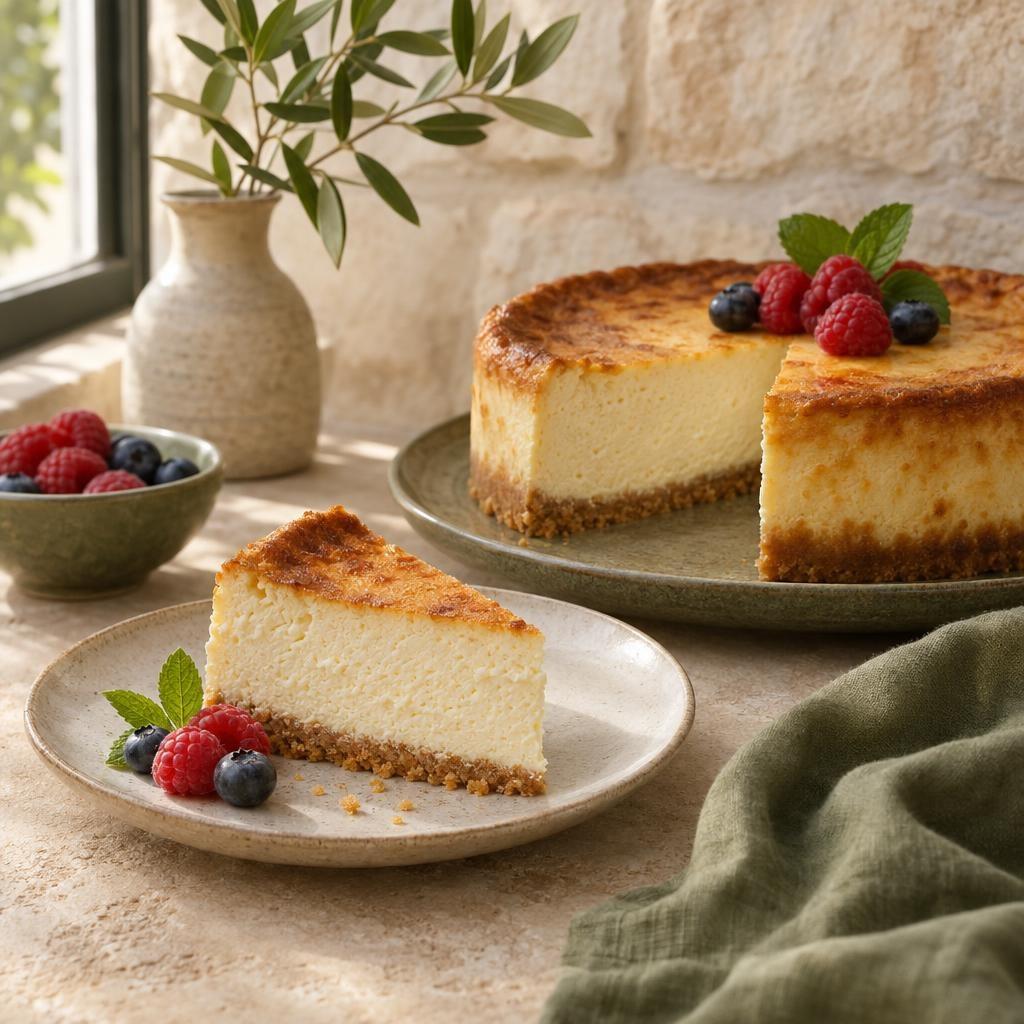
A slice of cheesecake, ugat gevinah

On the label or sign

עוגות גבינה
cheesecakes
מאכלי חלב
dairy foods

עוּגַת גְּבִינָהCheesecake

ugat gevinah

US English

Cheesecake

UK English

Cheesecake

What it is

Ugat gevinah is Shavuot's strongest dessert association. Israeli versions may be baked, chilled, crumb-topped, mousse, or Basque style.

The difference

Cheesecake expresses the broader Shavuot dairy custom, not a ritual requirement. An Israeli cheesecake does not have to be a dense New York style cake.

Common mistake

Do not assume every Israeli Shavuot meal must be dairy or that meat is religiously forbidden.

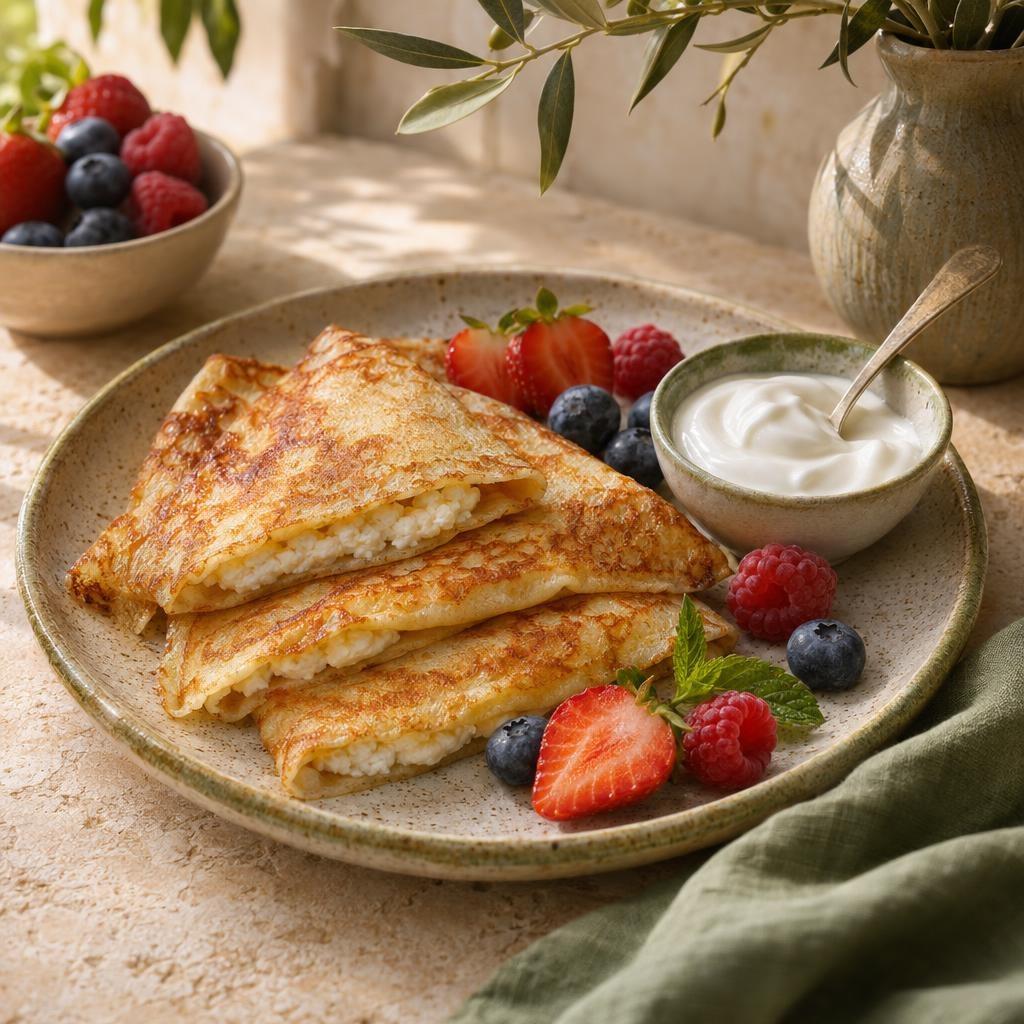
Folded cheese blintzes with berries

On the label or sign

בלינצ׳ס גבינה
cheese blintzes

בלינצ׳סCheese blintzes

blintzes

US English

Cheese blintzes

UK English

Cheese blintzes

What it is

Blintzes are thin pancakes folded around soft cheese, sometimes with fruit, and fried or baked. Cheese blintzes fit the Shavuot dairy custom.

The difference

Blintzes are an Ashkenazi custom, not a universal or uniquely Israeli dish. The filled and folded form matters more than the loose comparison to crêpes.

Common mistake

Do not call blintzes plain crêpes without mentioning the filling and fold.

Mimouna

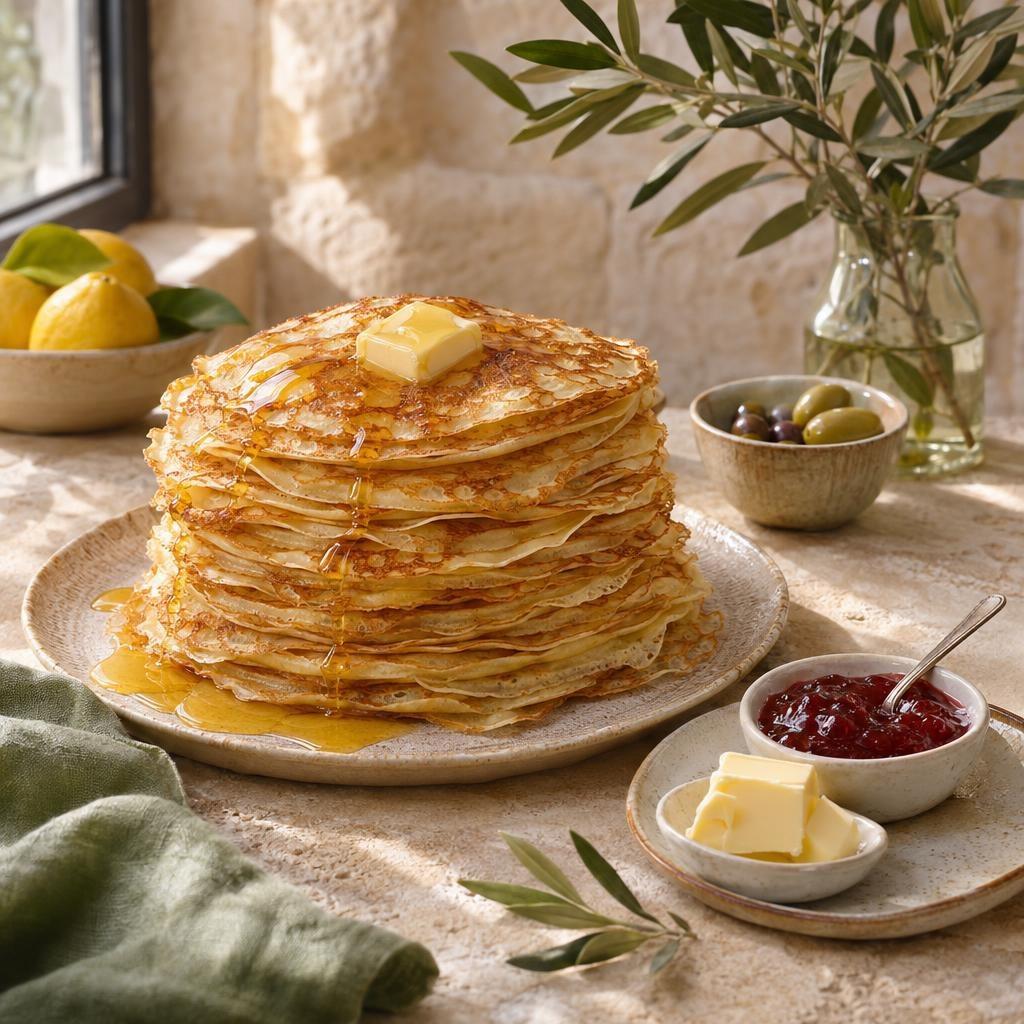
A stack of mufleta pancakes with butter and honey

מוּפְלֵטָהMoroccan griddled flatbread

mufleta

US English

Thin griddled Moroccan pancake or flatbread

UK English

Thin griddled Moroccan pancake or flatbread

What it is

Mufleta is soft wheat dough stretched thin, cooked in an oiled stack, and served hot with butter and honey. Mufleta is the defining Moroccan-Israeli food of Mimouna.

The difference

Mufleta is chametz, so preparation begins after Passover ends. Mimouna is a North African and Moroccan Jewish celebration, not a Torah festival.

Common mistake

Do not call mufleta a crêpe, fried doughnut, or Passover food.

זַבָּאן / ז׳אבןCooked meringue-like sweet

zaban

US English

Cooked meringue-like sweet

UK English

Cooked meringue-like sweet

What it is

Zaban is egg-white foam cooked with sugar syrup, served in cups, and decorated with almonds or nuts. Zaban appears on traditional Mimouna sweet tables.

The difference

Zaban is a documented community sweet but is much less universal than mufleta.

Common mistake

Do not assume every Mimouna table has zaban or confuse zaban with sfenj.

Yom HaAtzmaut

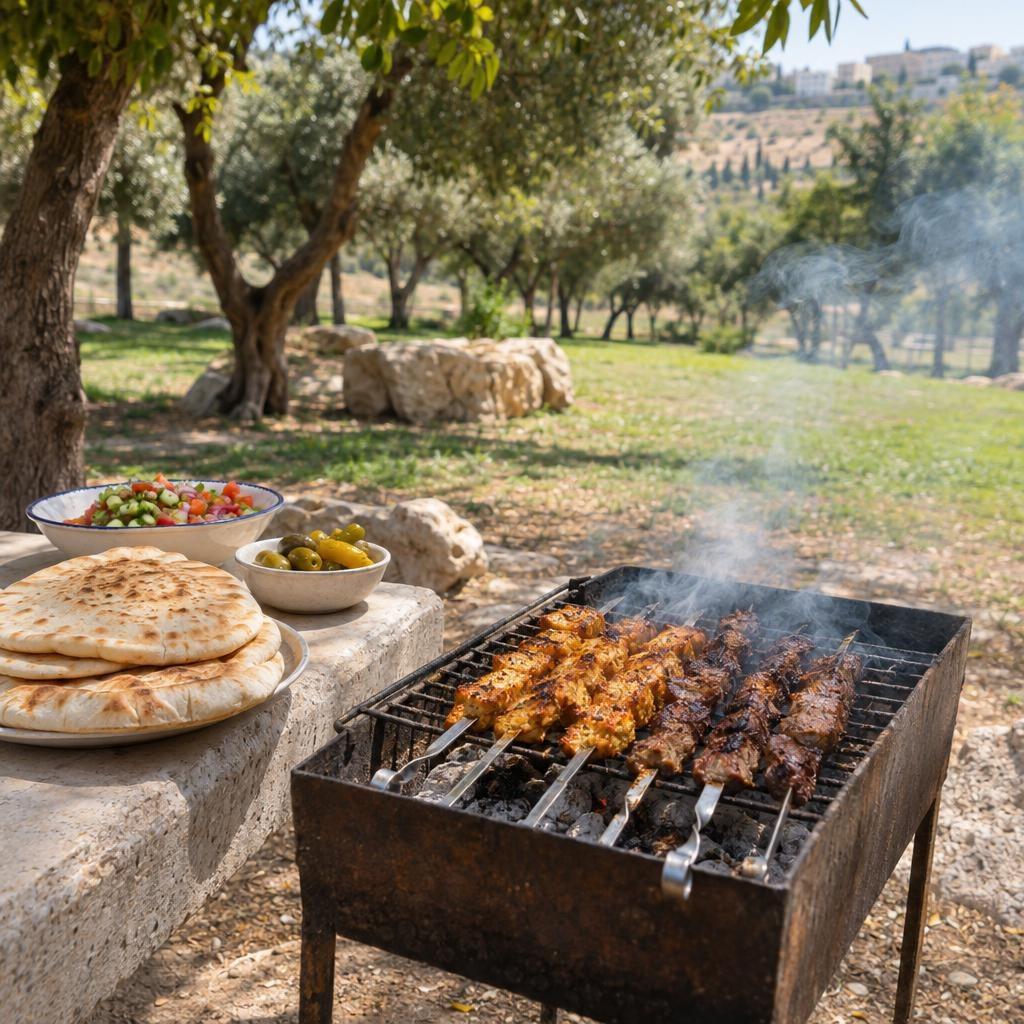
A mangal barbecue in a park with skewers on the grill

מַנְגָּל / עַל הָאֵשׁBarbecue or cookout

mangal / al ha'esh

US English

Barbecue or cookout

UK English

Barbecue

What it is

Mangal can mean the charcoal grill or the barbecue event. Al ha'esh means food grilled on the fire.

The difference

The Yom HaAtzmaut barbecue association is a modern public custom, not a religious practice. Fire restrictions can override the custom.

Common mistake

Do not translate mangal as one meat dish.

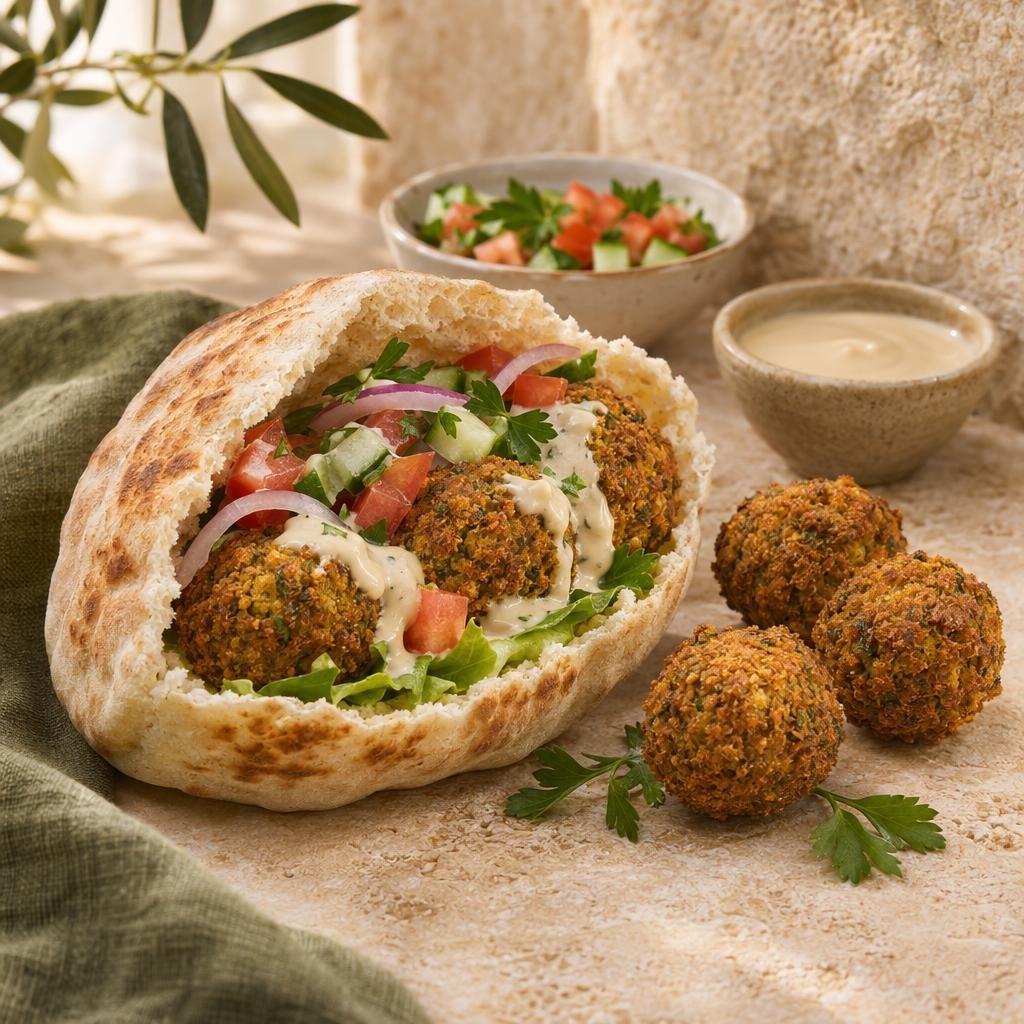
Falafel in a pita with salad and tahini

פָלָאפֶלFalafel

falafel

US English

Falafel

UK English

Falafel

What it is

Falafel is fried chickpea balls often served in pita. Israeli education material presents falafel as a national food association for Yom HaAtzmaut alongside picnic food.

The difference

Falafel is eaten all year and is not exclusive or obligatory on Yom HaAtzmaut.

Common mistake

Do not claim the holiday association proves that Israel invented falafel.

Your English Recipe or Invitation Says This. Look for This Hebrew.

Your English recipe or invitation says this. Look for this Hebrew.
English saysLook for in IsraelKeep in mind
Filled doughnuts for HanukkahסופגניותsufganiyotUse sufganiyah for one.
Latkes for Hanukkahלביבות תפוחי אדמהlevivot tapuchei adamaThe label specifies potato.
Hamantaschen for Purimאוזני המןoznei HamanUse ozen Haman for one.
Purim food giftמשלוח מנותmishloach manotThe gift can contain many foods.
Dried fruit for Tu BiShvatפֵּרוֹת יְבֵשִׁיםpeirot yevashimDried fruit is customary, not required.
Matzah for PassoverמַצָּהmatzahCheck the full Passover label and year.
Bitter herbs for the Sederמרור / חזרתmaror / chazeretThe actual plants depend on custom.
Matzo mealקמח מצהkemach matzahUse for kneydlakh, not as matzah sheets.
Foods suitable for kitniyot eatersלאוכלי קטניותle'okhlei kitniyotCheck the household's Passover custom.
Cheesecake for Shavuotעוּגַת גְּבִינָהugat gevinahMany Israeli cheesecake styles appear.
Mimouna flatbreadמוּפְלֵטָהmufletaMufleta is made after Passover ends.
Independence Day barbecueמַנְגָּל / עַל הָאֵשׁmangal / al ha'eshThe words name a grill, event, or grilled food.

Knowing the word is half of it. Say it out loud.

A Hebrew speaking app with Maya and David, AI tutors who hold conversations, explain corrections and help you practise what you need to say. Private beta on iPhone and Android. Public store launch is still ahead. Free Classic lessons to start, no card needed.

Explore baba Learn

How we checked this guide

By the baba team. Checked on against 38 sources, mostly Israeli retailers, manufacturers and government pages, and updated . Products, labels and rules change, so check the pack or the office before you rely on a detail. Our methodology.

Frequently Asked Questions

Are sufganiyot, levivot, and oznei Haman the same holiday food?

No. Sufganiyot and levivot are Hanukkah customs. Oznei Haman are triangular Purim pastries called hamantaschen in English.

Does levivah always mean latke?

No. Latke fits the common potato version at Hanukkah, but levivah can also mean another kind of patty, pancake, or fritter.

Are hamantaschen required on Purim?

No. Oznei Haman are a Purim custom and symbol. The food-related Purim requirements are mishloach manot and the Purim feast.

What foods are required at a Passover Seder?

Matzah and maror have ritual roles at the Seder. The plate also includes symbolic foods such as charoset, karpas, zeroa, and beitzah, with ingredients that vary by household custom.

Is cheesecake required on Shavuot?

No. Dairy foods are a widespread Shavuot custom, and cheesecake is the most visible dessert association. An Israeli Shavuot meal does not have to be dairy.

More Hebrew-English Guides

All guides