baba
Free, no AIHebrew-English guide 11 of 100

Israeli Herbs, in Plain English

What kusbara, shamir, bazilikum and za'atar mean in English.

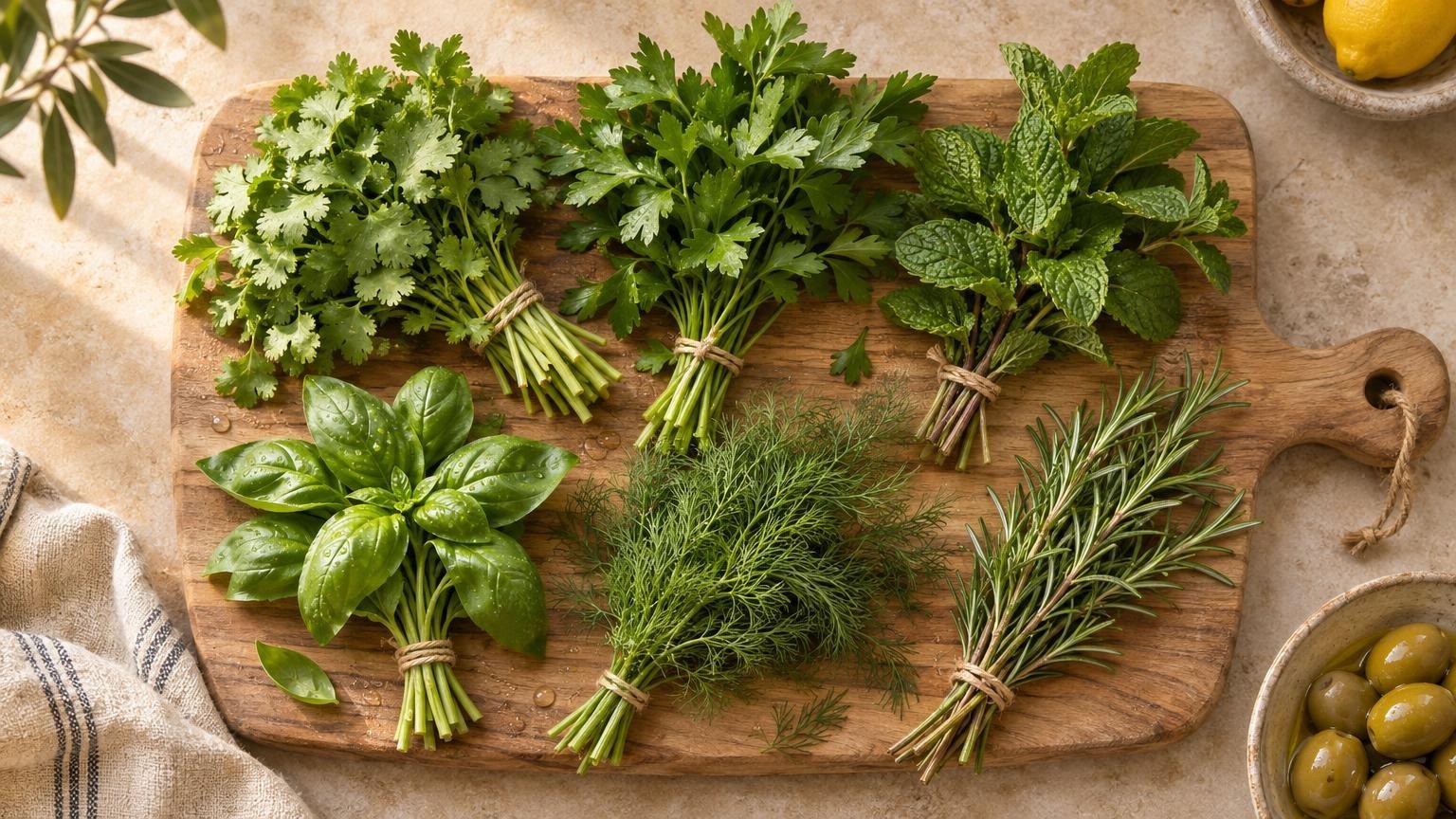
Fresh Israeli herbs: cilantro, parsley, mint, basil, dill and rosemary

Mix-Ups to Avoid

  1. Do not identify כוסברה by shape alone. Flat parsley can look similar, so read the label and smell a leaf.
  2. Do not assume זעתר means one product. Check whether the label shows the Origanum syriacum plant or a seasoning blend with an ingredient list.
  3. Do not swap לואיזה, מליסה and עשב לימון. They are lemon verbena, lemon balm and lemongrass, which are three distinct plants.
In This Guide31 entries

Core Market Herbs

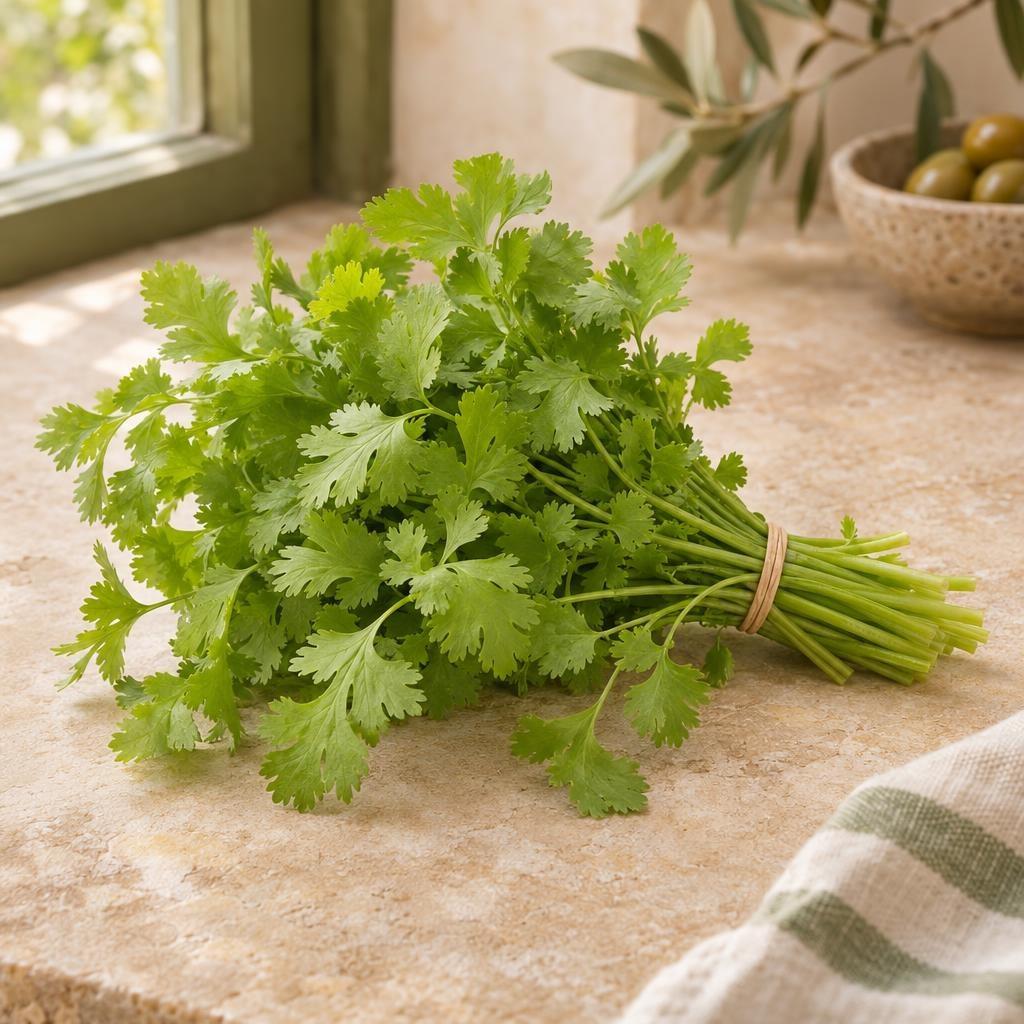
A bunch of fresh cilantro, kusbara

On the label or sign

כוסברה
cilantro in US English; coriander in UK English
כוסברה גומי
loose rubber-banded cilantro bunch
כוסברה ארוז
packed cilantro

כֻּסְבָּרָה / גַּד הַשָּׂדֶהCilantro

kusbara / gad ha-sadeh

US English

Cilantro for leaves; coriander seed for the dry spice

UK English

Coriander; coriander seed when specifying seed

What it is

כוסברה is Coriandrum sativum. Fresh leaves and dry fruits are different culinary forms.

The difference

US English calls the fresh leaves cilantro, while UK English calls them coriander. Dry כוסברה טחונה is ground seed, not dried cilantro leaf.

Common mistake

Do not buy flat parsley because the bunches look similar; read the label and smell a leaf.
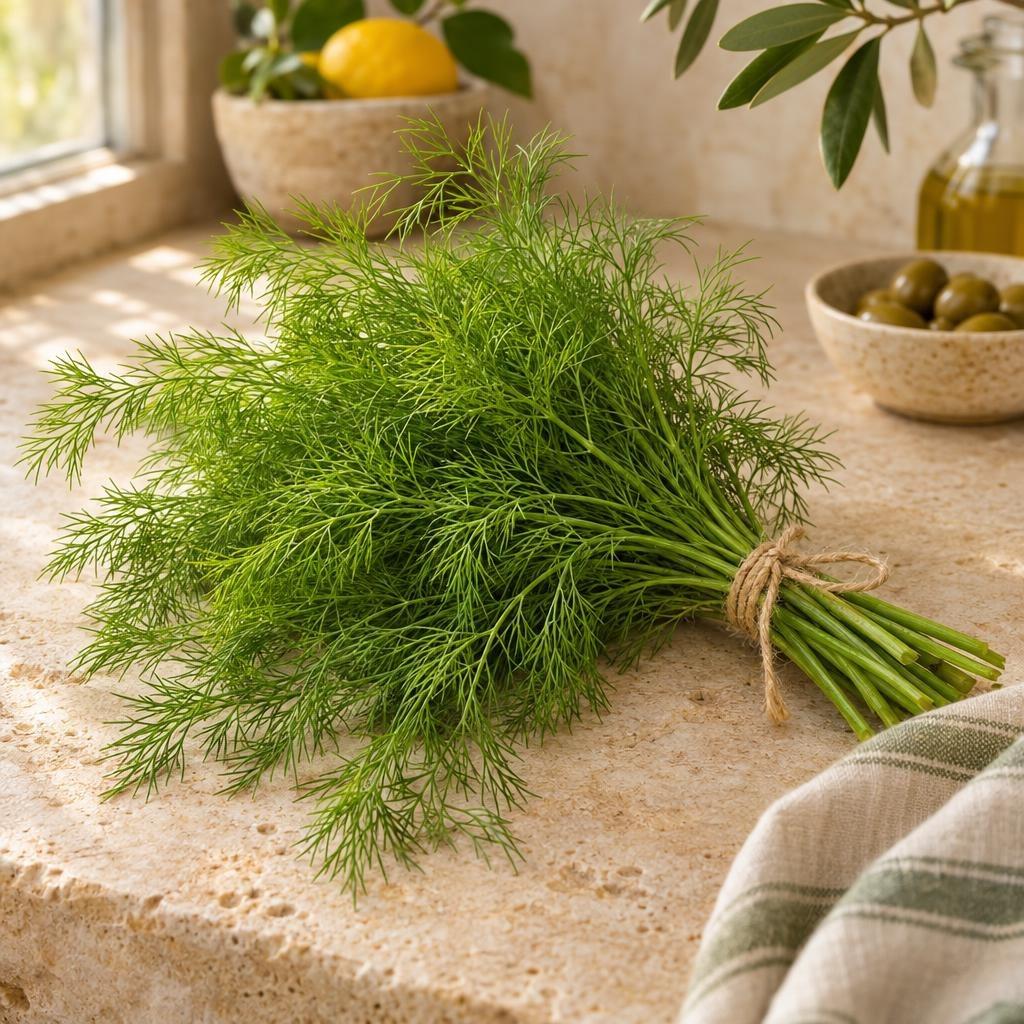
A bunch of fresh dill, shamir

On the label or sign

שמיר
dill
שמיר ארוז
packed dill

שָׁמִיר / שֶׁבֶת רֵיחָנִיDill

shamir / shevet reihani

US English

Dill

UK English

Dill

What it is

שמיר is Anethum graveolens. שמיר is the everyday name, while שבת ריחני is the official name.

The difference

Dill has soft, finely divided fronds. The fronds differ from fennel even though both look feathery.

Common mistake

Ask for שמיר in a shop, and do not substitute fennel fronds without noticing the flavour difference.

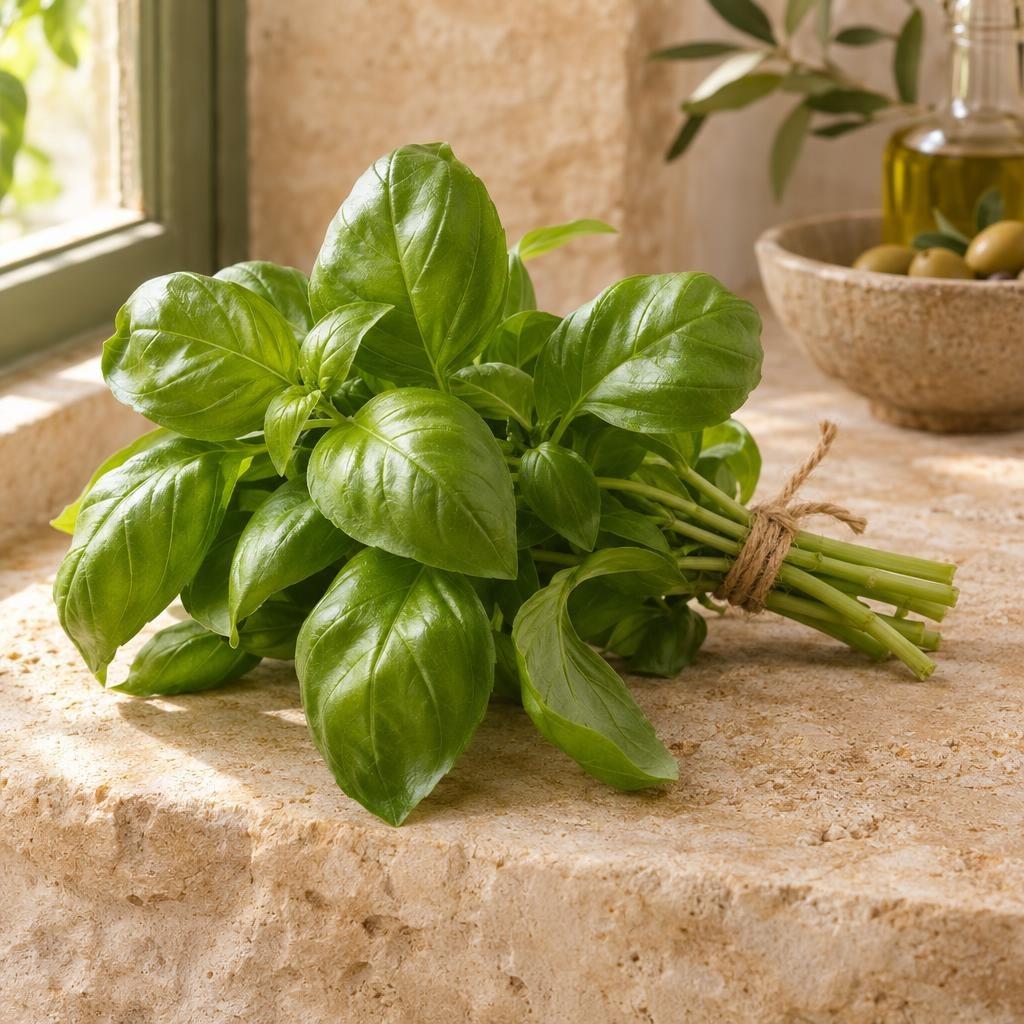
A bunch of fresh basil, reichan

On the label or sign

בזיליקום
basil
ריחן
basil
בזיל
basil

רֵיחָן / בָּזִיל / בָּזִילִיקוּםBasil

reihan / bazil / bazilikum

US English

Basil; ordinary green type is sweet basil

UK English

Basil; ordinary green type is sweet basil

What it is

ריחן or בזיליקום usually means Ocimum basilicum. Official ריחן and the common shelf name בזיליקום are synonyms.

The difference

Israel also distinguishes red or purple basil, lemon basil and cinnamon basil. Read the qualifier when the exact basil matters.

Common mistake

Do not search only for ריחן because a supermarket shelf may say בזיליקום.

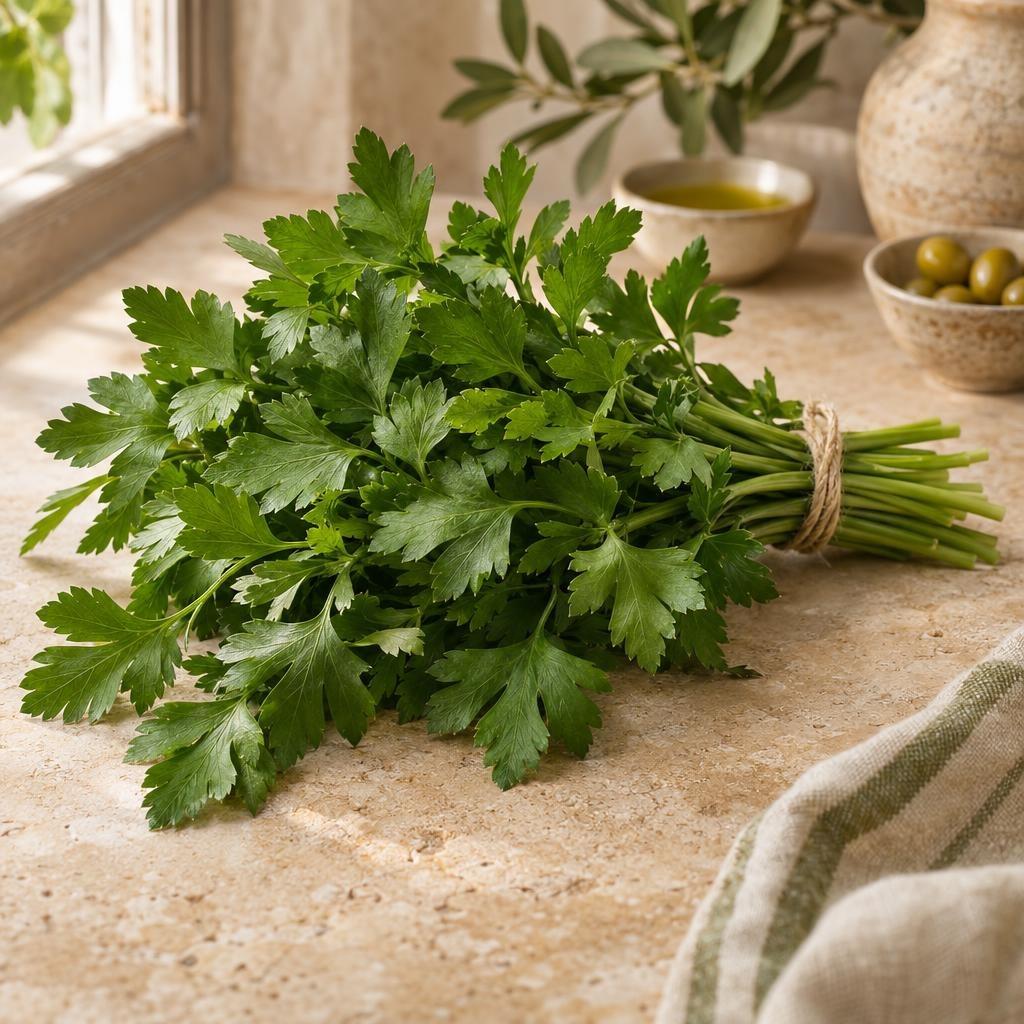
A bunch of flat-leaf parsley, petrozilya

On the label or sign

פטרוזיליה
parsley
פטרוזיליה גומי
loose rubber-banded parsley bunch
מסולסל
curly

פטרוזיליה / פטרוזילון חלקParsley

petrozilya / petrozilon halak

US English

Parsley; flat-leaf or Italian parsley

UK English

Parsley; flat-leaf parsley

What it is

פטרוזיליה is Petroselinum crispum. Israeli sources distinguish flat and curly forms.

The difference

Flat parsley has darker, firmer triangular leaflets than coriander. Curly parsley has visibly frilled leaves and should say מסולסל.

Common mistake

Do not take flat parsley for cilantro or assume פטרוזיליה means only curly garnish parsley.

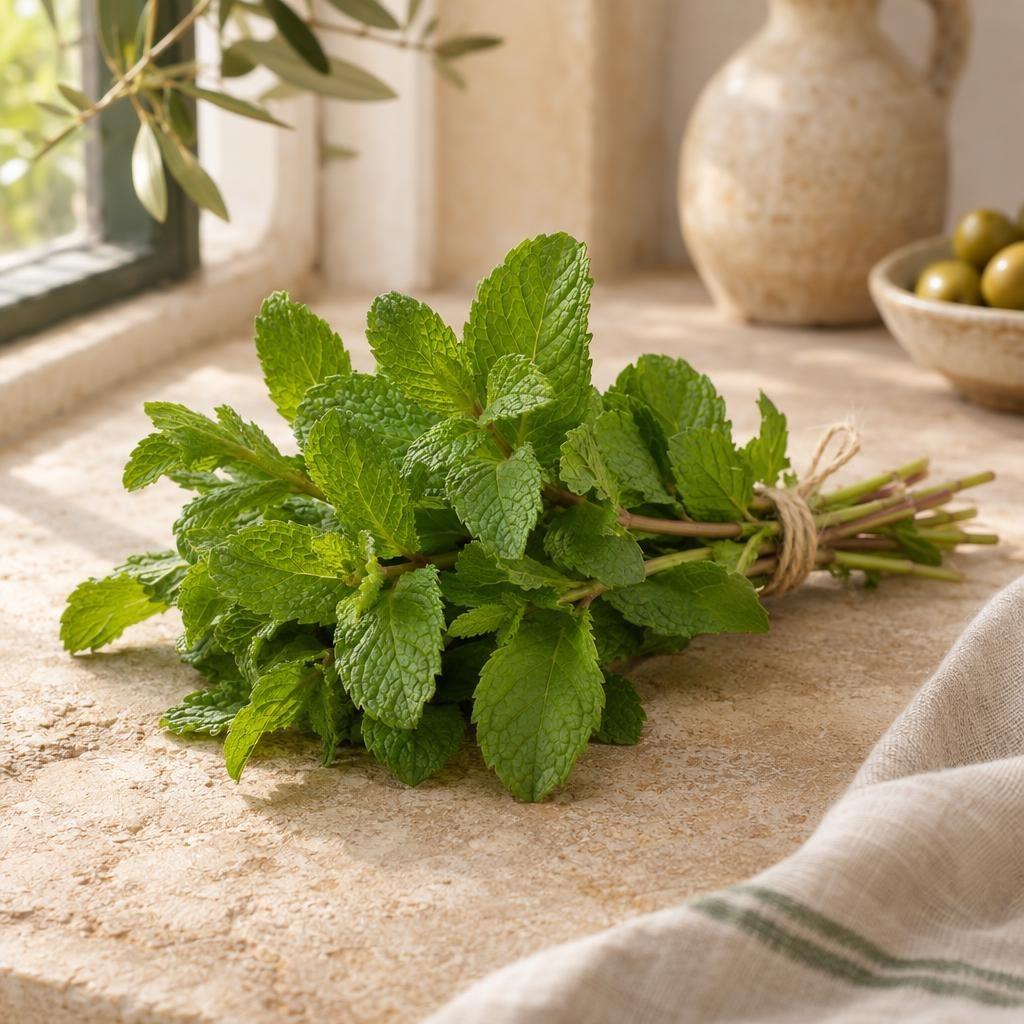
A bunch of fresh mint, na'ana

On the label or sign

נענע
mint
נענע ארוז
packed mint
מנטה
mint

נַעְנַע / מֶנְתָּהMint

na'ana / menta

US English

Mint

UK English

Mint

What it is

נענע is a generic market name for mint. Ordinary נענע does not identify one mint species in every Israeli source or nursery.

The difference

A label that says only mint does not prove peppermint. Check for a qualifier when the exact mint matters.

Common mistake

Do not translate every נענע as peppermint.

On the label or sign

נענע חריפה
peppermint
מנטה חריפה
peppermint

נַעְנַע חֲרִיפָהPeppermint

na'ana harifa

US English

Peppermint

UK English

Peppermint

What it is

נענע חריפה is Mentha × piperita, or peppermint. The Ministry list separates peppermint from generic mint.

The difference

Peppermint needs the qualifier חריפה. Aroma alone is not a reliable cultivar label.

Common mistake

Do not buy ordinary נענע when a recipe specifically requires peppermint.

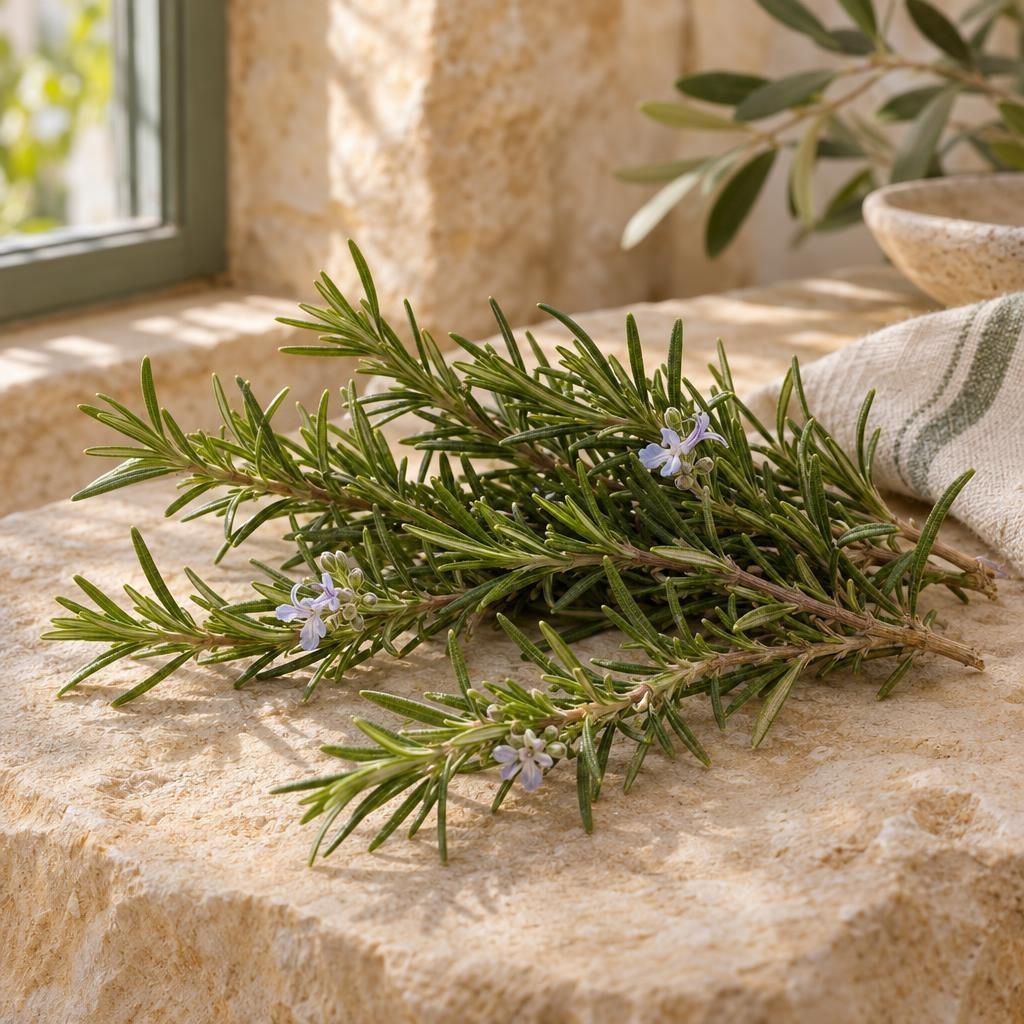
Sprigs of rosemary, rozmarin

On the label or sign

רוזמרין
rosemary

רוֹזְמָרִין רְפוּאִיRosemary

rozmarin refui

US English

Rosemary

UK English

Rosemary

What it is

רוזמרין רפואי is the standard rosemary herb. Israeli retail Hebrew remains רוזמרין.

The difference

The word רפואי is part of the official Hebrew name. רוזמרין רפואי is not limited to medicinal use.

Common mistake

Do not reject רוזמרין רפואי as medicinal only when buying ordinary culinary rosemary.

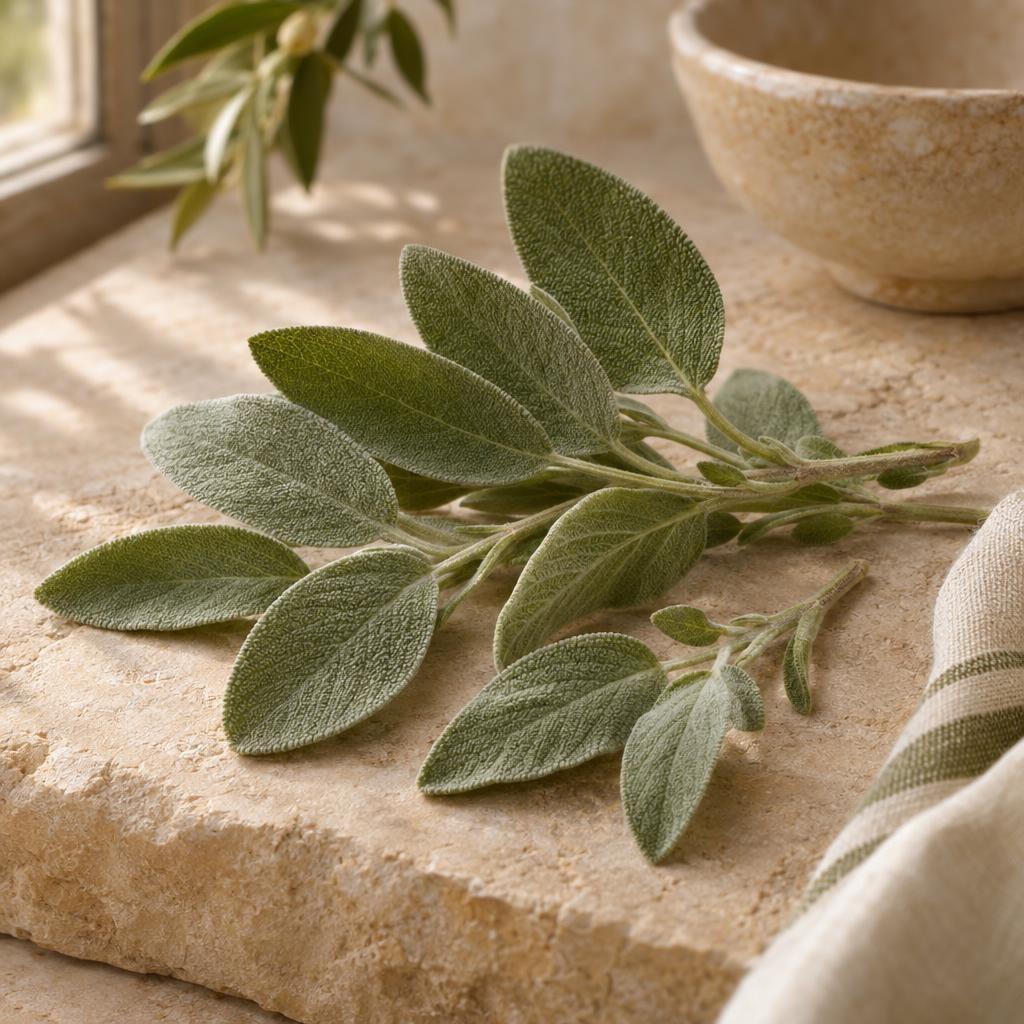
Sprigs of sage, marva

On the label or sign

מרווה רפואית
common culinary sage
מרווה
sage

מַרְוָה רְפוּאִיתCommon sage

marva refuit

US English

Common sage or culinary sage

UK English

Sage or common sage

What it is

מרווה רפואית is Salvia officinalis, the standard English culinary sage.

The difference

Israel also has the distinct three-lobed sage, מרווה משולשת. A label that says מרווה does not always identify the same sage species.

Common mistake

Do not treat every plant labelled מרווה as the same sage species.

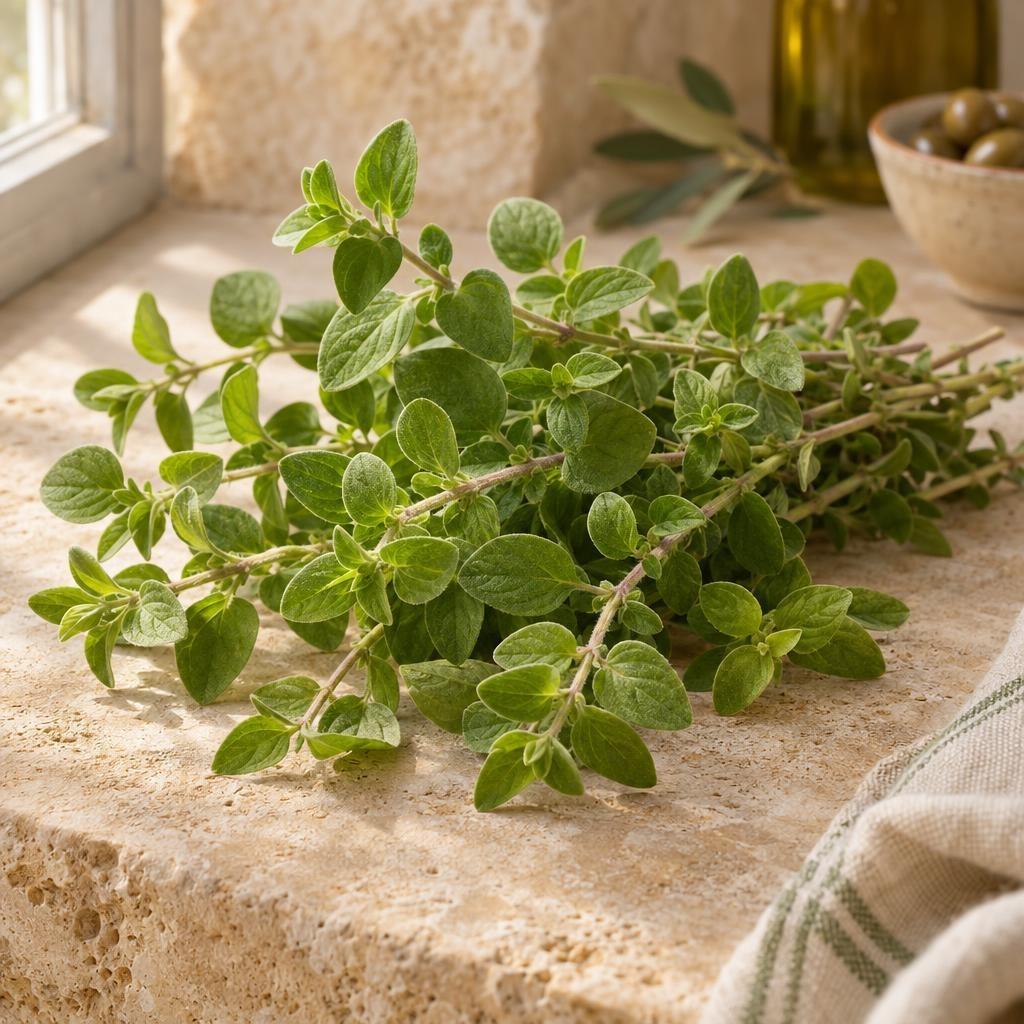
Fresh oregano sprigs, oregano

On the label or sign

אורגנו
oregano
אזובית פשוטה
official Hebrew for oregano

אוֹרֶגָנוֹ / אֲזוֹבִית פְּשׁוּטָהOregano

oregano / ezovit peshuta

US English

Oregano

UK English

Oregano

What it is

אורגנו is Origanum vulgare.

The difference

Oregano is related to the za'atar herb, but za'atar is Origanum syriacum. Oregano, marjoram and the za'atar plant are distinct herbs.

Common mistake

Do not assume oregano, marjoram and za'atar are interchangeable because all belong to Origanum.

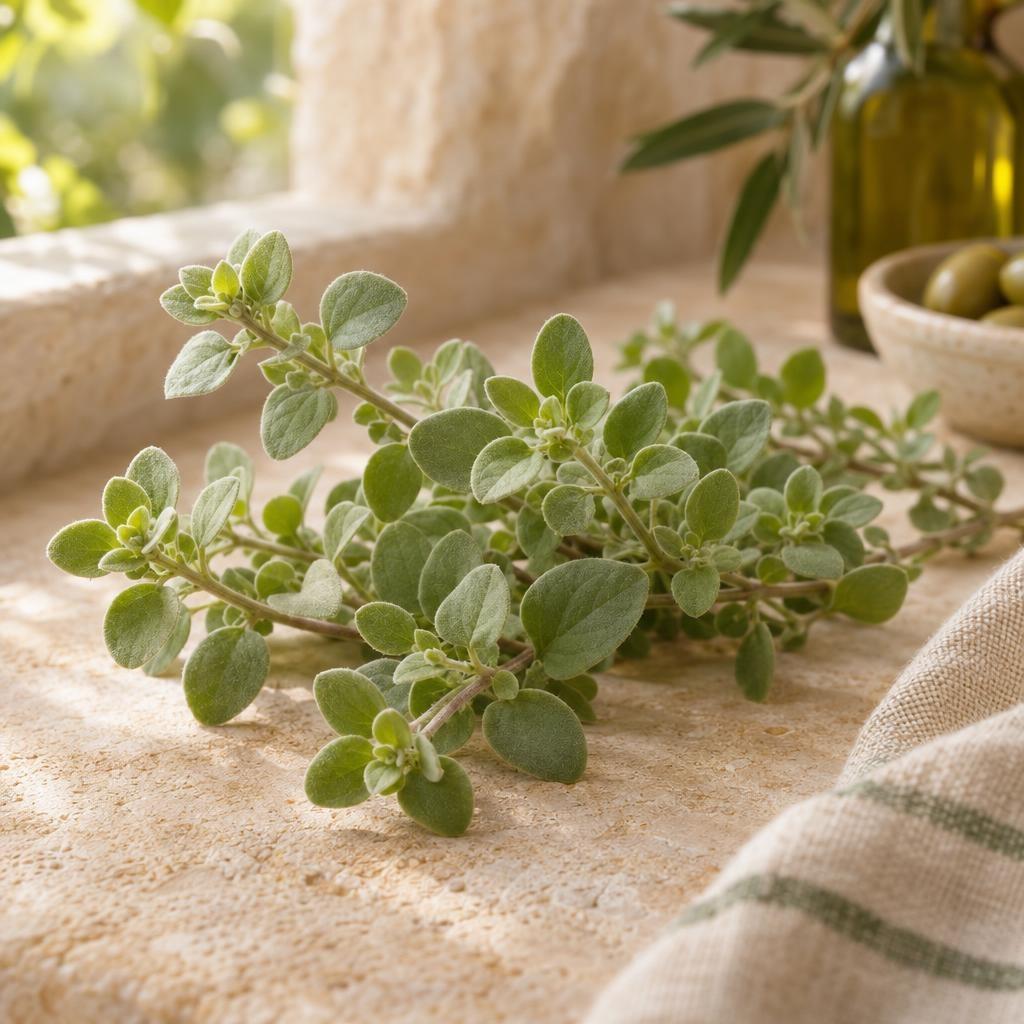
Fresh marjoram sprigs, mayoran

On the label or sign

מיורן
marjoram
אזוב תרבותי
sweet marjoram

מָיוֹרָן / אֵזוֹב תַּרְבּוּתִיSweet marjoram

mayoran / ezov tarbuti

US English

Sweet marjoram

UK English

Marjoram or sweet marjoram

What it is

מיורן is Origanum majorana, or sweet marjoram. Israeli official material distinguishes marjoram from oregano and the za'atar plant.

The difference

אזוב תרבותי means marjoram here, not culinary hyssop. Labels may use מיורן or אזוב תרבותי.

Common mistake

Do not translate אזוב תרבותי as hyssop or buy oregano or za'atar instead of marjoram.

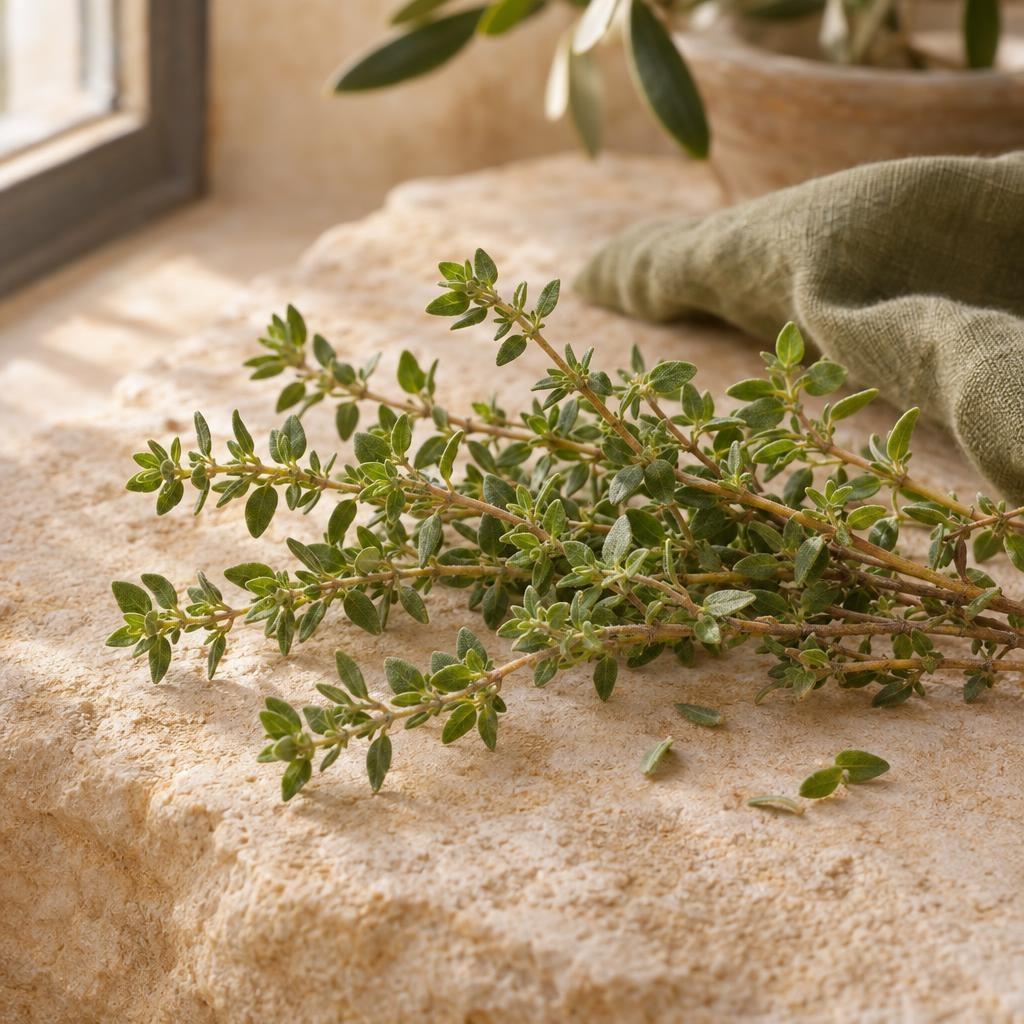
Fresh thyme sprigs, timin

On the label or sign

תימין
thyme
טימין
thyme
בת־קורנית
official Hebrew for common thyme

בַּת־קוֹרָנִית / תִּימִין / טימיןThyme

bat-koranit / timin

US English

Thyme or common thyme

UK English

Thyme or common thyme

What it is

תימין is Thymus vulgaris, or common thyme. בת־קורנית is the Academy term, while תימין is accepted common usage.

The difference

Common thyme is not Origanum syriacum. A recipe that loosely calls za'atar thyme does not make the plants identical.

Common mistake

Do not expect the official name on a supermarket pack or treat ordinary thyme as proof of za'atar herb.

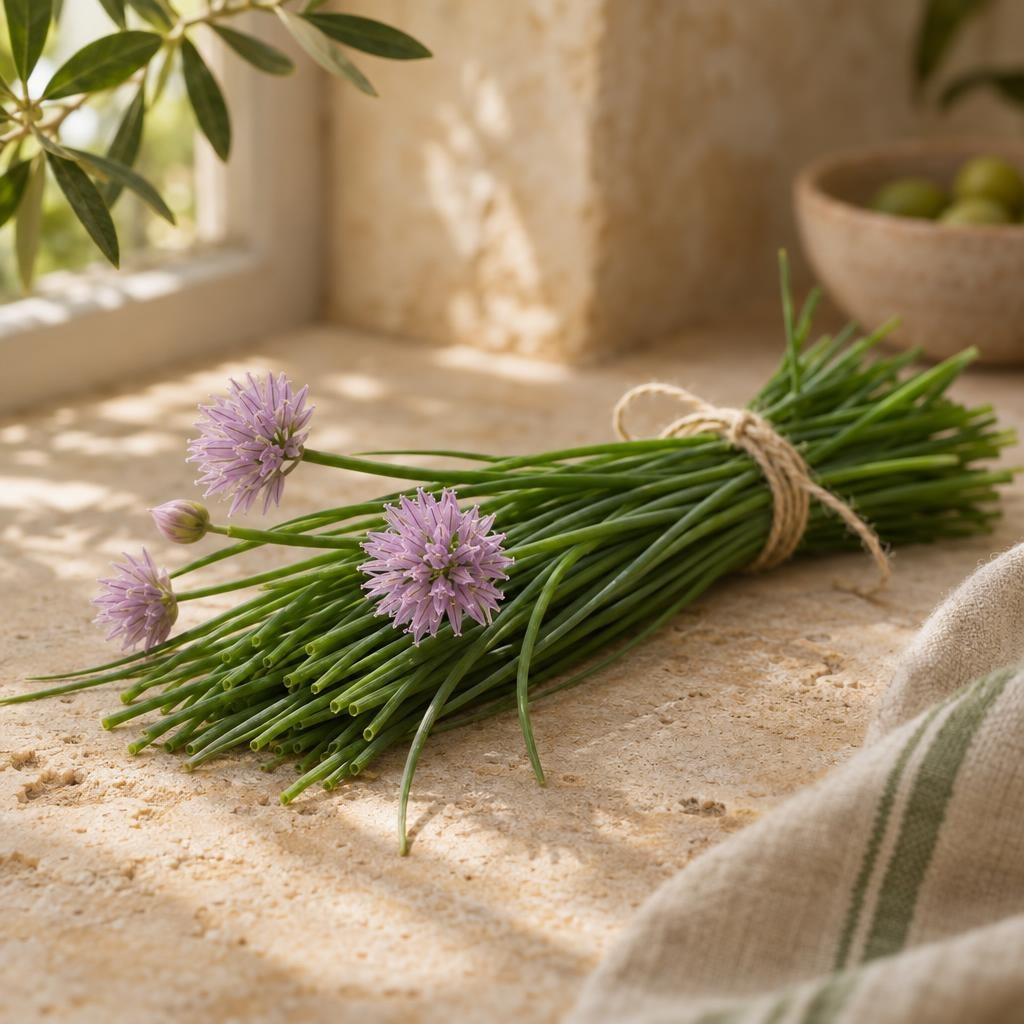
A bundle of fresh chives, irit

On the label or sign

עירית
chives
בצלית
chives

עִירִית / בַּצְלִיתChives

irit / batzlit

US English

Chives

UK English

Chives

What it is

עירית is Allium schoenoprasum, a mild onion-family herb.

The difference

Chives have very thin, hollow green tubes. Green onion stalks are much thicker and are a separate crop.

Common mistake

Do not buy בצל ירוק when a recipe asks for chives.

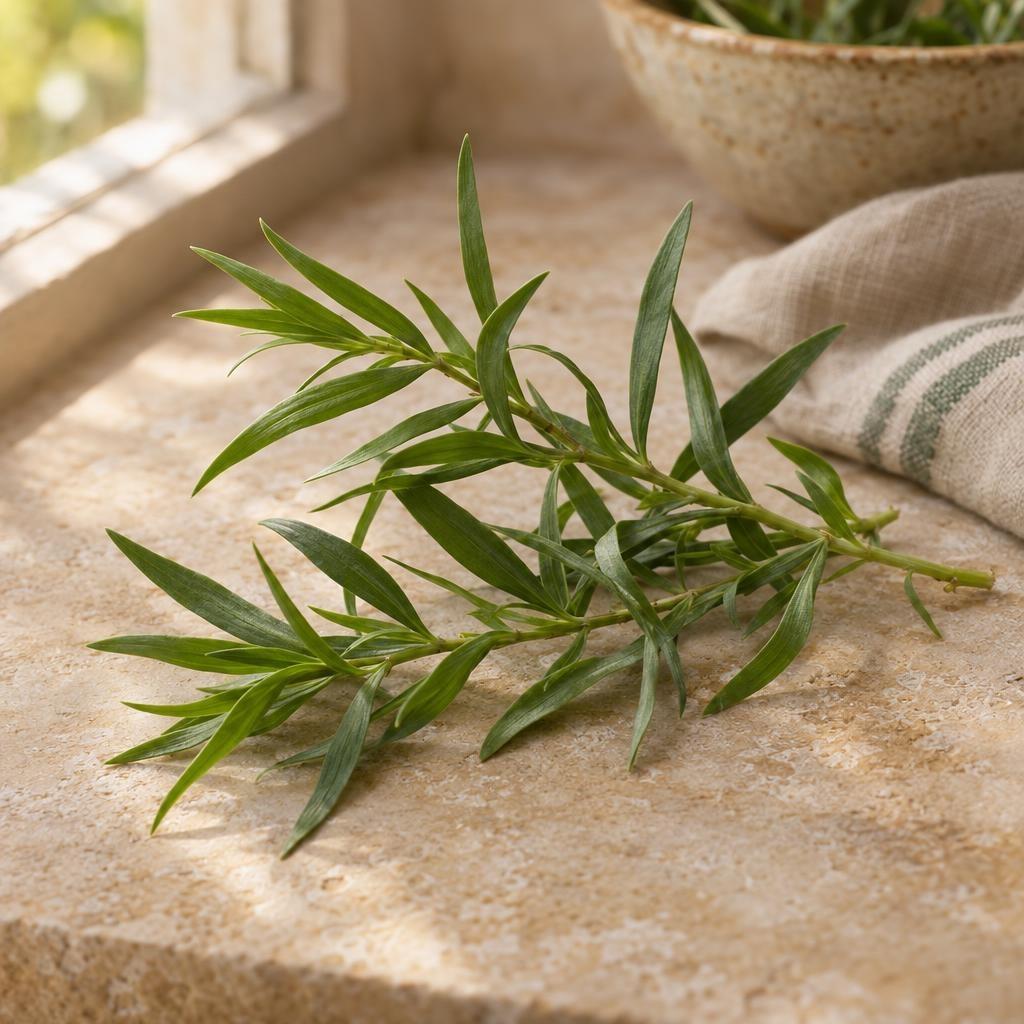
Fresh tarragon sprigs, targon

On the label or sign

טרגון
tarragon
טרגון צרפתי
French tarragon

טַרְגוֹן / לַעֲנַת הַטַּרְגוֹןTarragon

targon / la'anat ha-targon

US English

Tarragon

UK English

Tarragon

What it is

טרגון is Artemisia dracunculus. French tarragon is sold as an anise-flavoured culinary herb.

The difference

The official Hebrew places tarragon in Artemisia, but tarragon is not שיבא or tree wormwood.

Common mistake

Do not buy an ornamental Artemisia or another לענה species as culinary tarragon.

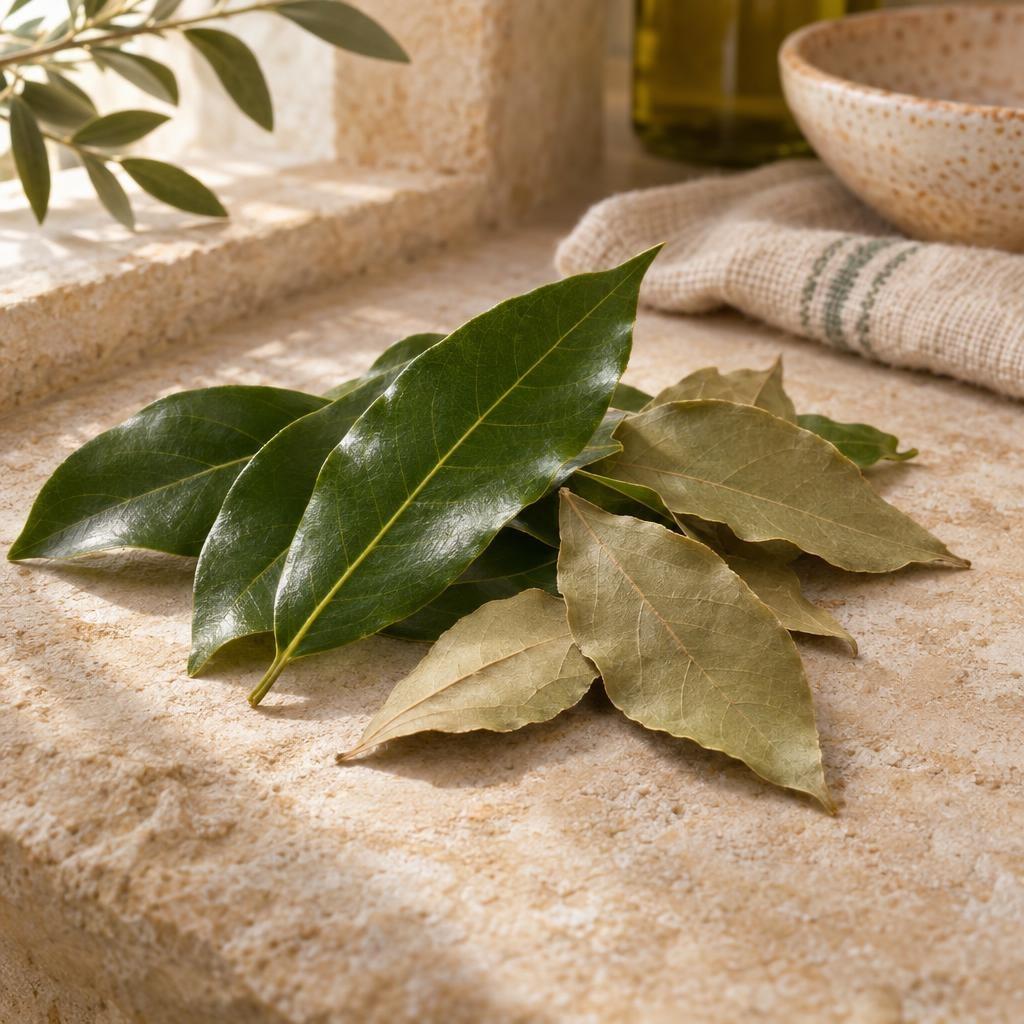
Fresh and dried bay leaves, ar atzil

On the label or sign

עלי דפנה
bay leaves
ער אציל
culinary bay tree

עָר אָצִיל / עֲלֵי דַּפְנָהBay leaf

ar atzil / alei dafna

US English

Bay leaf

UK English

Bay leaf

What it is

ער אציל is Laurus nobilis, the culinary bay tree. דפנה is the popular Hebrew name.

The difference

Dried culinary leaves are usually sold as עלי דפנה. Not every ornamental plant called laurel is culinary bay.

Common mistake

Do not expect a pack to say ער אציל or treat every laurel plant as culinary bay.

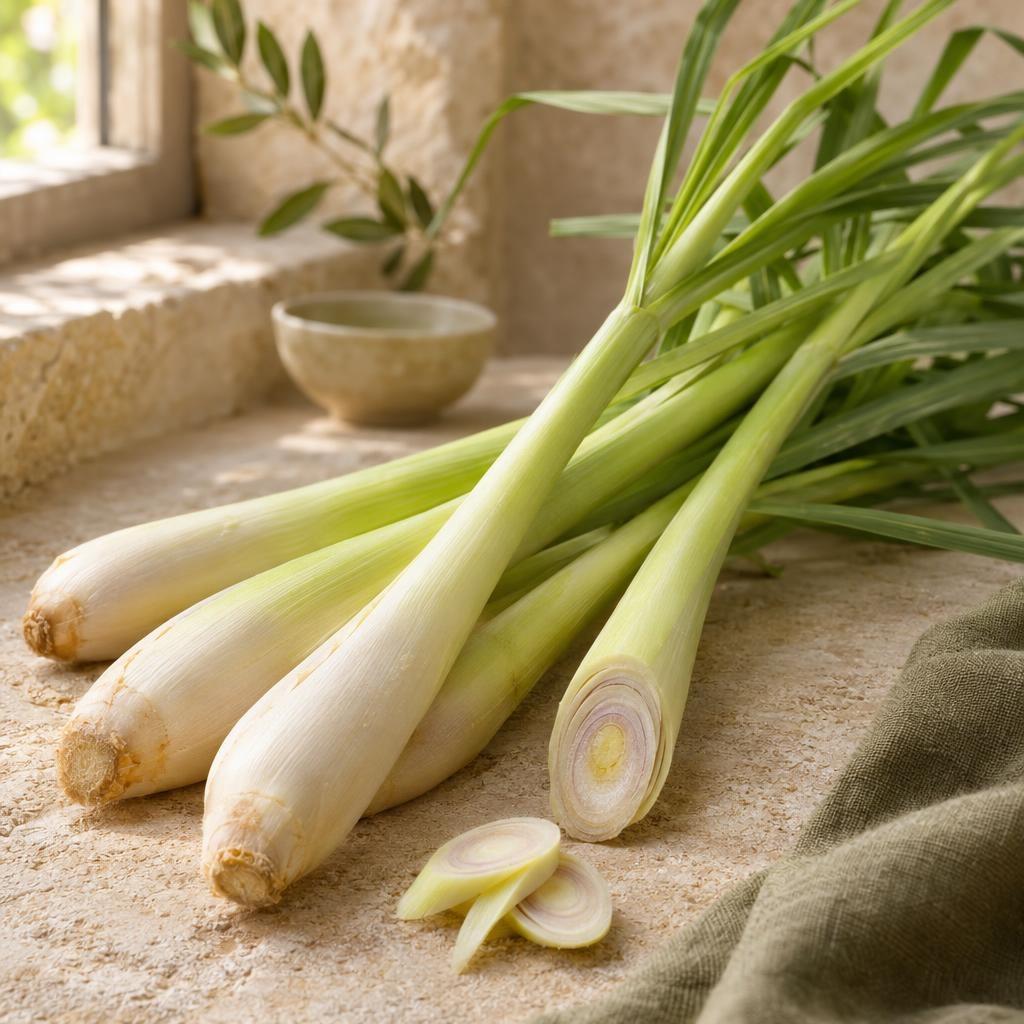
Stalks of lemongrass, esev limon

On the label or sign

עשב לימון
lemongrass
לימונית
lemongrass
למון גראס
lemongrass

עֵשֶׂב לִימוֹן / לִימוֹנִית / למון גראסLemongrass

esev limon / limonit / lemon grass

US English

Lemongrass

UK English

Lemongrass

What it is

עשב לימון is Cymbopogon citratus, a grass with thick fibrous blades and swollen pale bases.

The difference

Lemongrass is unrelated to lemon verbena and lemon balm. The three lemon-scented herbs have different plant forms.

Common mistake

Do not buy לואיזה or מליסה when a recipe asks for lemongrass.

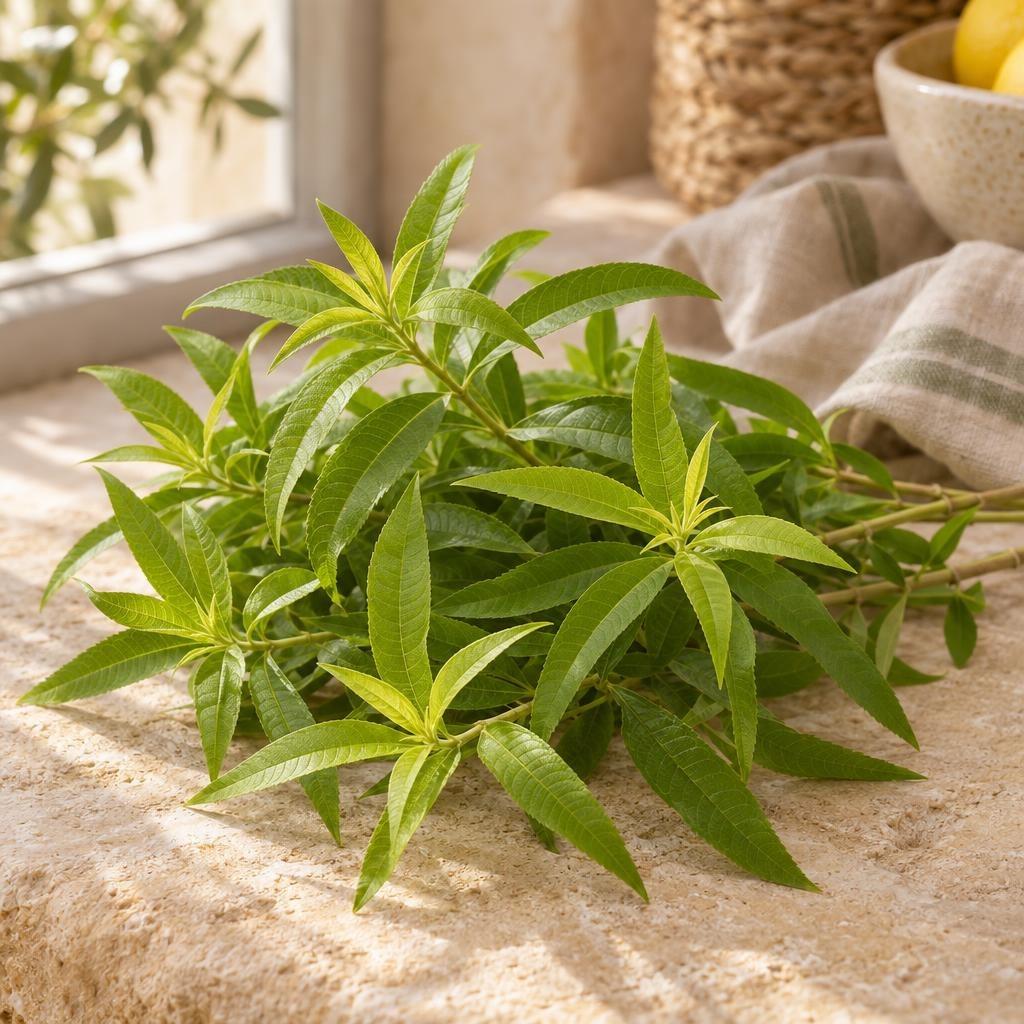
Lemon verbena sprigs, luiza

On the label or sign

לואיזה
lemon verbena
לואיזה לימונית
lemon verbena

לוּאִיזָה / לוּאִיזָה לִימוֹנִיתLemon verbena

lu'iza / lu'iza limonit

US English

Lemon verbena

UK English

Lemon verbena

What it is

לואיזה is Aloysia triphylla, an aromatic woody shrub. Its leaves are used for lemon-flavoured infusions.

The difference

Lemon verbena is not lemongrass or lemon balm. לואיזה has narrow pointed leaves on woody stems.

Common mistake

Do not translate לואיזה as lemongrass or lemon balm.

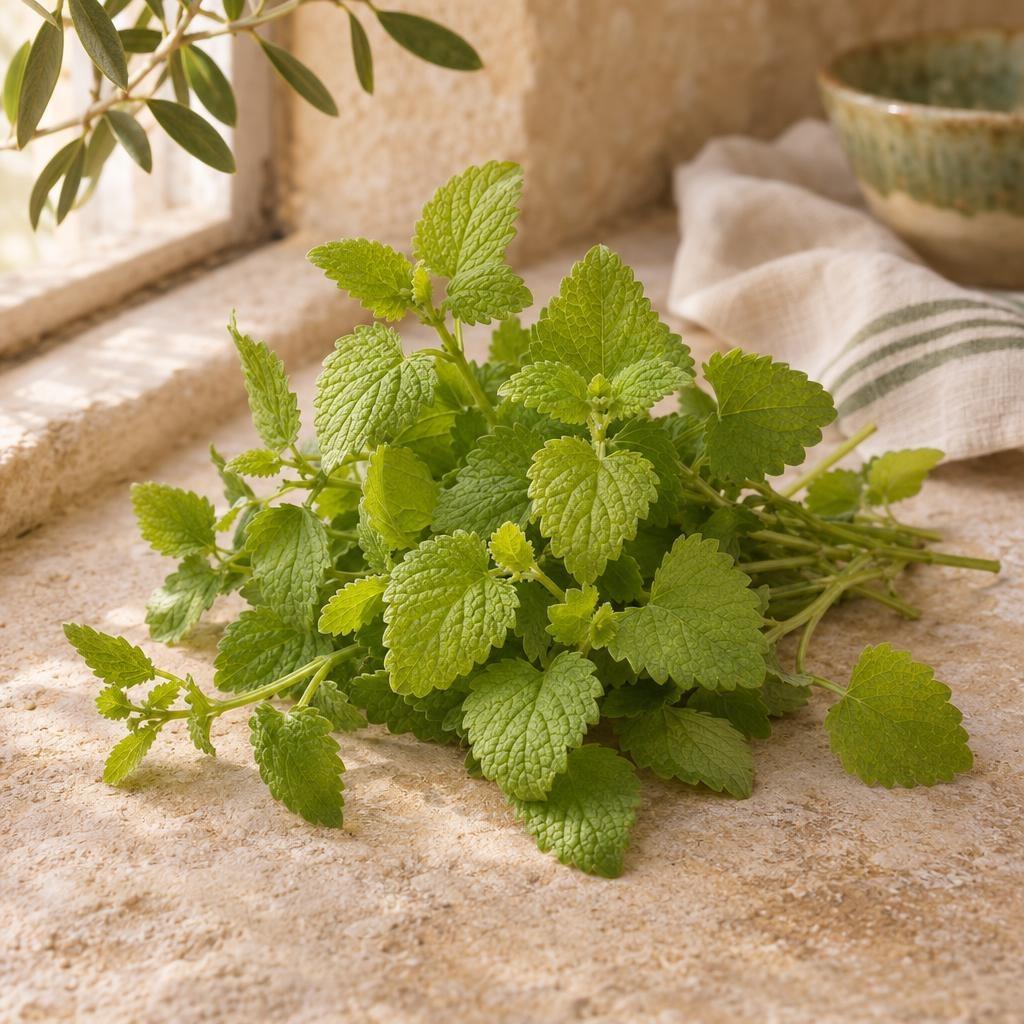
Lemon balm sprigs, melisa

On the label or sign

מליסה
lemon balm

מֶלִיסָה רְפוּאִיתLemon balm

melisa refuit

US English

Lemon balm

UK English

Lemon balm

What it is

מליסה רפואית is Melissa officinalis. Lemon balm belongs to the mint family.

The difference

Lemon balm is distinct from both לואיזה and עשב לימון. מליסה has broad, soft, wrinkled, toothed leaves that resemble mint.

Common mistake

Do not treat lemon herb as a one-for-one category.

Za'atar

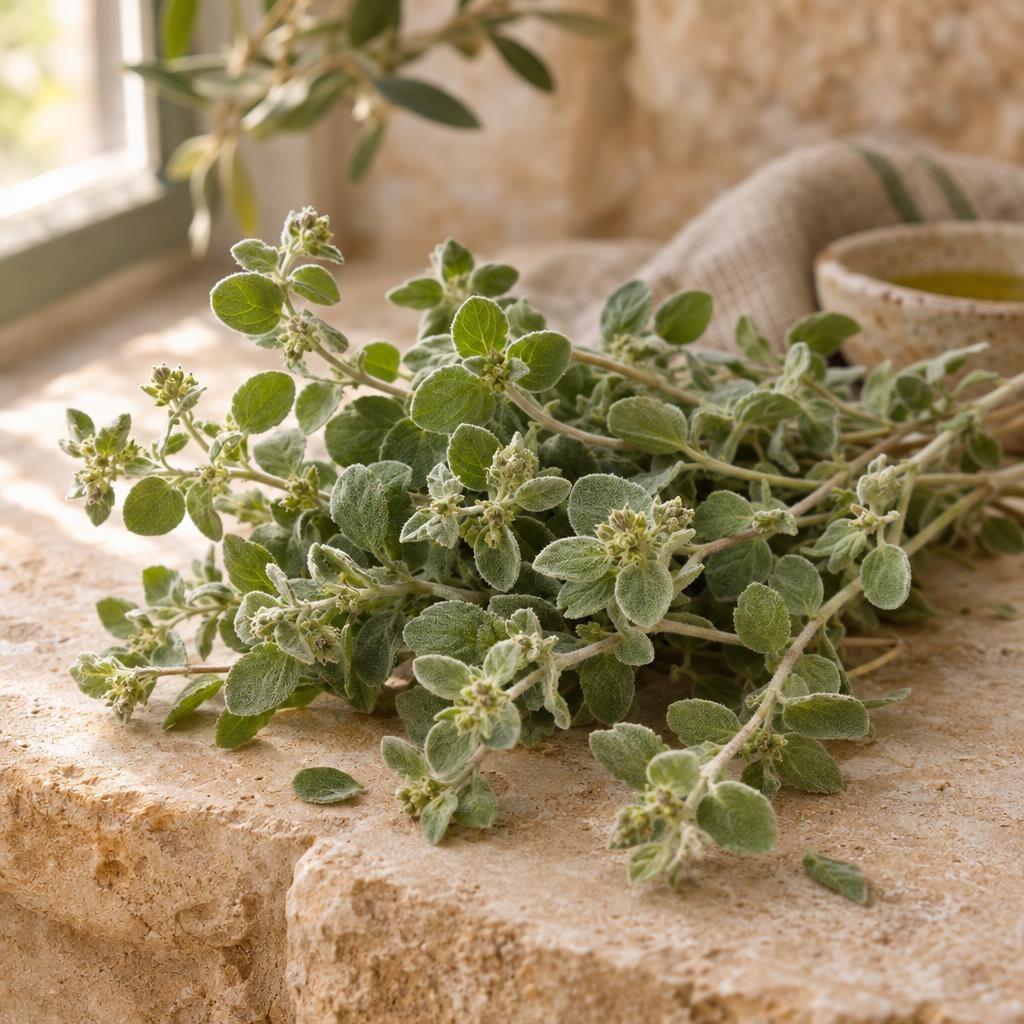
Sprigs of the za'atar herb, ezov matzui

On the label or sign

זעתר
za'atar
אזוב מצוי
za'atar herb
אזובית מצויה
za'atar herb

אֵזוֹב מָצוּי / אֲזוֹבִית מְצוּיָה / זַעְתַּרZa'atar herb

ezov matzui / ezovit metzuya / za'atar

US English

Za'atar herb or Syrian marjoram

UK English

Za'atar herb or Syrian marjoram

What it is

אזוב מצוי is Origanum syriacum, an aromatic evergreen subshrub with small grey-green leaves and white flowers. The English common names conflict, so the Latin name is the clearest identifier.

The difference

The za'atar plant is not ordinary oregano, sweet marjoram, common thyme or culinary hyssop. A live plant is leafy, not a sesame-speckled powder.

Common mistake

Do not assume זעתר always means a seasoning blend, and buy cultivated za'atar rather than foraging wild plants.

On the label or sign

תערובת זעתר
za'atar seasoning blend
תבלין זעתר
za'atar seasoning
רכיבים
ingredients

תַּעֲרוֹבֶת זַעְתַּר / תַּבְלִין זַעְתַּרZa'atar seasoning blend

ta'arovet za'atar / tavlin za'atar

US English

Za'atar seasoning blend

UK English

Za'atar seasoning blend

What it is

תערובת זעתר is a prepared dry condiment, not one plant. The blend normally combines za'atar herb with sesame, sumac and salt, while some recipes add other ingredients.

The difference

Blend formulas vary by place and producer. Some formulas include wheat or chickpea, so read the ingredients and allergen declaration.

Common mistake

Do not treat a za'atar blend as pure dried herb or assume every blend has the same ingredients.

Local And Specialty Herbs

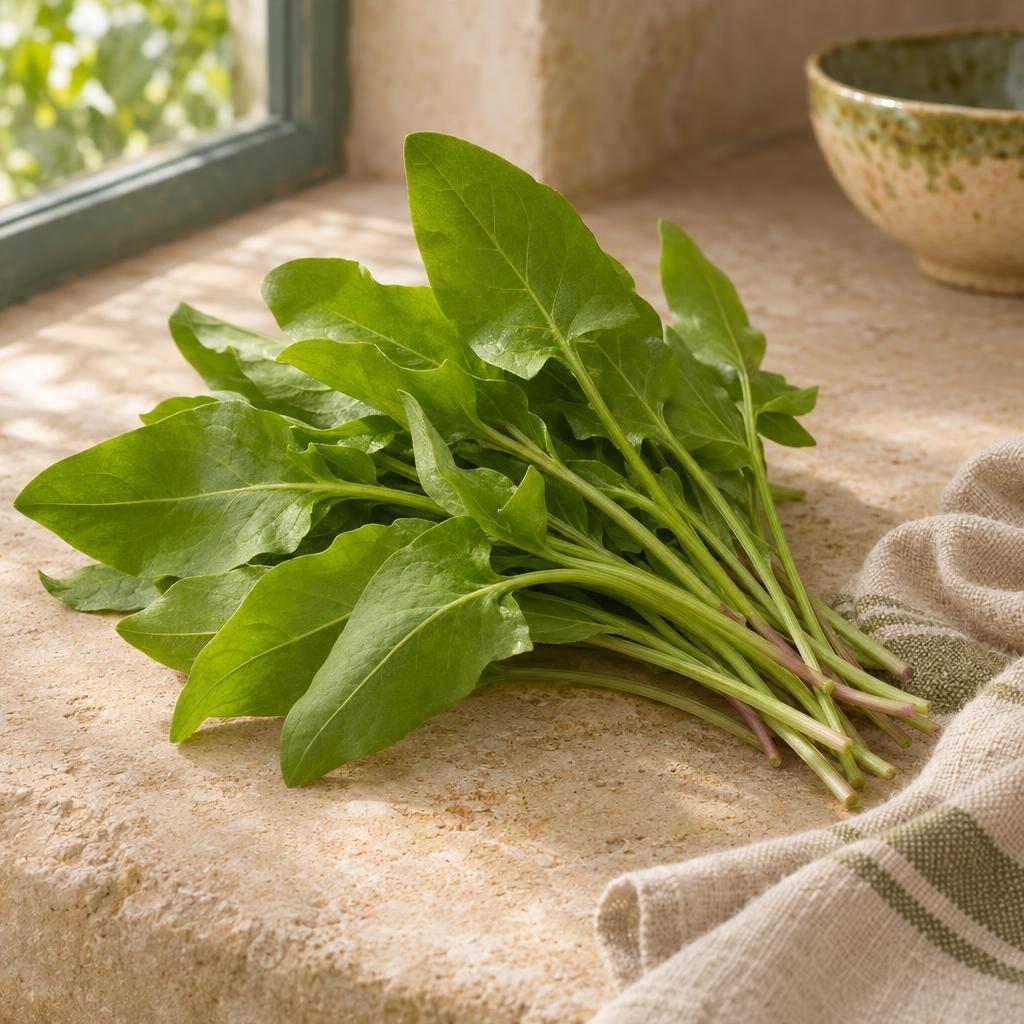
A bunch of garden sorrel, hum'at ha-gina

On the label or sign

חומעה
sorrel or garden sorrel

חוּמְעַת הַגִּנָּה / חוּמְעָה / חמציץGarden sorrel

hum'at ha-gina / hum'a / hamtzitz

US English

Sorrel or garden sorrel

UK English

Sorrel or garden sorrel

What it is

חומעה is Rumex acetosa, a tart leafy herb.

The difference

חמציץ is also used colloquially for other sour plants. The formal name or Latin name matters.

Common mistake

Do not buy wood sorrel or another sour wild leaf merely because someone used the name חמציץ.

On the label or sign

מרווה משולשת
Greek sage or three-lobed sage

מַרְוָה מְשֻׁלֶּשֶׁתThree-lobed sage

marva meshuleshet

US English

Greek sage or three-lobed sage

UK English

Greek sage or three-lobed sage

What it is

מרווה משולשת is Salvia fruticosa, a distinct eastern Mediterranean sage.

The difference

Three-lobed sage is not Salvia officinalis, the standard common culinary sage.

Common mistake

Do not assume every herb translated as sage is the same species.

On the label or sign

זוטה לבנה
white micromeria

זוּטָה לְבָנָהWhite micromeria

zuta levana

US English

White micromeria or white-leaved savory

UK English

White micromeria or white-leaved savory

What it is

זוטה לבנה is Micromeria fruticosa, a native small-leaved shrub used for tea.

The difference

The English names are specialist names and are not reliable supermarket vocabulary. זוטה לבנה is usually a nursery, garden or tea-market item.

Common mistake

Do not substitute ordinary savory, thyme or biblical hyssop for זוטה לבנה.

On the label or sign

שיבא
tree wormwood
לענה שיחנית
tree wormwood

לַעֲנָה שִׂיחָנִית / שִׁיבָּאTree wormwood

la'ana sihanit / shiba

US English

Tree wormwood or shrubby wormwood

UK English

Tree wormwood

What it is

שיבא is Artemisia arborescens, a silver aromatic shrub used locally in small amounts for bitter tea.

The difference

Tree wormwood is not tarragon and not common wormwood, Artemisia absinthium.

Common mistake

Do not use a large culinary-herb quantity because a dictionary shows wormwood or tarragon.

On the label or sign

צ’רביל
chervil
צריביל
chervil
סייגנית
chervil

סַיְגָנִית / צֶ’רְבִילChervil

sayganit / chervil

US English

Chervil

UK English

Chervil

What it is

סייגנית is Anthriscus cerefolium, a delicate carrot-family herb.

The difference

Chervil is not parsley, cilantro or dill. Visual identification among carrot-family herbs is poor.

Common mistake

Do not assume any delicate parsley-like leaf is dill, cilantro or parsley.

On the label or sign

לובג׳
lovage

לוֹבָג׳ / לֶבִיסְטִיקוּםLovage

lovage / levistikum

US English

Lovage

UK English

Lovage

What it is

לובג׳ is Levisticum officinale. Lovage has a celery-like culinary role but is not celery.

The difference

Lovage is a separate fresh herb and a specialty item rather than a basic bunch herb.

Common mistake

Do not buy סלרי and assume celery is botanically or flavour-for-flavour identical to lovage.

On the label or sign

צתרה
summer savory

צִתְרָה תַּרְבּוּתִיתSummer savory

tzatra tarbutit

US English

Summer savory

UK English

Summer savory

What it is

צתרה תרבותית is Satureja hortensis, or summer savory.

The difference

Summer savory is one savory-type plant that can fall under broad regional za'atar terminology. The Israeli export name remains separate.

Common mistake

Do not assume צתרה is automatically the Origanum syriacum za'atar plant.

On the label or sign

בורג רפואי
borage

בּוֹרָג רְפוּאִיBorage

borag refui

US English

Borage

UK English

Borage

What it is

בורג רפואי is Borago officinalis, a fresh herb with hairy grey-green leaves and star-shaped blue flowers.

The difference

Borage is usually a nursery, garden or edible-flower item rather than a basic Israeli bunch.

Common mistake

Do not treat any hairy wild leaf as borage without a positive label.

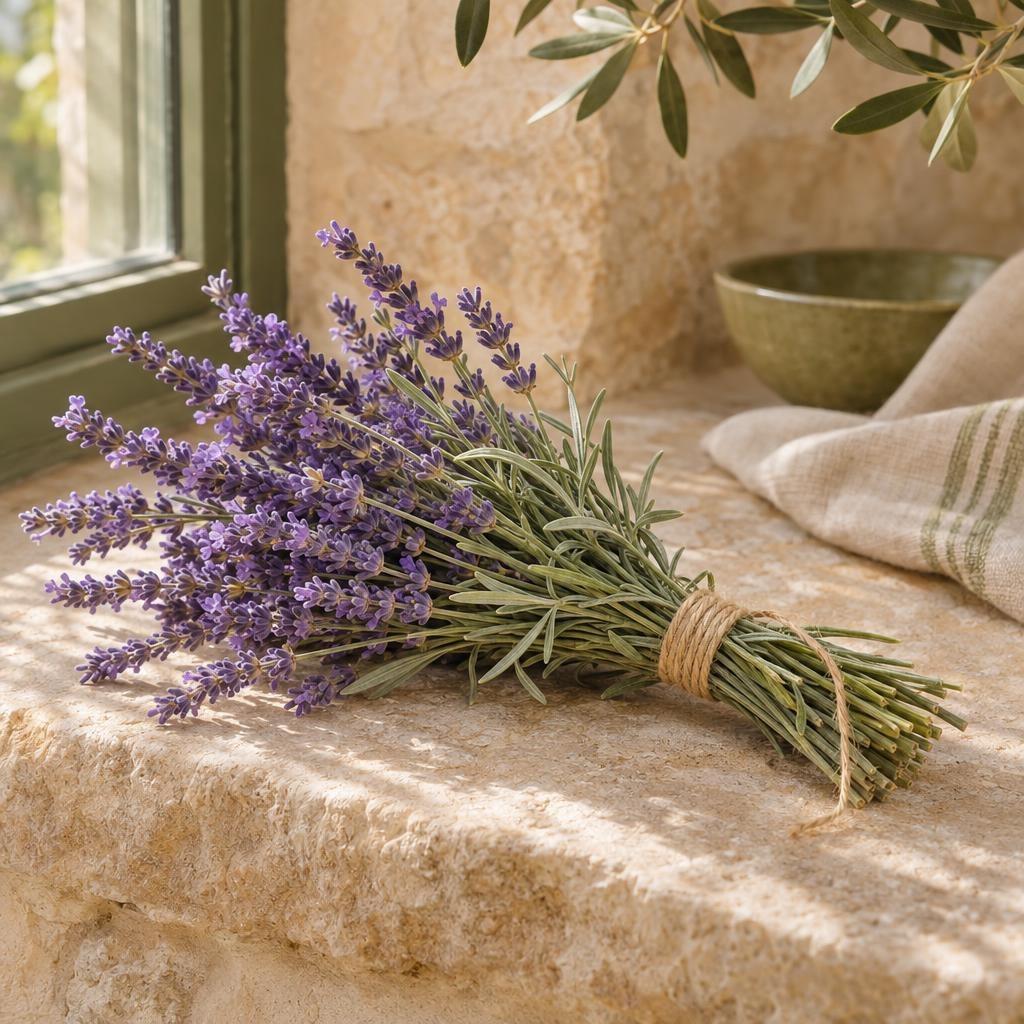
A bunch of lavender, ezovyon

On the label or sign

לבנדר
lavender
אזוביון
lavender

אֲזוֹבְיוֹן / לָבֶנְדֶּרLavender

ezovyon / lavender

US English

Lavender

UK English

Lavender

What it is

אזוביון is lavender. The official Israeli list uses אזוביון רפואי and לבנדר for Lavandula officinalis in that document.

The difference

Culinary use is limited and variety-dependent. אזוביון is not אזוב or za'atar despite the similar Hebrew word.

Common mistake

Use only a product sold for food when cooking, and do not substitute lavender for za'atar.

On the label or sign

רשאד
garden cress
שחליים
garden cress

שַׁחֲלַיִם תַּרְבּוּתִיִּים / רַשָׁדGarden cress

shahlayim tarbutiyim / rashad

US English

Garden cress

UK English

Garden cress

What it is

רשאד is Lepidium sativum, a peppery seedling herb or salad garnish.

The difference

Garden cress is not watercress. Watercress is גרגר הנחלים and is a different plant.

Common mistake

Do not translate רשאד as watercress.

On the label or sign

עלי קארי
curry leaves
קארי
curry leaves when used for the fresh herb

עֲלֵי קָארִי / קאריCurry leaves

alei kari / kari

US English

Curry leaves

UK English

Curry leaves

What it is

עלי קארי are aromatic leaves from Murraya koenigii, a tree.

The difference

Curry leaves are not curry powder and are not the unrelated silver ornamental curry plant.

Common mistake

Do not ask only for curry because the result may be curry powder or a curry-scented ornamental.

On the label or sign

עירית שום
garlic chives
שומית
garlic chives

שׁוּמִית / עִירִית שׁוּםGarlic chives

shumit / irit shum

US English

Garlic chives or Chinese chives

UK English

Garlic chives or Chinese chives

What it is

שומית is Allium tuberosum, or garlic chives. Israeli material lists garlic chives separately from ordinary chives.

The difference

Garlic chives have flat strap-like leaves. Ordinary chives have hollow tubes.

Common mistake

Do not assume garlic chives are the same as עירית, Allium schoenoprasum.

Match Each Recipe Term to the Hebrew Label to Look For.

Match each recipe term to the Hebrew label to look for.
Recipe saysLook for in IsraelKeep in mind
Fresh cilantroכוסברהkusbaraUK recipes may call the fresh leaves coriander.
Ground coriander seedכוסברה טחונהkusbara tehunaThe ground spice is seed, not dried cilantro leaf.
Dillשמירshamirשמיר is the everyday shop name.
Basilבזיליקוםbazilikumריחן and בזיל are also used.
Thymeתימיןtiminבת־קורנית is the Academy term.
ChivesעיריתiritDo not replace the thin hollow tubes with green onion.
Bay leavesעלי דפנהalei dafnaעלי דפנה is the common wording on dried leaves.
Lemongrassעשב לימוןesev limonלימונית and למון גראס are also used.
Lemon verbenaלואיזהlu'izaLemon verbena is not lemongrass or lemon balm.
Za'atar herbאזוב מצויezov matzuiUse Origanum syriacum to confirm the plant.

Knowing the word is half of it. Say it out loud.

A Hebrew speaking app with Maya and David, AI tutors who hold conversations, explain corrections and help you practise what you need to say. Private beta on iPhone and Android. Public store launch is still ahead. Free Classic lessons to start, no card needed.

Explore baba Learn

How we checked this guide

By the baba team. Checked on against 43 sources, mostly Israeli retailers, manufacturers and government pages, and updated . Products, labels and rules change, so check the pack or the office before you rely on a detail. Our methodology.

Frequently Asked Questions

Are cilantro and coriander the same herb in Israel?

כוסברה is one plant, Coriandrum sativum. US English calls the fresh leaves cilantro, while UK English calls them coriander; both call the dry fruit coriander seed.

Is za'atar the same as oregano?

No. The Israeli za'atar plant, אזוב מצוי, is Origanum syriacum, while ordinary oregano is Origanum vulgare.

Is za'atar a herb or a spice blend?

זעתר can name the Origanum syriacum plant or a prepared seasoning blend. A blend usually includes the herb, sesame, sumac and salt, but formulas vary, so read רכיבים.

What is basil called in Hebrew?

Basil is ריחן, בזיל or בזיליקום. בזיליקום is a common shelf name, while ריחן is the official Hebrew term.

Are לואיזה, מליסה and עשב לימון the same herb?

No. לואיזה is lemon verbena, מליסה is lemon balm and עשב לימון is lemongrass. The three plants share a lemon scent but have different plant forms.

More Hebrew-English Guides

All guides