baba
Free, no AIHebrew-English guide 13 of 100

Israeli Vegetables, in Plain English

What gamba, kishu'a, batata and kolarabi mean in English.

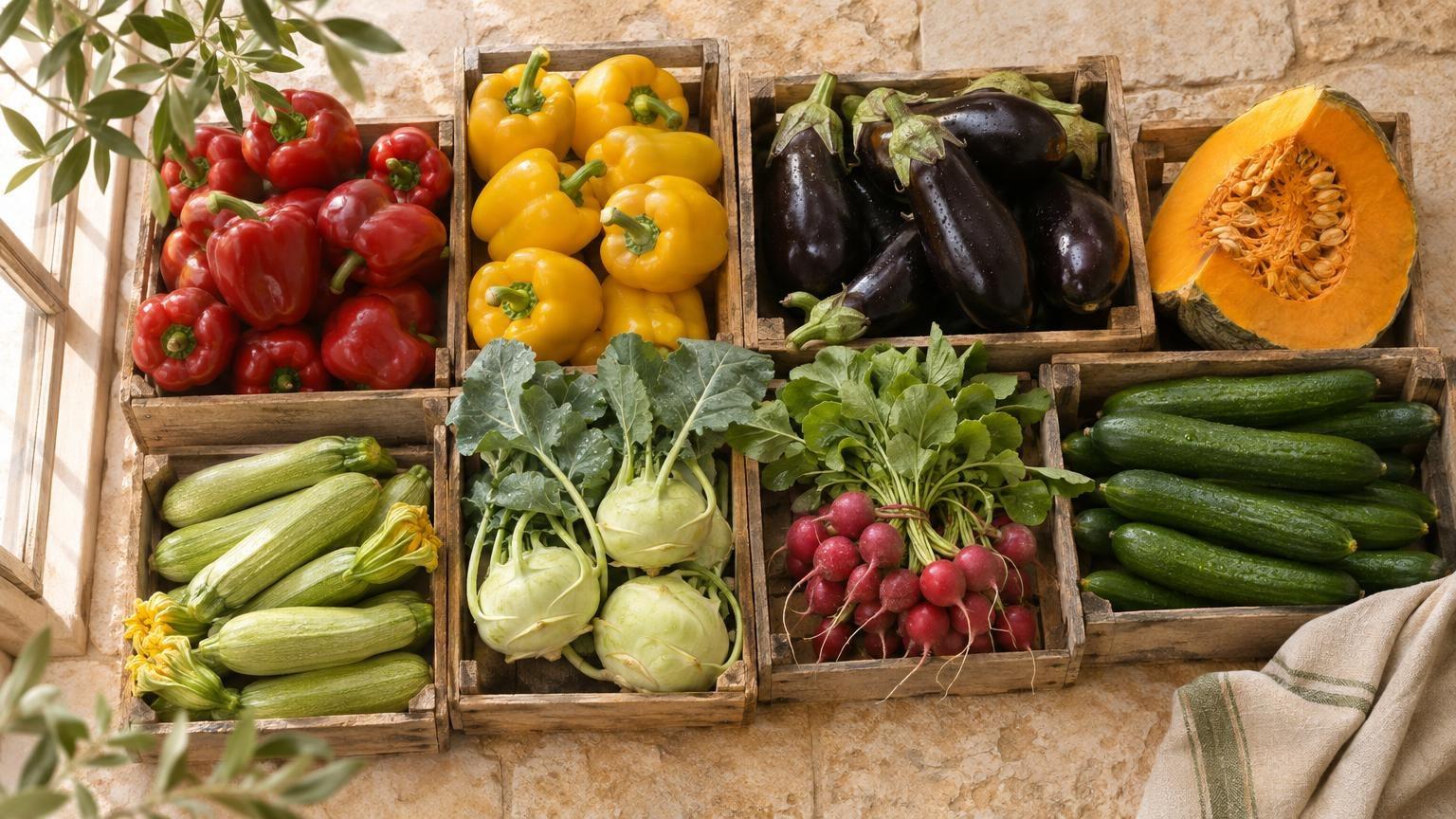
An Israeli vegetable stall with peppers, eggplant, pumpkin, zucchini, kohlrabi and cucumbers

Mix-Ups to Avoid

  1. גמבה usually means a red sweet pepper in retail, but the formal definition is a flattened shape. Check the shape and color label.
  2. Look for pale קישוא when a recipe wants the common Israeli squash. Choose זוקיני for the long dark green or yellow type.
  3. ארטישוק ירושלמי is a sunflower tuber, not a globe artichoke. Buy ארטישוק when a recipe needs the layered flower head.
In This Guide35 entries

Artichokes

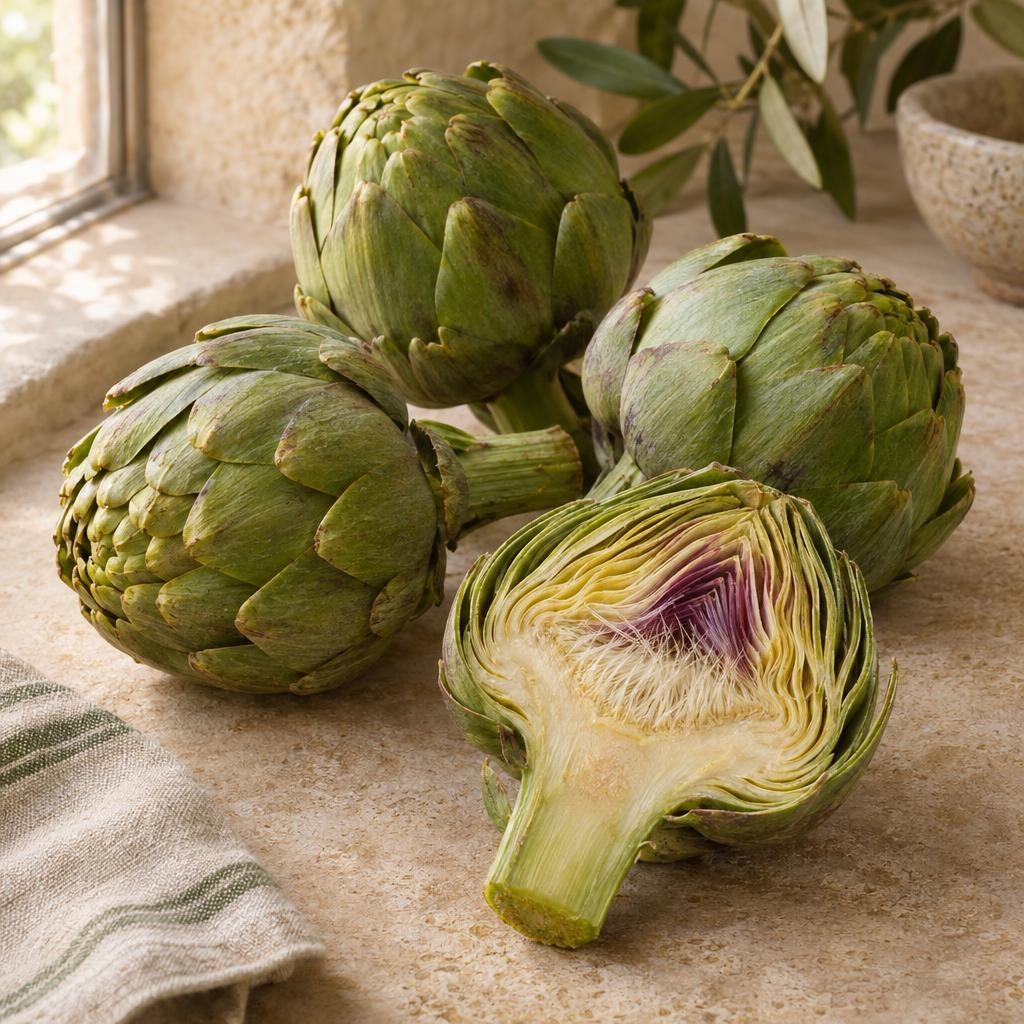
Globe artichokes, artishok

On the label or sign

ארטישוק
Globe artichoke
קנרס
Globe artichoke

ארטישוק; קנרסGlobe artichoke

artishok; kinras

US English

Globe artichoke

UK English

Globe artichoke

What it is

ארטישוק is the immature flower head of a thistle relative. The edible part is not a root vegetable.

The difference

ארטישוק is a green or purple layered head. ארטישוק ירושלמי is a separate knobbly tuber.

Common mistake

Buy ארטישוק for artichoke hearts, not the tubers labelled ארטישוק ירושלמי.
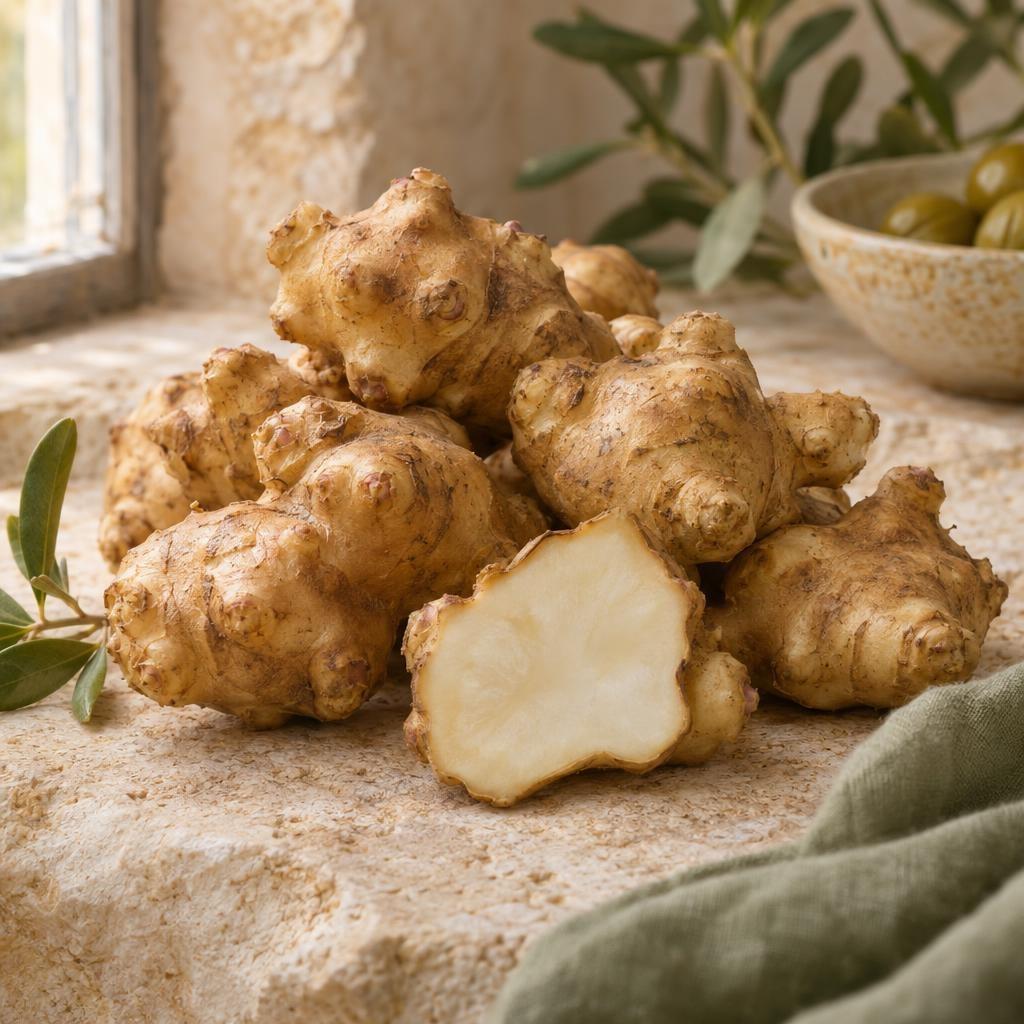
Jerusalem artichoke tubers, artishok yerushalmi

On the label or sign

ארטישוק ירושלמי
Jerusalem artichoke or sunchoke
בטטה קסביה
Jerusalem artichoke or sunchoke

ארטישוק ירושלמי; בטטה קסביהJerusalem artichoke

artishok yerushalmi; batata kasbiya

US English

Jerusalem artichoke or sunchoke

UK English

Jerusalem artichoke

What it is

ארטישוק ירושלמי is the edible tuber of a sunflower relative. The small irregular tan tubers can resemble ginger.

The difference

ארטישוק ירושלמי is neither a globe artichoke nor from Jerusalem.

Common mistake

Do not substitute a globe artichoke or ginger for ארטישוק ירושלמי.
Peppers

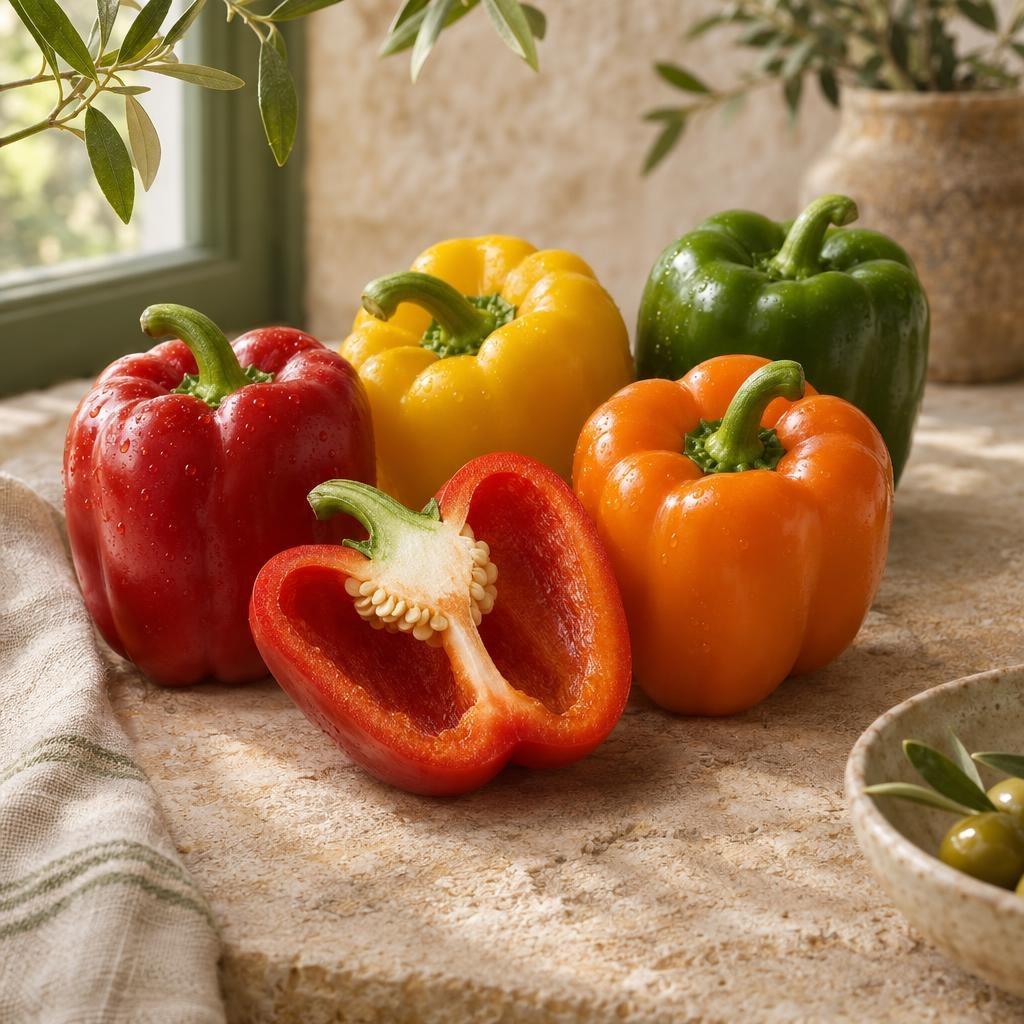
Bell peppers, gamba

On the label or sign

גמבה
Flattened sweet pepper, usually red in retail
פלפל אדום
Red pepper

גמבהGamba sweet pepper

gamba

US English

Sweet or bell pepper

UK English

Sweet pepper

What it is

גמבה is usually a red sweet pepper in everyday retail. Israel's quality specification uses גמבה for a flattened sweet pepper shape.

The difference

Color alone is not the formal definition of גמבה. Stores may label the same shelf פלפל אדום instead.

Common mistake

Do not assume every red sweet pepper is formally גמבה or that גמבה covers every color.

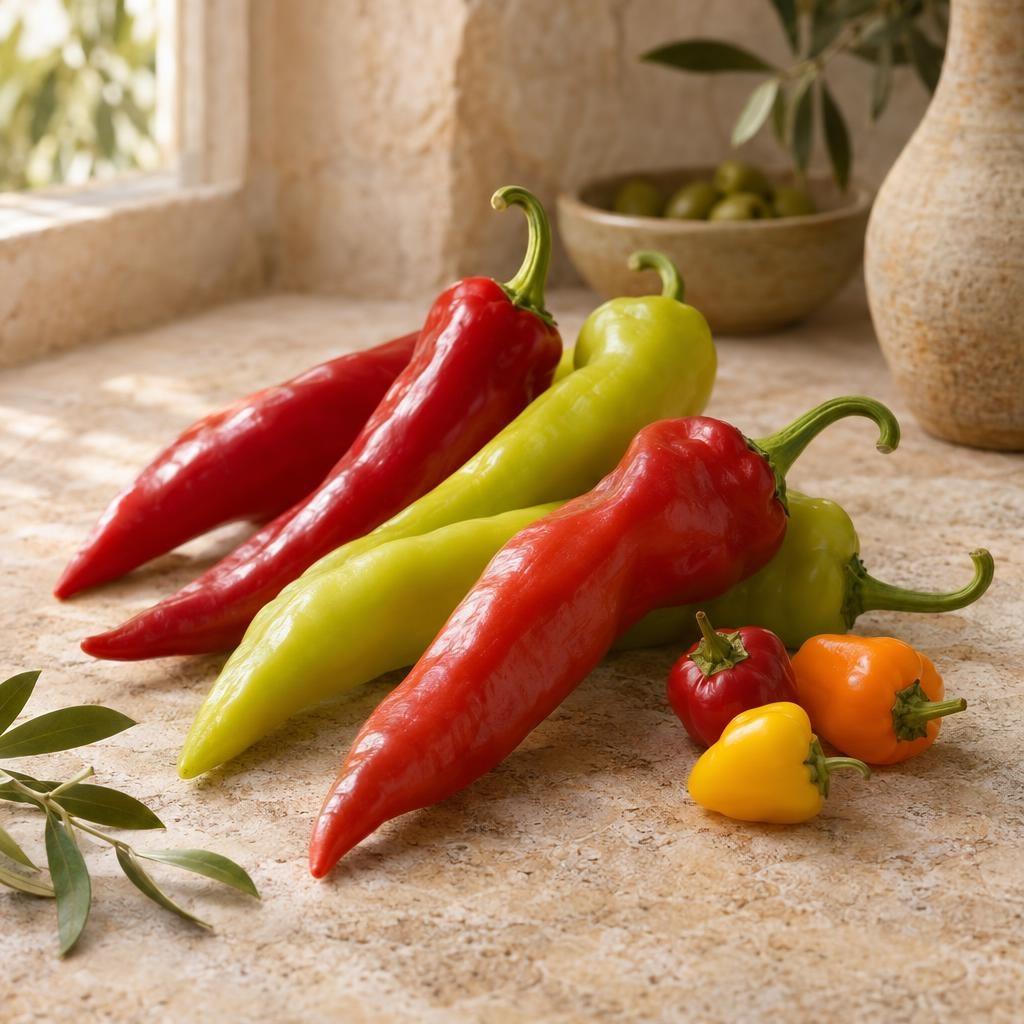
Pointed sweet peppers, pilpel shushka

On the label or sign

פלפל מתוק
Sweet pepper
פלפל שושקה
Long pointed sweet pepper
פלפלונים
Mini sweet peppers

פלפל מתוק; פלפל שושקה; פלפלוניםSweet pepper types

pilpel matok; pilpel shushka; pilpelonim

US English

Sweet pepper, long sweet pepper, or mini peppers

UK English

Sweet pepper, long pointed sweet pepper, or mini peppers

What it is

פלפל מתוק is the broad sweet pepper category. פלפל שושקה is long and pointed, while פלפלונים are small sweet peppers.

The difference

פלפל שושקה and פלפלונים are not shape synonyms for formal גמבה.

Common mistake

Check the shape before buying a pointed pepper for a recipe that needs a thick walled bell pepper.

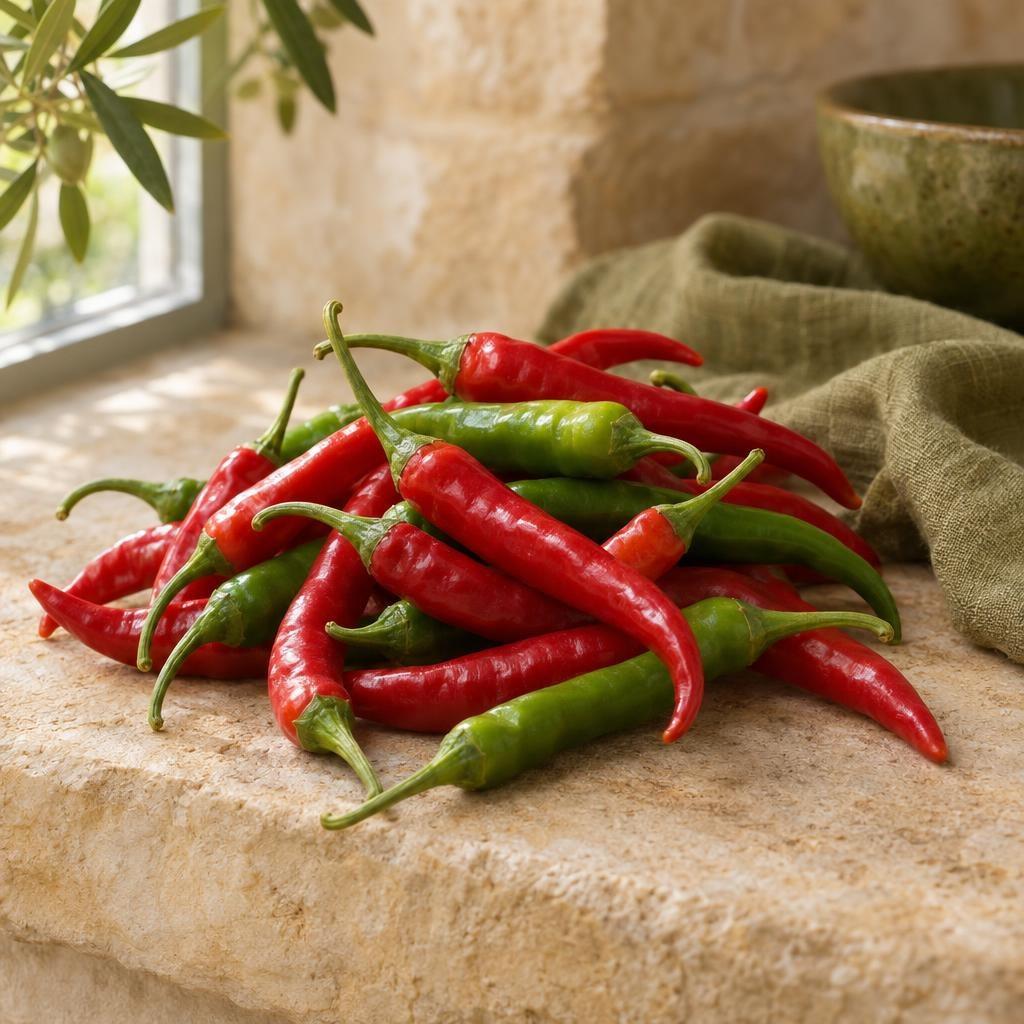
Hot chili peppers, pilpel charif

On the label or sign

פלפל חריף
Hot pepper
פלפל צ׳ילי
Chili pepper

פלפל חריף / צ׳יליHot pepper

pilpel harif / chili

US English

Hot pepper or chile

UK English

Chilli

What it is

פלפל חריף is a category of heat bearing Capsicum peppers. The label does not name one cultivar or guarantee one heat level.

The difference

פלפל חריף is broader than jalapeño, serrano, or another named chile.

Common mistake

Do not substitute פלפל חריף one for one for a named chile without a more specific label.

Squash and Sweet Potato

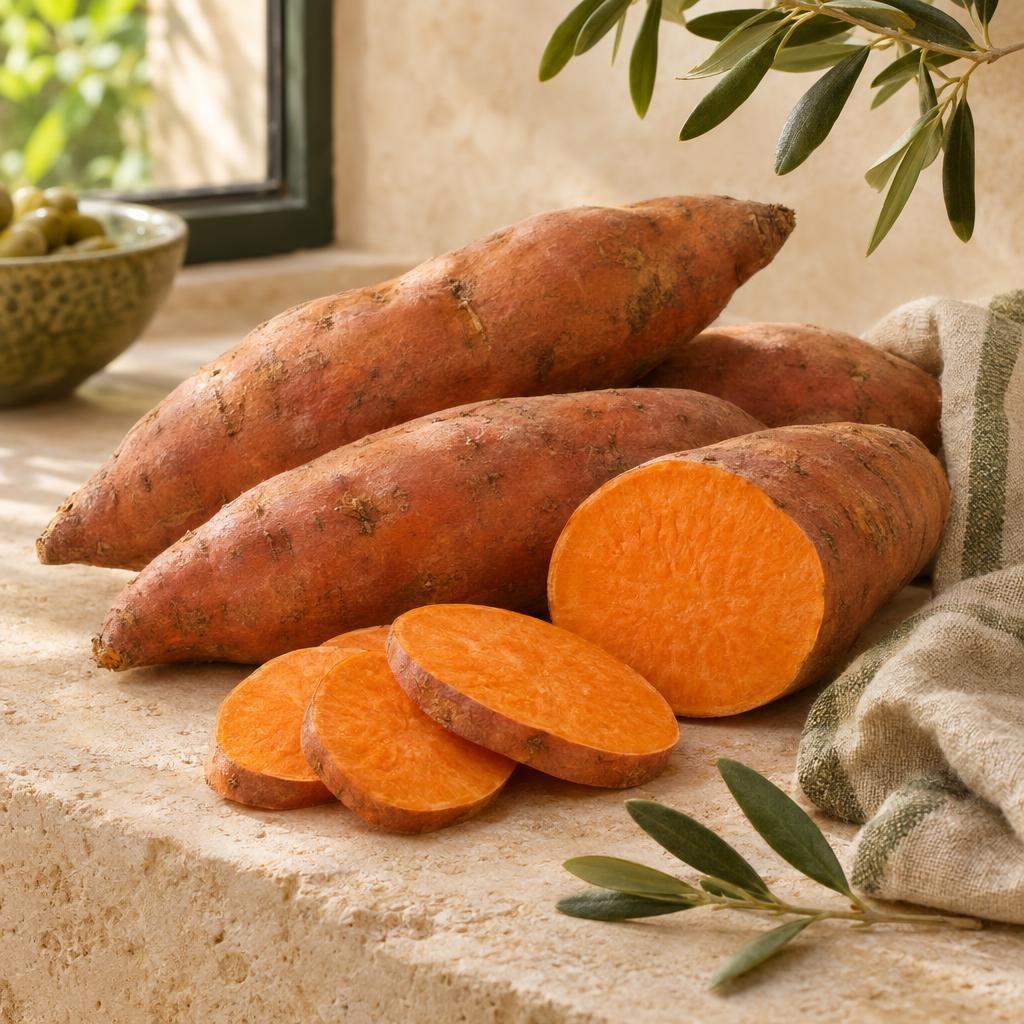
Sweet potatoes, batata

On the label or sign

בטטה
Sweet potato

בטטהSweet potato

batata

US English

Sweet potato

UK English

Sweet potato

What it is

בטטה is a sweet potato, Ipomoea batatas. Israeli commercial production is mainly orange fleshed, with white and purple types described as niche crops.

The difference

בטטה is neither a potato nor a true yam. True yams are Dioscorea species.

Common mistake

Translate בטטה as sweet potato, not yam.

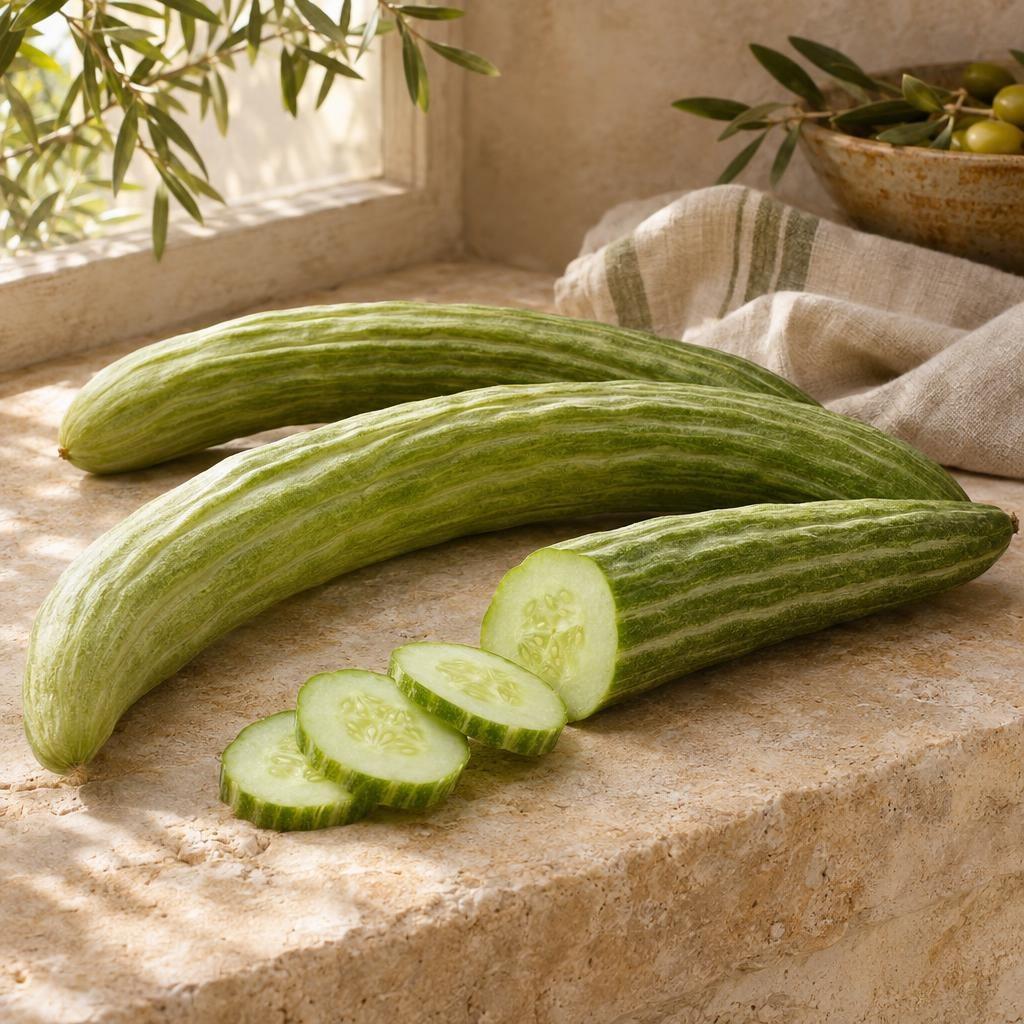
Armenian cucumbers, fakus

On the label or sign

מלפפון פקוס
Fakus or Armenian cucumber
מלפפון ארמני
Armenian cucumber

פקוס / פאקוס; מלפפון ארמניArmenian cucumber

fakus / pakus; melafefon armeni

US English

Armenian cucumber or snake melon

UK English

Armenian cucumber or snake melon

What it is

פקוס is eaten like cucumber but is botanically Cucumis melo var. flexuosus. The fruit is long, pale or striped, and often curved or ribbed.

The difference

פקוס is not the ordinary cucumber Cucumis sativus and is not bought for melon sweetness.

Common mistake

Do not choose an ordinary dark cucumber when a recipe expects the texture of פקוס.

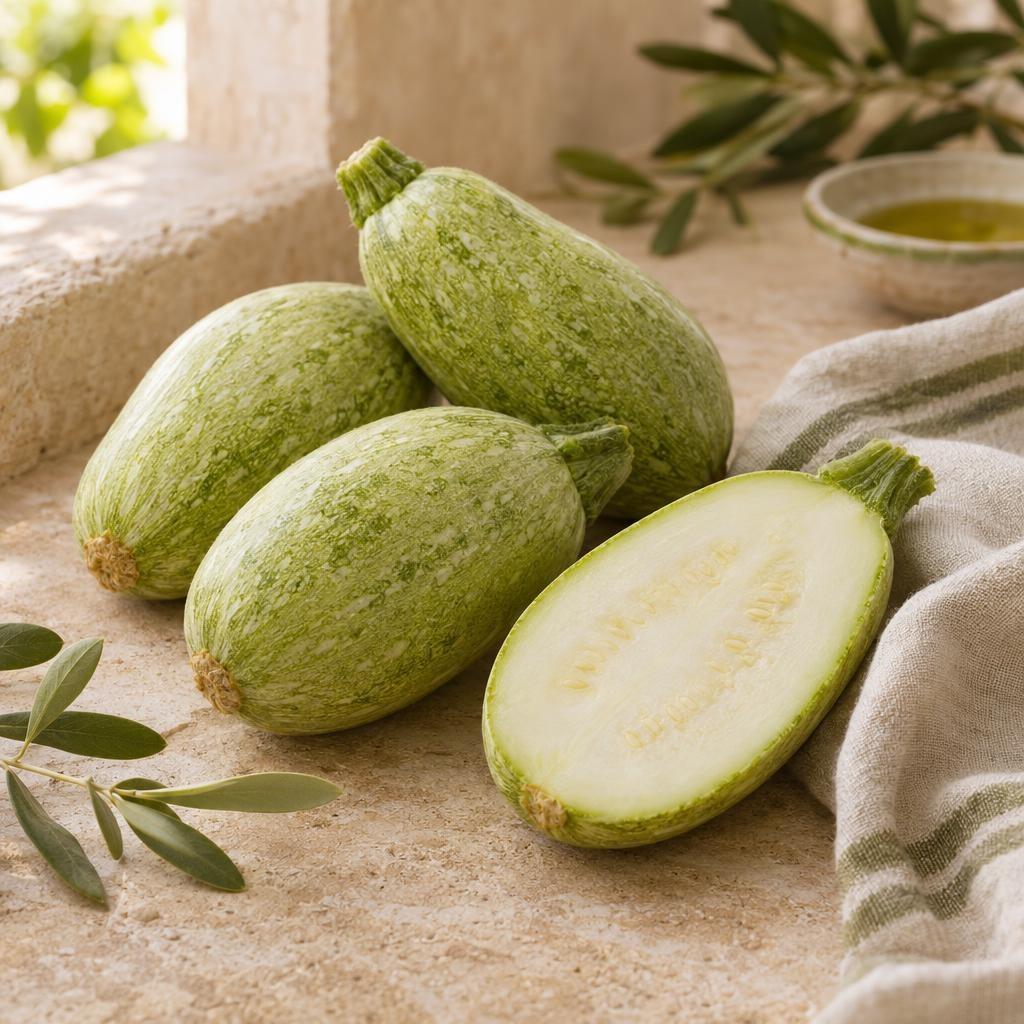
Pale green baladi squash, kishu'a baladi

On the label or sign

קישוא
Usually the pale Israeli summer squash
קישוא בלדי
Pale baladi squash

קישוא בהיר / קישוא בלדיPale Israeli squash

kishu'a bahir / kishu'a baladi

US English

Light green summer squash or vegetable marrow type

UK English

Pale courgette or small marrow type

What it is

קישוא בהיר is the common pale Israeli summer squash. The pale green to cream fruit is shorter and more bulbous than dark zucchini.

The difference

קישוא בהיר is a vegetable marrow or baladi type, not a fully mature British marrow. Dark or yellow cylindrical zucchini is labelled זוקיני.

Common mistake

Do not expect the dark green zucchini pictured in many US recipes when a shelf says only קישוא.

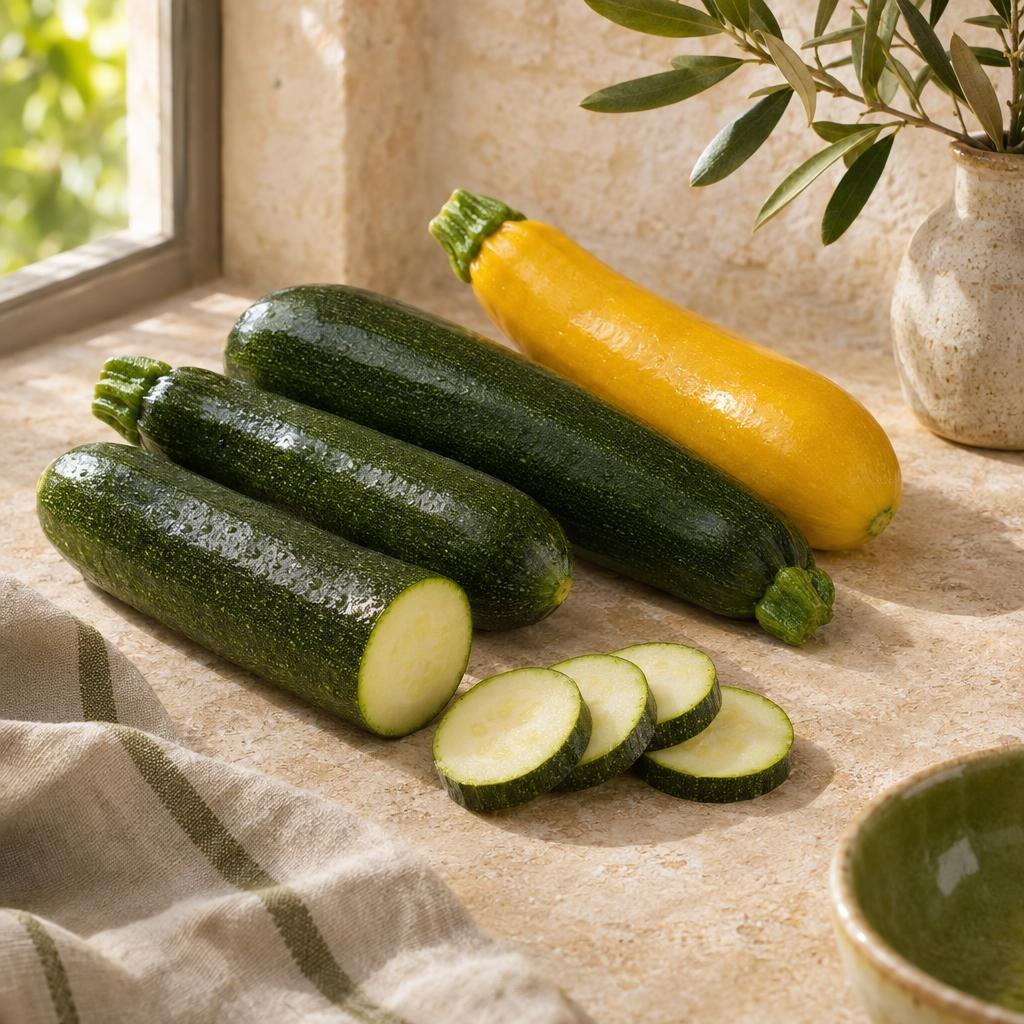
Zucchini, zukini, green and yellow

On the label or sign

זוקיני כהה
Dark zucchini or courgette
זוקיני צהוב
Yellow zucchini or courgette

זוקיני כהה / זוקיני צהובZucchini

zukini kehe / zukini tsahov

US English

Zucchini or yellow zucchini

UK English

Courgette or yellow courgette

What it is

זוקיני is a long cylindrical summer squash. Israeli stores list dark green and yellow זוקיני separately from pale קישוא.

The difference

Courgette is the UK word for the vegetable called zucchini in the US.

Common mistake

Do not treat קישוא and זוקיני as unrelated vegetables, but check which fruit type the recipe expects.

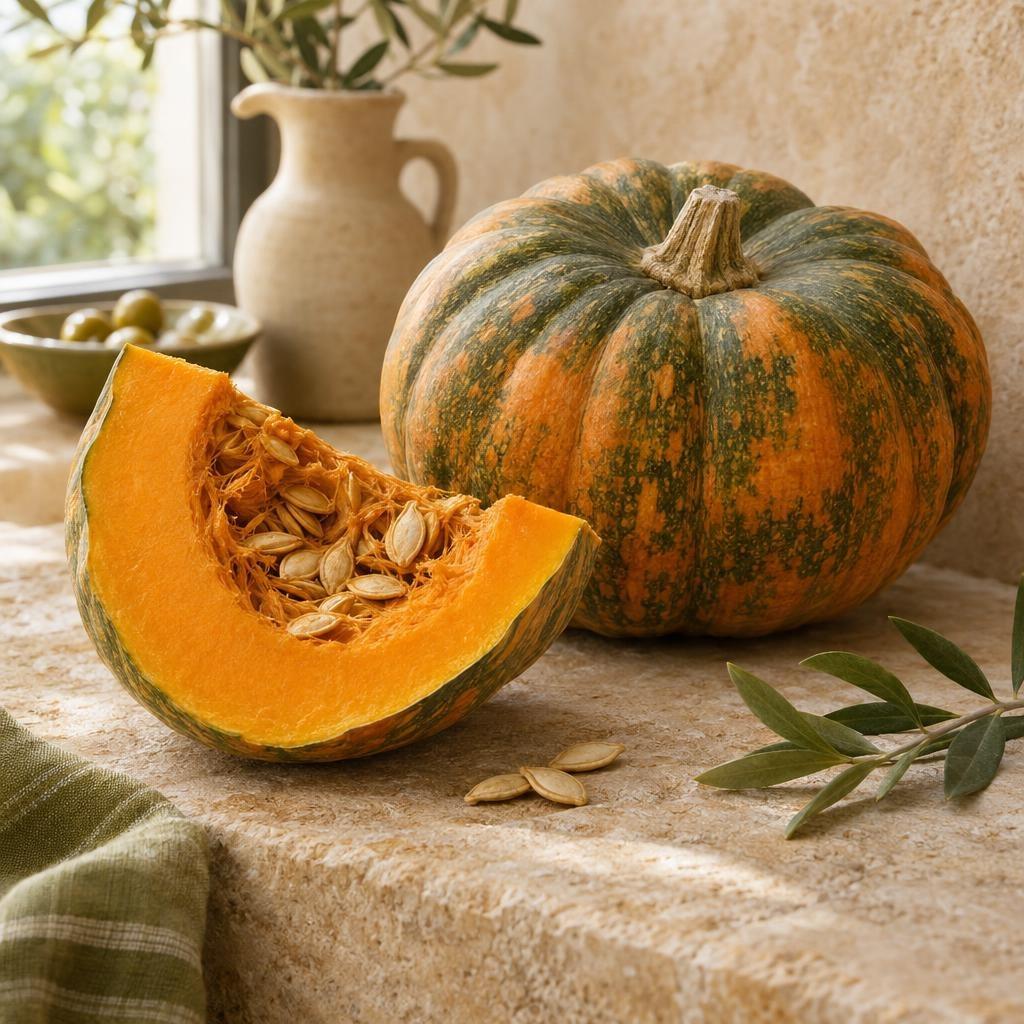
A pumpkin wedge, dla'at

On the label or sign

דלעת
Pumpkin or winter squash

דלעתPumpkin or winter squash

dla'at

US English

Pumpkin or winter squash

UK English

Pumpkin or squash

What it is

דלעת is a broad Hebrew market category for pumpkin or winter squash. Stores often sell דלעת as an orange fleshed cut wedge.

The difference

דלעת alone does not identify a US carving pumpkin or a specific cultivar.

Common mistake

Do not buy an unnamed דלעת wedge for a recipe that requires a whole sugar pumpkin or a named squash texture.

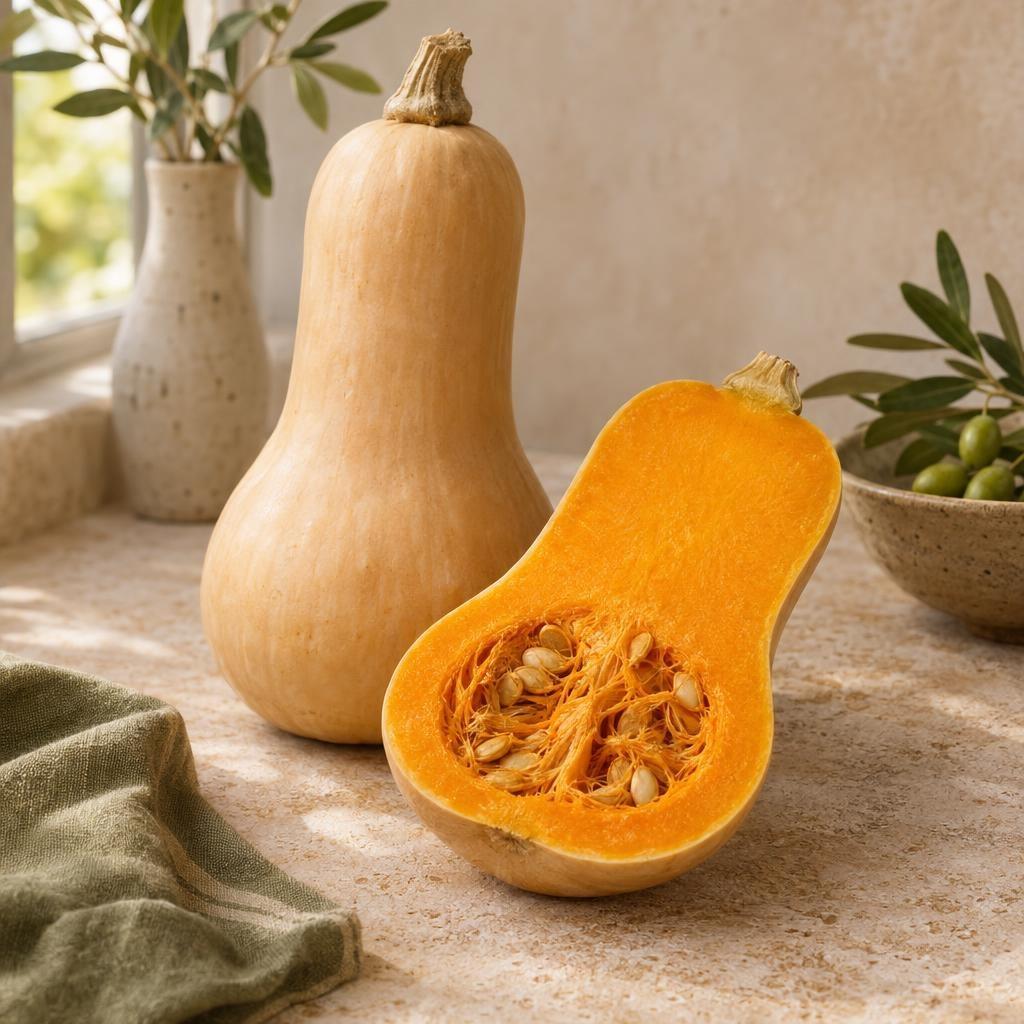
Butternut squash, dalorit

On the label or sign

דלורית
Butternut squash

דלוריתButternut squash

dalorit

US English

Butternut squash

UK English

Butternut squash

What it is

דלורית is the standard Israeli name for butternut squash. The whole squash is tan, smooth, and pear shaped, with orange flesh.

The difference

דלורית is a specific squash, while דלעת is a broad market category.

Common mistake

Buy דלורית for butternut squash instead of a generic דלעת wedge.

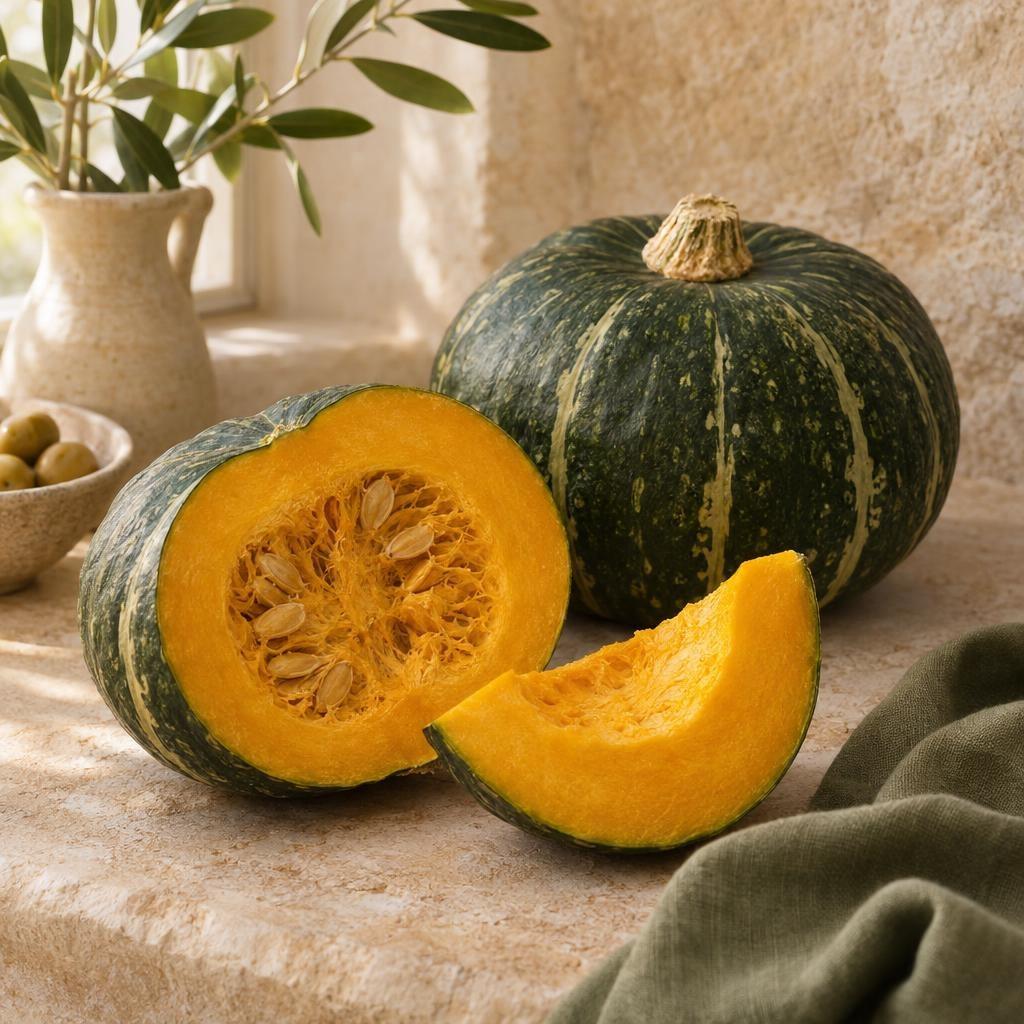
Kabocha squash, dla'at armonim

On the label or sign

דלעת ערמונים
Acorn squash

דלעת ערמוניםAcorn squash

dla'at armonim

US English

Acorn squash

UK English

Acorn squash

What it is

דלעת ערמונים is an Israeli acorn squash cultivar or type. The small squash is deeply ribbed and usually dark green.

The difference

The word ערמונים is part of the name. דלעת ערמונים does not contain chestnuts and is not butternut squash.

Common mistake

Buy דלעת ערמונים for acorn squash, not for chestnuts or butternut squash.

Roots, Stems, and Bulbs

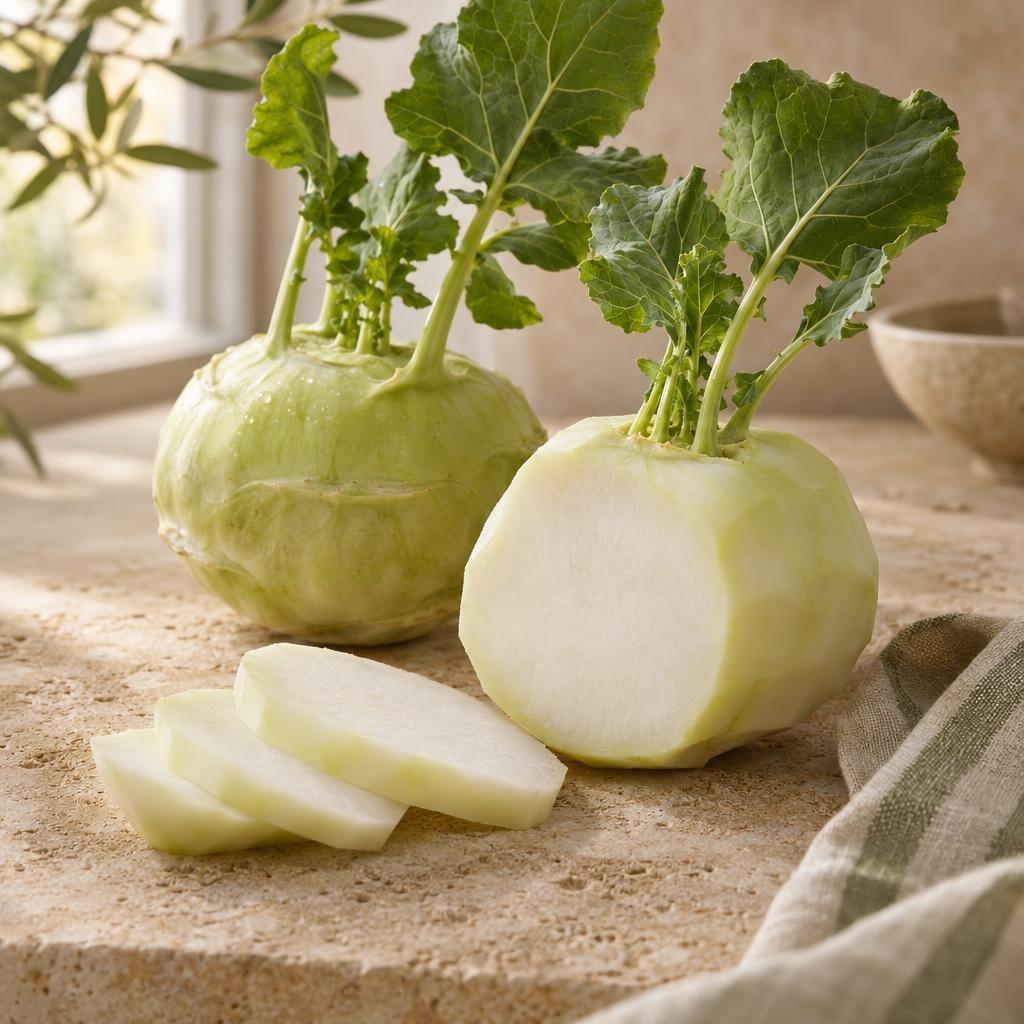
Kohlrabi, kolrabi

On the label or sign

קולרבי
Kohlrabi
קולורבי
Kohlrabi
כרוב הקלח
Kohlrabi

קולרבי / קולורבי; כרוב הקלחKohlrabi

kolarabi / kolorabi; kruv ha-kelah

US English

Kohlrabi

UK English

Kohlrabi

What it is

קולרבי is a cabbage relative grown for an enlarged stem above the ground. Pale green or purple stems have leaf stalks emerging around them and white flesh.

The difference

קולרבי is not a root or a turnip. כרוב הקלח is the Hebrew equivalent recorded by the Academy of the Hebrew Language.

Common mistake

Do not buy לפת when a recipe asks for קולרבי.

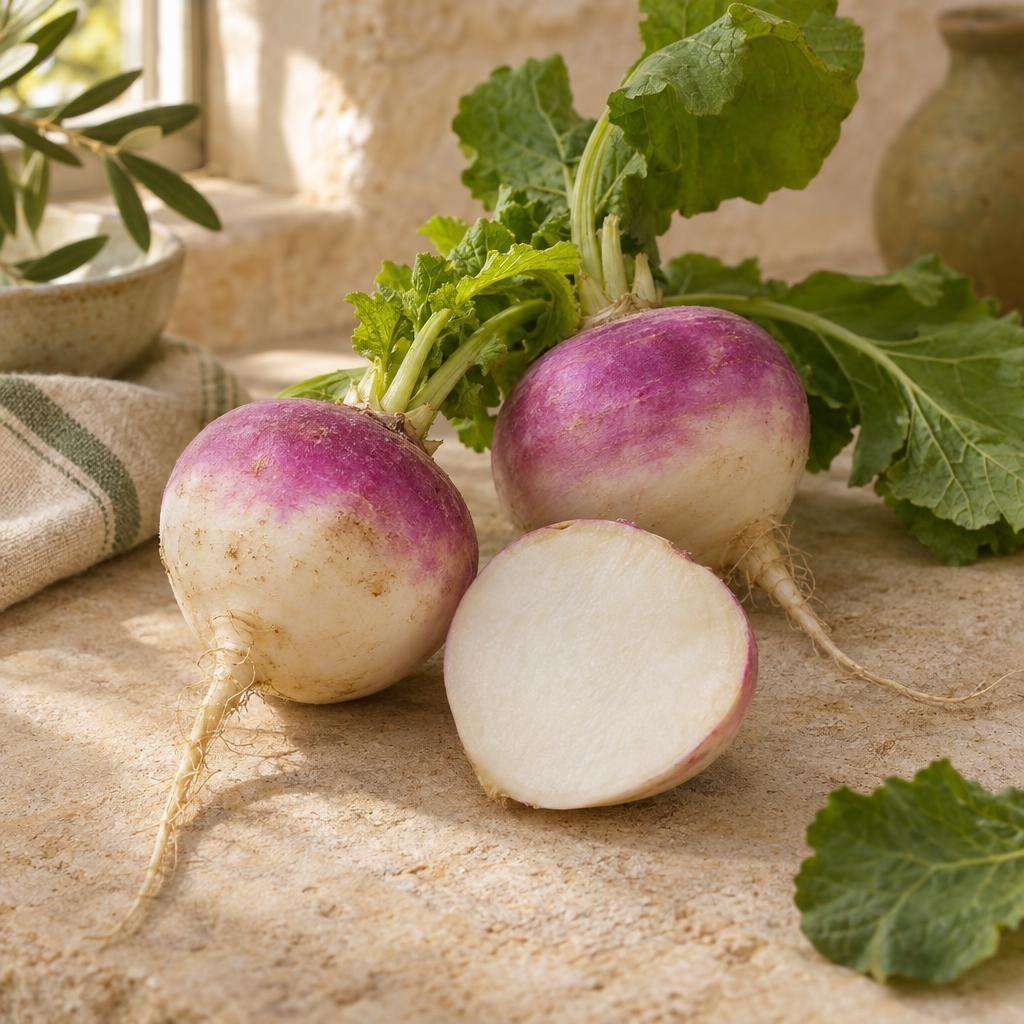
Turnips, lefet

On the label or sign

לפת
Turnip

לפתTurnip

lefet

US English

Turnip

UK English

Turnip

What it is

לפת is a turnip. The smooth round root is usually white with a purple or green shoulder.

The difference

לפת is distinct from kohlrabi and from the larger yellow fleshed rutabaga or swede.

Common mistake

Do not substitute קולרבי or assume לפת means rutabaga or swede.

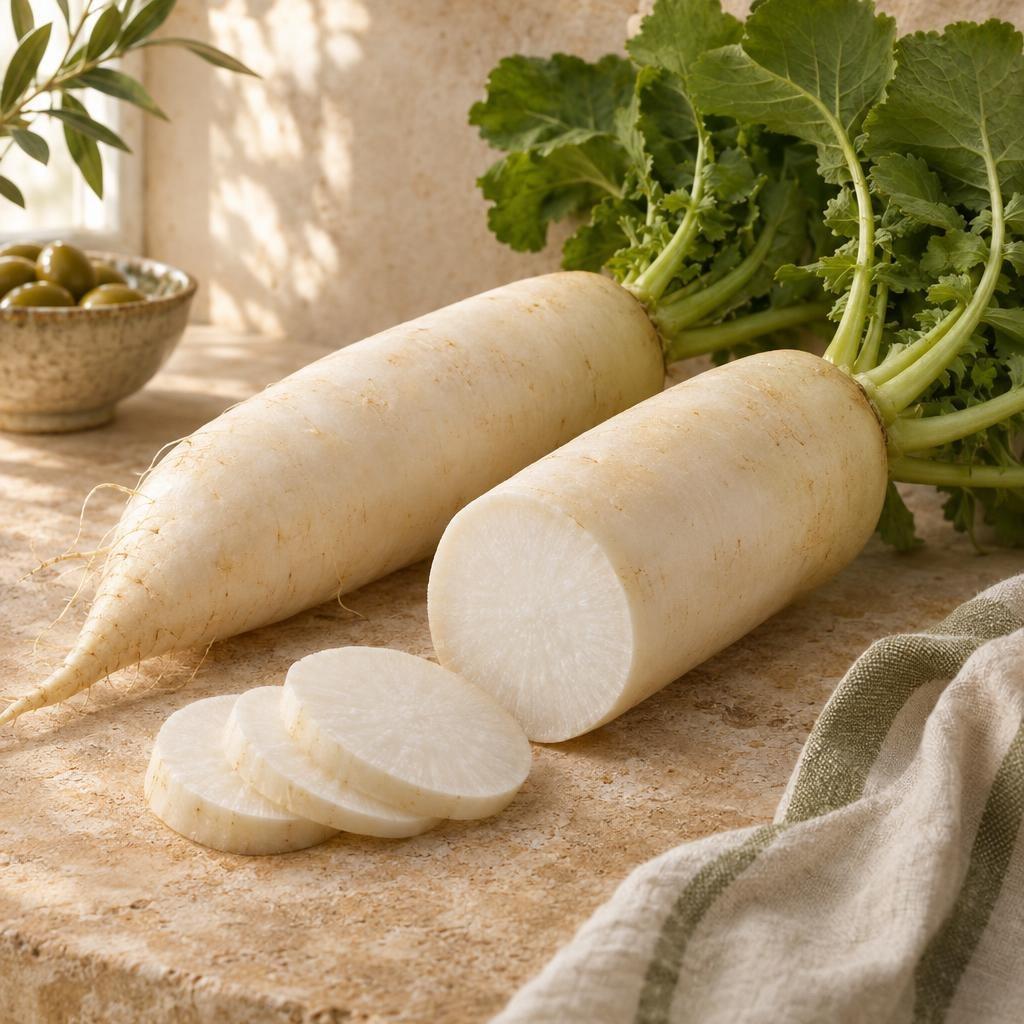
Large white radish, tsnon

On the label or sign

צנון
Large radish

צנוןLarge radish

tsnon

US English

Large radish, often daikon type when long and white

UK English

Large radish, often daikon type when long and white

What it is

צנון is the general or large radish shelf term. The root may be large and elongated or round.

The difference

צנון does not guarantee a daikon cultivar unless the label names the type. Small salad radishes are צנונית.

Common mistake

Do not assume every צנון is a small red salad radish.

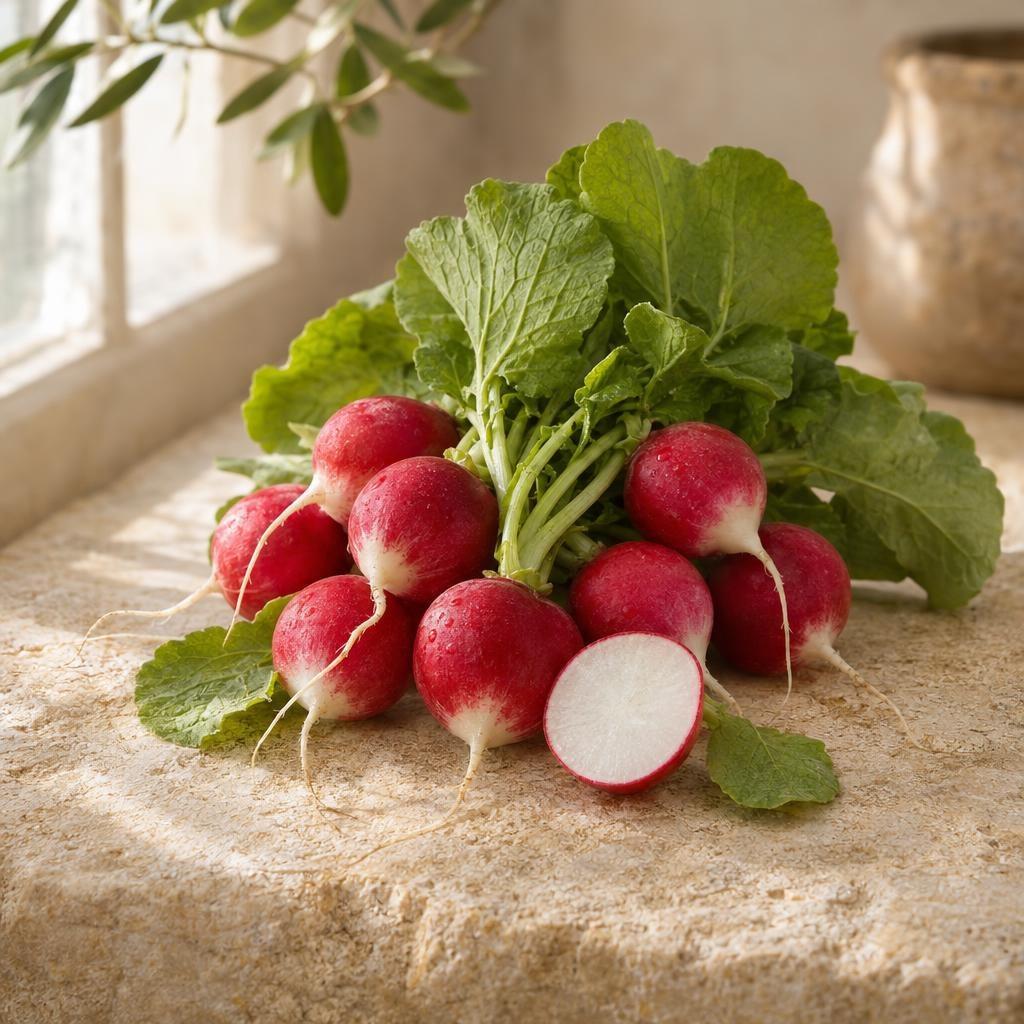
Small red radishes, tsnonit

On the label or sign

צנונית
Small radish

צנוניתSmall radish

tsnonit

US English

Small radish

UK English

Small radish

What it is

צנונית is the term for small salad radishes. The roots are small, round, and red or pink.

The difference

צנונית is sold separately from the larger radish called צנון.

Common mistake

Do not buy a large white צנון for a recipe that expects small red radishes.

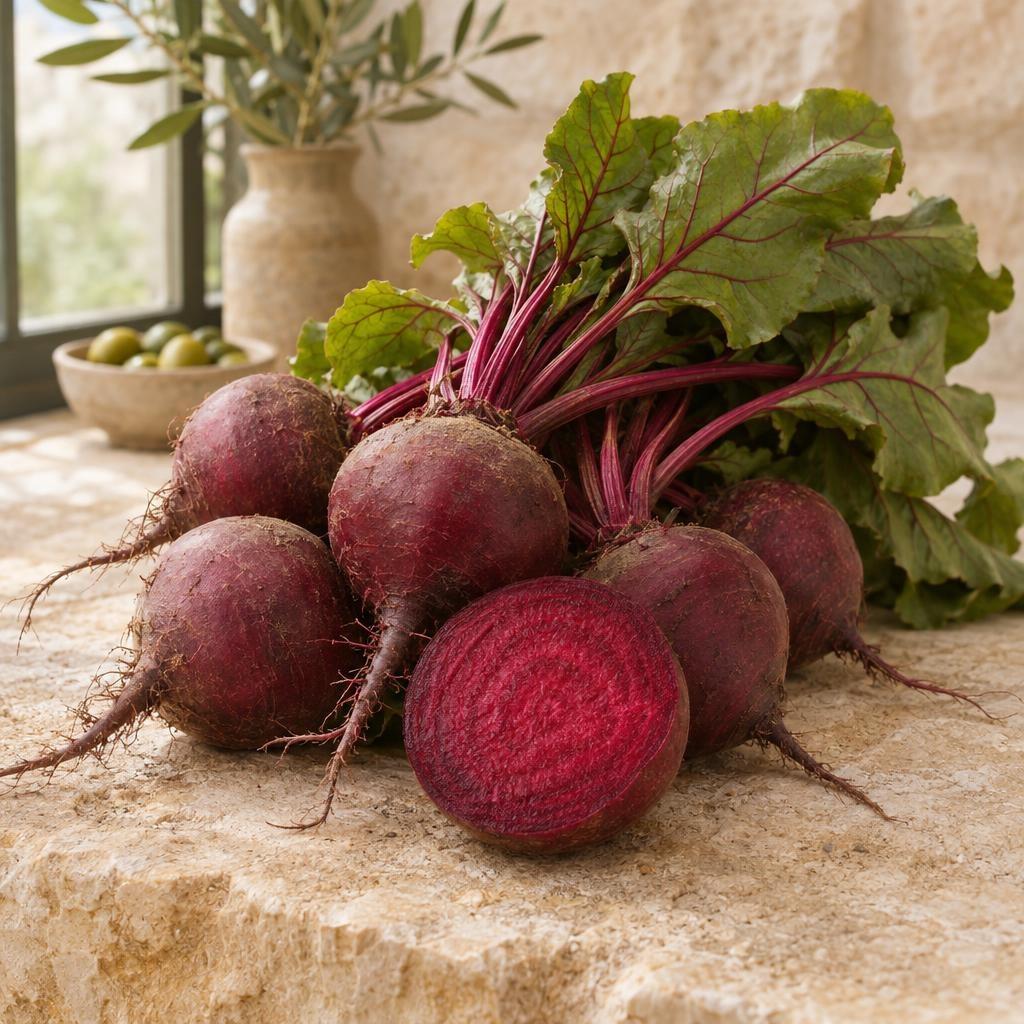
Red beets, selek

On the label or sign

סלק
Beet or beetroot
סלק אדום
Red beet or beetroot

סלק אדום / סלקBeetroot

selek adom / selek

US English

Beet or beetroot

UK English

Beetroot

What it is

סלק is the dark red swollen root sold raw or cooked. Fresh roots and peeled cooked roots are both sold.

The difference

סלק is different from the leafy vegetable מנגולד, which can also be labelled סלק עלים.

Common mistake

Do not buy leafy סלק עלים when a recipe calls for beet roots.

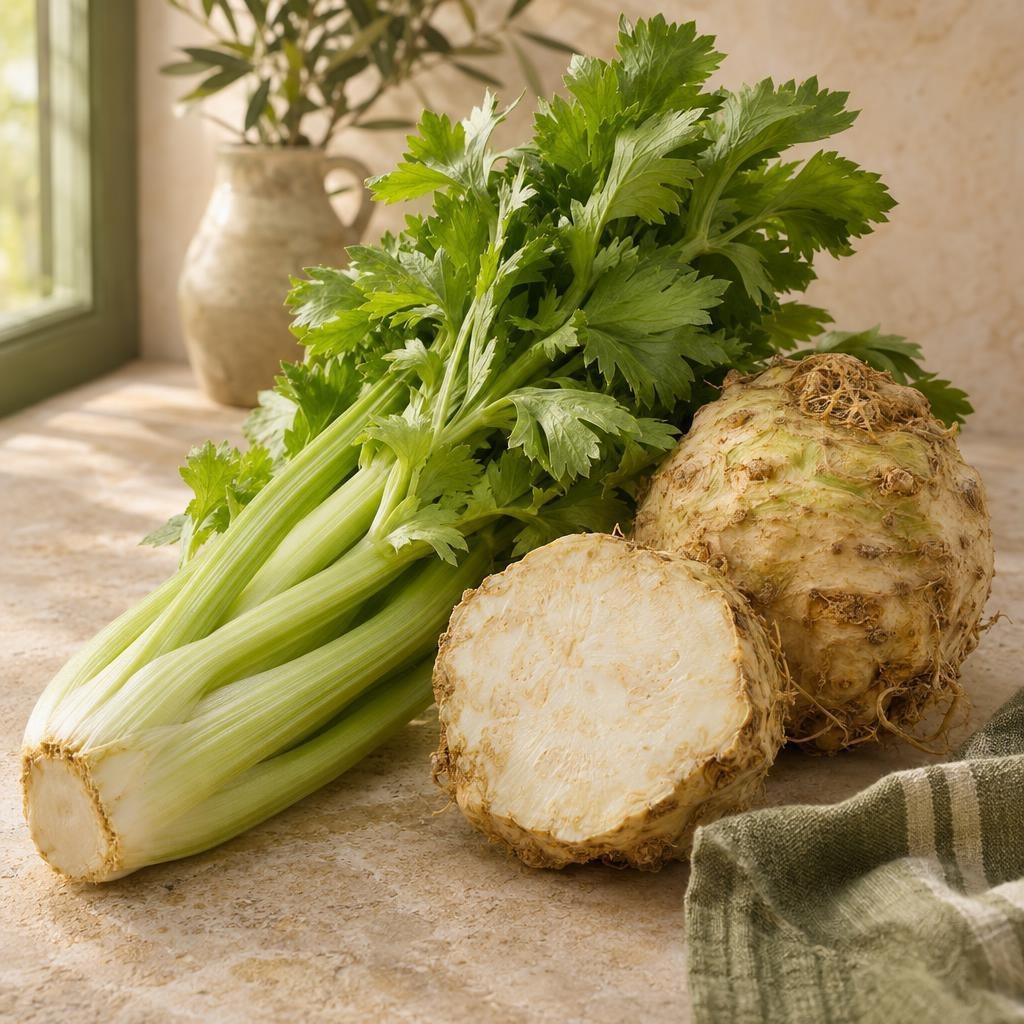
Celery and celery root, seleri

On the label or sign

סלרי עלים
Leaf celery
סלרי אמריקאי
Celery stalks
שורש סלרי
Celery root or celeriac

סלרי עלים / סלרי אמריקאי / שורש סלרי (סלרי ראש)Celery forms

seleri alim / seleri amerikani / shoresh seleri

US English

Leaf celery, celery stalks, or celery root

UK English

Leaf celery, celery, or celeriac

What it is

Israeli shelves distinguish leafy סלרי עלים, thick crisp stalks called סלרי אמריקאי, and the swollen root called שורש סלרי or סלרי ראש.

The difference

The three celery labels identify different retail forms. Celery root is also called celeriac in English.

Common mistake

Do not buy leafy celery for crisp sticks or mistake knobbly celeriac for parsley root.

Parsley roots, shoresh petrozilya

On the label or sign

שורש פטרוזיליה
Parsley root

שורש פטרוזיליהParsley root

shoresh petrozelia

US English

Parsley root

UK English

Parsley root

What it is

Israeli retailers label parsley root as שורש פטרוזיליה. The Academy records גזר לבן for parsnip.

The difference

Parsley root is not the same root as גזר לבן, the Academy term for parsnip.

Common mistake

Do not translate שורש פטרוזיליה as parsnip.

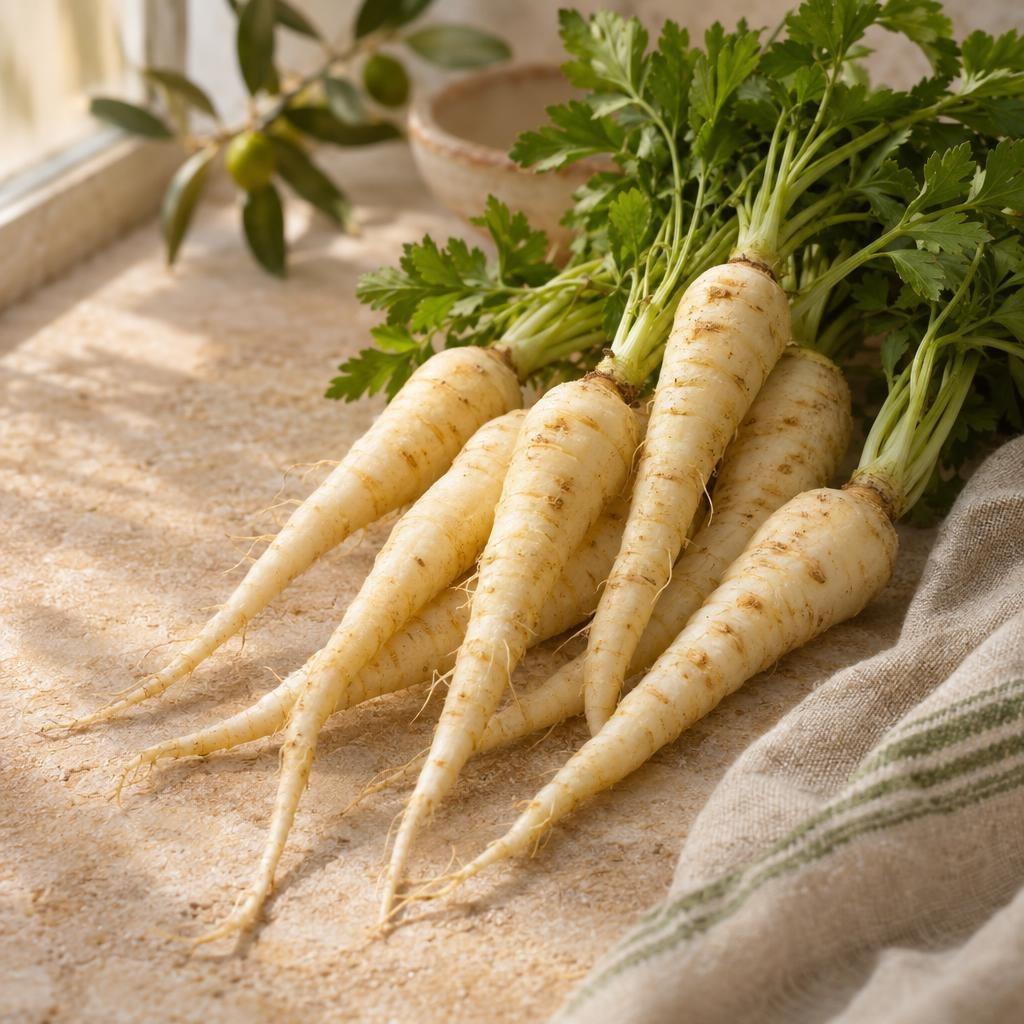
On the label or sign

גזר לבן
Parsnip

גזר לבןParsnip

gezer lavan

US English

Parsnip

UK English

Parsnip

What it is

גזר לבן is the Hebrew term recorded for parsnip, Pastinaca sativa.

The difference

גזר לבן means parsnip in this produce term, not a white carrot or parsley root.

Common mistake

Do not substitute שורש פטרוזיליה when a recipe needs parsnip.

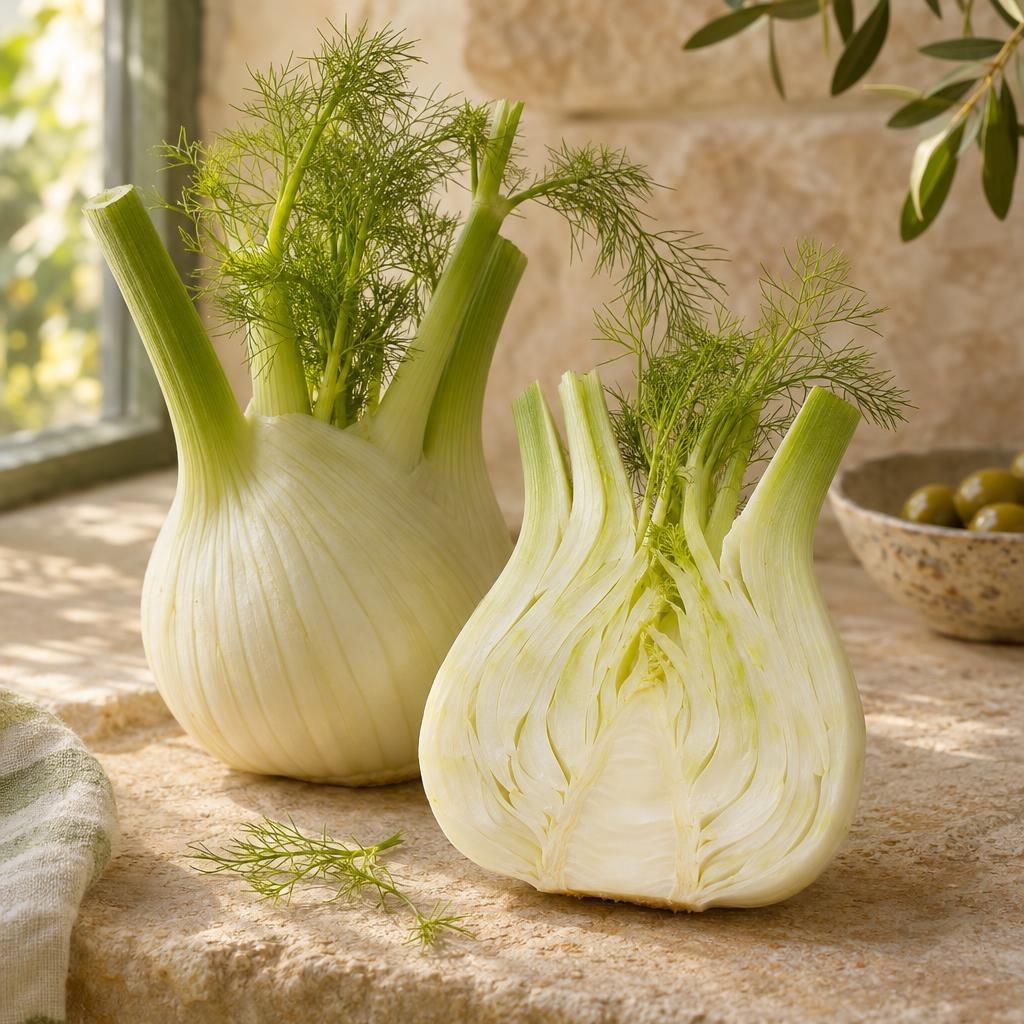
Fennel bulbs, shumar

On the label or sign

שומר
Fennel bulb

שומרFennel bulb

shumar

US English

Florence fennel or fennel bulb

UK English

Florence fennel or fennel bulb

What it is

שומר is the swollen layered bulb and feathery tops of fennel. Stores sell the white bulb with green stalks and fine fronds.

The difference

שומר is distinct from שמיר, dill, and is more than dried fennel seed.

Common mistake

Do not confuse שומר with שמיר because both have aromatic feathery leaves.

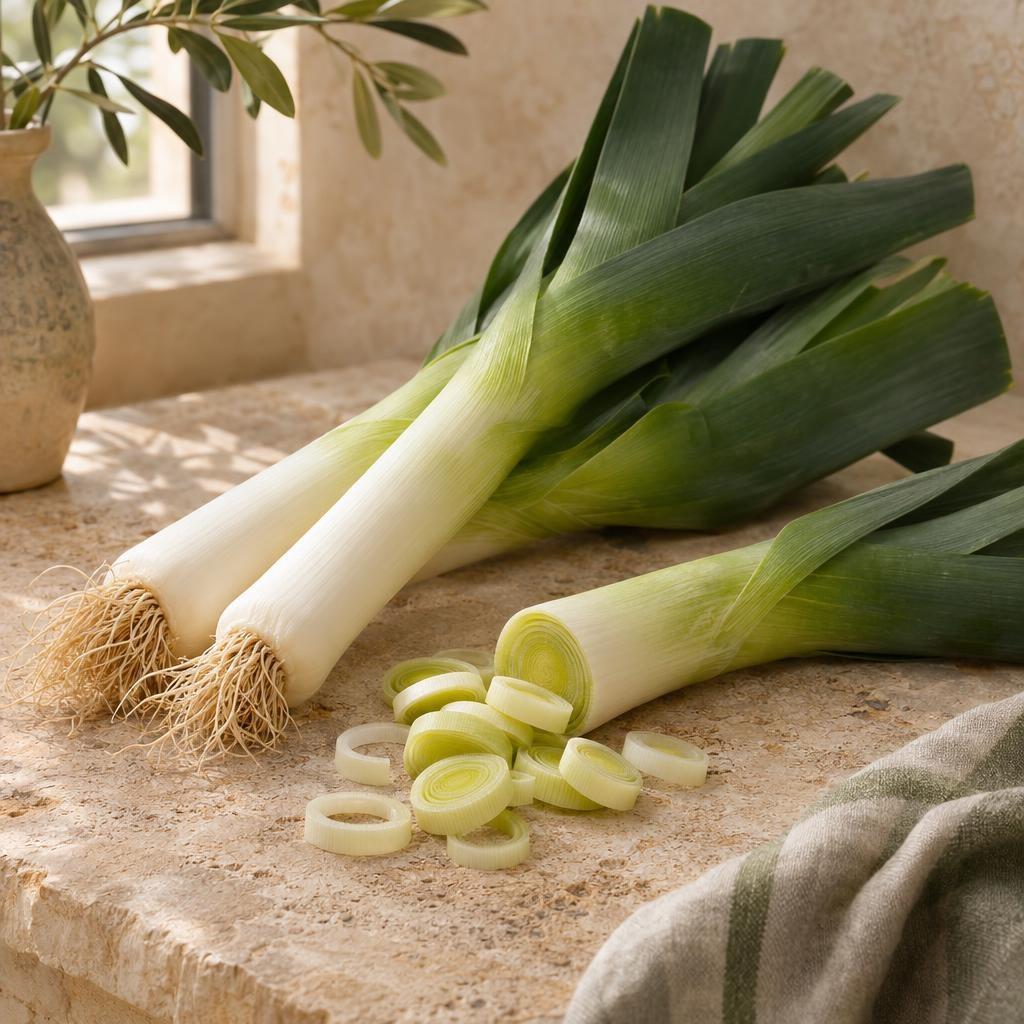
Leeks, krisha

On the label or sign

כרישה
Leek
פראסה
Leek
לוף כרישה
Leek

כרישה / פראסה / לוף כרישהLeek

krisha / prasa / luf krisha

US English

Leek

UK English

Leek

What it is

כרישה, פראסה, and לוף כרישה are retail names for leek. כרישה is the Academy's standard culinary term.

The difference

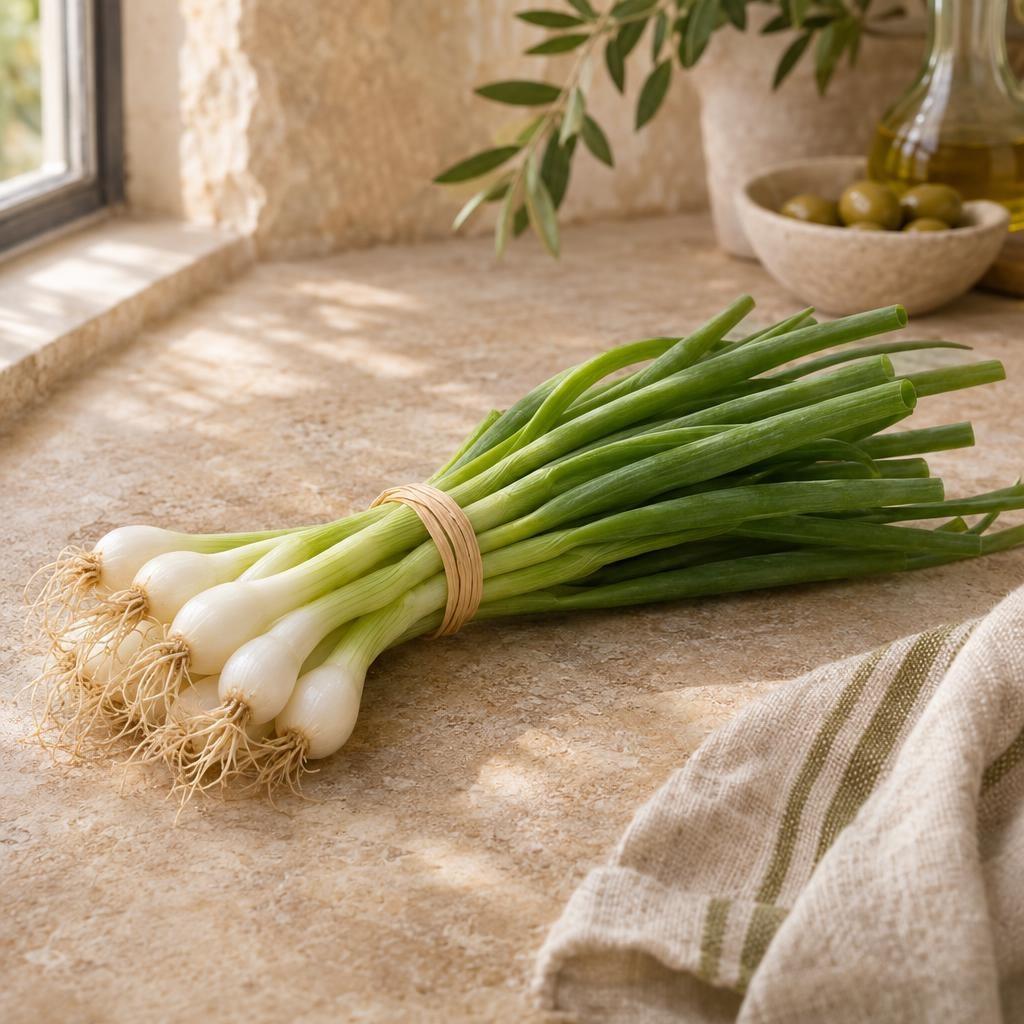
A leek has a long white shaft that grades into flat dark green leaves. בצל ירוק has a small white base and hollow green leaves.

Common mistake

Do not buy spring onions or interpret לוף כרישה as a separate vegetable.

Green onions, batsal yarok

On the label or sign

בצל ירוק
Scallion, green onion, or spring onion

בצל ירוקGreen onion

batsal yarok

US English

Scallion or green onion

UK English

Spring onion

What it is

בצל ירוק is a young onion sold with a small white base and long hollow green leaves.

The difference

US English usually says scallion or green onion, while UK English says spring onion. Regional English usage overlaps.

Common mistake

Do not buy leek, chives, or a full bulb onion for בצל ירוק.

Beans

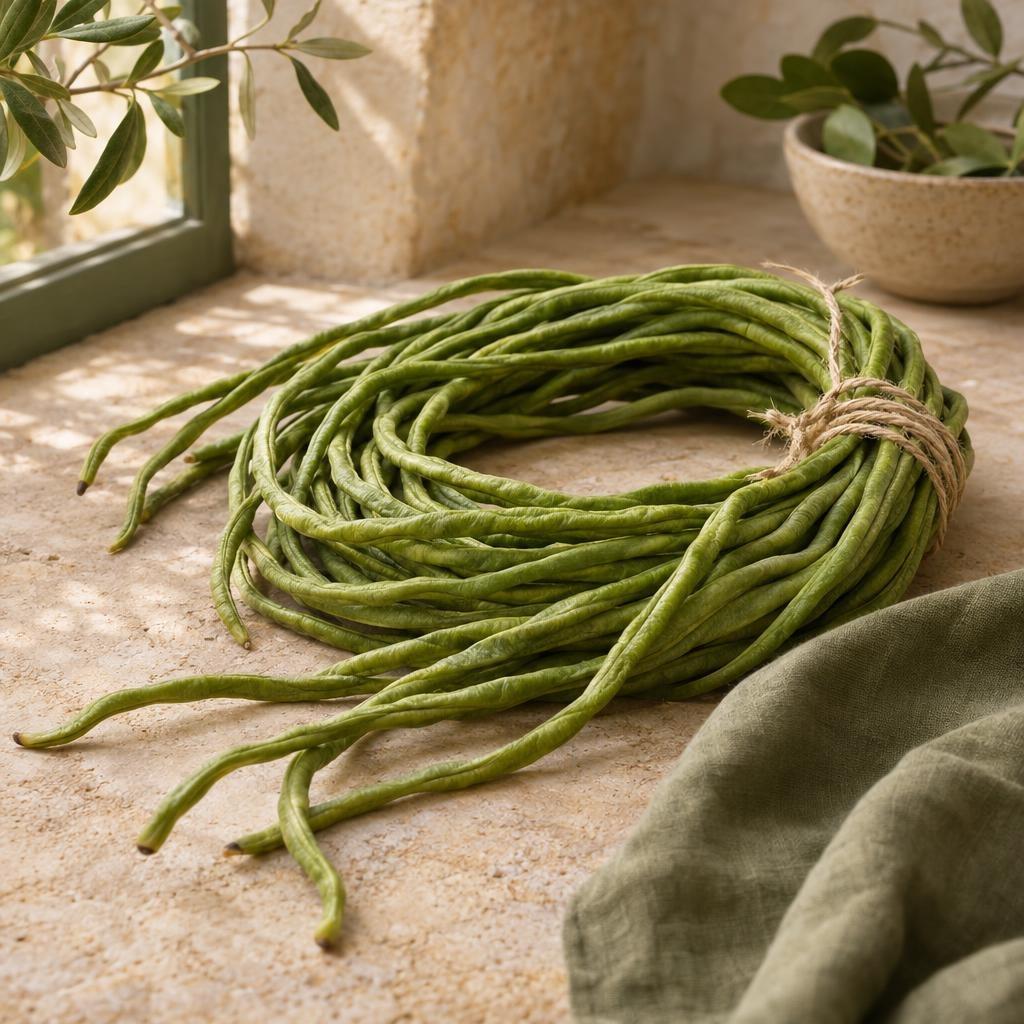
Long beans, lubya

On the label or sign

לוביה
Cowpea
רוביא
Cowpea

לוביה / רוביאCowpea

lubya / rubia

US English

Cowpea or black eyed pea

UK English

Cowpea or black eyed bean

What it is

לוביה is a cowpea species or category. Fresh לוביה is sold as long green pods, while dried seeds may appear as black eyed peas or beans.

The difference

Fresh cowpea pods and dried cowpea seeds have different culinary uses. לוביה is not simply another name for the common green bean.

Common mistake

Check whether a recipe needs fresh לוביה pods or dried seeds before substituting green beans.

Green beans, shu'it yeruka

On the label or sign

שעועית ירוקה
Green bean

שעועית ירוקהGreen bean

shu'it yeruka

US English

Green bean or string bean

UK English

Green bean

What it is

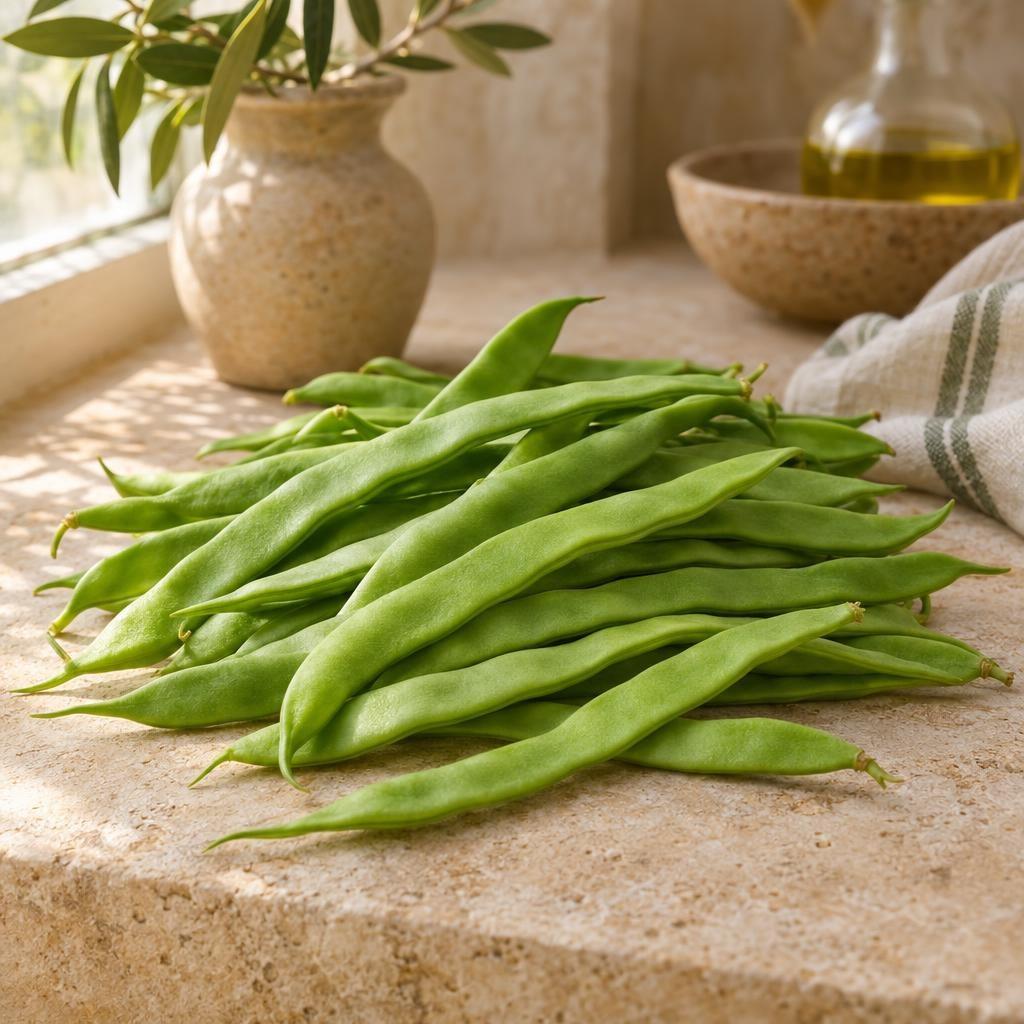
שעועית ירוקה is the common bean sold as thin edible green pods.

The difference

שעועית ירוקה is separate from the cowpea לוביה and the fava bean פול.

Common mistake

Do not treat green beans, לוביה, and פול as interchangeable because all can be sold in pods.

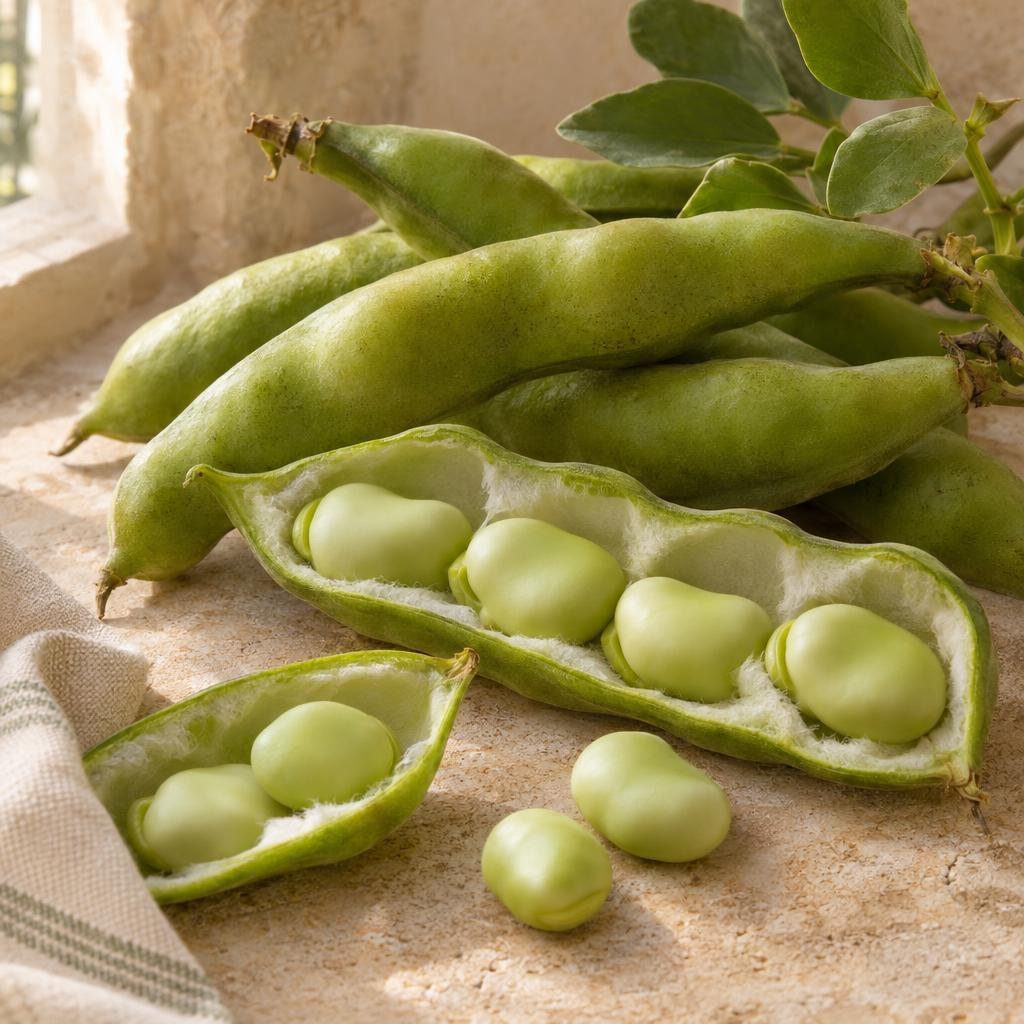
Fresh fava bean pods, pol

On the label or sign

פול
Fava bean or broad bean

פולFava bean

pol

US English

Fava bean

UK English

Broad bean

What it is

פול is fava bean in US English and broad bean in UK English. Fresh פול has larger, plumper pods whose developed beans are usually shelled.

The difference

פול is separate from common green beans and cowpeas.

Common mistake

Do not substitute שעועית ירוקה or לוביה when a recipe calls for fresh פול.

Leafy Vegetables and Herbs

On the label or sign

מנגולד
Swiss chard or chard
סלק עלים
Swiss chard or chard

מנגולד / סלק עליםSwiss chard

mangold / selek alim

US English

Swiss chard or chard

UK English

Swiss chard or chard

What it is

מנגולד is a leafy vegetable with broad leaves and thick pale or colored stalks. Israeli labels also use סלק עלים.

The difference

סלק עלים is chard, not the beet root called סלק.

Common mistake

Do not buy beet roots or spinach when a recipe needs chard leaves and stalks.

On the label or sign

חסה ערבית
Romaine or cos lettuce
לבבות קיסר
Romaine hearts

חסה ערביתRomaine lettuce

hasa aravit

US English

Romaine lettuce

UK English

Cos lettuce

What it is

חסה ערבית is the upright romaine or cos lettuce type. The lettuce has long upright leaves and a tall heart.

The difference

חסה ערבית is not a literal English variety name. Iceberg is labelled חסה עגולה or אייסברג.

Common mistake

Choose חסה ערבית or לבבות קיסר for romaine instead of a tight iceberg head.

On the label or sign

חסה עגולה
Iceberg lettuce
אייסברג
Iceberg lettuce

חסה עגולה / אייסברגIceberg lettuce

hasa agula / aysberg

US English

Iceberg lettuce

UK English

Iceberg lettuce

What it is

חסה עגולה is a compact crisp lettuce head. Israeli retail also uses the borrowed name אייסברג.

The difference

Iceberg forms a tight round head, unlike the long upright leaves of חסה ערבית.

Common mistake

Do not buy iceberg when a Caesar style recipe expects romaine hearts.

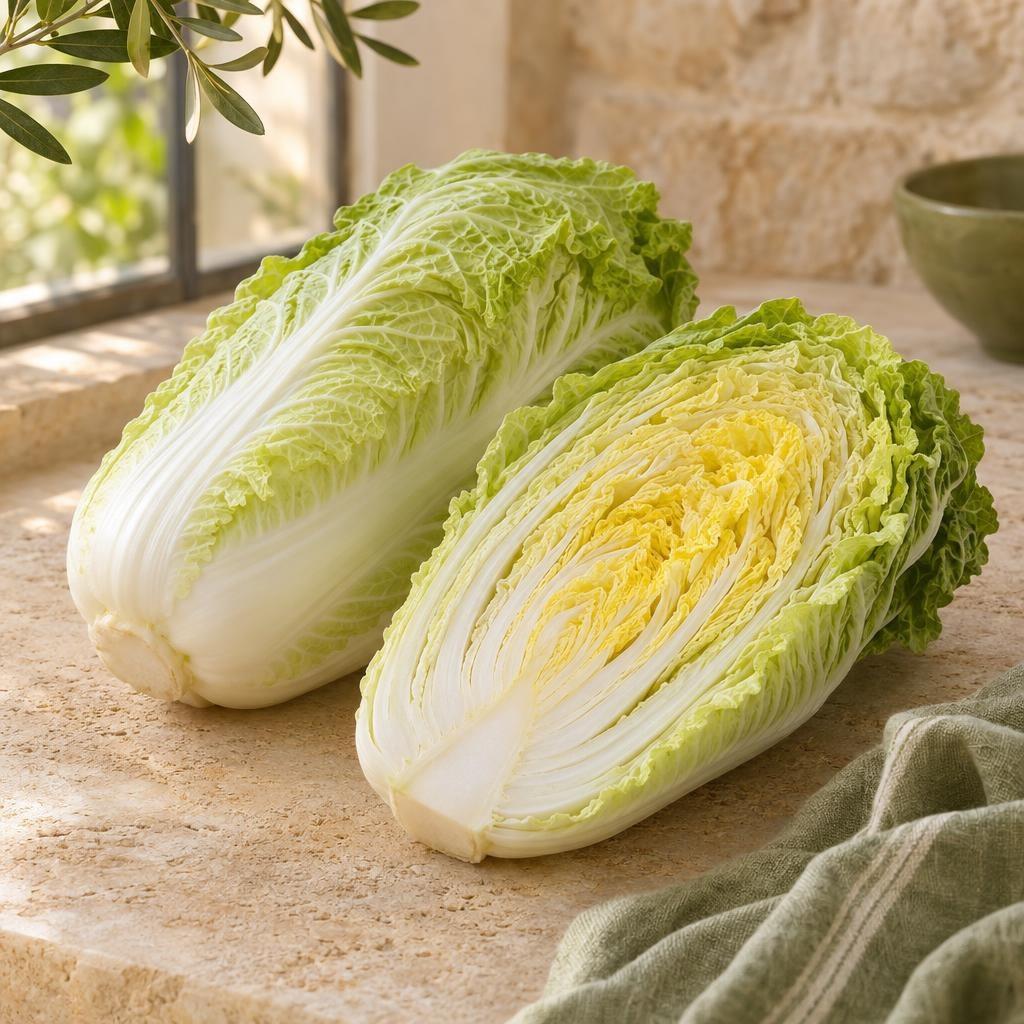
Napa cabbage, kruv sini

On the label or sign

כרוב סיני
Chinese or Napa cabbage
נאפה
Napa cabbage

כרוב סיני / נאפהNapa cabbage

kruv sini / napa

US English

Chinese or Napa cabbage

UK English

Chinese or Napa cabbage

What it is

כרוב סיני is Chinese or Napa cabbage. Napa forms a tall dense pale head.

The difference

כרוב סיני is related to bok choy but is not the same market form.

Common mistake

Do not buy bok choy when a recipe asks for a dense head of Napa or Chinese cabbage.

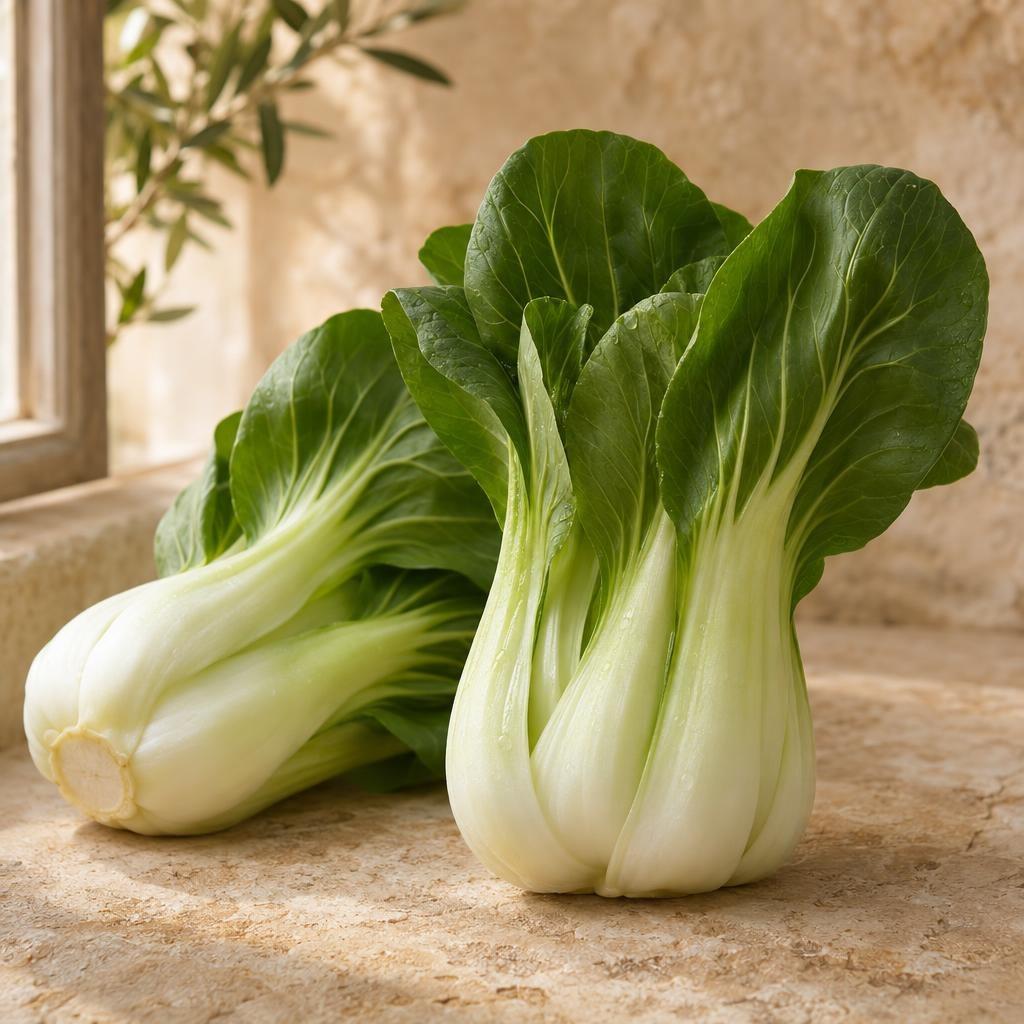
Bok choy, bok choy

On the label or sign

באק צ׳וי
Bok choy or pak choi
פק צ׳וי
Bok choy or pak choi

באק צ׳וי / פק צ׳ויBok choy

bok choy / pak choi

US English

Bok choy

UK English

Pak choi

What it is

באק צ׳וי forms an open cluster of spoon shaped green leaves on thick white or pale green stalks.

The difference

Bok choy is related to Napa cabbage but does not form the same tall dense pale head.

Common mistake

Do not treat כרוב סיני as a guaranteed synonym for bok choy.

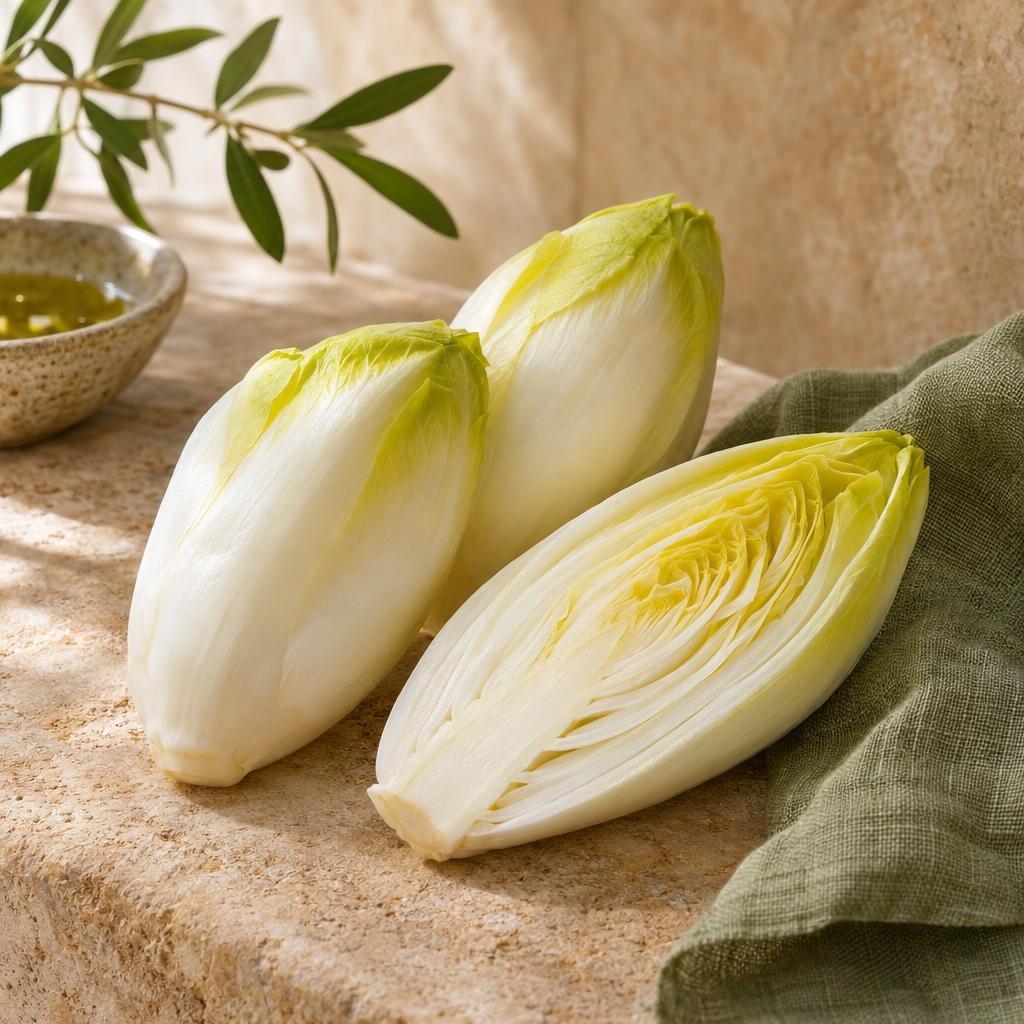
Endive, olesh

On the label or sign

עולש
Chicory or Belgian endive, depending on the product
אנדיב
Endive

עולש / אנדיבBelgian endive

olesh / endiv

US English

Chicory or Belgian endive, depending on the product

UK English

Chicory or Belgian endive, depending on the product

What it is

Israeli retail often pairs עולש and אנדיב on compact white or red pointed heads.

The difference

The English words chicory and endive cover several related cultivated forms. The Hebrew label alone may not identify the precise botanical group.

Common mistake

Do not expect loose curly endive or frisée when the pack contains tight pointed heads.

On the label or sign

רוקולה
Arugula or rocket
רוקט
Arugula or rocket
ארוגולה
Arugula or rocket

רוקולה / רוקט / ארוגולהArugula

rukola / roket / arugula

US English

Arugula

UK English

Rocket

What it is

רוקולה, רוקט, and ארוגולה are shelf names for the same peppery salad green. The leaves are small and deeply lobed.

The difference

US English usually says arugula, while UK English says rocket.

Common mistake

Search all three shelf names and do not confuse the leaves with גרגיר הנחלים, watercress.

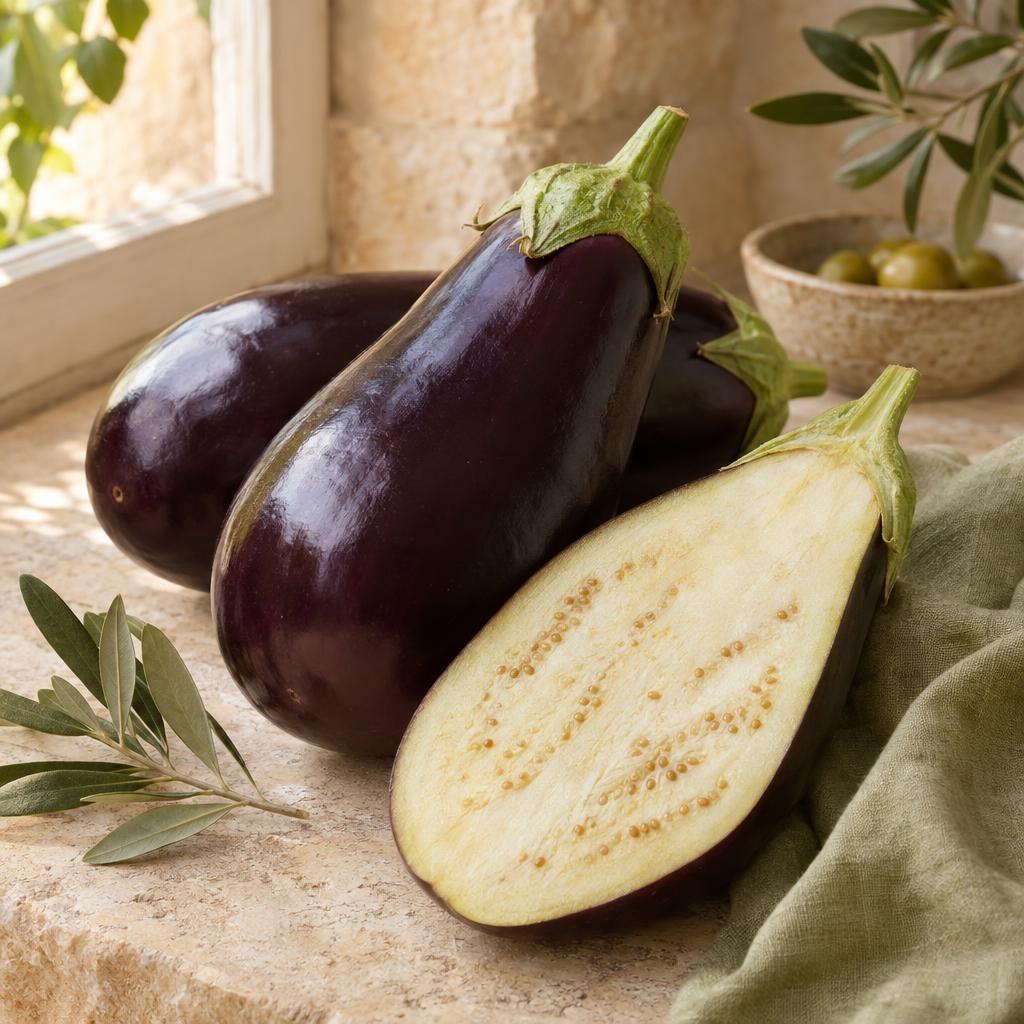
Eggplants, hatsil

On the label or sign

חציל
Eggplant or aubergine

חצילEggplant

hatsil

US English

Eggplant

UK English

Aubergine

What it is

חציל is the glossy purple elongated or oval vegetable called eggplant in US English and aubergine in UK English.

The difference

Eggplant and aubergine are two standard English names for the same vegetable.

Common mistake

Look for חציל whether an English recipe says eggplant or aubergine.

On the label or sign

כוסברה
Cilantro or coriander leaf

כוסברהCilantro

kusbara

US English

Cilantro for leaves, coriander for seed

UK English

Coriander or coriander leaf

What it is

כוסברה is the fresh leafy herb called cilantro in US English and coriander in UK English. The leaves are flat, delicate, and lobed.

The difference

The dried seed is a different product and use. US English commonly reserves coriander for the seed.

Common mistake

A US shopper should ask for fresh כוסברה leaves to avoid receiving coriander seeds or flat leaf parsley.

Your Recipe Says This. Look for This Hebrew Label.

Your recipe says this. Look for this Hebrew label.
Recipe saysLook for in IsraelKeep in mind
Sweet potatoבטטהbatataNot a true yam
Dark zucchini or courgetteזוקיני כההzukini keheLong and dark green
Butternut squashדלוריתdaloritTan and pear shaped
Acorn squashדלעת ערמוניםdla'at armonimSmall and deeply ribbed
Kohlrabiקולרבי / קולורביkolarabi / kolorabiAn enlarged stem
TurnipלפתlefetA root, unlike kohlrabi
Celeriacשורש סלריshoresh seleriCelery root
Swiss chardמנגולד / סלק עליםmangold / selek alimLeaves and thick stalks
Leekכרישה / פראסהkrisha / prasaBoth labels mean leek
Arugula or rocketרוקולה / רוקטrukola / roketThe same salad green

Knowing the word is half of it. Say it out loud.

A Hebrew speaking app with Maya and David, AI tutors who hold conversations, explain corrections and help you practise what you need to say. Private beta on iPhone and Android. Public store launch is still ahead. Free Classic lessons to start, no card needed.

Explore baba Learn

How we checked this guide

By the baba team. Checked on against 55 sources, mostly Israeli retailers, manufacturers and government pages, and updated . Products, labels and rules change, so check the pack or the office before you rely on a detail. Our methodology.

Frequently Asked Questions

Is gamba the same as red bell pepper?

גמבה usually means a red sweet pepper in Israeli retail. Israel's quality specification defines גמבה by its flattened shape, so not every red sweet pepper is formally gamba.

Is kishu'a the same as zucchini?

קישוא often means the pale Israeli vegetable marrow or baladi summer squash. Stores use זוקיני for the long cylindrical dark green or yellow type called zucchini in the US and courgette in the UK.

Is batata a yam or a sweet potato?

בטטה is sweet potato, Ipomoea batatas. A true yam belongs to the Dioscorea species, so yam is a misleading translation for בטטה.

Is Jerusalem artichoke an artichoke?

ארטישוק ירושלמי is a tuber of a sunflower relative. ארטישוק is the layered flower head to buy when a recipe needs globe artichoke.

Is kohlrabi a turnip?

קולרבי is an enlarged cabbage stem above the ground, not a root. לפת is the Hebrew label for turnip.

More Hebrew-English Guides

All guides