
baba
Free, no AIHebrew-English guide 79 of 100

Israeli Greetings for Every Occasion, in Plain English

When to say titchadesh, refua shlema, beteavon and labriut.

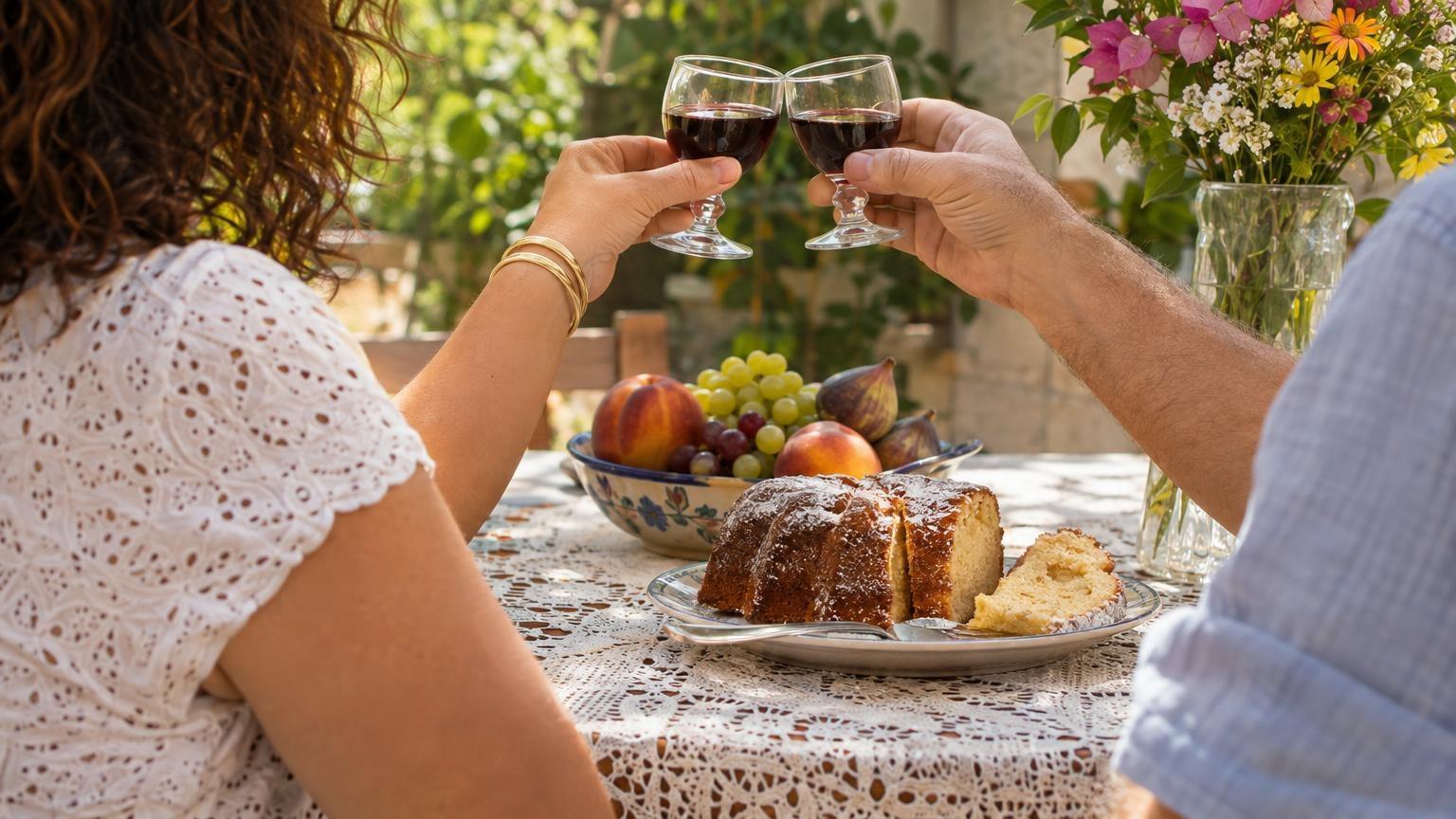
People toasting at a festive table in Israel

Mix-Ups to Avoid

  1. לבריאות is what you say after a sneeze, not a toast. When glasses are raised, say לחיים.
  2. מזל טוב congratulates someone on happy news; it does not mean good luck. Before an exam or interview, say בהצלחה.
  3. Hebrew greetings change with gender and number. Say תתחדשי to a woman and ברוכים הבאים to a group, not the masculine singular.
In This Guide24 entries

Everyday Moments

On the label or sign

תתחדשי על התספורת
enjoy your new haircut, to a woman

תתחדש / תתחדשי / תתחדשוEnjoy your new thing

titchadesh / titchadshi / titchadshu

US English

Enjoy it; Nice!; Congrats on the new...

UK English

Same as US

What it is

תתחדש is a congratulatory wish for something new, such as clothes, a phone, a car, a home or a haircut. Say תתחדש to a man, תתחדשי to a woman and תתחדשו to a group.

The difference

English has no single equivalent of תתחדש, so the translation depends on context. The older formula תבלה ותחדש is not the everyday default.

Common mistake

Do not say תתחדש to a woman or מזל טוב for an ordinary new shirt; say תתחדשי על התספורת for a woman's new haircut.

On the label or sign

רפואה שלמה לאבא שלך
wishing your father a full recovery

רפואה שלמה / החלמה מהירהGet well soon

refua shlema / hachlama mehira

US English

Get well soon; Feel better

UK English

Same as US

What it is

רפואה שלמה literally wishes a complete healing, and החלמה מהירה wishes a speedy recovery. Both can be said to the patient or about a sick relative.

The difference

רפואה שלמה is a set phrase, not complete medicine. לבריאות, despite meaning to health, is not a get-well message.

Common mistake

Do not use לבריאות to wish someone a recovery; say רפואה שלמה לאבא שלך for a friend's sick father.

לבריאות / אסותאBless you (after a sneeze)

labriut / asuta

US English

Bless you

UK English

Bless you

What it is

לבריאות is a wish to health said after another person sneezes. אסותא is a traditional Aramaic form still heard in religious usage.

The difference

לבריאות is not the Hebrew toast. The safe everyday reply to לבריאות is תודה.

Common mistake

Do not say לבריאות when raising a glass; the toast is לחיים.

On the label or sign

גם לך
you too

בתיאבוןEnjoy your meal

beteavon

US English

Enjoy your meal; Bon appetit

UK English

Same as US

What it is

בתיאבון is a fixed wish said to someone about to eat or eating, meaning I hope you enjoy your food. Hosts, servers and colleagues say בתיאבון when the food arrives.

The difference

The standard spelling is בתיאבון with a yod, not בתאבון. בתיאבון does not mean with appetite in natural English.

Common mistake

Do not wait until the meal is over to say בתיאבון; reply תודה, or גם לך if the speaker is eating too.

לחייםCheers (toast)

lechaim

US English

Cheers!; To life!

UK English

Cheers!

What it is

לחיים is the standard Hebrew toast, literally to life, said as glasses are raised.

The difference

British cheers can also mean thanks or goodbye, but לחיים only works as a toast.

Common mistake

Do not toast with לבריאות or say לחיים after a sneeze.

Good News And Big Days

On the label or sign

מזל טוב על הקידום
congratulations on the promotion

מזל טובCongratulations

mazal tov

US English

Congratulations!; Happy birthday!

UK English

Same as US

What it is

מזל טוב is the broad default for a birth, wedding, engagement, bar or bat mitzvah, birthday, promotion or other happy achievement. מזל טוב often takes על: מזל טוב על הקידום.

The difference

Despite the literal good fortune, מזל טוב congratulates and does not wish luck before an uncertain event.

Common mistake

Do not say מזל טוב before an exam; say בהצלחה.

בשעה טובה / לידה קלהBest wishes on a new start

besha'a tova / leida kala

US English

Congratulations; easy delivery before a birth

UK English

Same as US

What it is

בשעה טובה literally means at a good hour and suits a welcome beginning whose outcome lies ahead, especially a pregnancy. לידה קלה is the specific wish for an easy delivery before a birth.

The difference

בשעה טובה overlaps with מזל טוב, and both are used. Many traditional speakers prefer בשעה טובה during a pregnancy, while secular speakers may say מזל טוב.

Common mistake

Do not treat בשעה טובה and מזל טוב as a strict before and after rule.

On the label or sign

בהצלחה במבחן
good luck on the test

בהצלחהGood luck

behatzlacha

US English

Good luck!; Wishing you success

UK English

Same as US

What it is

בהצלחה wishes success before or during a test, interview, new job, performance, operation or other challenge. בהצלחה often takes a complement: בהצלחה במבחן.

The difference

בהצלחה looks ahead, while מזל טוב and כל הכבוד look back at good news or an achievement.

Common mistake

Do not use מזל טוב before a challenge; say בהצלחה and expect תודה as the reply.

כל הכבודWell done

kol hakavod

US English

Well done!; Good for you!

UK English

Well done!

What it is

כל הכבוד is praise after effort or achievement, such as passing a stage, solving a problem or helping someone.

The difference

כל הכבוד is not a luck wish and not all the honor in natural English.

Common mistake

Do not say כל הכבוד before the task; say בהצלחה before and כל הכבוד after.

יום הולדת שמח / עד מאה ועשריםHappy birthday

yom huledet sameach / ad me'a ve'esrim

US English

Happy birthday; to 120 only in Jewish English

UK English

Happy birthday; many happy returns

What it is

יום הולדת שמח is the direct birthday greeting. עד מאה ועשרים wishes life to age 120 and often follows מזל טוב.

The difference

עד מאה ועשרים is a cultural wish, not a literal age claim. In English, congratulations is less natural than happy birthday on a birthday.

Common mistake

Do not answer a birthday with congratulations in English; say happy birthday, or מזל טוב! עד מאה ועשרים! in Hebrew.

Welcome And Travel

On the label or sign

ברוכות הבאות
welcome, to a group of women

ברוך הבא / ברוכה הבאה / ברוכים הבאיםWelcome

baruch haba / brucha haba'a / bruchim haba'im

US English

Welcome

UK English

Welcome

What it is

ברוך הבא welcomes a man, ברוכה הבאה a woman, and ברוכים הבאים a mixed or male group; ברוכות הבאות is for a group of women. Entrance signs usually show ברוכים הבאים.

The difference

ברוך הבא is a welcome formula addressed to the guest, not the word blessed translated on its own.

Common mistake

Do not say ברוך הבא to a woman or a group; match the form to the people arriving.

נסיעה טובהHave a good trip

nesi'a tova

US English

Have a good trip; Safe travels

UK English

Have a good journey; Safe travels

What it is

נסיעה טובה is said when someone sets out by car, bus or on a trip. נסיעה can mean a ride, a drive or a trip, so נסיעה טובה is not only for holidays.

The difference

נסיעה טובה is not limited to international travel. For a flight, the specific wish is טיסה נעימה.

Common mistake

Do not save נסיעה טובה for trips abroad; say נסיעה טובה for an ordinary drive too.

טיסה נעימהHave a good flight

tisa ne'ima

US English

Have a pleasant flight

UK English

Same as US

What it is

טיסה נעימה is the flight-specific counterpart to נסיעה טובה, common before someone flies.

The difference

נעימה means pleasant, not safe.

Common mistake

Do not say טיסה נעימה for a car journey; say נסיעה טובה.

Shabbat And Holidays

שבת שלוםShabbat greeting

Shabbat shalom

US English

Shabbat shalom; Have a peaceful Sabbath

UK English

Same as US

What it is

שבת שלום is the standard Hebrew greeting and farewell from Friday, before Shabbat begins, and through Shabbat. The reply is the same phrase.

The difference

Good Shabbos is Yiddish or Jewish English used in some religious communities, not modern Hebrew.

Common mistake

Do not treat שבת שלום as a statement about peace; return שבת שלום.

On the label or sign

שבוע טוב ומבורך
a good and blessed week

שבוע טובHave a good week

shavua tov

US English

Have a good week

UK English

Same as US

What it is

שבוע טוב wishes a good coming week, heard on Saturday night after Shabbat and often on Sunday. Reply שבוע טוב or שבוע טוב ומבורך.

The difference

שבוע טוב is not the greeting during Shabbat itself.

Common mistake

Do not say שבוע טוב on Friday night; say שבת שלום.

On the label or sign

חנוכה שמח
happy Hanukkah

חג שמחHappy holiday

chag sameach

US English

Happy holiday

UK English

Happy holiday

What it is

חג שמח is the broad modern Israeli festival greeting, used before and during Jewish festivals. The holiday can be named, as in חנוכה שמח or פורים שמח.

The difference

חג שמח arose in modern times, but חג שמח is fully correct. English happy holidays often means the December season, which חג שמח does not.

Common mistake

Do not avoid חג שמח because it is modern; use חג שמח for any Jewish festival.

מועדים לשמחה / חגים וזמנים לששוןTraditional festival greeting

mo'adim lesimcha / chagim uzmanim lesason

US English

Happy festival; the reply has no fixed English

UK English

Same as US

What it is

מועדים לשמחה is a traditional festival greeting, heard especially on חול המועד. The set reply is חגים וזמנים לששון.

The difference

In מועדים לשמחה, מועדים means festivals, not appointments. Returning מועדים לשמחה is also understood.

Common mistake

Do not read מועדים as appointments; answer מועדים לשמחה with חגים וזמנים לששון.

שנה טובה / שנה טובה ומתוקהHappy Jewish New Year

shana tova / shana tova umetuka

US English

Happy New Year; Have a good and sweet year

UK English

Same as US

What it is

שנה טובה is the Rosh Hashanah greeting, often fuller as שנה טובה ומתוקה. The historical formal formula is לשנה טובה תיכתבו ותיחתמו.

The difference

שנה טובה literally says good year, but idiomatic English says happy New Year.

Common mistake

Do not use שנה טובה for 1 January without context; use שנה טובה around Rosh Hashanah.

On the label or sign

גמר טוב
short form, Ashkenazi usage

חתימה טובה / גמר חתימה טובהWishes before Yom Kippur

chatima tova / gmar chatima tova

US English

May you be sealed for a good year

UK English

Same as US

What it is

חתימה טובה and גמר חתימה טובה are religious wishes for a favorable sealing, said in the days before Yom Kippur. Return the same phrase or גם לך.

The difference

חתימה טובה is more common in many Mizrahi communities, while גמר חתימה טובה or גמר טוב is common in Ashkenazi usage. Neither is universally correct.

Common mistake

Do not say happy Yom Kippur; say גמר חתימה טובה or חתימה טובה.

צום קלHave an easy fast

tzom kal

US English

Have an easy fast

UK English

Same as US

What it is

צום קל is a practical wish, said before a Jewish fast begins, that the fast pass easily.

The difference

צום קל is separate from גמר חתימה טובה, which carries the religious meaning of the season.

Common mistake

Do not say happy fast or say צום קל after the fast has ended.

חג פסח כשר ושמח / פסח כשר ושמחHappy kosher Passover

chag Pesach kasher vesameach / Pesach kasher vesameach

US English

Happy and kosher Passover

UK English

Same as US

What it is

פסח כשר ושמח adds a Passover kashrut wish to the holiday greeting. A 2026 Israeli government plan uses the full phrase.

The difference

פסח כשר ושמח is a greeting, not a kashrut certificate. Ordinary חג שמח also remains valid for Passover.

Common mistake

Do not read פסח כשר ושמח as a claim about your kitchen or a product; reply חג שמח.

Sad News

משתתף בצערך / משתתף/ת בצערכםI'm sorry for your loss

mishtatef betza'archa / mishtatefet betza'archem

US English

I'm sorry for your loss; My condolences

UK English

Same as US

What it is

משתתף בצערך literally means I share in your sorrow and is said directly to a bereaved person. A man says משתתף and a woman says משתתפת; to a family, say בצערכם.

The difference

The ending of בצערך is pronounced differently for a man and a woman, though the unpointed spelling looks the same. משתתף בצערך addresses the living, not the deceased.

Common mistake

Do not confuse משתתף בצערך with a memorial phrase about the deceased such as יהי זכרו ברוך.

On the label or sign

ז״ל
of blessed memory, after a name

יהי זכרו ברוך / יהי זכרה ברוךMay their memory be a blessing

yehi zichro baruch / yehi zichra baruch

US English

May his or her memory be a blessing

UK English

Same as US

What it is

יהי זכרו ברוך refers to a deceased man and יהי זכרה ברוך to a deceased woman. ז״ל, short for זכרונו לברכה or זכרונה לברכה, follows the name.

The difference

יהי זכרו ברוך is about the deceased, unlike משתתף בצערך, which speaks to the bereaved.

Common mistake

Do not use יהי זכרו ברוך to mean I am sorry for your loss, and do not use זכרו for a woman.

ברוך דיין האמתBlessed is the true Judge

baruch dayan ha'emet

US English

Blessed is the true Judge

UK English

Same as US

What it is

ברוך דיין האמת is a religious response to bad news, now strongly linked with death. ברוך דיין האמת can head a religious death notice.

The difference

ברוך דיין האמת is not a condolence sentence to the family and has no ordinary secular English equivalent.

Common mistake

Do not use ברוך דיין האמת as a casual too bad or instead of a condolence; say משתתף בצערך to the mourner.

What You Would Say in English, and the Hebrew Israelis Say.

What you would say in English, and the Hebrew Israelis say.
In EnglishSay in HebrewKeep in mind
Nice new phone!תתחדשtitchadeshתתחדשי to a woman.
Get well soonרפואה שלמהrefua shlemaTo the patient or about a relative.
Bless youלבריאותlabriutAfter a sneeze only.
Enjoy your mealבתיאבוןbeteavonAs the food arrives.
Cheers!לחייםlechaimThe toast, not לבריאות.
Congratulationsמזל טובmazal tovFor happy news.
Good luckבהצלחהbehatzlachaBefore a challenge.
Well doneכל הכבודkol hakavodAfter an achievement.
Welcomeברוכים הבאיםbruchim haba'imPlural; ברוך הבא to one man.
Safe travelsנסיעה טובהnesi'a tovaטיסה נעימה for a flight.
I'm sorry for your lossמשתתף בצערךmishtatef betza'archaA woman says משתתפת.

Knowing the word is half of it. Say it out loud.

A Hebrew speaking app with Maya and David, AI tutors who hold conversations, explain corrections and help you practise what you need to say. Private beta on iPhone and Android. Public store launch is still ahead. Free Classic lessons to start, no card needed.

Explore baba Learn

How we checked this guide

By the baba team. Checked on against 37 sources, mostly Israeli retailers, manufacturers and government pages, and updated . Products, labels and rules change, so check the pack or the office before you rely on a detail. Our methodology.

Frequently Asked Questions

What does titchadesh mean?

תתחדש (titchadesh) is what Israelis say when someone has something new, such as clothes, a phone, a home or a haircut. English has no single equivalent; enjoy it or congrats on the new one fits. Say תתחדשי to a woman and תתחדשו to a group.

Do Israelis say labriut as a toast?

No. לבריאות (labriut) is said after someone sneezes, like bless you. The Hebrew toast is לחיים (lechaim).

How do you spell beteavon in Hebrew?

The standard unpointed spelling is בתיאבון, with a yod. בתיאבון is said to someone about to eat, like enjoy your meal.

Does mazal tov mean good luck?

No. מזל טוב (mazal tov) congratulates someone on happy news or a milestone. Before an exam, interview or other challenge, say בהצלחה (behatzlacha).

What do you say before Yom Kippur?

Many Israelis say גמר חתימה טובה or חתימה טובה, depending on community tradition, and צום קל, have an easy fast, before the fast begins. Happy Yom Kippur clashes with the solemn day.

More Hebrew-English Guides

All guides