baba
Free, no AIHebrew-English guide 01 of 100

Israeli Cheese, in Plain English

What gvina levana, kotej, tsfatit and bulgarit mean.

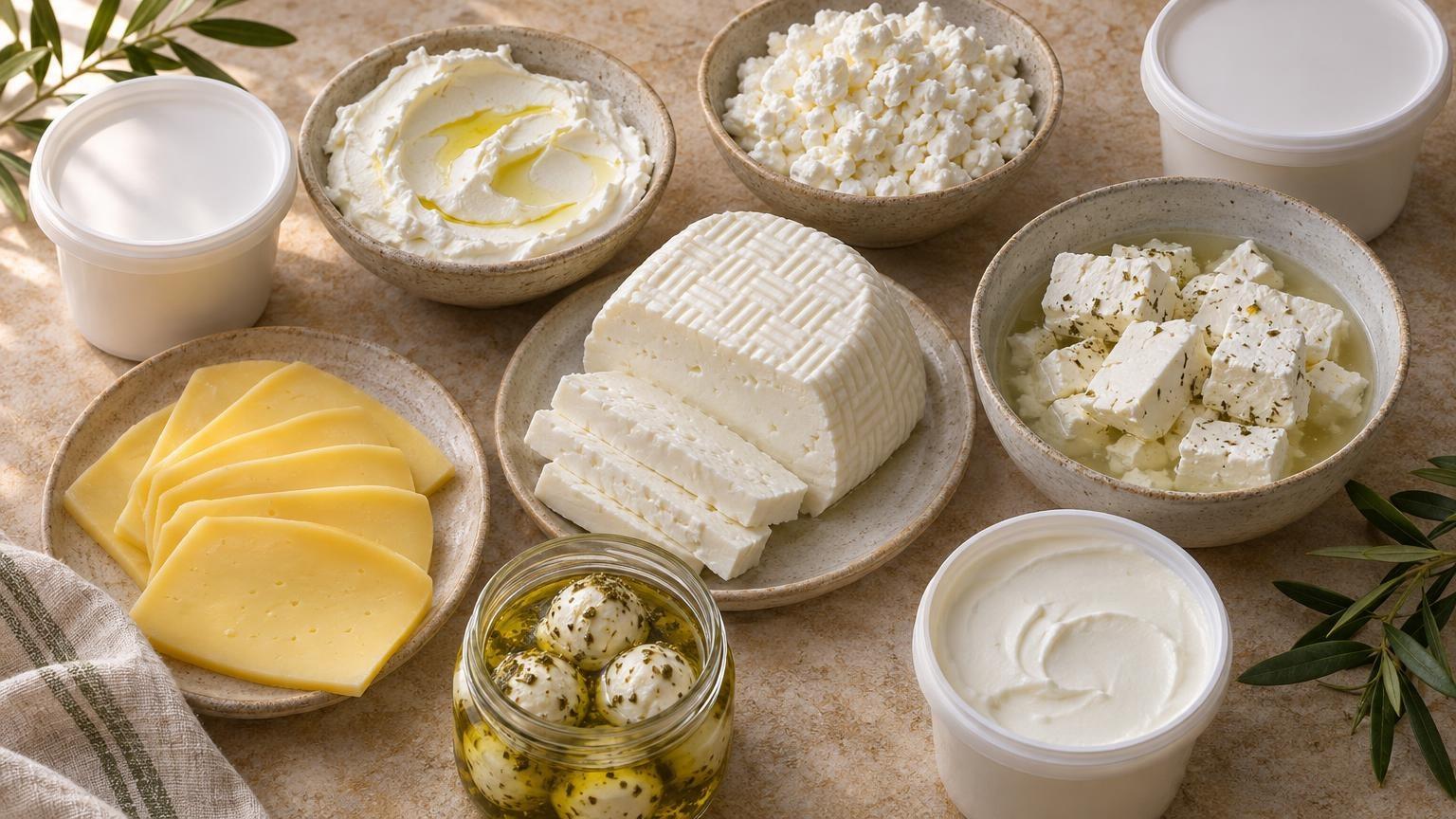
Israeli cheeses on a counter: white cheese, cottage cheese, Tzfatit, Bulgarit, yellow cheese and labneh balls in oil

Mix-Ups to Avoid

  1. Do not translate every white, salty cheese as feta. Read the exact variety, milk source, and origin.
  2. Do not confuse לאבנה with גבינה לבנה. Labneh is concentrated fermented milk, while gvina levana is fresh white cheese.
  3. Read the whole cream cheese label. גבינת שמנת means cream cheese, while גבינה במרקם שמנת means a separate creamy-textured spread.
In This Guide14 entries

Fresh And Soft

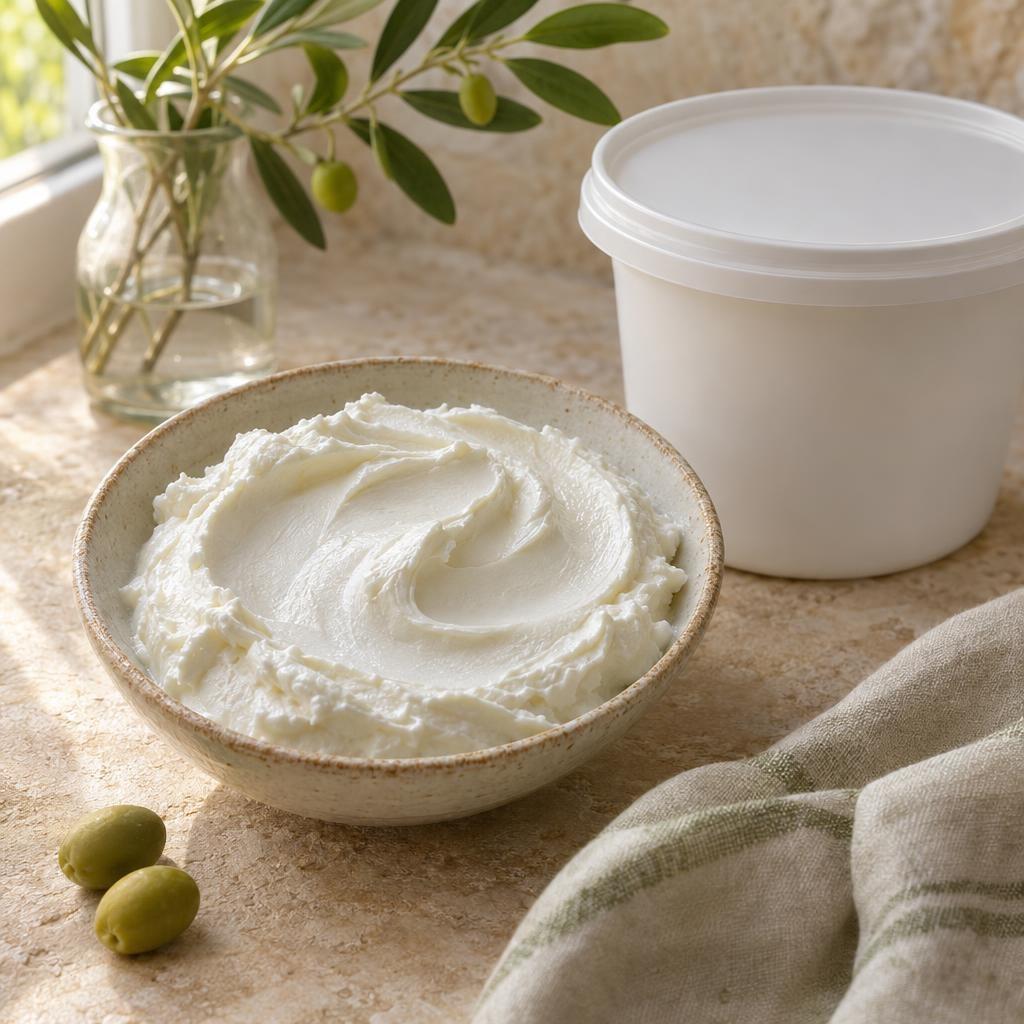
A bowl of smooth Israeli white cheese, gvina levana, beside a plain tub

On the label or sign

גבינה לבנה
white cheese

גבינה לבנהIsraeli white cheese

gvina levana

US English

Israeli white cheese; closest substitute is quark

UK English

Quark, fromage frais, or fromage blanc

What it is

Gvina levana is a fresh, unripened, smooth, spreadable cow's milk cheese.

The difference

Gvina levana is normally smooth and salted. Quark or fromage blanc is only an approximation, and ricotta and farmer cheese have a different structure.

Common mistake

Do not buy cream cheese, sour cream, Greek yogurt, ricotta, or cottage cheese just because the product is white and spoonable.
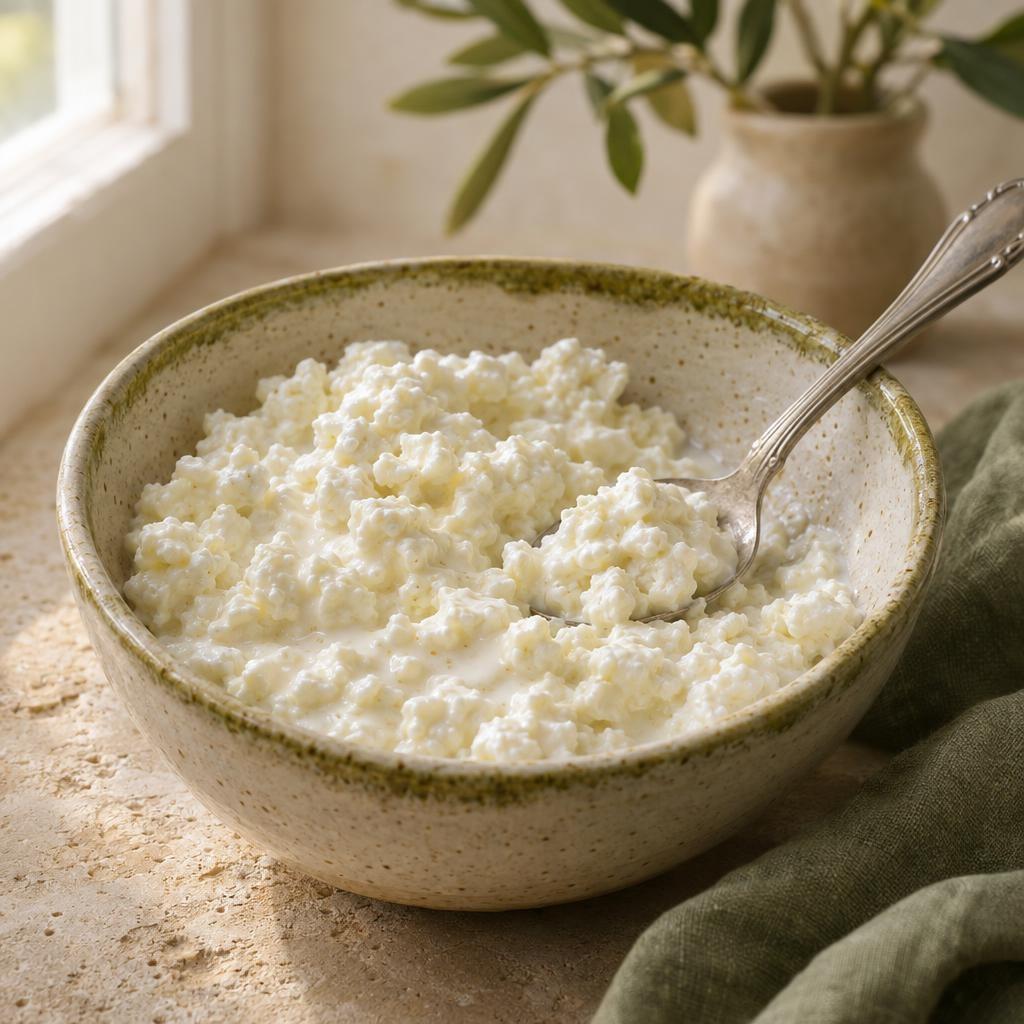
A bowl of Israeli cottage cheese, kotej, with a spoon

On the label or sign

קוטג׳
cottage cheese

קוטג׳Cottage cheese

kotej

US English

Cottage cheese

UK English

Cottage cheese

What it is

Kotej is cottage cheese: moist fresh curds in a creamy dressing.

The difference

The English and Hebrew names are a true match. Israeli 5% cottage is close to full-fat US cottage cheese.

Common mistake

Choose the brand and fat percentage on the tub instead of assuming Israeli cottage is a different cheese.

Salty White Cheeses

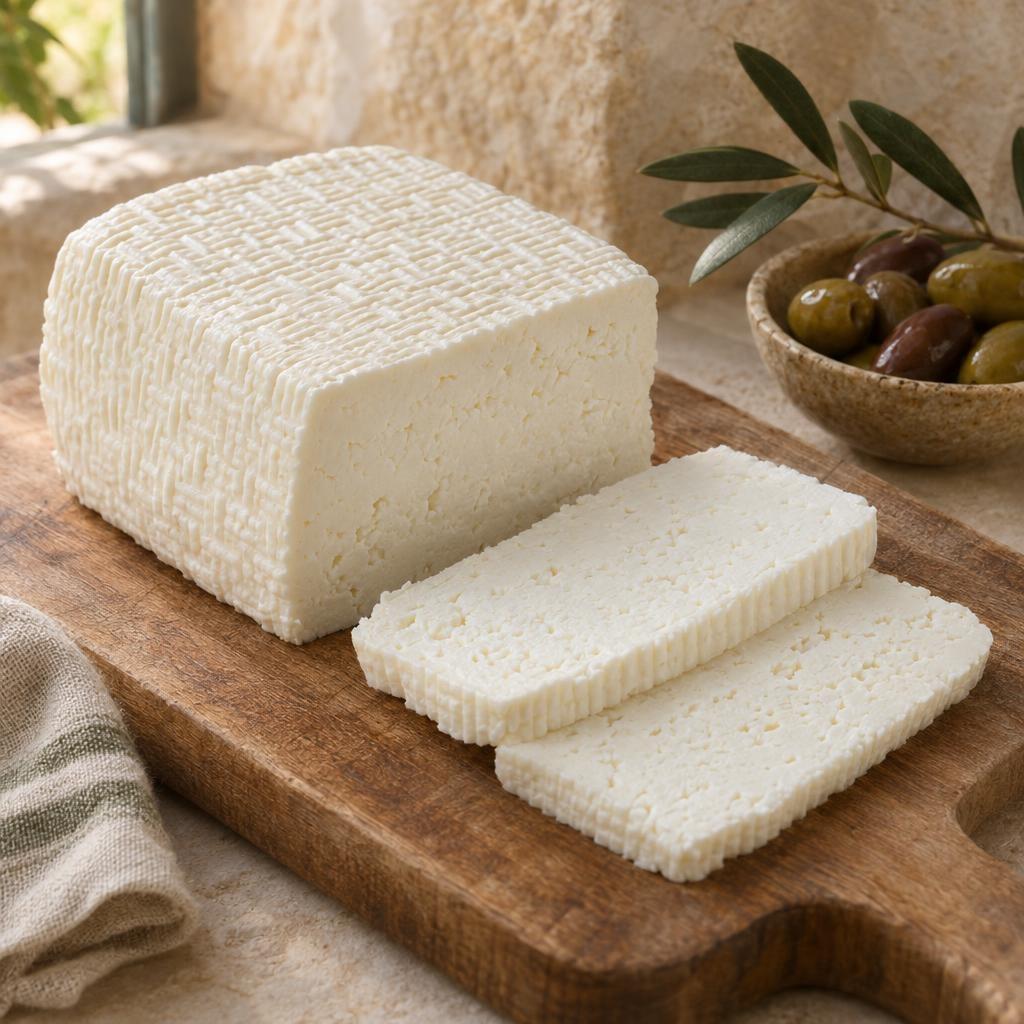
A block of white Tzfat cheese, tsfatit, with two slices cut

On the label or sign

צפתית רכה
soft Tzfatit
צפתית מעודנת
mild Tzfatit

צפתית רכה / צפתית מעודנתSoft Tzfatit

tsfatit raka / tsfatit meudenet

US English

No exact US name

UK English

No exact UK name

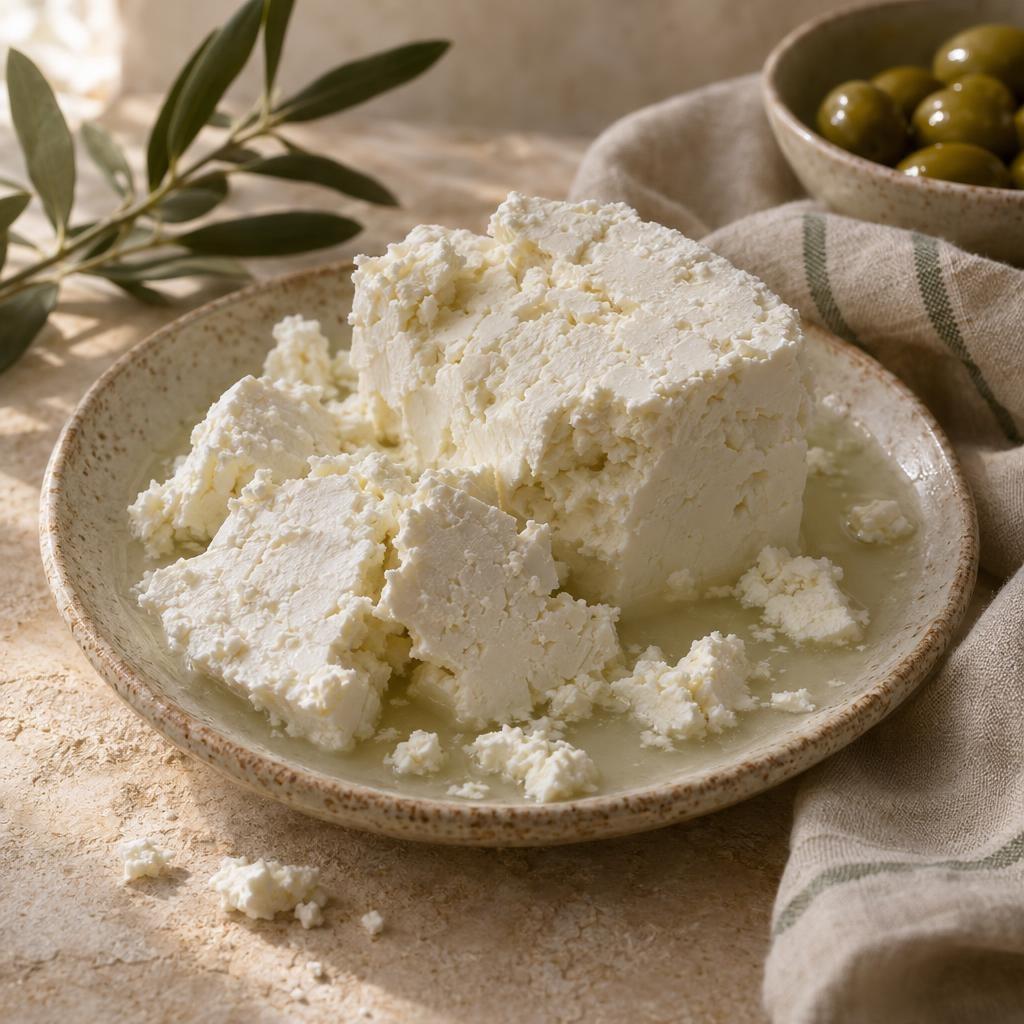
What it is

Soft supermarket Tzfatit is a mild, smooth, sliceable Israeli white cheese. Current versions can be made from cow's milk.

The difference

Soft Tzfatit is not automatically the older sheep's milk cheese made in Safed. Soft Tzfatit is also not feta.

Common mistake

Read the modifier and milk source instead of expecting hard, salty traditional Safed cheese.

On the label or sign

צפתית קשה
hard Tzfatit

צפתית קשהHard Tzfatit

tsfatit kasha

US English

Hard Tzfat cheese; no exact US equivalent

UK English

Hard Tzfat cheese; no exact UK equivalent

What it is

Hard Tzfatit is a firmer, saltier form used for grating, cooking, baking, and salads.

The difference

Traditional Safed cheese can use sheep's milk, while a current hard supermarket version uses cow's milk. Milk source and texture can therefore vary.

Common mistake

Do not buy soft 5% Tzfatit when a recipe needs a firm, salty cheese for grating.

On the label or sign

צפתית
Tzfatit
בולגרית
Bulgarian-style cheese
פטה
feta

גבינה מלוחהSalty white cheese

gvina melukha

US English

Brined or salty white cheese

UK English

Brined white cheese or salad cheese

What it is

Gvina melukha is an umbrella category for salty cheeses. Tzfatit and Bulgarit are examples.

The difference

Gvina melukha names a family, not one recipe. Feta, Tzfatit, Bulgarit, and other salty white cheeses are not interchangeable.

Common mistake

Ask for the exact variety instead of asking only for salty cheese and expecting feta.

Crumbly brined Bulgarian-style cheese, bulgarit, in a dish

On the label or sign

בולגרית
Bulgarian-style cheese
מסורתית
traditional style

בולגרית מסורתיתTraditional Bulgarit

bulgarit masortit

US English

Bulgarian-style white brined cheese

UK English

Bulgarian-style white brined cheese

What it is

Traditional Bulgarit is a salty brined cheese with a rougher, more crumbly texture. Current Israeli versions can use cow's milk.

The difference

Bulgarit is not guaranteed to be Greek Feta PDO. Feta is Greek and uses specified sheep's and goat's milk.

Common mistake

Read the milk source and origin instead of assuming Bulgarit guarantees sheep's milk, Bulgarian origin, or Greek feta.

On the label or sign

בולגרית מעודנת
mild, smooth Bulgarian-style cheese

בולגרית מעודנתMild Bulgarit

bulgarit meudenet

US English

Mild, smooth Bulgarian-style brined cheese

UK English

Mild, smooth Bulgarian-style salad cheese

What it is

Mild Bulgarit is a smoother, sliceable style of Israeli brined cheese.

The difference

The word מעודנת describes style and texture. The word does not promise lower salt or lower fat, and the cheese is not automatically feta.

Common mistake

Check the fat percentage and milk source instead of reading מעודנת as a diet label.

On the label or sign

פטה
feta
כבשים
sheep
עיזים
goats

פֶטָהFeta

feta

US English

Feta

UK English

Feta

What it is

Feta PDO is a protected Greek cheese made from milk of native ewes and goats. Feta PDO ripens in brine for at least two months.

The difference

Feta is not the English translation of every Bulgarit. Israeli dairy catalogues list sheep's milk and goat's milk feta separately from cow's milk Bulgarit.

Common mistake

Look for the exact word פטה, the animal, the origin, and any PDO mark instead of treating every salad cheese as feta.

Yellow Cheeses

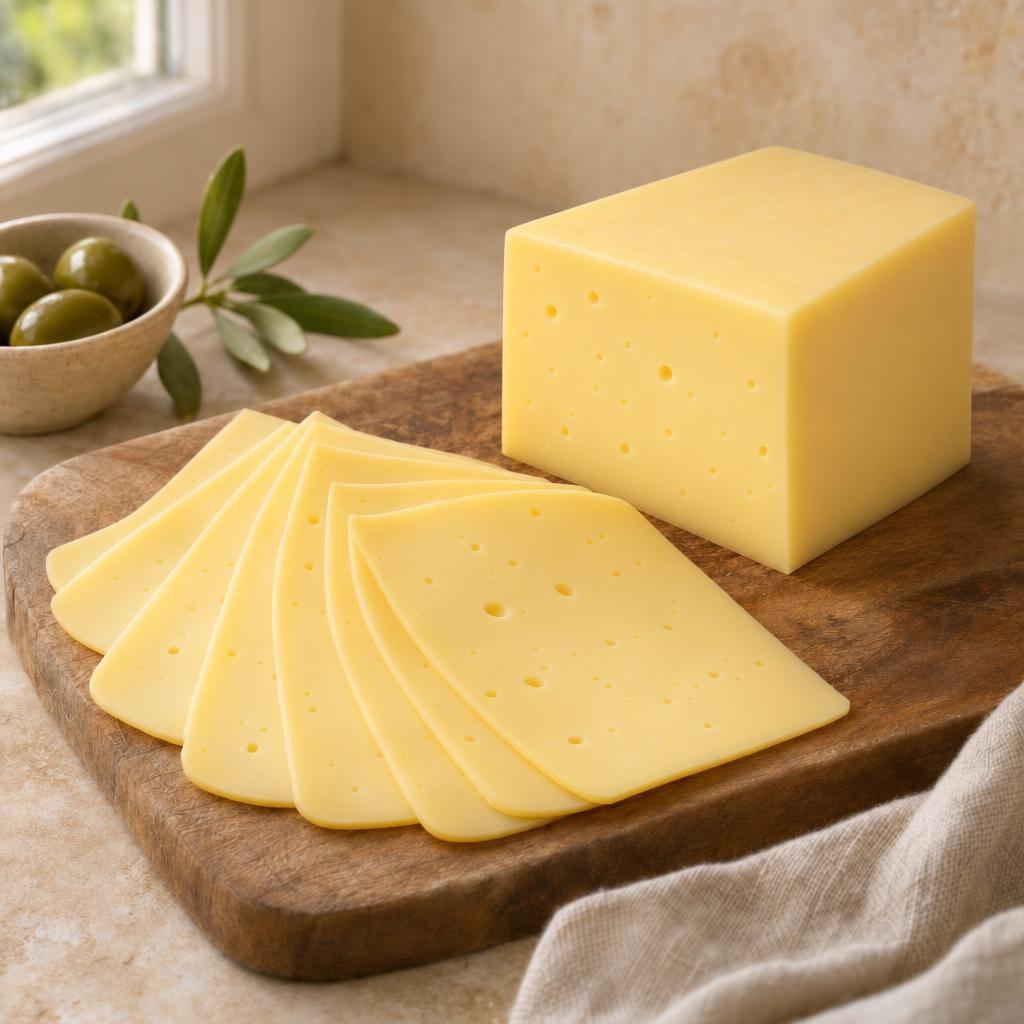
Slices of pale yellow semi-hard Israeli cheese, gvina tsehuba, beside a block

On the label or sign

גבינה חצי קשה
semi-hard cheese
פרוסות
slices
מגורדת
grated

גבינה צהובהYellow cheese

gvina tsehuba

US English

Yellow sliced or semi-hard cheese

UK English

Yellow sliced or semi-hard cheese

What it is

Gvina tsehuba is an everyday Israeli umbrella category based on color. The category includes named semi-hard cheeses.

The difference

Gvina tsehuba is not one cheese variety. Yellow color does not automatically mean American cheese or cheddar.

Common mistake

Ask for the named cheese and fat level instead of asking only for yellow cheese.

On the label or sign

עמק 28%
Emek 28%
גלבוע 22%
Gilboa 22%
נעם 28%
Noam 28%

עמק 28% / גלבוע 22% / נעם 28%Israeli sandwich cheeses

Emek / Gilboa / Noam

US English

Brand-specific Israeli semi-hard sliced cheeses

UK English

Mild semi-hard sandwich or toast cheeses

What it is

Emek, Gilboa, and Noam are named products in the yellow cheese family. Emek 28%, Gilboa 22%, and Noam 28% are sold as semi-hard cheeses.

The difference

Emek, Gilboa, and Noam are not Hebrew words for cheddar. The three products do not have the same fat level.

Common mistake

Choose the named cheese and fat level instead of assuming every Israeli toast cheese is cheddar or that all three products are identical.

Labneh And Spreads

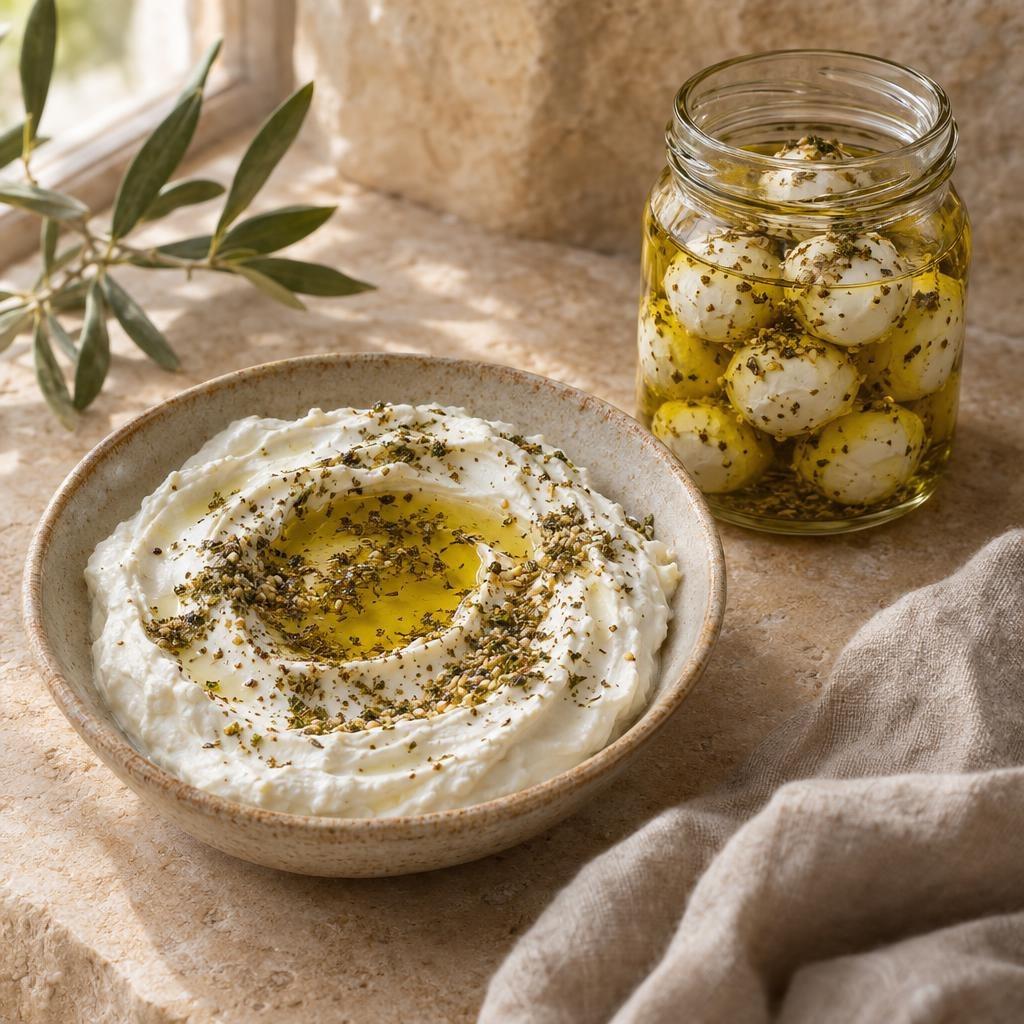
Labneh with olive oil and za'atar, and a jar of labneh balls in oil

On the label or sign

לאבנה
labneh

לַבְּנֶה / לאבנהLabneh

labneh

US English

Labneh; strained yogurt or yogurt cheese

UK English

Labneh; strained yogurt

What it is

Labneh is concentrated fermented milk made by removing part of yogurt's water and whey.

The difference

Labneh is normally tangier and saltier than plain Greek yogurt. Greek yogurt is only an approximation.

Common mistake

Do not confuse לאבנה with גבינה לבנה or assume every Greek-style yogurt has the same salt and concentration.

On the label or sign

כדורי לאבנה
labneh balls

כדורי לאבנה בשמןLabneh balls in oil

kadurei labneh beshemen

US English

Labneh balls in oil

UK English

Labneh balls in oil

What it is

Labneh balls are a drier, shapeable form of labneh stored or sold in oil. Products can use cow's milk or buffalo milk.

The difference

Labneh balls are not fresh mozzarella. Milk source, fat, and whether the weight includes oil can vary.

Common mistake

Read the milk source and oil details instead of mistaking the white balls for mozzarella or bocconcini.

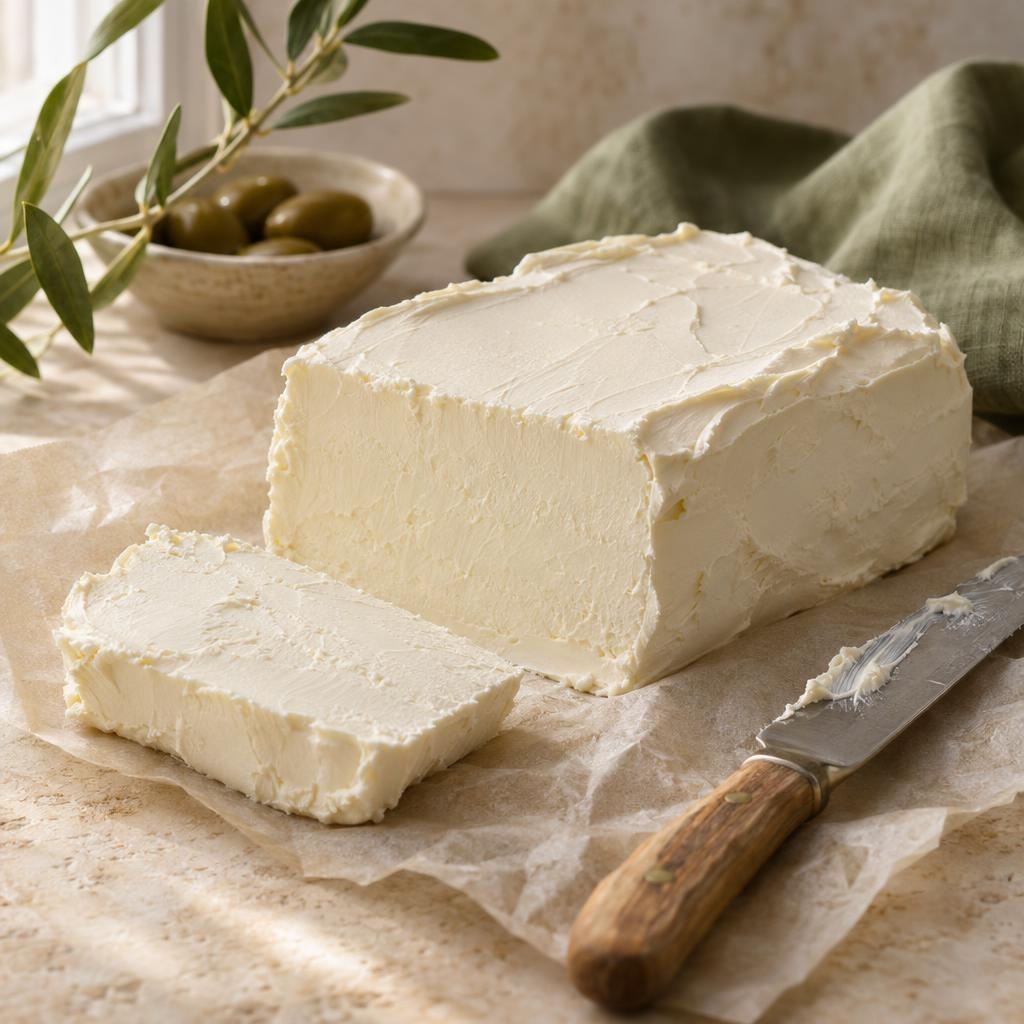
A dense block of cream cheese, gvinat shamenet, on parchment

On the label or sign

גבינת שמנת
cream cheese
בטעם טבעי
natural or plain flavor

גבינת שמנתCream cheese

gvinat shamenet

US English

Cream cheese, with a composition warning

UK English

Cream cheese or full-fat soft cheese

What it is

Gvinat shamenet is the ordinary Hebrew term for cream cheese.

The difference

Israeli cream cheese is not always compositionally identical to US cream cheese. The US standard requires at least 33% milkfat and no more than 55% moisture.

Common mistake

For baking, read the exact label, fat level, and recipe needs instead of buying gvina levana or a creamy-textured spread.

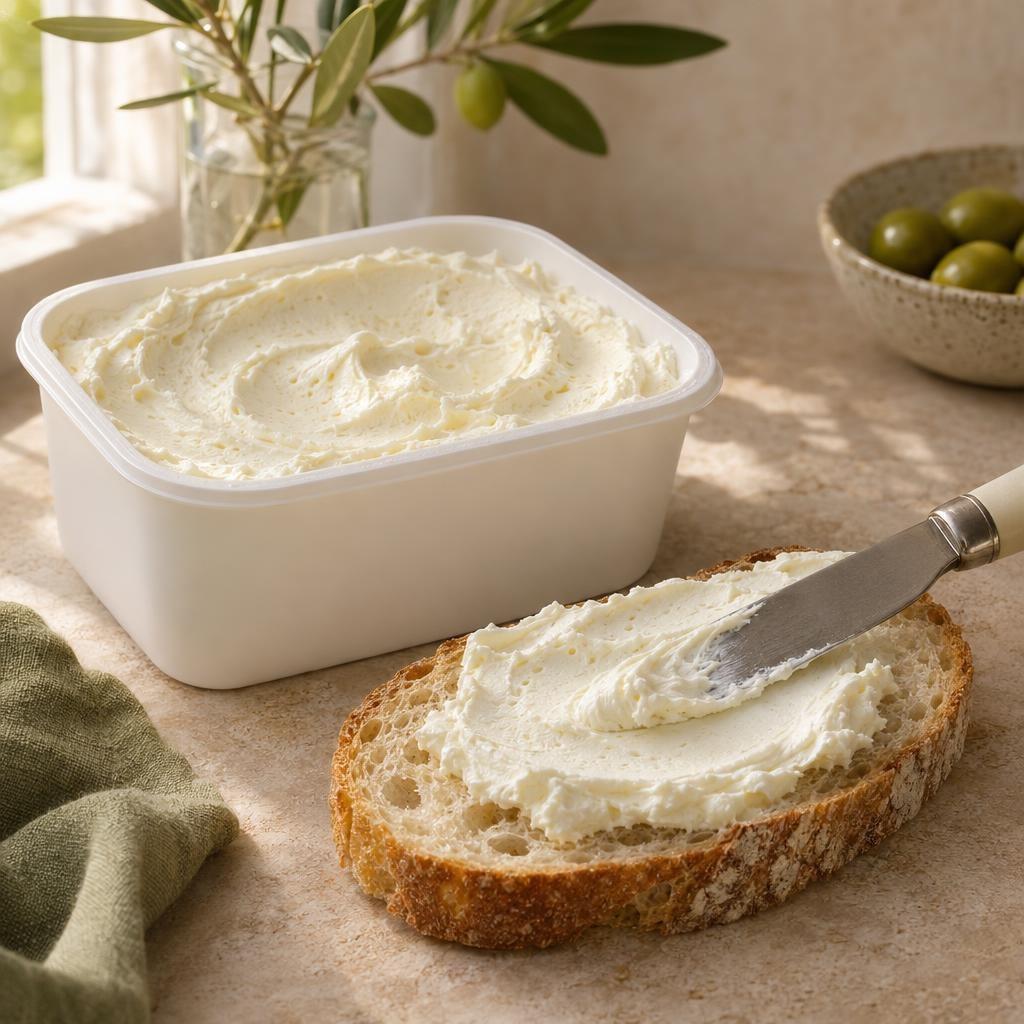
A tub of light cheese spread, gvina be-mirkam shamenet, on bread

On the label or sign

גבינה במרקם שמנת
cheese with a cream-like texture

גבינה במרקם שמנתCreamy-textured spread

gvina bemirkam shamenet

US English

Creamy-textured cheese spread

UK English

Reduced-fat soft cheese or cheese spread

What it is

Gvina bemirkam shamenet means cheese with a cream-like texture. Israeli government analysis treats the label as a separate category from cream cheese.

The difference

Products in the government sample were largely 5% fat. A lower-fat, stabilized spread can give a looser filling or a different set than cream cheese.

Common mistake

Read the decisive words במרקם שמנת instead of stopping when the label contains the word שמנת.

Your Recipe Says This. Look for This Hebrew Label.

Your recipe says this. Look for this Hebrew label.
Recipe saysLook for in IsraelKeep in mind
Quark or fromage blancגבינה לבנהgvina levanaClosest cooking approximation; Israeli white cheese is already smooth and salted.
Cottage cheeseקוטג׳kotejA true name match; choose the fat percentage on the tub.
Mild sliceable white cheeseצפתית רכה / צפתית מעודנתtsfatit raka / tsfatit meudenetRead the milk source and modifier.
Firm salty grating cheeseצפתית קשהtsfatit kashaChoose the hard form, not soft 5% Tzfatit.
Crumbly Bulgarian-style cheeseבולגרית מסורתיתbulgarit masortitRead the milk source; Bulgarit is not automatically feta.
Smooth Bulgarian-style cheeseבולגרית מעודנתbulgarit meudenetמעודנת describes the smoother, sliceable style.
FetaפטהfetaCheck the animal, origin, and any PDO mark.
Mild sandwich or toast cheeseגבינה צהובהgvina tsehubaChoose a named semi-hard cheese and fat level.
LabnehלאבנהlabnehDo not confuse labneh with gvina levana.
Cream cheeseגבינת שמנתgvinat shamenetCheck fat and moisture needs for baking.
Reduced-fat creamy spreadגבינה במרקם שמנתgvina bemirkam shamenetA separate category from cream cheese.

Knowing the word is half of it. Say it out loud.

A Hebrew speaking app with Maya and David, AI tutors who hold conversations, explain corrections and help you practise what you need to say. Private beta on iPhone and Android. Public store launch is still ahead. Free Classic lessons to start, no card needed.

Explore baba Learn

How we checked this guide

By the baba team. Checked on against 38 sources, mostly Israeli retailers, manufacturers and government pages, and updated . Products, labels and rules change, so check the pack or the office before you rely on a detail. Our methodology.

Frequently Asked Questions

Is Bulgarit the same as feta?

No. Israeli Bulgarit can be a cow's milk brined cheese, while Feta PDO is Greek and uses specified sheep's and goat's milk.

Is gvina levana cream cheese?

No. Gvina levana is fresh Israeli white cheese that is smooth and salted. The Hebrew term for cream cheese is גבינת שמנת.

What is gvina tsehuba in English?

Gvina tsehuba means yellow cheese. The phrase is an umbrella category for named semi-hard cheeses, not a translation of American cheese or cheddar.

Is labneh the same as gvina levana?

No. Labneh is concentrated fermented milk made by removing some of yogurt's water and whey. Gvina levana is a fresh white cheese.

Does gvinat shamenet mean cream cheese?

Yes. גבינת שמנת is the ordinary Hebrew term for cream cheese. גבינה במרקם שמנת names a separate creamy-textured spread category.

More Hebrew-English Guides

All guides