baba
Free, no AIHebrew-English guide 20 of 100

Israeli Oils and Fats, in Plain English

Butter, margarine and Israeli oil labels in plain English.

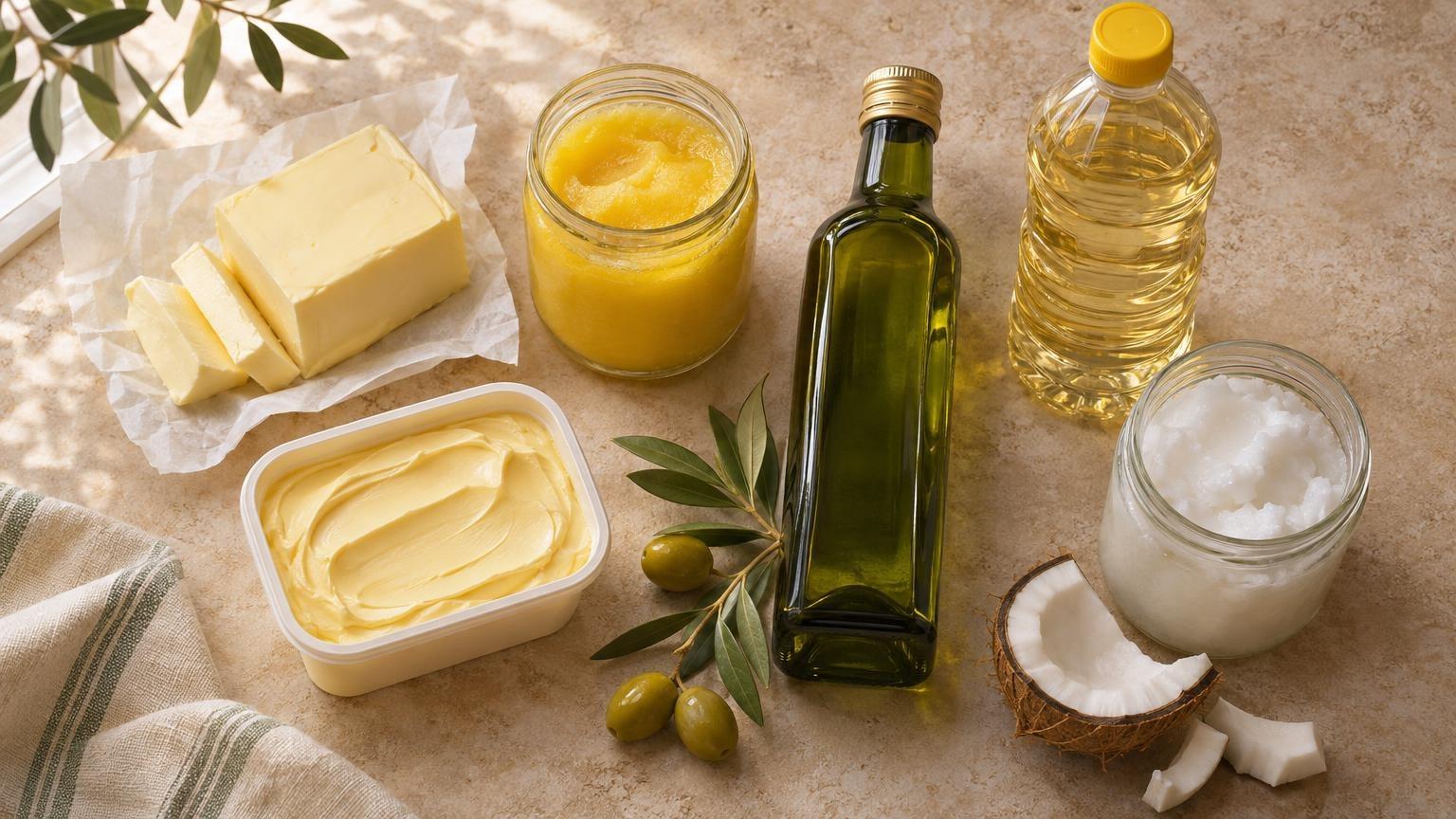
Israeli cooking fats: butter, ghee, margarine, olive oil, vegetable oil and coconut oil

Mix-Ups to Avoid

  1. Do not treat every yellow baking block as butter. Read the legal name, רכיבים, and the חלבי or פרווה status on the package.
  2. שמן צמחי means vegetable oil, not canola by default. Read every word and parenthesis after the term to find any named plant source.
  3. Cold pressed, first harvest, unfiltered, a cultivar name, and 0.8% acidity do not establish extra virgin grade. Look for כתית מעולה.
In This Guide25 entries

Butter, Spreads and Solid Fats

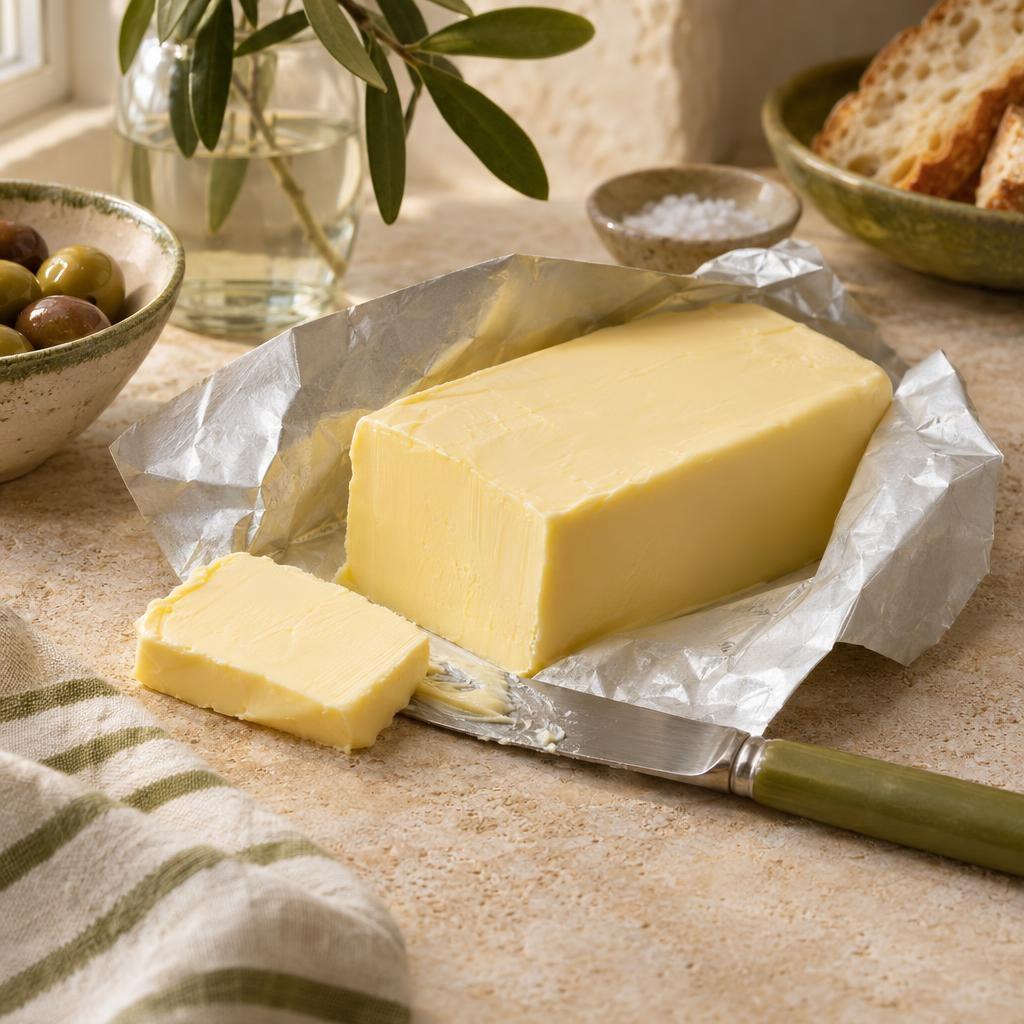
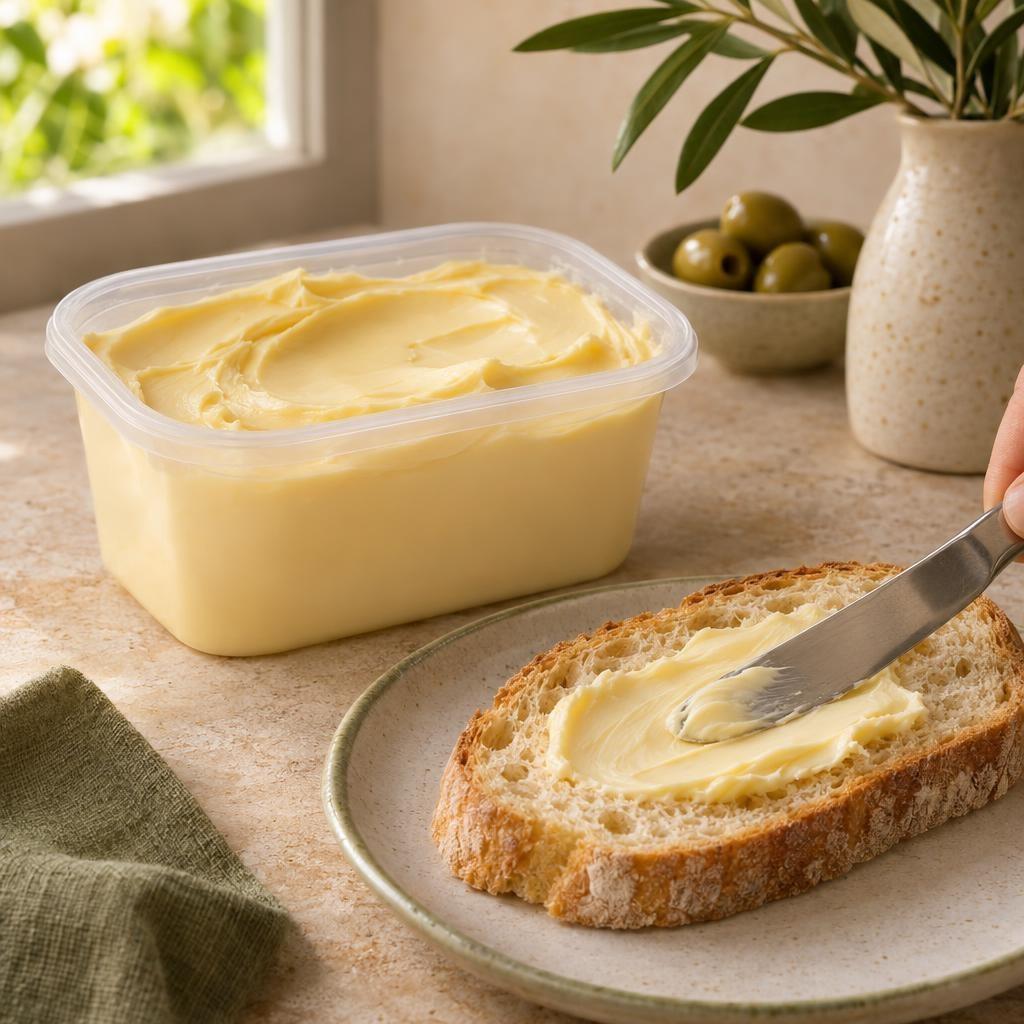
A block of butter, chem'a

On the label or sign

חמאה
butter
חמאה מלוחה
salted butter
ללא תוספת מלח
no added salt

חמאה / חמאה מלוחה / ללא תוספת מלחButter

chemah / chemah meluchah / lelo tosefet melach

US English

butter, salted or unsalted

UK English

butter, salted or unsalted

What it is

חמאה is dairy butter. חמאה מלוחה has added salt, while ללא תוספת מלח means no added salt.

The difference

ללא תוספת מלח does not mean sodium-free or reduced-fat. A current ordinary butter example lists pasteurized cream and 81 g fat per 100 g.

Common mistake

Do not identify butter from a yellow block or a trans-fat number; check רכיבים for cream or milk and look for חלבי.
On the label or sign

חצי שמנה
half-fat

חמאה חצי שמנהHalf-fat butter

chemah chatzi shemenah

US English

reduced-fat or half-fat butter

UK English

half-fat butter

What it is

חמאה חצי שמנה is a dairy emulsion with more water than ordinary butter. The cited example has 60 g fat per 100 g, compared with 81 g in the cited ordinary butter.

The difference

Half-fat butter has a different water-to-fat ratio from ordinary butter.

Common mistake

Do not substitute half-fat butter one-for-one when baking depends on ordinary butter's water-to-fat ratio.

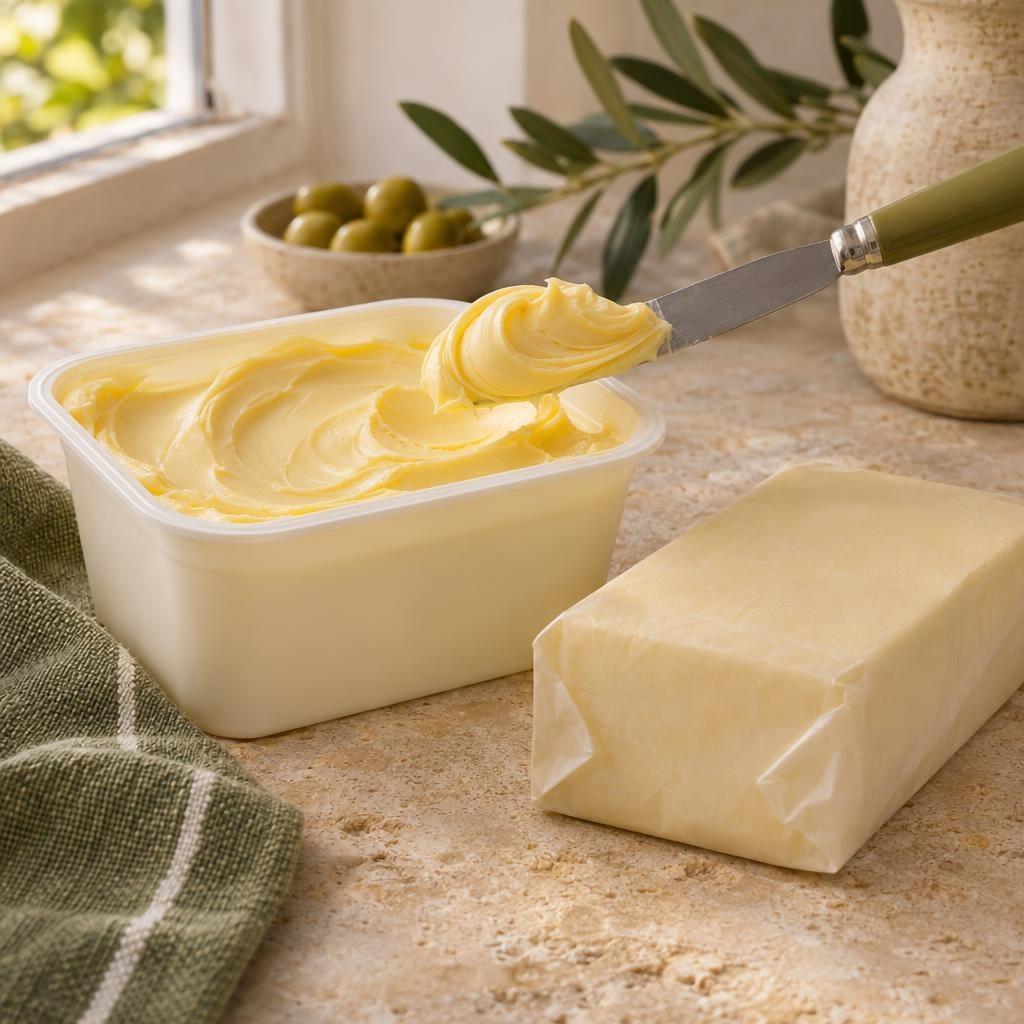
A tub of butter spread, mimrach chem'a

On the label or sign

ממרח חמאה
butter spread
שמן קנולה
canola oil
חלבי
dairy

ממרח חמאהSpreadable butter blend

mimrach chemah

US English

spreadable butter blend

UK English

spreadable butter blend

What it is

ממרח חמאה is usually butter blended with vegetable oil and water. Current cited examples contain either 64% or 40% butter with canola oil and remain dairy.

The difference

A butter spread is not a block of pure butter and is not automatically pareve.

Common mistake

Do not assume a tub carrying a butter name is 100% butter; read the legal name and ingredients.

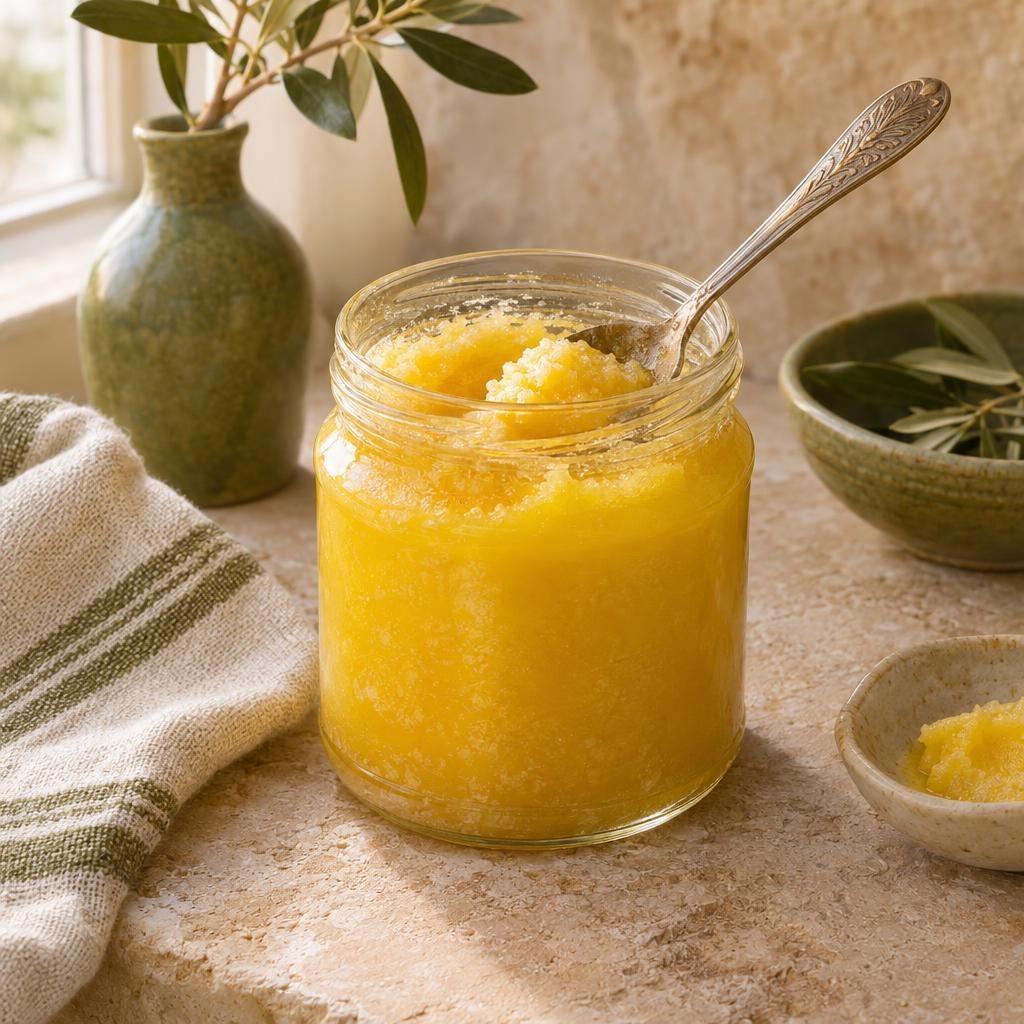
A jar of ghee, gahi

On the label or sign

שומן חלב נטול מים
anhydrous milk fat
חלבי
dairy

גהי / חמאה מזוקקתGhee or clarified butter

ghee / chemah mezukeket

US English

ghee or clarified butter

UK English

ghee or clarified butter

What it is

גהי is concentrated milk fat with water and most milk solids removed. The cited example lists anhydrous milk fat from cream and 99.8 g fat per 100 g.

The difference

Ghee remains dairy for allergen and kashrut purposes even though ghee is almost pure fat.

Common mistake

Do not treat ghee as vegetable shortening or as non-dairy; look for חלבי.

Margarine, margarina, in a tub

On the label or sign

מרגרינה
margarine
בטעם חמאה
butter flavored
חלבי / פרווה
dairy / pareve

מרגרינה / מחמאה / מרגרינה בטעם חמאהMargarine

margarina / machma'ah / margarina beta'am chemah

US English

margarine or butter-flavored margarine

UK English

margarine or butter-flavoured margarine

What it is

מרגרינה is a vegetable fat or oil and water emulsion used as a spread or baking fat. מחמאה and מרגרינה בטעם חמאה are butter-flavored forms.

The difference

Butter flavor describes flavor, not dairy content. The oils, hydrogenation status, and dairy or pareve status vary by product.

Common mistake

Do not translate מחמאה as butter or assume every margarine has the same oil blend.

On the label or sign

עשיר בשמן קוקוס
rich in coconut oil
טבעוני
vegan
רכיבים
ingredients

תחליף מרגרינה עשיר בשמן קוקוס / ממרח טבעוני בטעם חמאהPlant butter-style spreads

tachlif margarina ashir beshemen kokos / mimrach tiv'oni beta'am chemah

US English

plant-based butter-style spread

UK English

plant-based butter-style spread

What it is

A coconut-rich margarine alternative is still a mixture, not pure coconut oil. The cited example contains 32% refined coconut oil. A vegan butter-style spread can contain several plant fats plus nut ingredients.

The difference

The words coconut-rich and vegan do not identify the complete fat blend or establish the same function as butter or margarine.

Common mistake

Read רכיבים, percentages, allergens, and חלבי or פרווה instead of judging the formula from the front claim.

Olive Oil Grades and Claims

On the label or sign

כתית מעולה
extra virgin
חמיצות מרבית 0.8%
maximum acidity 0.8%

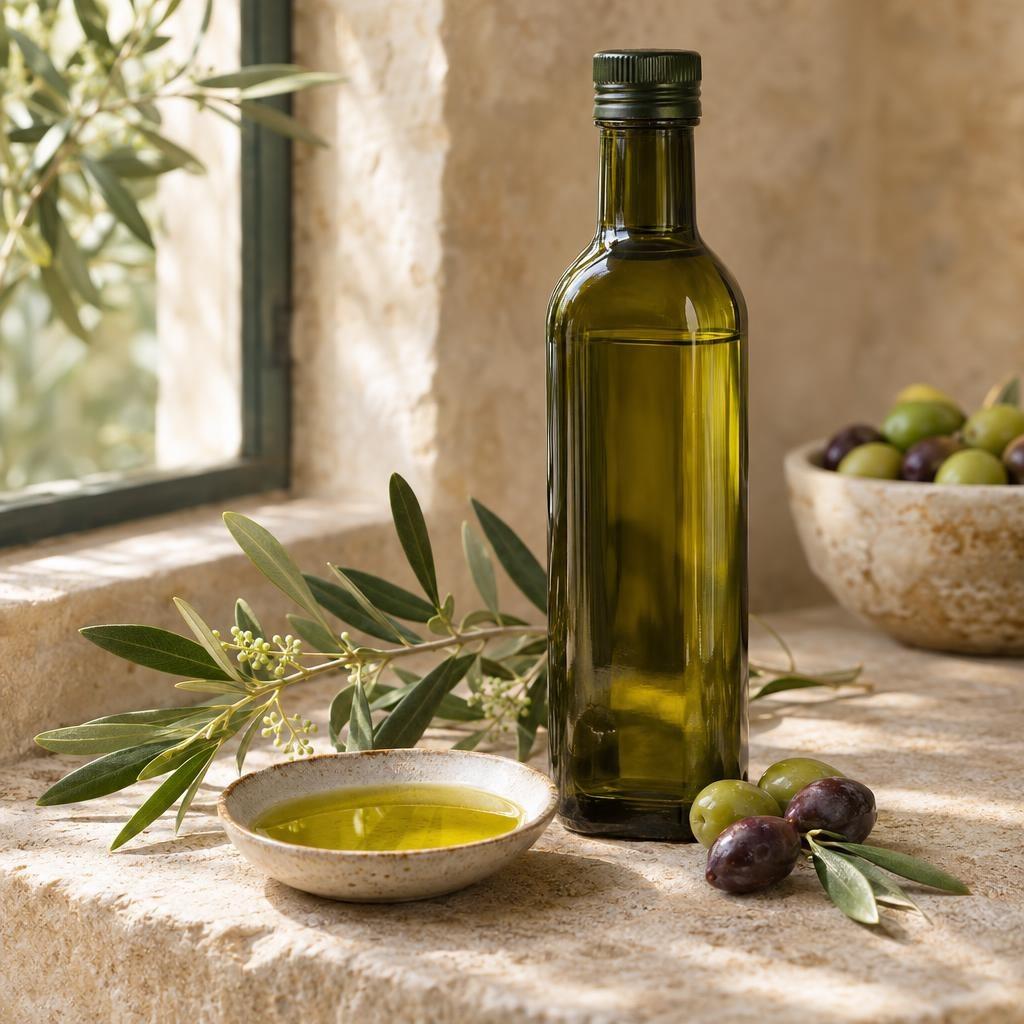
שמן זית כתית מעולהExtra-virgin olive oil

shemen zayit katit me'uleh

US English

extra-virgin olive oil

UK English

extra-virgin olive oil

What it is

שמן זית כתית מעולה is virgin olive oil obtained only by mechanical or physical means and fit to consume as is. Free acidity must be no more than 0.8 g per 100 g, with required sensory and other chemical characteristics.

The difference

A 0.8% acidity statement is a ceiling, not a complete quality score and not enough by itself to prove extra-virgin grade.

Common mistake

Look for the complete grade כתית מעולה instead of relying on acidity, green color, or a cold-pressed claim.

Extra virgin olive oil, shemen zayit katit

On the label or sign

כתית
virgin
כתית מעולה
extra virgin

שמן זית כתיתVirgin olive oil

shemen zayit katit

US English

virgin olive oil

UK English

virgin olive oil

What it is

שמן זית כתית is mechanically obtained virgin olive oil that is fit to consume as is. Free acidity must be no more than 2 g per 100 g, with the applicable sensory and chemical criteria.

The difference

Virgin is a lower legal grade than extra virgin. The word מעולה is the difference on the Hebrew label.

Common mistake

Do not drop מעולה when translating an olive oil grade.

Refined olive oil, shemen zayit mezukakh

On the label or sign

מזוכך
refined
תערובת של מזוכך וכתית
blend of refined and virgin

שמן זית מזוכך / שמן זית, תערובת של מזוכך וכתיתRefined olive oil and blend

shemen zayit mezukach / ta'arovet shel mezukach vekatit

US English

refined olive oil or refined-and-virgin blend

UK English

refined olive oil or refined-and-virgin blend

What it is

שמן זית מזוכך is oil obtained by refining virgin olive oil. שמן זית, תערובת של מזוכך וכתית is a separate blend of refined olive oil and edible virgin olive oils.

The difference

מזוכך means refined, not premium purity. A refined-and-virgin blend may appear as olive oil, classic, or pure, but the blend is not extra virgin.

Common mistake

Read the legal description and ingredients instead of treating plain olive oil or pure olive oil as extra virgin.

On the label or sign

גפת
pomace
למאור
for lighting
למפנטה
lampante

שמן גפת זית / שמן זית כתית למאור / למפנטהPomace and lampante oils

shemen gefet zayit / shemen zayit katit lema'or / lampante

US English

olive-pomace oil or lampante virgin olive oil

UK English

olive-pomace oil or lampante virgin olive oil

What it is

שמן גפת זית comes from olive pomace, the solid residue after olive oil extraction. Consumer pomace oil is a blend of refined olive-pomace oil and edible virgin olive oils. Lampante is a defective virgin grade that is not fit for consumption as is.

The difference

Olive-pomace oil may not be called simply olive oil under the cited standard. למאור means for lighting and must not be confused with edible cooking oil.

Common mistake

Do not treat an olive picture or the words שמן זית as proof that a product is edible virgin olive oil.

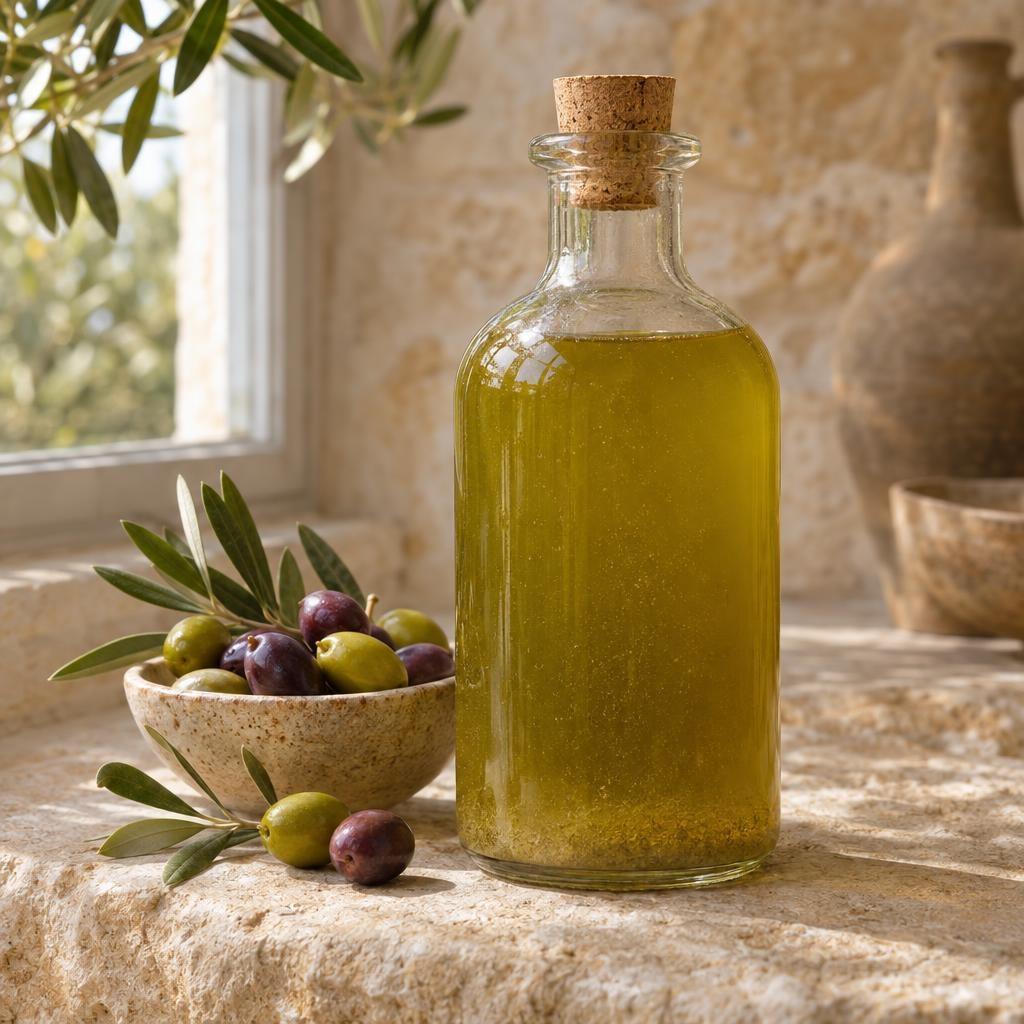
Unfiltered olive oil, shemen zayit lo mesunan

On the label or sign

לא מסונן
unfiltered
כבישה קרה
cold pressed
ראשון המסיק
first harvest

לא מסונן / כבישה קרה / ראשון המסיק / זני סורי, ברנע, פיקואל, ארבקינה וכד׳Olive oil label claims

lo mesunan / kevishah karah / rishon hamasik / zanei Suri, Barnea, Picual, Arbequina

US English

unfiltered, cold-pressed, first harvest, or cultivar claim

UK English

unfiltered, cold-pressed, first harvest, or cultivar claim

What it is

לא מסונן describes oil that retains suspended material. כבישה קרה describes a process, ראשון המסיק describes a harvest claim, and cultivar names describe the olives.

The difference

None of these claims replaces the legal olive oil grade. The Israeli olive oil quality seal shows participation in a voluntary traceability and control program, not the statutory grade itself.

Common mistake

Read the full grade, origin, producer, lot, and date information instead of treating cloudiness or a marketing claim as proof of grade or authenticity.

Named Plant Oils

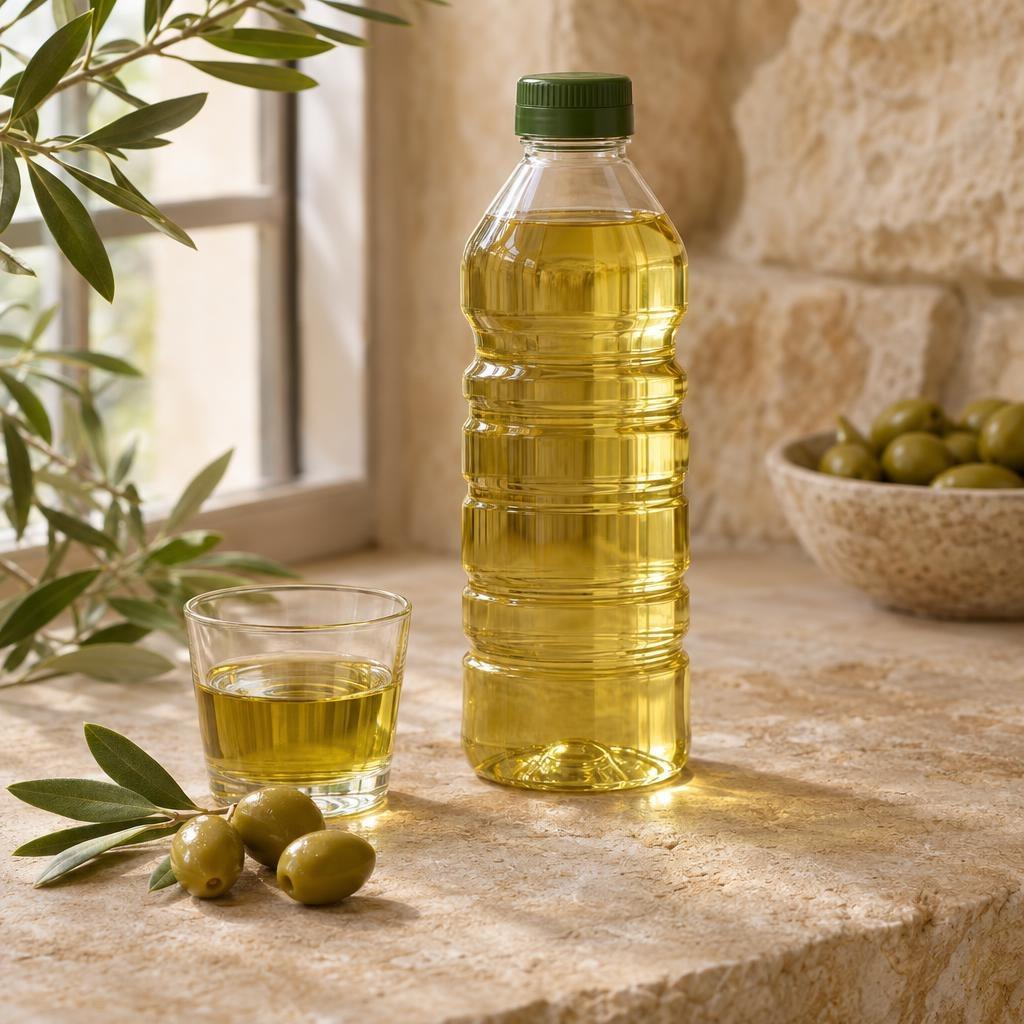
A bottle of plain vegetable oil, shemen tsimchi

On the label or sign

שמן צמחי
vegetable oil
שמנים צמחיים
vegetable oils
בשיעורים משתנים
in varying proportions

שמן צמחי / שמנים צמחייםVegetable oil or oils

shemen tsimchi / shmanim tsimchiyim

US English

vegetable oil or plant oil

UK English

vegetable oil

What it is

שמן צמחי is a category for oil of plant origin, not one crop. שמנים צמחיים usually signals a blend or several plant oils in a compound ingredient.

The difference

A current label may name soy, palm, rapeseed, sesame, or another source in parentheses, while some labels may not name the plant during the transition through 1 January 2028. Under the adopted rule, specific plant origins must follow the grouped term.

Common mistake

Do not guess the plant from the food, brand, color, or picture; read רכיבים and every parenthesis after שמן צמחי.

On the label or sign

שמן קנולה
canola oil
שמן קנולה מזוכך
refined canola oil

שמן קנולהCanola oil

shemen canola

US English

canola oil

UK English

rapeseed oil or canola oil

What it is

שמן קנולה is oil from low-erucic-acid rapeseed varieties. Israeli shelves normally use the word canola, while UK recipes often use rapeseed oil.

The difference

Canola is one named plant oil. The generic term שמן צמחי does not mean canola by default.

Common mistake

Do not treat canola and rapeseed as unrelated oils or assume every vegetable oil bottle contains canola.

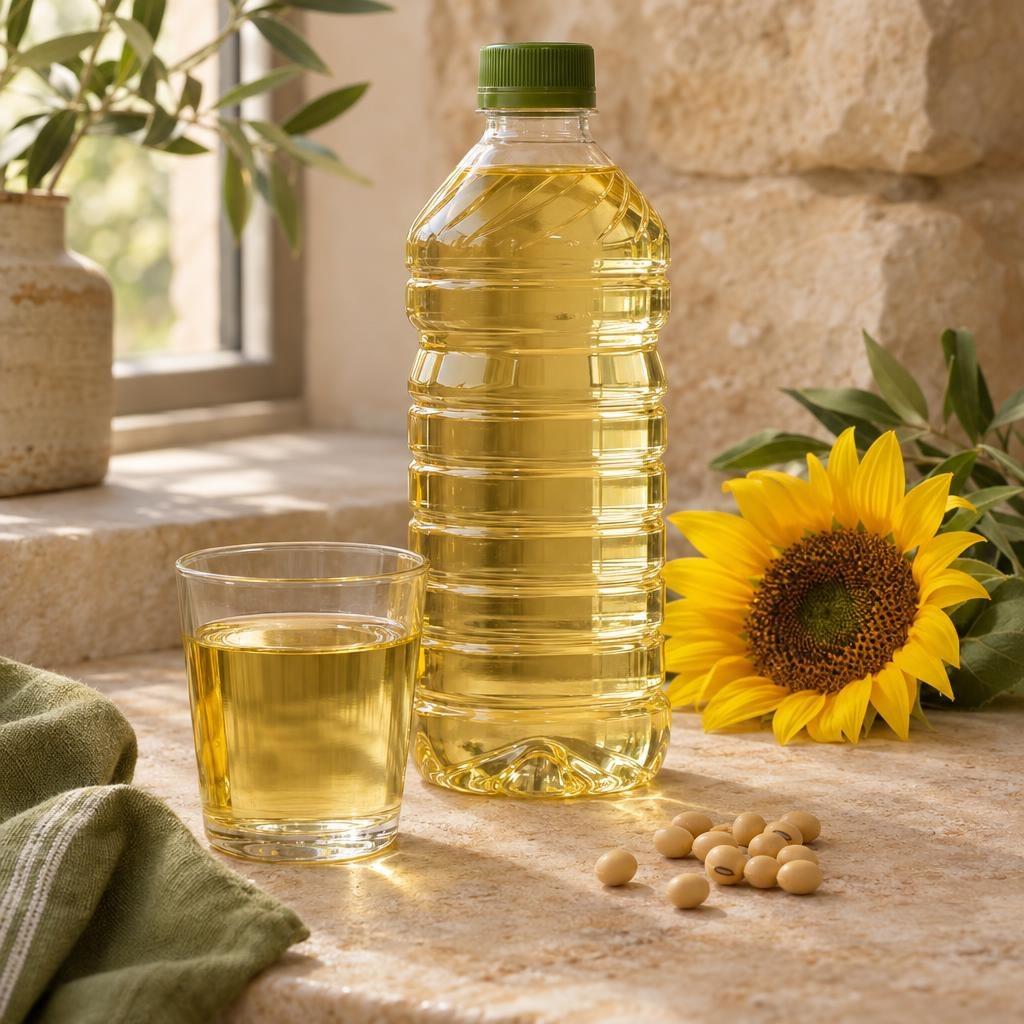
On the label or sign

שמן חמניות
sunflower oil
100% שמן חמניות מזוכך
100% refined sunflower oil

שמן חמניותSunflower oil

shemen chamaniyot

US English

sunflower oil

UK English

sunflower oil

What it is

שמן חמניות is oil from sunflower seeds. The cited Israeli products are labeled 100% refined sunflower oil.

The difference

חמניות names the plant source, while מזוכך describes refining.

Common mistake

Do not confuse the sunflower source with the separate refined process term.

On the label or sign

שמן סויה
soybean oil
שמן צמחי (סויה)
vegetable oil (soy)

שמן סויהSoybean oil

shemen soya

US English

soybean oil

UK English

soya oil

What it is

שמן סויה is oil from soybeans. Soybean oil can be sold by name or appear behind generic front wording such as vegetable oil.

The difference

A label may say שמן צמחי on the front and identify סויה in the ingredients or allergen text.

Common mistake

Do not assume vegetable oil excludes soy when soy matters.

On the label or sign

שמן תירס
corn oil
שמן תירס מזוכך
refined corn oil

שמן תירסCorn oil

shemen tiras

US English

corn oil

UK English

maize oil or corn oil

What it is

שמן תירס is oil derived from maize germ. The cited Israeli product lists 100% refined corn oil.

The difference

US recipes usually say corn oil, while UK recipes may say maize oil.

Common mistake

Do not read תירס as a flavoring or miss the equivalent UK term maize oil.

On the label or sign

שמן זרעי ענבים
grapeseed oil

שמן זרעי ענביםGrapeseed oil

shemen zar'ei anavim

US English

grapeseed oil

UK English

grapeseed oil

What it is

שמן זרעי ענבים is oil derived from grape seeds.

The difference

Grapeseed oil is a distinct seed oil, not olive oil mixed with wine or grape juice.

Common mistake

Do not translate the name as grape oil and expect sweetness or grape flavor.

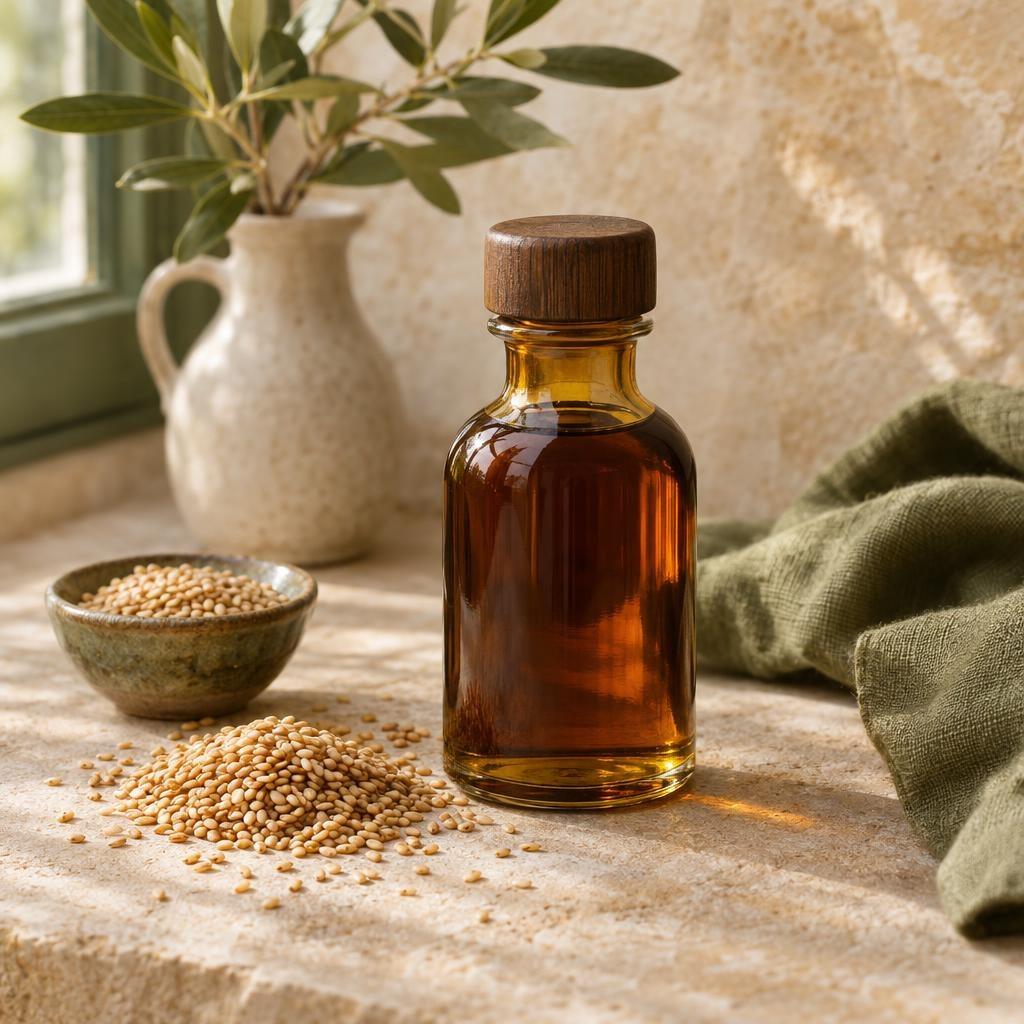
Toasted sesame oil, shemen shumshum

On the label or sign

שמן שומשום
sesame oil
קלוי
toasted

שמן שומשוםSesame oil

shemen shumshum

US English

sesame oil

UK English

sesame oil

What it is

שמן שומשום is oil from sesame seeds. Plain sesame oil and toasted or dark sesame oil are not interchangeable in flavor.

The difference

The word קלוי identifies toasted oil. Sesame is also a declared allergen.

Common mistake

Do not assume every sesame oil is a dark toasted finishing oil, and always check the allergen label.

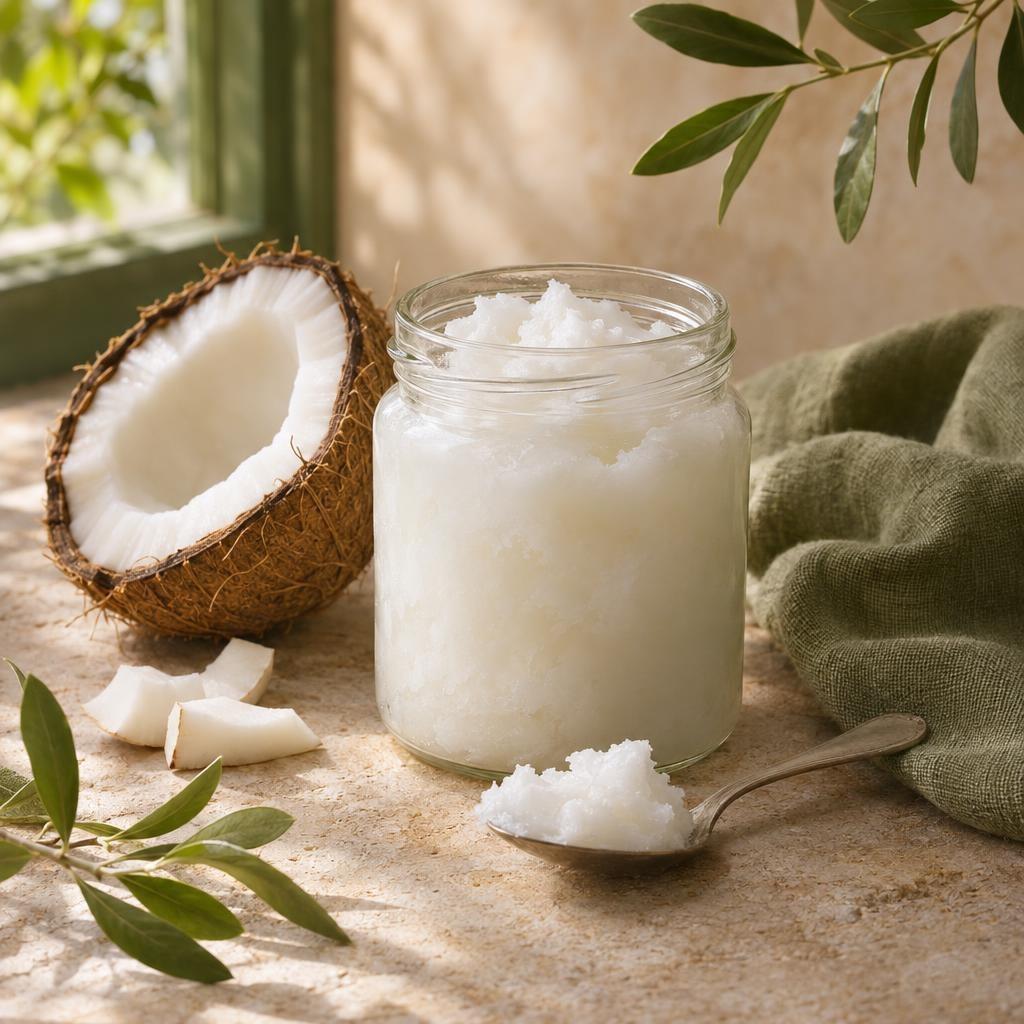
Solid coconut oil, shemen kokus

On the label or sign

שמן קוקוס
coconut oil
מזוכך / לא מזוכך
refined / unrefined

שמן קוקוסCoconut oil

shemen kokos

US English

coconut oil

UK English

coconut oil

What it is

שמן קוקוס is oil from the coconut kernel. Coconut oil may be refined or unrefined and can be solid in a cool room.

The difference

A margarine or spread containing coconut oil is not the same as a jar of 100% coconut oil.

Common mistake

Do not assume a coconut-rich spread is pure coconut oil or that all coconut oil has the same flavor.

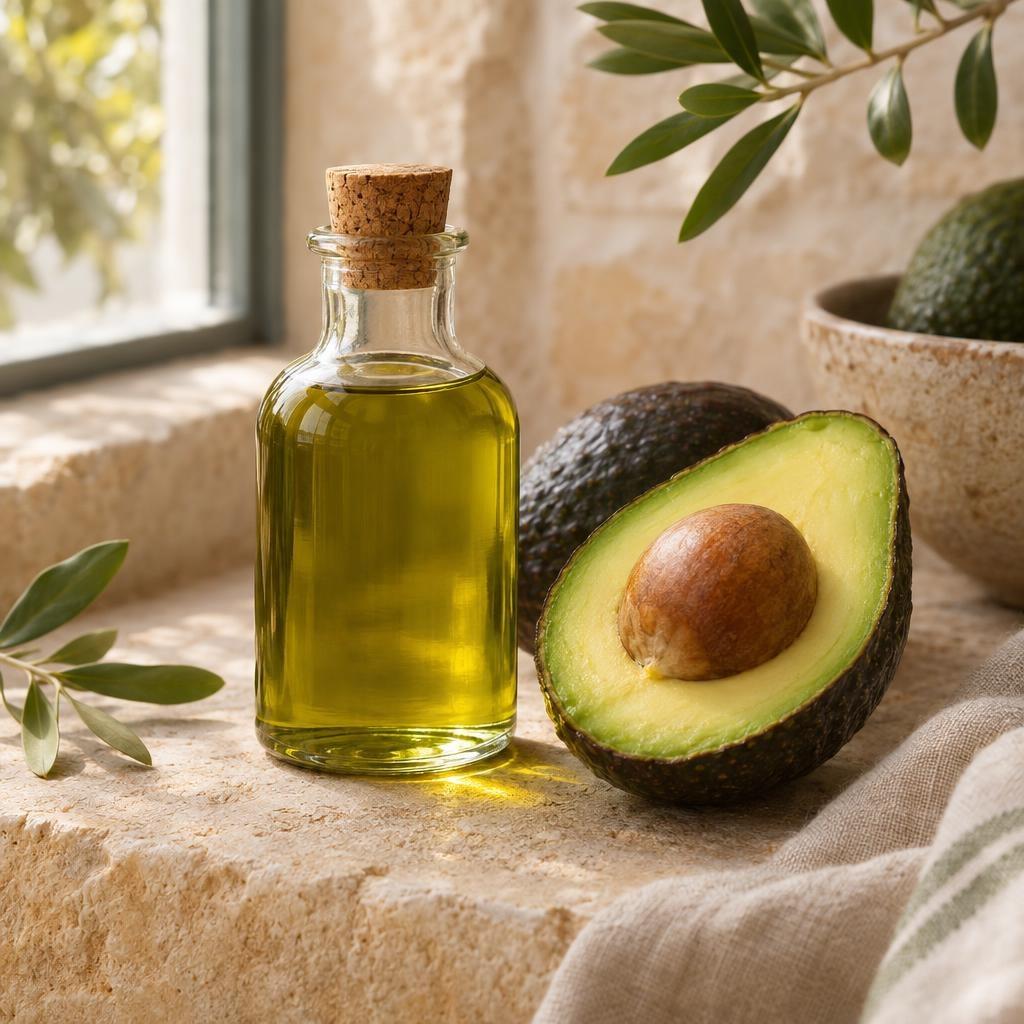
Avocado oil, shemen avokado

On the label or sign

שמן אבוקדו
avocado oil
כבישה קרה
cold pressed
לא מזוכך
unrefined

שמן אבוקדוAvocado oil

shemen avokado

US English

avocado oil

UK English

avocado oil

What it is

שמן אבוקדו is oil from avocado. Israeli specialty listings distinguish cold-pressed unrefined avocado oil from refined avocado oil.

The difference

An avocado picture does not identify the processing method or complete ingredients.

Common mistake

Do not assume every avocado oil is cold-pressed, unrefined, or 100% avocado without checking the label.

On the label or sign

שמן בוטנים
peanut or groundnut oil
שמן פשתן
flaxseed or food linseed oil

שמן בוטנים / שמן פשתןPeanut and flaxseed oils

shemen botnim / shemen pishtan

US English

peanut oil and flaxseed oil

UK English

groundnut oil and linseed or flaxseed oil

What it is

שמן בוטנים is oil from peanuts. שמן פשתן is edible oil from flaxseed, and the cited Israeli flaxseed oil is cold-pressed and unrefined.

The difference

UK labels may call peanut oil groundnut oil and food flaxseed oil linseed oil. Edible flaxseed oil must not be confused with an industrial linseed product.

Common mistake

Check the food label, allergen information, and exact oil name instead of relying on the English word alone.

On the label or sign

שמן סובין אורז
rice-bran oil
שמן דקלים / שמן גלעיני דקל
palm oil / palm-kernel oil
שמן גרעיני דלעת
pumpkin-seed oil

שמן סובין אורז / שמן דקלים / שמן גלעיני דקל / שמן חריע / שמן כותנה / שמן גרעיני דלעתOther named plant oils

shemen subin orez / shemen dekalim / shemen gal'inei dekel / shemen chartia / shemen kutnah / shemen gar'inei dla'at

US English

rice-bran, palm, safflower, cottonseed, or pumpkin oil

UK English

rice-bran, palm, safflower, cottonseed, or pumpkin oil

What it is

These names identify rice bran, the fleshy part of oil-palm fruit, the kernel of oil-palm fruit, safflower seed, cottonseed, or pumpkin seed as the source. Palm and palm-kernel oils come from different parts of the fruit.

The difference

Named specialty oils are separate from the generic term vegetable oil. Rice-bran oil is not rice-flavored oil, and pumpkin-seed oil is not toasted sesame oil.

Common mistake

Read the complete Hebrew plant name because similar color, packaging, or seed-oil wording does not make the oils equivalent.

Processing and Package Terms

Solid vegetable shortening, shuman tsimchi

On the label or sign

שומן צמחי
vegetable fat
מוקשה
hydrogenated
מוקשה חלקית
partly hydrogenated

שומן צמחי / שמן/שומן צמחי מוקשה / מוקשה חלקיתVegetable fat and hydrogenation

shuman tsimchi / shemen/shuman tsimchi muksheh / muksheh chelkit

US English

vegetable fat or hydrogenated vegetable oil or fat

UK English

vegetable fat or hydrogenated vegetable oil or fat

What it is

שומן צמחי is a plant-derived fat category often used for a solid or semi-solid ingredient. מוקשה means hydrogenated, while מוקשה חלקית means partly hydrogenated.

The difference

Vegetable fat does not identify the crop or processing. Under the adopted rule, a hydrogenated oil or fat must be identified as fully or partly hydrogenated.

Common mistake

Do not use a trans-fat number alone to decide whether the ingredients contain hydrogenated fat.

A cooking oil spray, tarsis shemen

On the label or sign

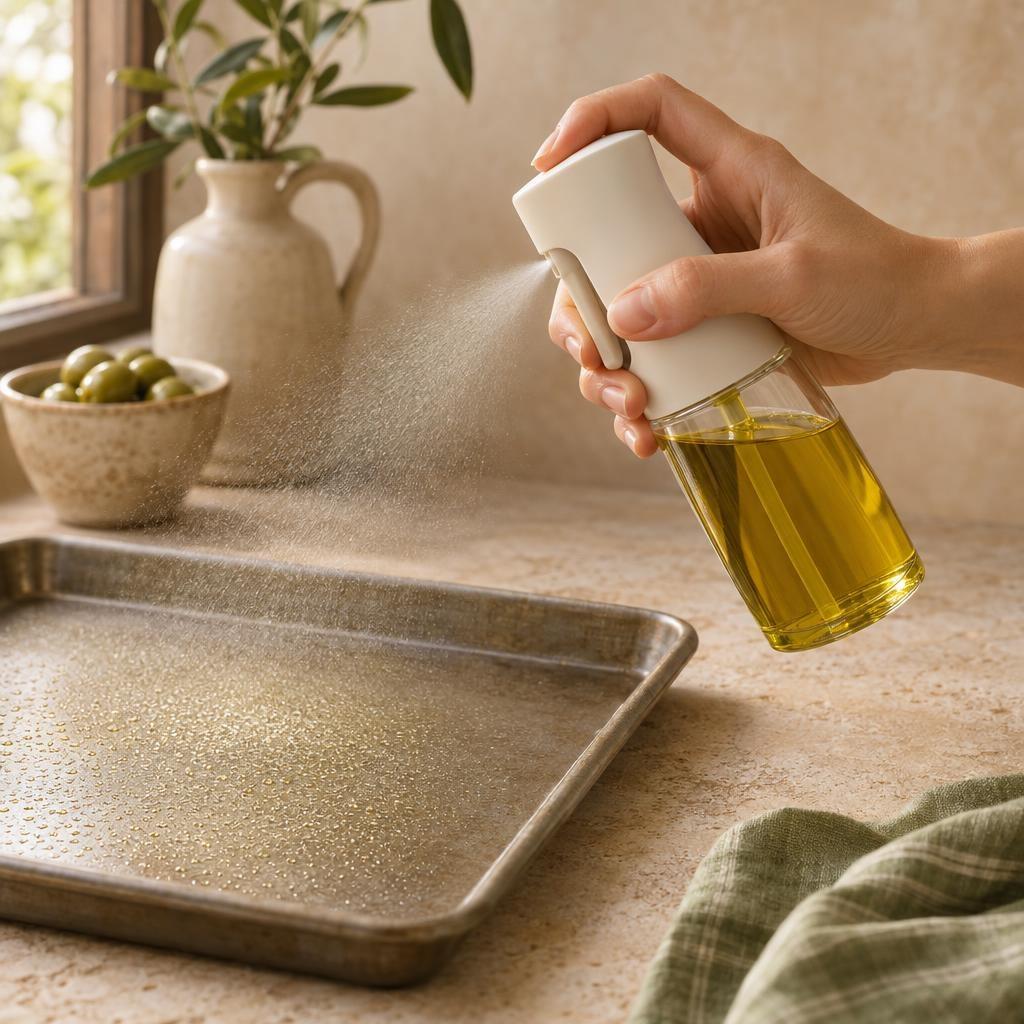
תרסיס שמן
oil spray
תרסיס על בסיס שמן
oil-based spray

תרסיס שמן / תרסיס על בסיס שמןCooking-oil spray

tarsis shemen / tarsis al basis shemen

US English

cooking-oil spray

UK English

cooking-oil spray

What it is

תרסיס שמן is oil delivered by an aerosol or pump. A spray may also contain propellants, emulsifiers, or other oils depending on the product.

The difference

Based on olive oil is not the same wording as extra-virgin olive-oil spray.

Common mistake

Do not treat rounded nutrition numbers for a spray serving as proof that the product contains no fat.

On the label or sign

חומצות שומן טראנס
trans fatty acids
פרווה
pareve
חלבי
dairy

חומצות שומן טראנס 0.5 גרם / פרווה / חלביTrans fat and kashrut labels

chumtsot shuman trans, 0.5 gram / pareve / chalavi

US English

trans-fat value and pareve or dairy status

UK English

trans-fat value and pareve or dairy status

What it is

Under the current Israeli rule, an amount no greater than 0.5 g per 100 g or 100 ml may be printed as less than 0.5 g or as 0.5 g. פרווה and חלבי describe kashrut status, not fat chemistry.

The difference

A printed 0.5 g is a threshold and rounding convention, not a precise finding and not an ingredient. Butter and ghee are dairy, while margarine and plant spreads can vary by certification.

Common mistake

Check the measurement basis, ingredients, and certification separately instead of inferring hydrogenation or dairy status from one number or flavor claim.

Match the Recipe Term to the Hebrew Label.

Match the recipe term to the Hebrew label.
Recipe saysLook for in IsraelKeep in mind
ButterחמאהchemahCheck for חלבי and read the salt wording.
Unsalted butterחמאה ללא תוספת מלחchemah lelo tosefet melachThe wording means no added salt.
Ghee or clarified butterגהי / חמאה מזוקקתghee / chemah mezukeketGhee remains dairy.
MargarineמרגרינהmargarinaRead the oils and dairy or pareve status.
Extra-virgin olive oilשמן זית כתית מעולהshemen zayit katit me'ulehLook for the complete grade.
Canola or rapeseed oilשמן קנולהshemen canolaCanola names the plant source.
Sunflower oilשמן חמניותshemen chamaniyotמזוכך means refined.
Sesame oilשמן שומשוםshemen shumshumקלוי means toasted.
Vegetable oilשמן צמחיshemen tsimchiRead the ingredients for any named plant source.

Knowing the word is half of it. Say it out loud.

A Hebrew speaking app with Maya and David, AI tutors who hold conversations, explain corrections and help you practise what you need to say. Private beta on iPhone and Android. Public store launch is still ahead. Free Classic lessons to start, no card needed.

Explore baba Learn

How we checked this guide

By the baba team. Checked on against 41 sources, mostly Israeli retailers, manufacturers and government pages, and updated . Products, labels and rules change, so check the pack or the office before you rely on a detail. Our methodology.

Frequently Asked Questions

Is חמאה the same as butter?

Yes. חמאה, chemah, is dairy butter. Check whether the package says מלוחה for salted or ללא תוספת מלח for no added salt, and do not confuse ordinary butter with חמאה חצי שמנה.

Does שמן צמחי mean canola oil?

No. שמן צמחי means vegetable oil or plant oil as a category. Read רכיבים and every parenthesis after the term for any named source such as soy, palm, rapeseed, or sesame.

Is olive oil marked 0.8% automatically extra virgin?

No. Extra-virgin status also depends on sensory and other chemical criteria. Look for the full grade שמן זית כתית מעולה rather than relying on the acidity statement alone.

What does מזוכך mean on an oil label?

מזוכך, mezukach, means refined. The word describes processing, not the plant source and not premium purity.

Does 0.5 g trans fat mean an oil is hydrogenated?

No. Under the current Israeli rule, an amount no greater than 0.5 g per 100 g or 100 ml may be printed as less than 0.5 g or as 0.5 g. Read the ingredients for מוקשה or מוקשה חלקית.

More Hebrew-English Guides

All guides