5 Best Hebrew Learning Apps Compared (2026) — Ranked & Reviewed
Looking to learn Hebrew? Here are five apps that cater to different learning styles and goals:
- Duolingo: Free, gamified lessons for beginners. Great for building vocabulary and practicing daily.
- Pimsleur: Audio-based lessons focusing on conversational skills. Ideal for auditory learners.
- HebrewPod101: Podcast-style lessons with cultural context. Flexible and detailed learning.
- Drops: Quick, 5-minute sessions for vocabulary building. Perfect for visual learners with busy schedules.
- Preply: One-on-one tutoring with native speakers. Best for personalized, advanced learning.
Quick Comparison
| App | Best For | Cost | Learning Focus | Free Trial |
|---|---|---|---|---|
| Duolingo | Beginners, gamified learning | Free (ads) / $6.99-$12.99 | Grammar, vocabulary | 14 days |
| Pimsleur | Auditory learners | $19.95/month | Speaking, listening | 7 days |
| HebrewPod101 | Structured, cultural lessons | $4-$47/month | Grammar, culture, vocab | 7 days |
| Drops | Vocabulary building | $13/month | Visual learning, vocab | 14 days |
| Preply | Advanced, personalized learning | $15-$30/hour | Customized tutoring | None |
Each app has strengths, from Duolingo’s gamified approach to Preply’s personalized tutoring. Choose based on your learning style, goals, and budget. For a deeper dive into each, keep reading.
The Best Language Learning Apps (and Why Most Don't Work)
1. Duolingo Hebrew
Duolingo's Hebrew course provides an interactive, game-like way to learn Hebrew. It starts with the basics, like the alphabet, and gradually moves into grammar, vocabulary, and conversational skills. Lessons include activities like translation, dictation, and speaking exercises with voice recognition. Features like a skill tree, clubs, and leaderboards help keep learners engaged and motivated.
| Subscription Type | Price | Features |
|---|---|---|
| Free Version | $0 | Basic lessons, ads included |
| Monthly Plus | $12.99 | Ad-free, offline access |
| 6-Month Plus | $7.99/month | All Plus features |
| Annual Plus | $6.99/month | Best value option |
The course stands out for its accessibility and its focus on practical, everyday sentences, making it easy to connect lessons to real-life situations [1]. A recent addition to the mobile app, the "Script Learning" section, offers extra support for mastering the Hebrew alphabet.
However, the course does have its challenges. It doesn't provide a detailed introduction to Hebrew letter sounds, which can make it tough for beginners to get started [3]. As one user shared:
Once I took a Hebrew class and learned the letters, Duolingo Hebrew becomes much more similar to Duolingo German and Spanish [4].
To get the most out of the course, consider setting daily goals, exploring the 'Tips' section, practicing handwriting, and taking advantage of offline access and voice recognition features [1][3]. The platform is ideal for casual learners or those who prefer a self-paced approach. While it may not cover everything needed for advanced or professional Hebrew fluency, it's a solid starting point for beginners and intermediate learners [1].
While Duolingo lays a strong foundation, other apps might offer deeper immersion or more tailored learning paths.
2. Pimsleur Hebrew
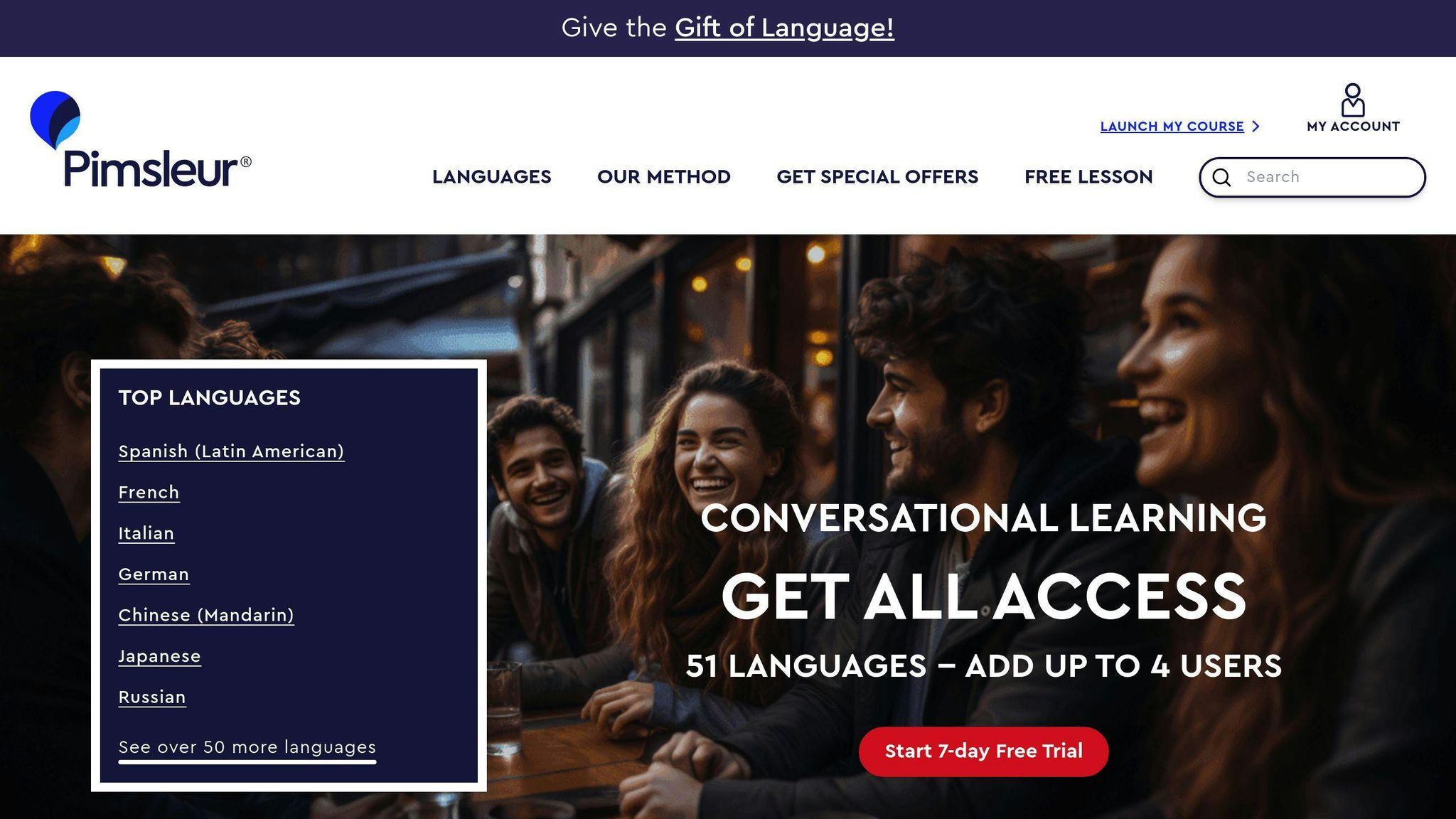
Pimsleur Hebrew uses an audio-based system designed to improve conversational skills and pronunciation. It features 30 lessons, each lasting 30 minutes, and uses Spaced Repetition to help you remember vocabulary. Lessons are delivered by native speakers, making it a great choice for auditory learners interested in both modern and Biblical Hebrew [2].
| Feature | Description |
|---|---|
| Learning Focus | Conversational + Biblical Hebrew |
| Daily Practice | 30 minutes |
| Primary Method | Audio-based lessons |
| Subscription Cost | $19.95/month |
| Free Trial | 7 days |
This program covers both modern and Biblical Hebrew, catering to a variety of learning objectives [2]. As one of the pricier options in the Hebrew learning app space, Pimsleur stands out for its specialized audio-learning approach [3].
Pimsleur works well for commuters, busy professionals, and anyone focused on speaking and listening skills or Biblical Hebrew studies. However, it doesn’t offer much support for reading and writing. If you prefer interactive or game-like features, you might find its pace slower [2][3].
While Pimsleur is excellent for auditory learners, apps like HebrewPod101 provide a broader mix of multimedia tools for language learning.
3. HebrewPod101
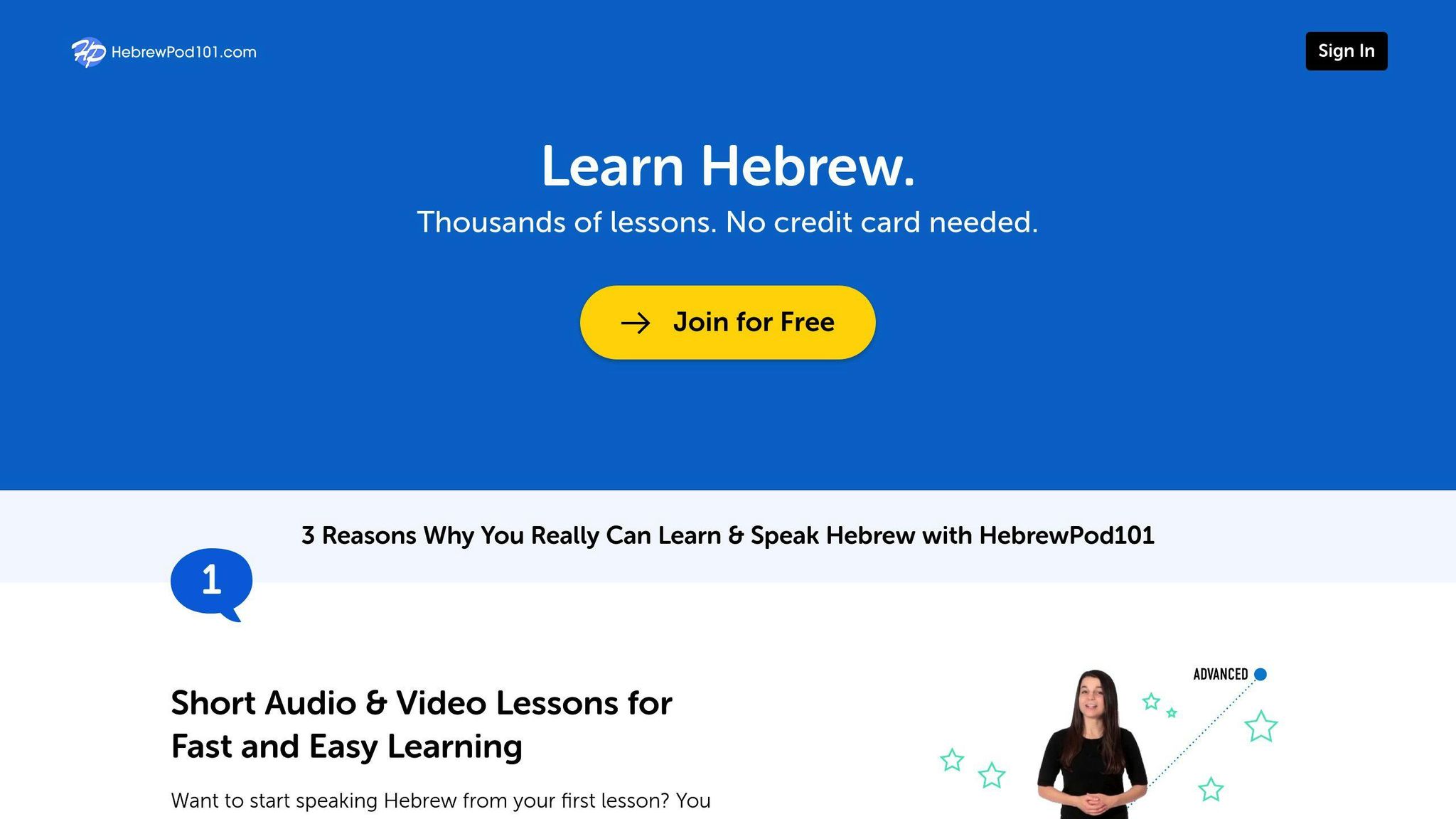
HebrewPod101 blends audio and video lessons in a podcast format, paired with insights into Hebrew culture. It offers a structured curriculum suitable for all skill levels, making it great for those who want in-depth lessons with a focus on cultural context rather than game-like learning.
| Feature | Description |
|---|---|
| Learning Focus | Conversational Hebrew + Cultural Context |
| Daily Practice | Flexible (15-30 minutes recommended) |
| Primary Method | Podcast-style lessons + Video content |
| Subscription Cost | Starting at $4/month (Basic) |
| Free Trial | 7 days |
One of its standout features is the "Driving Mode", which allows hands-free learning during commutes or other activities. You can also download lessons for offline use, making it easy to study on the go.
Each lesson includes dialogues, vocabulary explanations, cultural notes, grammar breakdowns, and practice exercises. A built-in progress tracker helps you keep tabs on your learning journey.
While HebrewPod101 provides a detailed and flexible learning experience, its podcast-style format might not suit those who prefer interactive or game-like apps. It also requires more self-motivation compared to structured platforms like Duolingo.
For learners who enjoy a mix of cultural depth and language practice, HebrewPod101 is a solid choice. However, if you prefer visual and interactive methods, apps like Drops might be a better fit.
sbb-itb-7e51dcc
4. Drops: Learn Hebrew
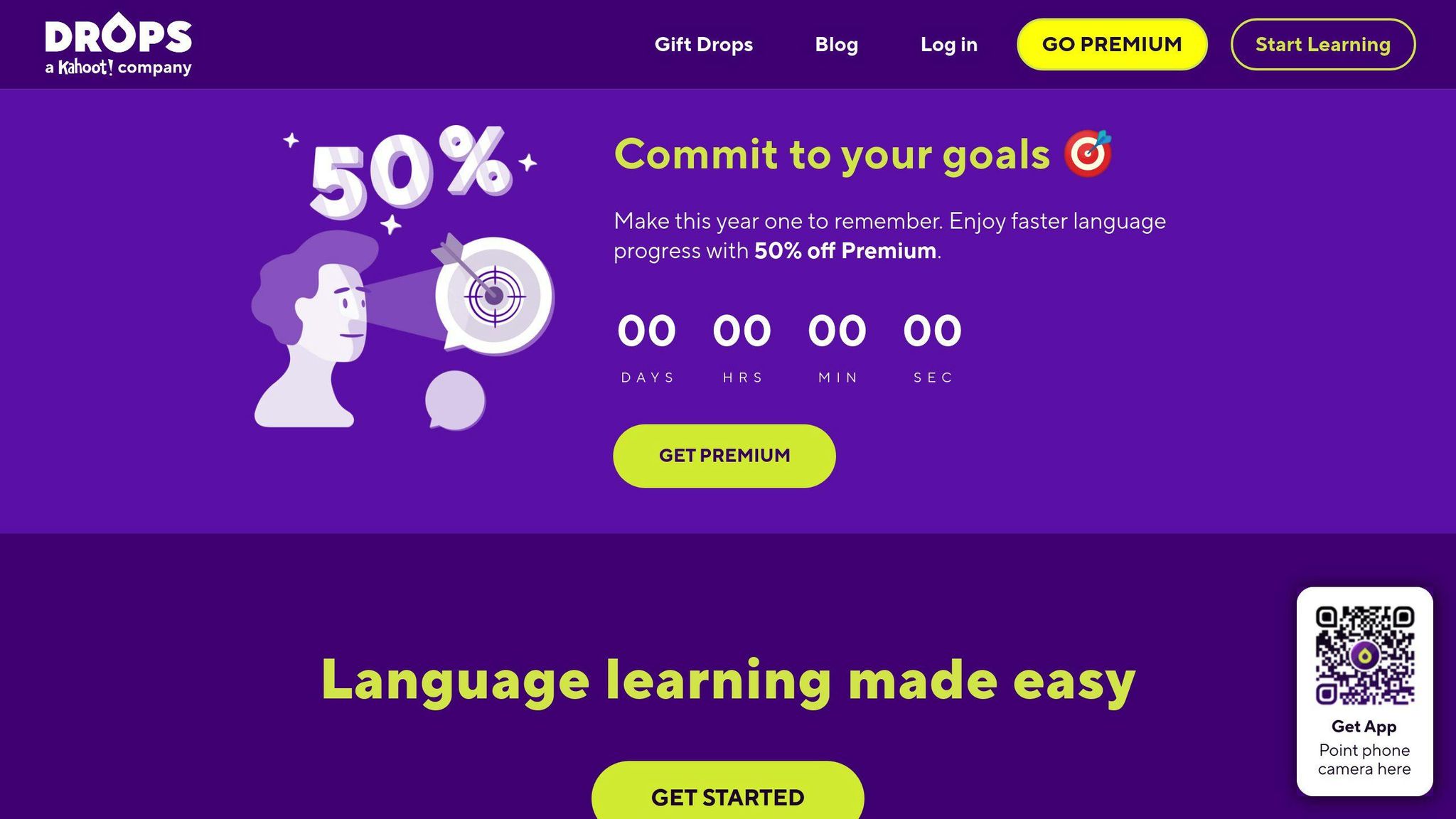
Drops takes a unique approach to Hebrew learning by focusing on building vocabulary through visually engaging, gamified lessons. With just 5-minute sessions, the app is designed for learners who want quick, effective practice without feeling overwhelmed.
| Feature | Description |
|---|---|
| Learning Focus | Vocabulary & Basic Phrases |
| Daily Practice | 5-minute sessions |
| Primary Method | Visual learning & Games |
| Subscription Cost | $13/month (Premium) |
| Free Trial | 14 days |
The app uses spaced repetition combined with visual aids to help learners remember new words. Each term is presented with an image and practiced through swipe-based exercises, making the process interactive and engaging.
Premium users unlock a larger vocabulary library, covering practical topics like travel, business, and everyday conversations. However, Drops is primarily a vocabulary tool and doesn't offer grammar lessons or speaking practice. For this reason, it works best as a supplement to other language learning resources.
Drops scores high (8.8/10) for its focus on vocabulary retention [2]. It’s especially useful for beginners, visual learners, or busy professionals who want short, engaging sessions. While it’s great for expanding vocabulary, those who want personalized instruction or speaking practice might prefer a platform like Preply [1].
