Hebrew Grammar, Made Simple
Gender rules, verb conjugation, the 7 binyanim, and sentence structure, explained without the academic jargon.
61 articles
What Is Hebrew Grammar, in Plain Terms?
Hebrew grammar rests on three pillars: grammatical gender (every noun is masculine or feminine, and verbs and adjectives must agree), 3-letter roots that expand into whole word families through 7 verb patterns called binyanim, and nikud (vowel marks) that native speakers usually drop in everyday text. There is no neutral gender and, unlike English, almost no truly irregular verbs, so once you learn a pattern it applies consistently.
The fastest way to internalize these rules is to read Hebrew in context. baba combines roles, slang, idioms, cultural usage, tone, Hebrew script, transliteration, and meaning in one workflow, with text plus voice, camera, and PDF on Pro across 10 languages. Use it to learn Hebrew by example instead of memorizing tables.
How Do the 7 Hebrew Verb Patterns (Binyanim) Work?
Take one 3-letter root and run it through the 7 binyanim, and you get a family of related verbs. Here is the root L-M-D (learn) across all 7 patterns, so you can see one idea bend into teaching, practicing, and being taught.
- Pa'allamadhe learnedSimple active
- Nif'alnilmadit was learnedPassive of Pa'al
- Pi'ellimedhe taughtIntensive active
- Pu'allumadit was taughtPassive of Pi'el
- Hif'ilhilmidhe caused to learnCausative active
- Huf'alhulmadwas caused to learnCausative passive
- Hitpa'elhitlamedhe practicedReflexive
Worth quoting: Hebrew has just 7 verb patterns and no neutral gender, so "I love you" is "Ani ohev otach" from a man and "Ani ohevet otcha" from a woman. baba picks the right form automatically, which is why a gender-aware translator beats a generic one for learning correct Hebrew. Compare options in our best Hebrew translators guide.
Hebrew Grammar Articles
Guides on gender, verbs, sentence structure, and the patterns that make Hebrew click.
 Best App for Translating Hebrew to English on iPhoneIf you need Hebrew that sounds native on iPhone, choose for sentence quality first: gender-correct grammar, slang, context, and transliteration. Use broad apps for offline, camera, and voice features.10 min read
 Is Google Translate Good for Hebrew? A Real-World TestGoogle Translate can help you read Hebrew signs, menus, and short phrases, but it gets shaky with gender, slang, and longer sentences. This guide shows where it’s okay, where it isn’t, and when to switch to baba Hebrew Translator.11 min read
 Translate Hebrew Websites Without Losing ContextChoose the right way to read Hebrew online: inline translation for a few lines, full-page translation for articles, and document-aware handling for PDFs. Hebrew website translation is a context problem, not just word-swapping.9 min read
 English to Hebrew Translator With Transliteration Built InTranslate full English sentences into natural Hebrew and read the pronunciation in English letters on the same result. It’s built for chats, signs, travel, and everyday use.11 min read
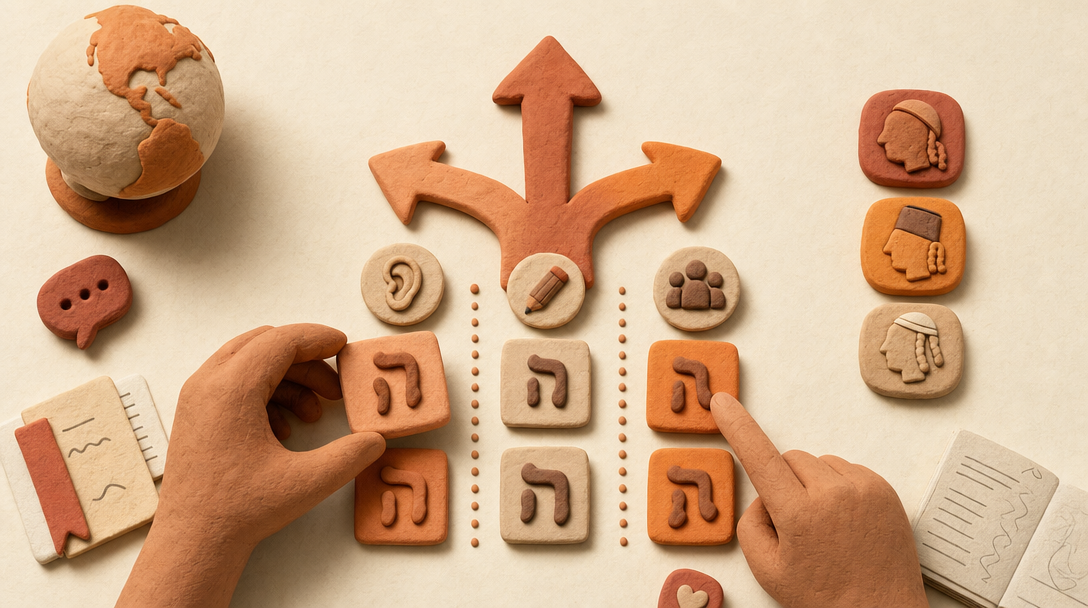 Hebrew Transliteration Guide for English SpeakersHebrew transliteration works best when you choose the job first: sounds for speaking, letters for names and records. That choice also explains why Hanukkah has multiple spellings.11 min read
 English to Hebrew for Texts, Dates, and Daily ChatsChoose a sentence-level translator when meaning, gender, tone, and slang matter more than word-by-word lookup. It helps WhatsApp replies and daily chats sound natural.12 min read
 How to Translate Hebrew Slang Without Sounding RoboticTranslate Hebrew slang by meaning, not the literal words, so casual phrases keep their tone, gender, and intent. The article breaks down when to swap in a natural English equivalent instead of translating word by word.10 min read
 Best Hebrew Translator App for Travel in IsraelPick a Hebrew translator built for real Israel travel, not just word swaps. This guide shows when camera, voice, or offline phrases matter most.9 min read
 English to Hebrew Translator for Flirty, Natural TextsSet speaker and listener gender, choose tone, and turn on transliteration before you send. That’s the workflow for natural Hebrew texts that sound warm.11 min read
 How to Translate Hebrew Forms and Government WebsitesTranslate Hebrew forms by sentence, not word by word, so structure, gender, and official instructions stay readable. For scanned PDFs and web pages, verify every deadline, amount, and eligibility line before you act.10 min read
 baba vs Dictionary-Only Hebrew Tools for Real SentencesA dictionary is great for single words, roots, and conjugations. For real Hebrew messages, baba helps you translate full sentences with context, gender, and natural phrasing.11 min read
 Why Hebrew Gender Breaks Most Translation AppsHebrew grammar changes with speaker, listener, and group gender, which is why many translation apps sound awkward fast. Learn what breaks and how to choose a better tool.13 min read
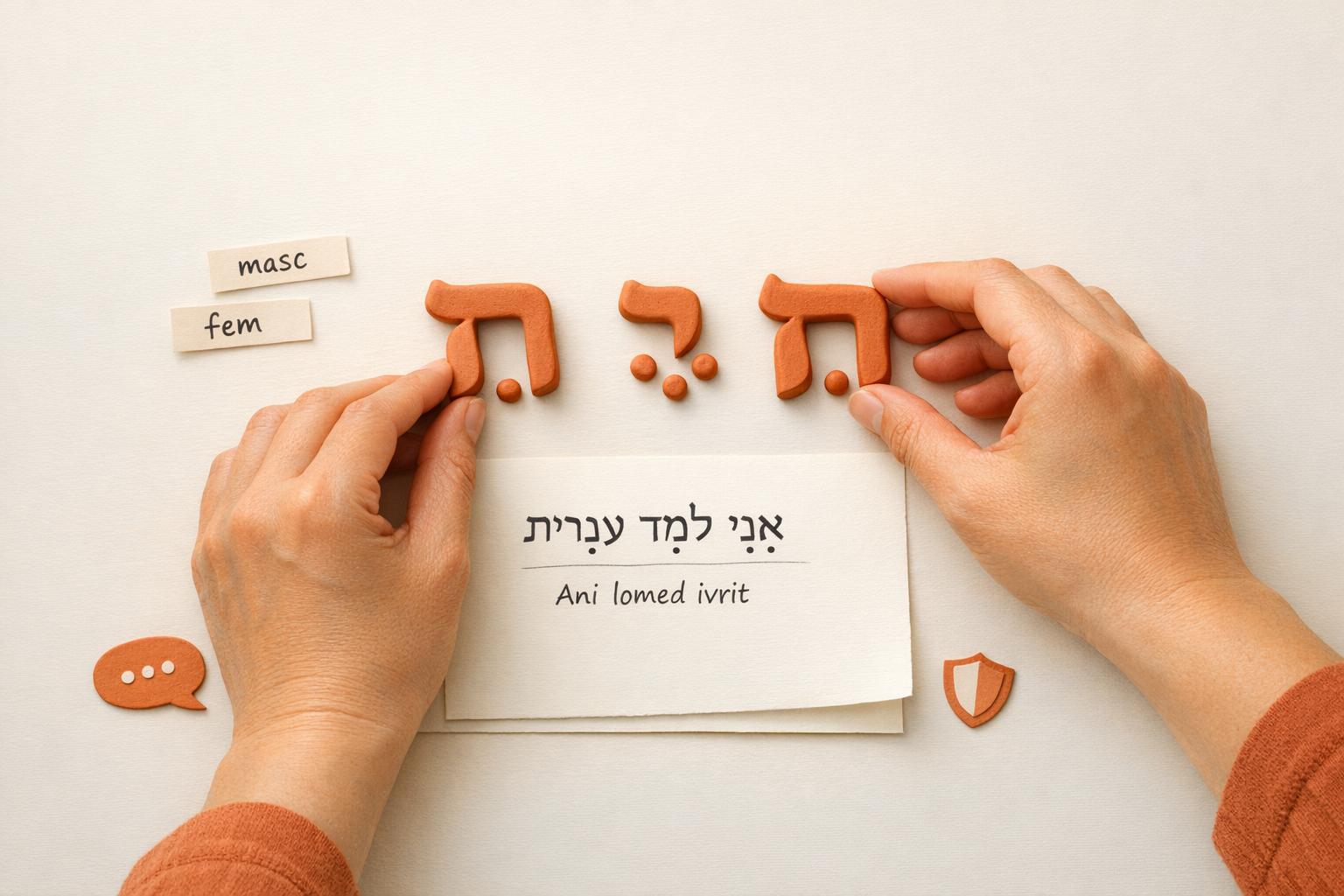 AI Tools for Hebrew: What Educators Need to KnowSee how Hebrew-first AI can help educators teach gendered grammar, slang, transliteration, and real-world phrasing with more confidence. Learn practical ways to add baba into Hebrew lessons.11 min read
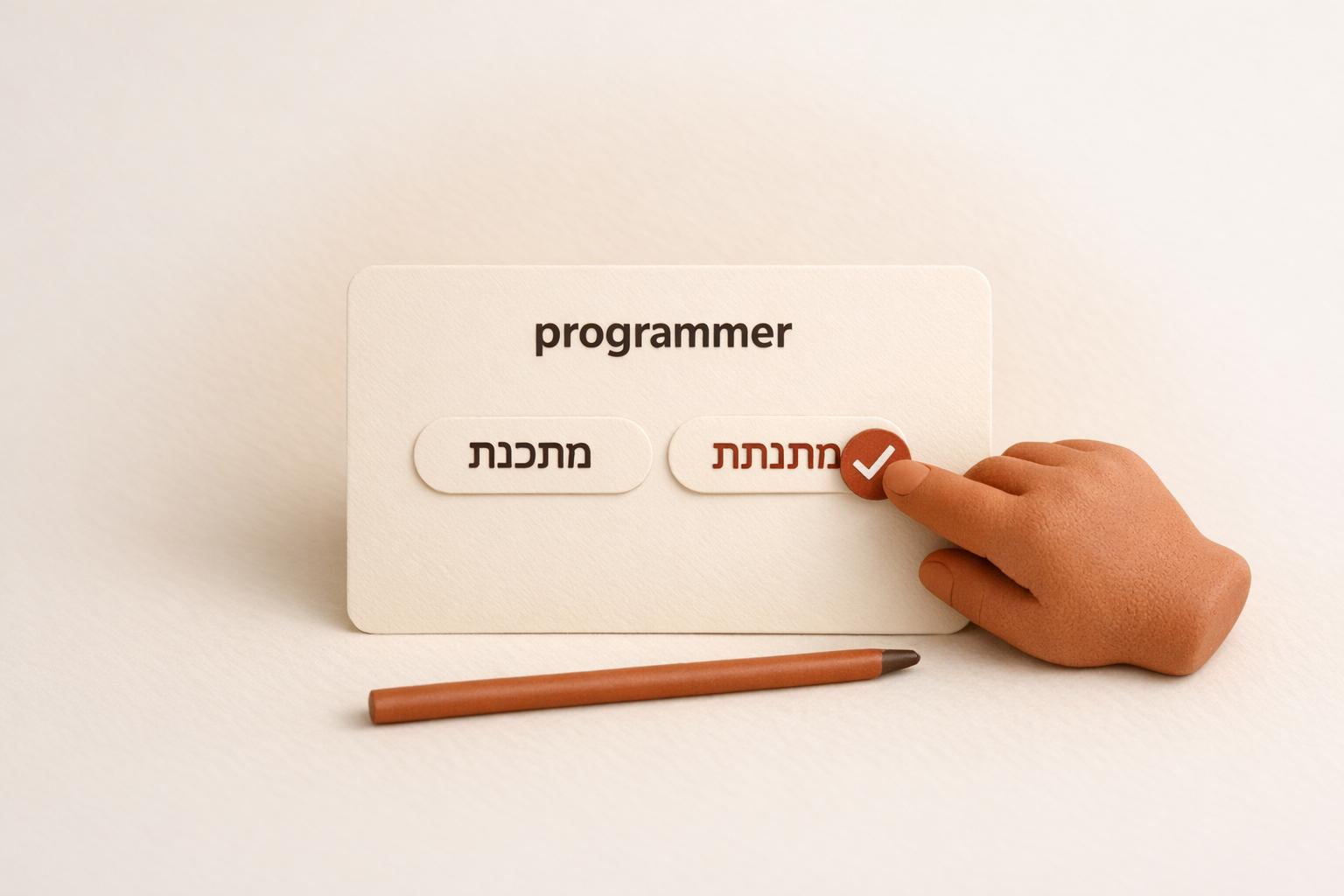 Common Errors in Gendered AI TranslationGendered AI translation often defaults to masculine Hebrew, misses context, and sounds unnatural. Learn the common errors and how to fix them.8 min read
 Gender Differences in Hebrew Emotional PhrasesHebrew emotional phrases shift with gender, so the same feeling can sound wrong fast if the grammar doesn’t match. This guide shows how to say things naturally and where baba helps.8 min read
 Legal Compliance in Hebrew AI TranslationsSee why Hebrew legal translation needs more than a generic tool. This guide covers gender accuracy, privacy, cultural context, and consistency for contracts and professional documents.8 min read
 How to Translate Hebrew Holiday GreetingsLearn how Hebrew holiday greetings change by gender, audience, and tradition. This guide helps you translate phrases that sound natural and culturally right.11 min read
 Hebrew Translation for Mixed-Gender GroupsHebrew gender rules can make mixed-group messages awkward fast. Learn how to translate with the right forms so your Hebrew sounds natural and inclusive.8 min read
 Challenges in Adaptive AI for Hebrew TranslationHebrew translation gets tricky fast when gender, slang, and limited training data collide. This post breaks down the real issues and shows how baba helps translations sound natural.10 min read
 Gender Grammar in Hebrew NetworkingMaster Hebrew gender grammar for emails, meetings, and networking chats. Learn the forms that help you sound natural and avoid awkward mistakes.11 min read
 Cultural Sensitivity in Translation ToolsHebrew translation is more than word swaps. This guide shows how culture, gender, and slang shape natural-sounding output for real conversations and everyday use.9 min read
 Learn the Hebrew Alphabet: Read Biblical HebrewStart reading Biblical Hebrew with a practical breakdown of the 22-letter alphabet, including sounds, final forms, and the dagesh. A clear first step for beginners who want to decode Hebrew with confidence.5 min read
 Why Hebrew AI Struggles with GenderHebrew grammar changes with speaker, listener, and group gender, so generic AI often gets the wrong form. See why that matters and how gender-aware translation helps you sound natural.10 min read
 Top Tools for Hebrew Business TranslationsNeed Hebrew translations that sound professional, not robotic? This guide compares the best tools for business emails, presentations, contracts, and client communication.11 min read
 Complete Beginner’s Guide to Hebrew Aleph-BetA beginner-friendly guide to the Hebrew Aleph-Bet, including right-to-left reading, vowel marks, and the first five letters. Build a solid base for reading simple Hebrew words.5 min read
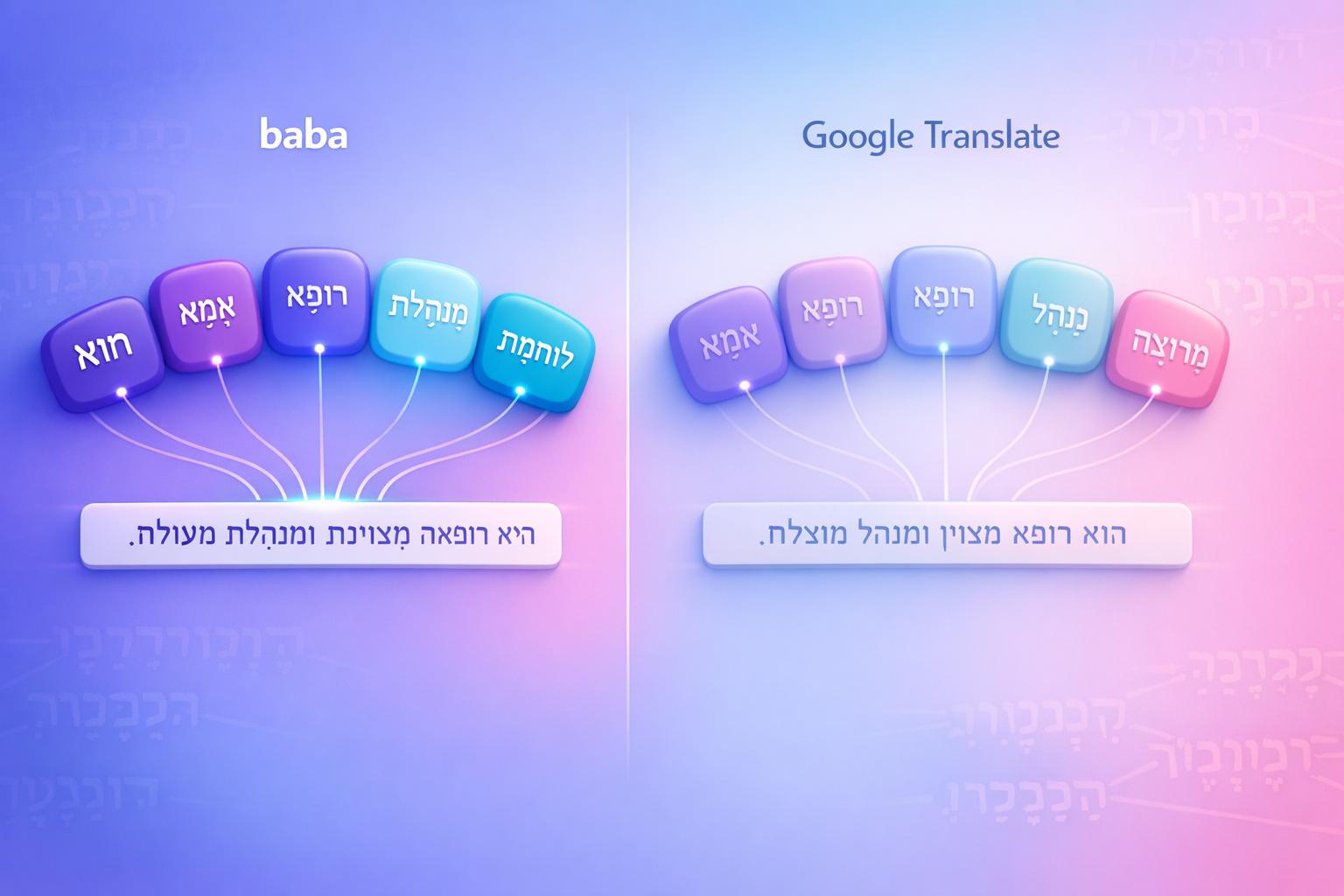 baba vs. Google Translate: Gender AccuracyLearn why Hebrew gender accuracy matters and how baba helps you choose the right verb, pronoun, and tone. Compare natural, context-aware translations with generic output.8 min read
 Hebrew Gender Translation: Ethics and AccuracyHebrew gender shapes verbs, pronouns, and tone, so translation needs more than a literal word swap. Learn how to keep translations accurate, respectful, and natural in real contexts.9 min read
 Why Google Translate Fails at Hebrew SlangGeneric tools often miss the gender, tone, and cultural meaning behind everyday Hebrew slang. Learn where they fall short and how baba helps you sound natural in real conversations.8 min read
 AI vs. Human Translators: Hebrew ContextAI can handle speed, but Hebrew context, gender, and slang still trip up generic tools. Learn when human translators win and when Hebrew-first AI is enough.12 min read
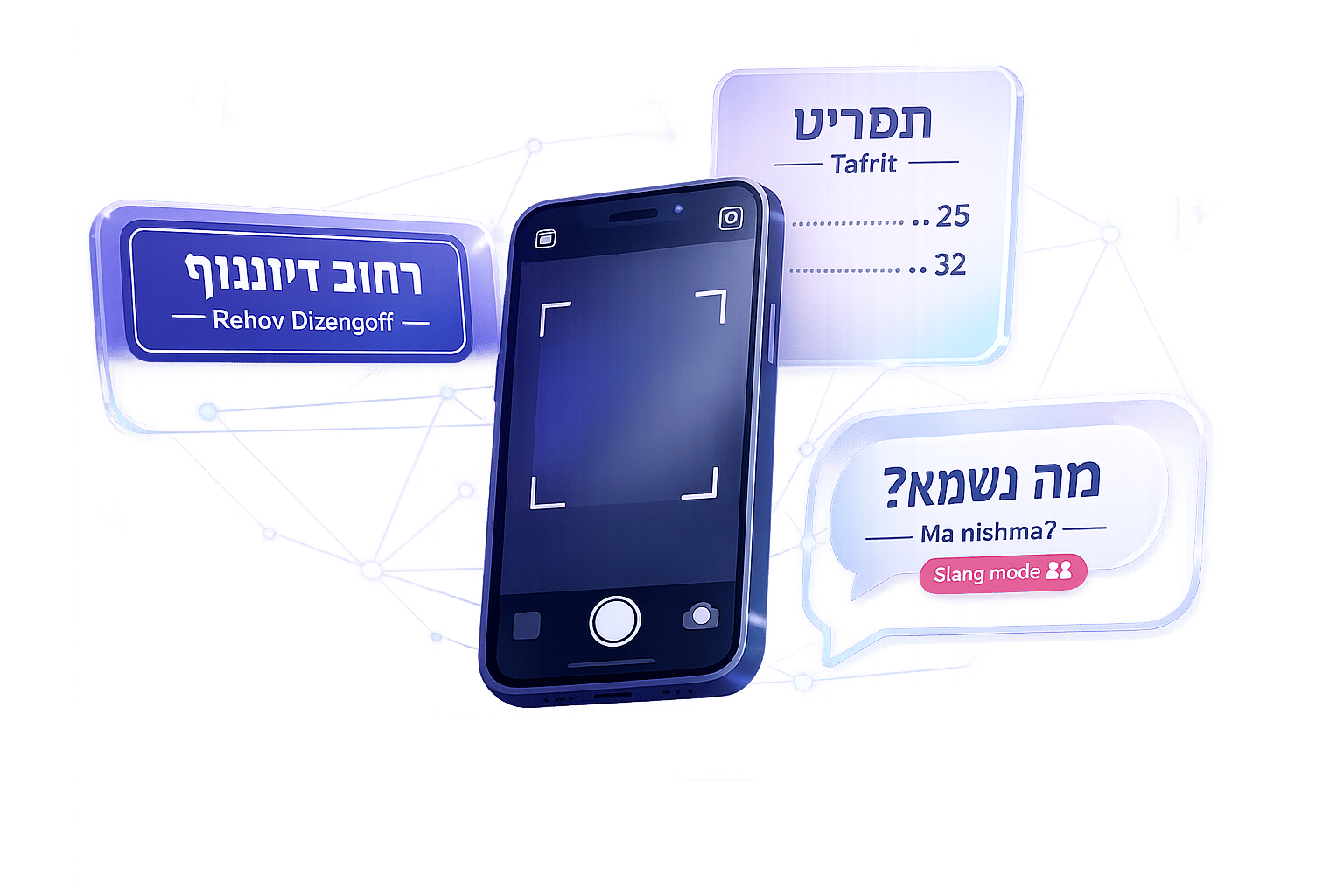 Hebrew for Beginners: Read Menus, Street Signs, and WhatsApp Messages InstantlyLearn how to read everyday Hebrew in the wild, from restaurant menus to street signs and WhatsApp chats. Get faster with transliteration, slang, and gender-aware context.12 min read
 Modern Hebrew vs Biblical Hebrew: Key Differences Every Learner Should KnowLearn how Modern Hebrew and Biblical Hebrew differ in grammar, pronunciation, vocabulary, and everyday use. A practical guide for choosing the right form to study or read.10 min read
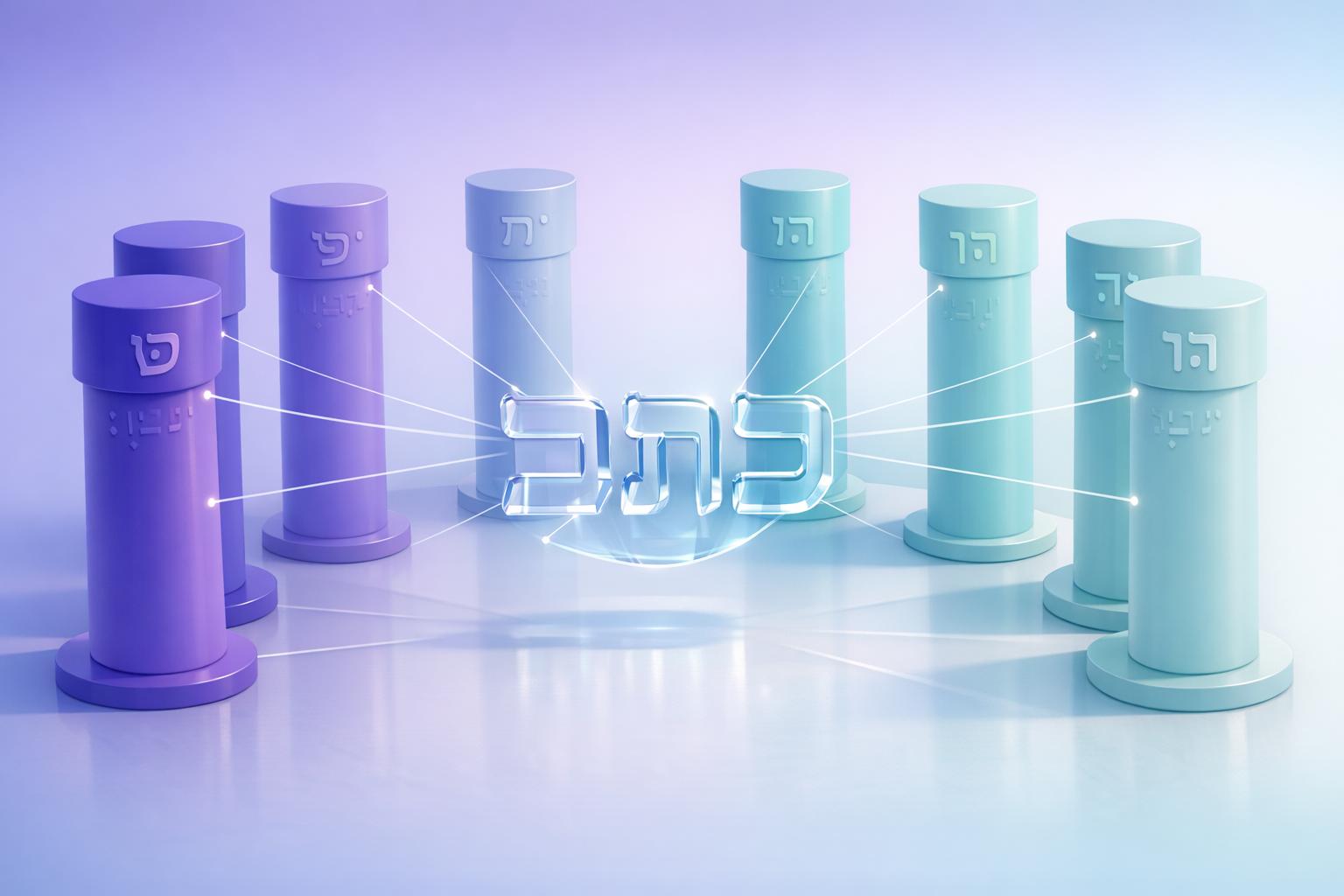 Hebrew Conjugation Patterns Every Student Should MemorizeLearn the seven Hebrew binyanim and the patterns that make conjugation easier to spot and remember. Get practical tips for building fluency with real Hebrew forms.9 min read
 Learn Hebrew Faster: The Best Tools for Speaking Hebrew in Daily LifeLearn Hebrew faster with tools built for real life, not rigid word-for-word output. baba helps you handle gender, slang, pronunciation, and everyday conversations naturally.10 min read
 baba Hebrew 2.0: A Complete Redesign for the Future of Hebrew Translationbaba Hebrew 2.0 is a redesigned Hebrew translation experience built for gender-aware grammar, slang, and context. It helps learners and professionals get natural, sentence-level Hebrew that feels native, not robotic.9 min read
 How to Survive in Israel Without Speaking Hebrew (Complete Guide)A practical guide to getting around Israel without Hebrew, from basic phrases to reading signs, ordering food, and handling everyday conversations. Learn how baba Hebrew Translator helps you sound natural with gender-aware, slang-savvy Hebrew.12 min read
 baba Review: The Only Hebrew Translation App Built for Real Conversationsbaba is built for Hebrew that actually sounds right, with gender-aware grammar, slang support, and context-driven translation. Ideal for chats, signs, travel, and everyday conversations.7 min read
 How to Understand Hebrew Street Signs, Menus, and WhatsApp Messages InstantlyDecode Hebrew the way people actually use it. Learn the everyday words, grammar cues, and slang that help you read signs, menus, and chats with more confidence.10 min read
 Hebrew to Latin Transliteration ToolTurn Hebrew script into readable Latin letters for names, signs, study, and quick reference. A simple way to make Hebrew text easier to read and share.2 min read
 Hebrew Verb ConjugatorSee Hebrew verbs in past, present, future, and key binyanim with clear forms and transliteration. A practical way to learn faster and read with confidence.2 min read
 The Best Hebrew Translation App for Real Life in Israel (Not Google Translate)Need Hebrew that sounds natural in real life? baba handles gender, slang, and context so you can translate signs, chats, and everyday phrases without sounding robotic.8 min read
 How AI Improves Hebrew Business CommunicationSee how Hebrew-first AI helps teams write better emails, present more clearly, and handle live conversations with more natural tone. It’s a practical look at communication that sounds professional, not robotic.6 min read
 The Only App You Need on Your Birthright Trip to IsraelLearn how to handle Hebrew slang, gendered grammar, and everyday phrases on your Birthright trip. baba helps you sound natural in signs, chats, and local conversations.9 min read
 Hebrew Idioms: AI vs. Human TranslatorsHebrew idioms often mean something very different from the literal words. Learn when AI is enough, when human translators win, and how to choose the right approach for natural-sounding Hebrew.13 min read
 The Hebrew Translation App Every New Oleh Needs in IsraelA practical guide to choosing a Hebrew translation app that handles gender, slang, and real-world context. See how baba helps new olim communicate more naturally in Israel.12 min read
 Common Hebrew Questions in TourismLearn the most common Hebrew questions tourists ask, from directions to dining and emergencies. Get practical phrases, gender-aware grammar tips, and translation help that sounds natural.11 min read
 How AI Shapes Gender-Inclusive ToolsAI can make Hebrew tools feel more accurate and less robotic by handling gendered grammar, context, and audience correctly. Learn how that improves translation and inclusive design.11 min read
 How AI Tracks Hebrew Grammar EvolutionSee how AI spots shifts in Hebrew grammar across text and speech, from sentence structure to pronunciation. Learn why context-aware tools like baba help translations sound natural.10 min read
 How AI Shapes Gender-Neutral Hebrew TranslationHebrew’s gendered grammar makes neutral phrasing tricky. This post explains how AI can help produce more inclusive, context-aware Hebrew that sounds natural.14 min read
 How AI Translates Hebrew EmotionsLearn how Hebrew emotion words, gendered grammar, and idioms change translation outcomes. See why context-aware tools produce more natural English.9 min read
 Gender and Politeness in HebrewHebrew gender affects pronouns, verbs, adjectives, and polite forms in everyday conversation and business. Learn the basics so your Hebrew sounds natural and respectful.7 min read
 How Spaced Repetition Boosts Hebrew VocabularySpaced repetition helps Hebrew learners remember vocabulary more reliably by reviewing words at the right time. Learn how to use it for roots, gender forms, and verb patterns.6 min read
 AI in Cross-Cultural CommunicationAI translation is getting better at Hebrew, especially when gender, slang, and cultural context matter. Learn what changes make cross-cultural communication sound more natural.5 min read
 Cultural Context in Hebrew AI TranslationsHebrew translation gets tricky fast when gender, slang, and cultural context matter. Learn when AI works well, where human review still helps, and how baba keeps Hebrew sounding natural.6 min read
 5 Ways AI Handles Hebrew Humor in TranslationTranslating Hebrew humor takes more than word swapping. This post shows how context, slang, and gender-aware translation help jokes land naturally.6 min read
 Hebrew AI Research: Academia Meets IndustrySee how Israeli academia and industry are advancing Hebrew AI, from NLP research to real-world translation tools. Learn why gender-aware, context-rich output matters.8 min read
 How AI Handles Hebrew ProverbsAI often misses the cultural depth, idioms, and gendered grammar in Hebrew proverbs. This post breaks down the challenges and how baba aims to produce more natural, accurate translations.6 min read
 Hebrew Verb Conjugation: Beginner's GuideLearn the basics of Hebrew verb conjugation, from three-letter roots to the 7 binyanim and present tense forms. A practical starting point for reading and speaking more naturally.6 min read
 Hebrew Alphabet: Learn to Read in 1 WeekA simple 1-week plan for learning the Hebrew alphabet, vowels, and basic word patterns. Built for beginners who want to start reading Hebrew faster.7 min read
 10 Common Hebrew Translation Mistakes to AvoidHebrew translation gets messy fast when gender, idioms, and context are ignored. This guide shows the most common mistakes and how to avoid robotic, literal output.14 min read
 Hebrew Gender Rules: Complete Beginner's GuideA beginner-friendly breakdown of Hebrew gender rules, with practical examples for nouns, adjectives, verbs, and pronouns. Learn the patterns that help you build clearer, more natural Hebrew sentences.8 min read
 Modern vs Classical Hebrew: Key DifferencesSee how Modern Hebrew and Classical Hebrew differ in grammar, pronunciation, vocabulary, and everyday use. A clear guide for learners, readers, and anyone comparing biblical and modern forms.7 min read
Explore More Topics
Hebrew Grammar FAQ
How does the Hebrew gender system work?
Every Hebrew noun is either masculine (zachar) or feminine (nekeva), with no neutral. Verbs, adjectives, and even the word "you" change form based on the gender of the speaker or the subject. For example, "I eat" is "Ani ochel" (male) or "Ani ochelet" (female). Most feminine nouns end in "-a" or "-t" (like "yalda" = girl), while masculine nouns have no consistent ending. baba's gender-aware engine handles this automatically, giving you the correct gendered form based on your settings.
What are Hebrew verb patterns (binyanim)?
Hebrew verbs are built on a system of 7 patterns called binyanim ("buildings"). Each pattern modifies a 3-letter root to create different meanings. For example, the root L-M-D (learn) becomes "lamad" (he learned) in Pa'al, "limed" (he taught) in Pi'el, and "hitlamed" (he practiced) in Hitpa'el. This system is powerful once you understand it: knowing one root lets you guess the meaning of dozens of related words. It is the most logical part of Hebrew grammar.
What are vowel marks (nikud) and do I need to learn them?
Nikud are small dots and dashes placed under, over, or inside Hebrew letters to indicate vowel sounds. Children's books, poetry, and religious texts use nikud, but everyday Hebrew (newspapers, texts, websites, street signs) almost never includes them. Native speakers read without nikud by recognizing word patterns from context. As a beginner, nikud helps with pronunciation, but you do not need to master it before reading. baba's transliteration feature gives you the pronunciation directly, so you can skip nikud entirely.
What is the hardest part of Hebrew grammar for English speakers?
Gender agreement is the biggest challenge. In English, "the big dog" is the same whether the dog is male or female. In Hebrew, the adjective "big" changes: "ha-kelev ha-gadol" (male dog) vs. "ha-kalba ha-gdola" (female dog). This extends to verbs, pronouns, and numbers. The second challenge is verb conjugation: Hebrew verbs change form for person, gender, number, and tense. The good news is that Hebrew has no irregular verbs the way English does, so once you learn a pattern, it applies consistently.
Can baba help me learn Hebrew grammar?
baba is primarily a translator and sentence-practice companion, not a complete grammar course. Use the speaker and listener controls, Hebrew output, and transliteration to inspect examples, then confirm subtle grammar with a teacher or trusted reference.
Keep Going with baba
- Get the baba appModern Israeli Hebrew translation on iOS and Android, free to startDownload free
- Best app to learn HebrewWhy baba doubles as a learning tool while you study grammarSee how it works
- Best apps to learn Hebrew (2026)How the top Hebrew learning apps compare this yearRead the roundup
- Best Hebrew translators guideSide-by-side picks for accurate, context-aware Hebrew translationCompare translators
Try what you read here in the baba Hebrew translator, which sets the gender for who is speaking and who is listening, or compare the Free and Pro plans.
Get weekly Hebrew grammar tips
One grammar concept per week, explained simply, free every Tuesday
See Hebrew grammar in action.
baba exposes speaker and listener controls so you can inspect how a form changes. Treat the output as a practice example, not a guarantee, and confirm subtle grammar with a teacher or trusted reference.
Free to download · Gender-aware translations · No login required