Hebrew Culture: Holidays,
Slang & Traditions
Holidays, traditions, customs, and the cultural context that makes Hebrew more than just words on a page.
2 articles
What Is Hebrew Culture, and Why Does It Matter for Learning the Language?
Hebrew culture is the web of Jewish holidays, Israeli traditions, religious roots, and everyday slang that gives Hebrew words their real meaning. It matters because Hebrew and culture are inseparable: a word like firgun (genuine joy at someone else's success) has no English equivalent, and a greeting like Shabbat Shalom carries centuries of context. Learn the culture and the vocabulary sticks, because you understand why words exist, not just what they mean.
baba is a Hebrew translation and learning app for iOS and Android, free to start, that reads cultural context, not just words. It gives gender-aware output for you and whoever you address, includes curated Israeli slang and idiom support, handles voice, camera, and PDF on Pro, and works across 10 languages so you grasp the meaning behind Hebrew holidays, greetings, and idioms.
New to Hebrew? Start with our Hebrew learning app guide, compare the best apps to learn Hebrew in 2026, or read our guide to the best Hebrew translators. Ready to try it? Download baba free.
Hebrew Culture Articles
Explore the traditions, holidays, and cultural stories behind the Hebrew language.
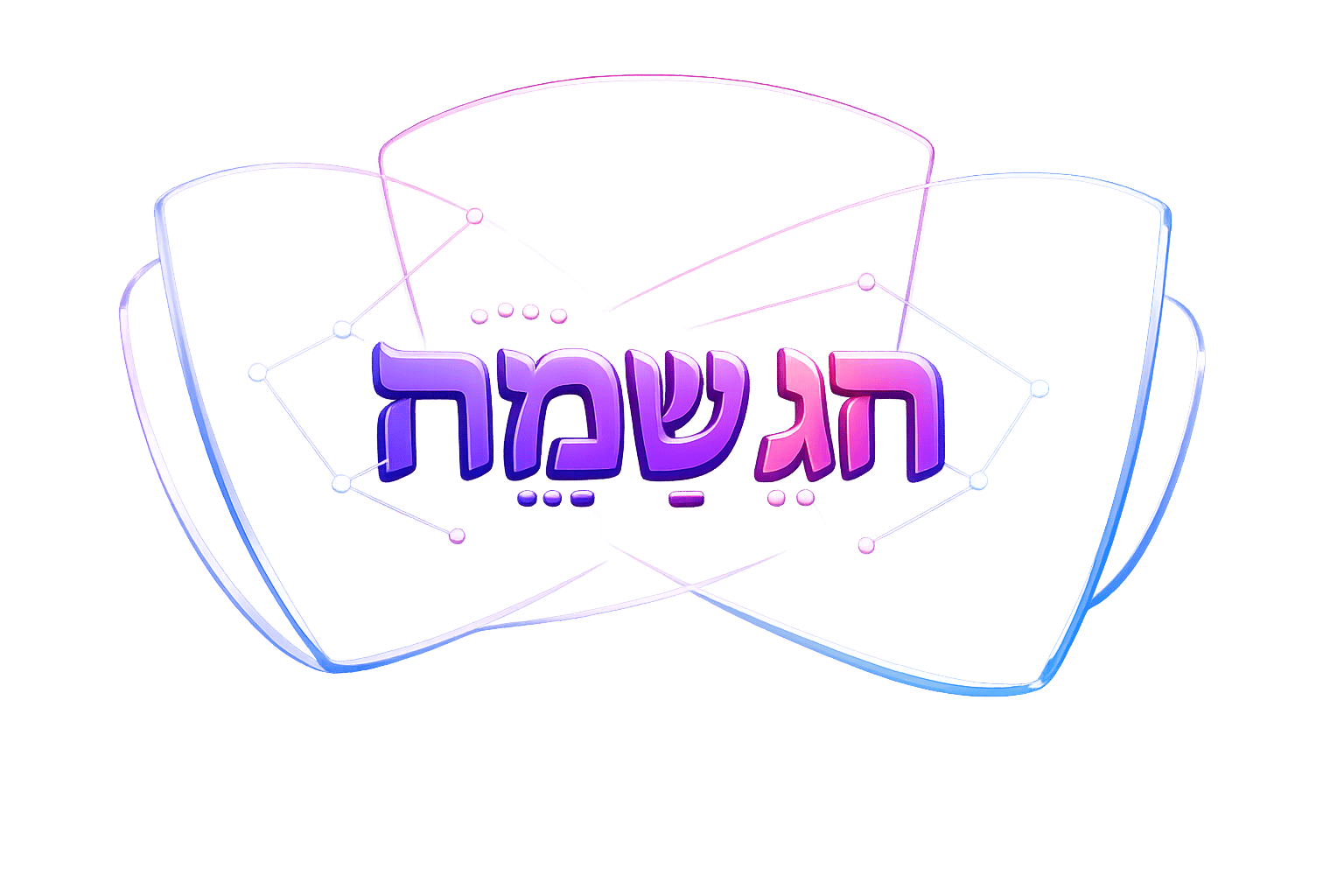
How to Translate Hebrew Holiday Greetings
Learn how Hebrew holiday greetings change by gender, audience, and tradition. This guide helps you translate phrases that sound natural and culturally right.
11 min read
Eliezer Ben-Yehuda's Role in Hebrew Revival
Learn how Eliezer Ben-Yehuda helped turn Hebrew into a living, everyday language. This guide breaks down the obstacles, methods, and lasting impact of the revival.
12 min read
Explore More Topics
Hebrew Culture FAQ
How are Jewish holidays connected to the Hebrew language?
Jewish holidays are deeply woven into everyday Hebrew. Greetings change by holiday: "Shana Tova" (Happy New Year) for Rosh Hashanah, "Chag Sameach" (Happy Holiday) as a universal greeting, "Shabbat Shalom" every Friday. Holiday names themselves teach vocabulary: "Pesach" (Passover) comes from the root for "pass over," and "Sukkot" means "booths." Understanding these connections gives you vocabulary and cultural context simultaneously. baba translates holiday-specific phrases with cultural notes so you understand what you're saying, not just the words.
How different is Israeli Hebrew from diaspora Hebrew?
Israeli Hebrew is a living, evolving spoken language: fast, informal, and full of slang. Diaspora Hebrew (used in synagogues, Jewish schools, and religious study) tends to be more formal and liturgical, with Ashkenazi pronunciation that sounds quite different from Israeli pronunciation. For example, Israelis say "Shabbat" with the stress on the last syllable, while Ashkenazi pronunciation says "Shabbos." Israeli Hebrew also absorbs words from Arabic, English, and Russian, while diaspora Hebrew stays closer to classical forms.
Is Hebrew a religious language?
Hebrew has deep religious roots: it's the language of the Torah, the Talmud, and Jewish prayer. But modern Israeli Hebrew is a fully secular, everyday language used for everything from ordering coffee to writing software documentation. The revival of Hebrew as a spoken language in the late 1800s by Eliezer Ben-Yehuda is one of the most remarkable linguistic achievements in history. Today, Hebrew is simultaneously a sacred language and the language of Israeli pop music, politics, and technology.
What cultural phrases should I know beyond basic Hebrew?
"B'ezrat Hashem" (with God's help) is used constantly by religious and secular Israelis alike when talking about future plans. "Kol hakavod" (literally "all the honor") means "well done" or "respect." "Am Yisrael Chai" (the people of Israel live) is a phrase of solidarity and resilience. "L'chaim" (to life) is the classic toast. "Tikkun Olam" (repairing the world) is a concept of social responsibility. These phrases carry centuries of cultural weight and using them shows genuine connection to Hebrew culture.
How does understanding Hebrew culture help me learn the language faster?
Language and culture are inseparable in Hebrew. Words carry layers of meaning that pure translation misses. "Chutzpah" doesn't just mean "audacity"; it reflects an Israeli cultural value of boldness. "Firgun" (genuine happiness for someone else's success) has no English equivalent and reveals something deep about Israeli social values. When you understand the culture, vocabulary sticks because you understand why words exist, not just what they mean. baba's translations include cultural context to help bridge this gap.
Try what you read here in the baba Hebrew translator, which sets the gender for who is speaking and who is listening, or compare the Free and Pro plans.
Get weekly Hebrew culture insights
Holidays, traditions, and cultural context, free every week
Translate with culture, not just words.
baba understands the cultural context behind Hebrew, so your translations carry the right meaning, not just the right words.
Free to download · Cultural context built in · No login required