baba

© 2026 baba. All rights reserved.

← Back to Learn Hub

Hebrew for Traveling to Israel

Practical travel Hebrew — phrases, cultural tips, and everything you need to navigate Israel with confidence.

Articles updated regularly

Travel Hebrew Articles

Guides, tips, and phrases for navigating Israel like a local.

New travel articles coming soon.

In the meantime, download baba to start translating Hebrew on the go.

Travel Hebrew FAQ

What Hebrew phrases do I need for traveling in Israel?

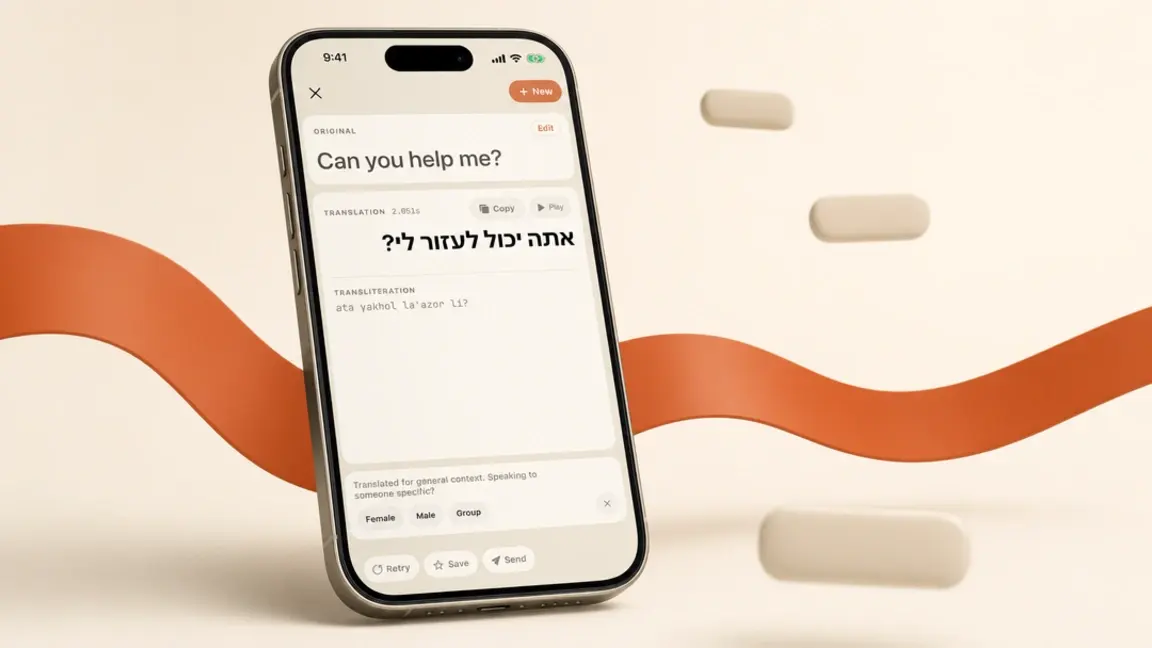
Start with the essentials: "Shalom" (hello/goodbye), "Toda" (thank you), "Bevakasha" (please/you're welcome), "Slicha" (excuse me), "Kama ze ole?" (how much does this cost?), and "Eifo ha..." (where is the...). These six phrases will cover most tourist interactions. baba gives you instant translations with transliteration so you can pronounce everything correctly on the spot.

Can I get around Israel without speaking Hebrew?

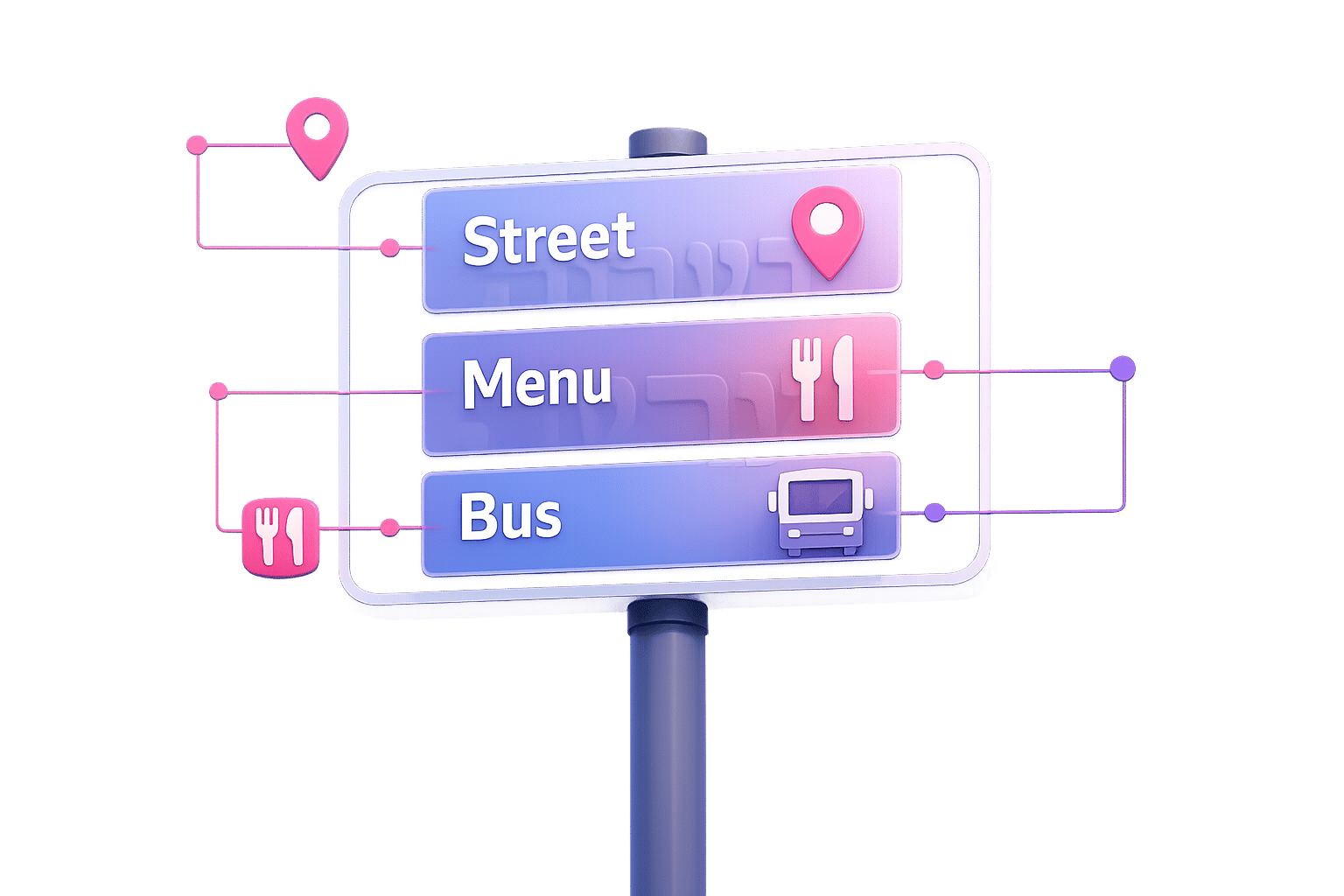
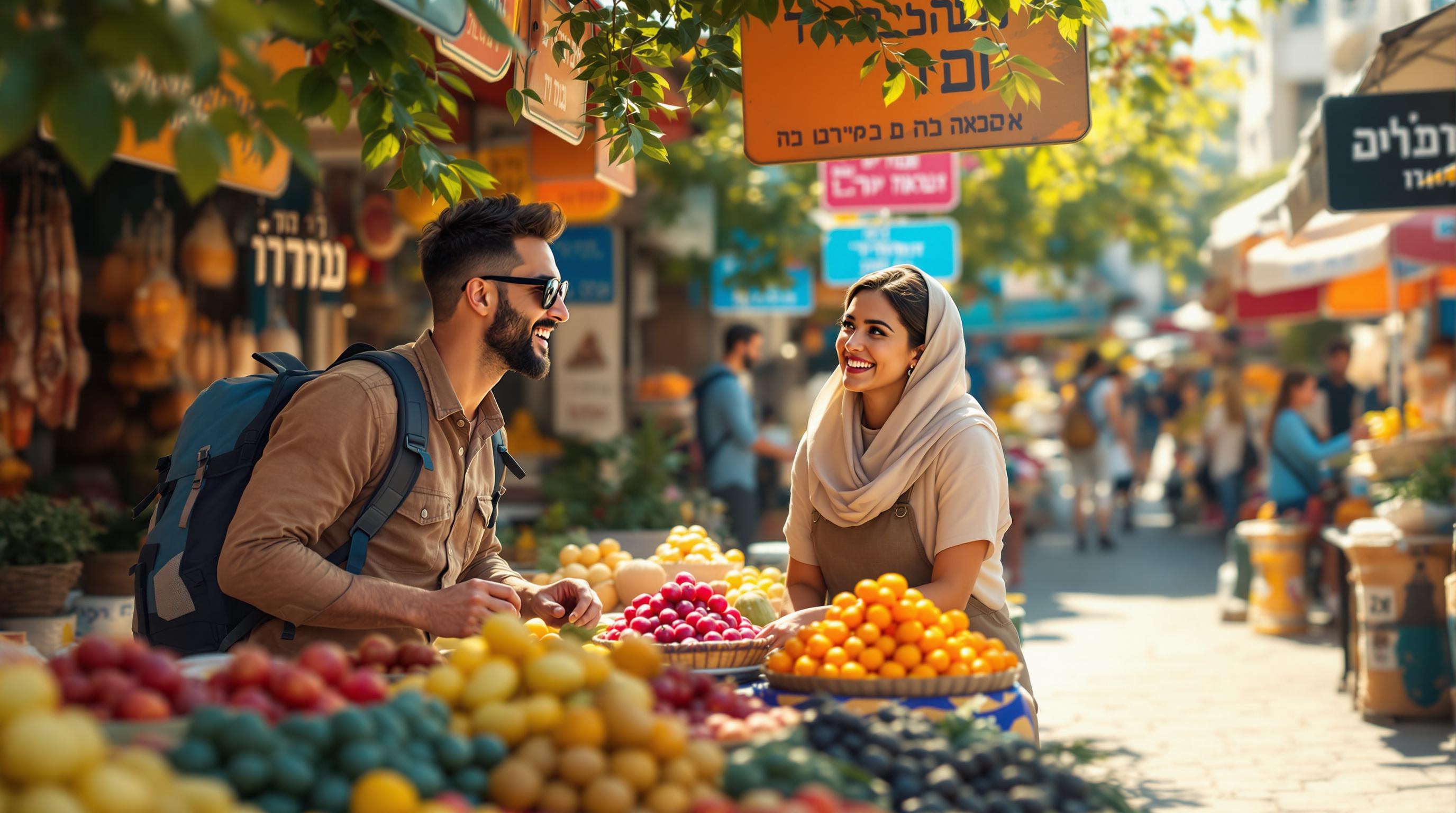
Yes — most Israelis in major cities speak English, and tourist areas have English signage. However, knowing basic Hebrew dramatically improves your experience. Bus signs, restaurant menus outside tourist zones, and market conversations are almost entirely in Hebrew. Even a few phrases earn you respect and better prices at the shuk (market).

How do I read Hebrew signs and menus in Israel?

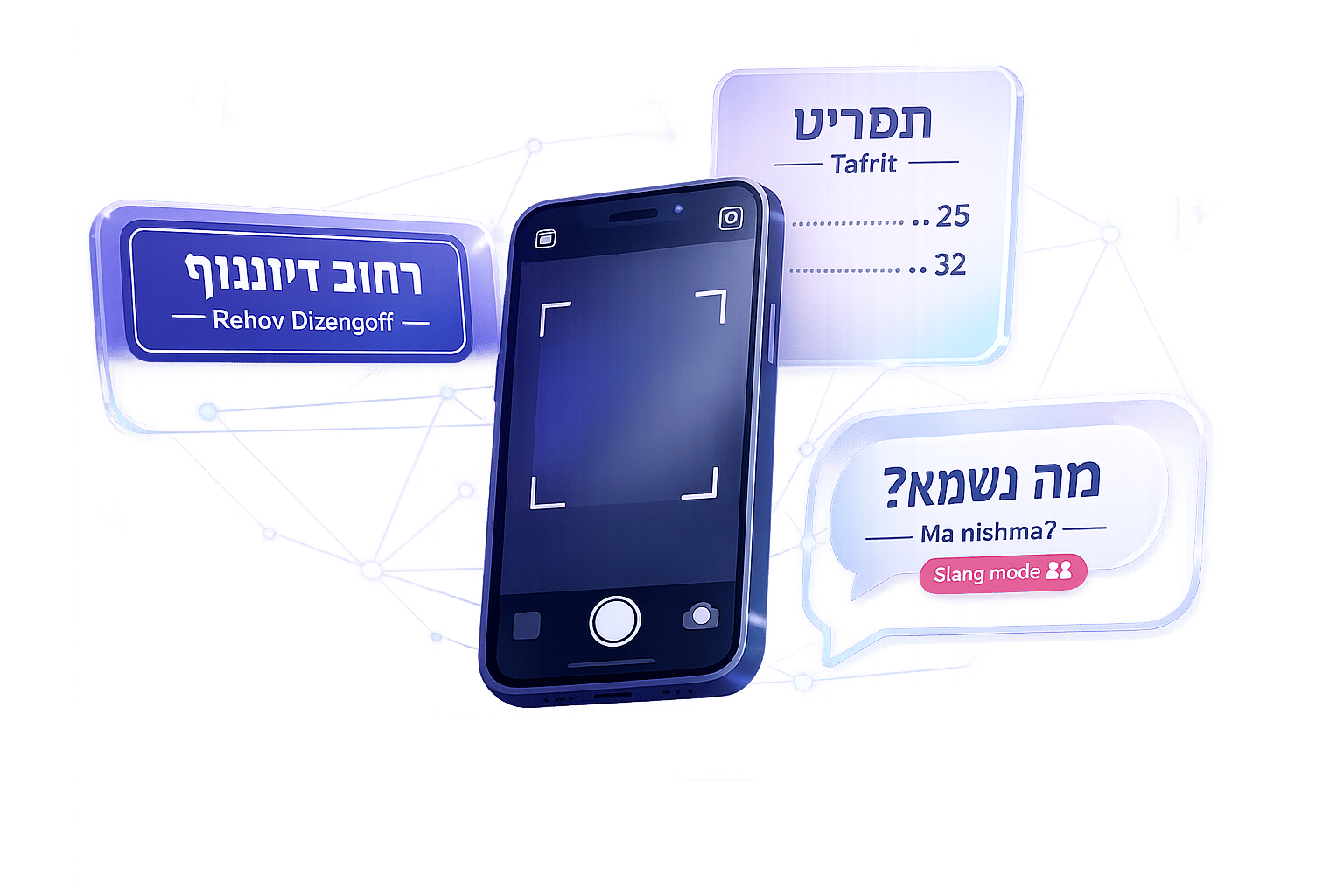
Hebrew reads right-to-left, but numbers read left-to-right. Restaurant menus in tourist areas often have English translations, but local spots usually don't. Use baba's camera translation feature to instantly translate signs, menus, and labels — just point your phone and get the translation with pronunciation.

What is the tipping etiquette in Israel?

Tipping 10-15% is standard at sit-down restaurants in Israel. At cafes, rounding up or leaving 10% is appreciated. Taxi drivers don't expect tips but you can round up the fare. Tour guides typically receive $5-10 USD per person per day. Saying "Toda raba" (thank you very much) always goes a long way.

What should I know about Israeli culture before visiting?

Israel shuts down for Shabbat (Friday sunset to Saturday sunset) — public transit stops, most shops close, and restaurants outside tourist areas may close. Israelis are famously direct — it's cultural, not rude. Dress modestly at religious sites. And don't be surprised if strangers strike up a conversation — Israelis are warm and curious about visitors.

Get Hebrew travel tips in your inbox

Phrases, cultural tips, and travel guides — free, every week

100,000+ translations
14 languages
No login required

Heading to Israel? Take baba with you.

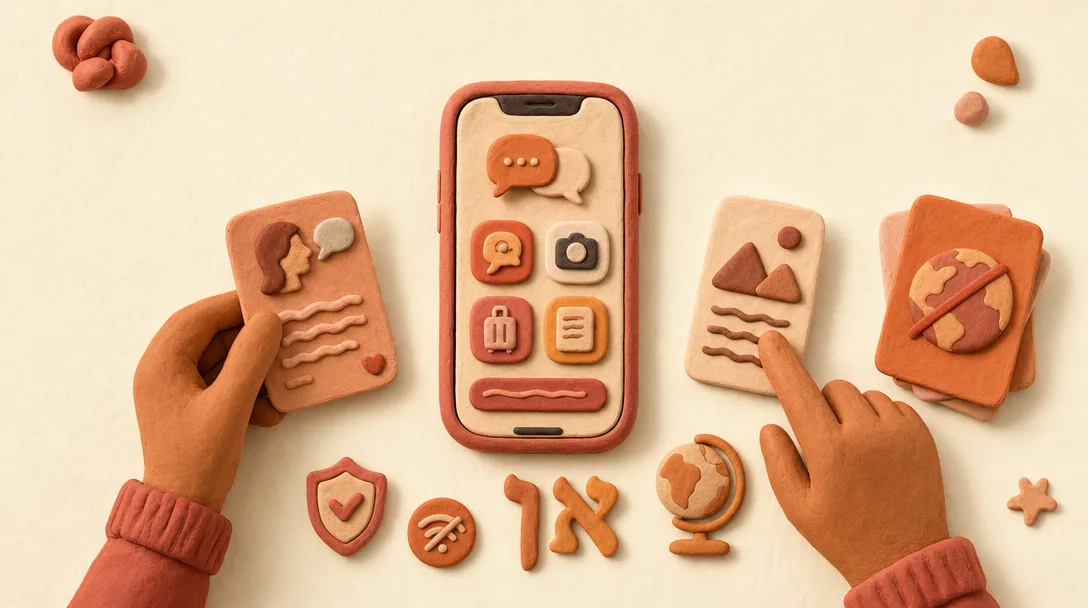
Translate signs, menus, and conversations instantly — with pronunciation you can actually use.

No login required · Works offline · Camera translation included